ITB Presents BENSA Palm Gasoline via Merah Putih Catalyst; BPDP Research Funds Total IDR 917.58bn
ITB researchers presented BENSA (palm gasoline) at BPDP on 15 July 2026. They propose distributed mini-refineries, but say economics remains the main hurdle.
Contents (4 sections)
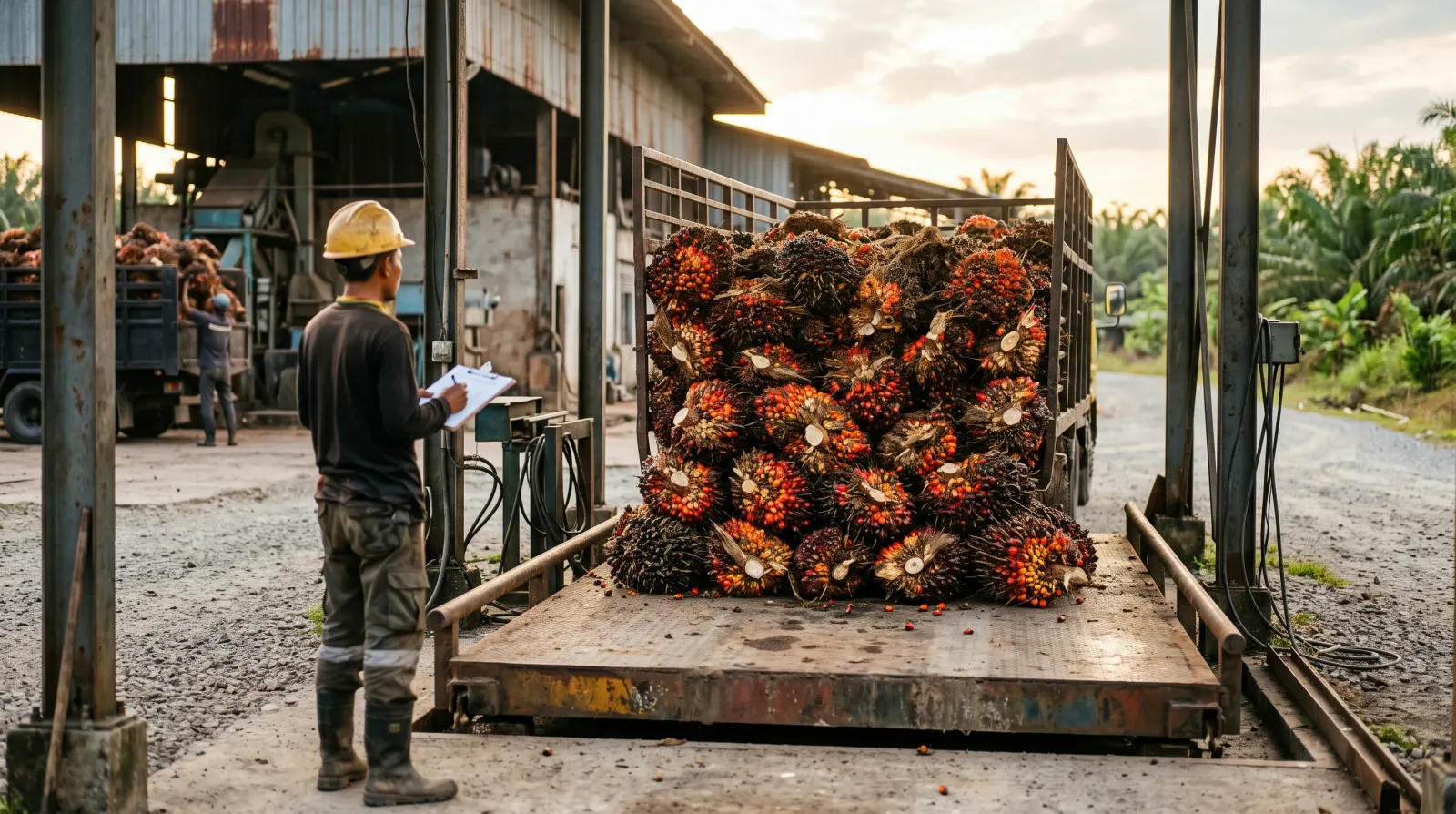
Jakarta — Researchers from Institut Teknologi Bandung (ITB) presented progress on BENSA, or Bensin Sawit (palm gasoline), a technology that turns vegetable oil into a gasoline-like fuel through catalytic cracking using the domestically developed Merah Putih catalyst. The presentation was given at the "Road to Pekan Riset Sawit Indonesia (PERISAI) 2026" media briefing at the Plantation Fund Management Agency (BPDP) office in Jakarta on Wednesday, 15 July 2026. ITB proposes producing BENSA in small, distributed refineries rather than giant plants, but acknowledges that economics is its biggest challenge.
How BENSA works
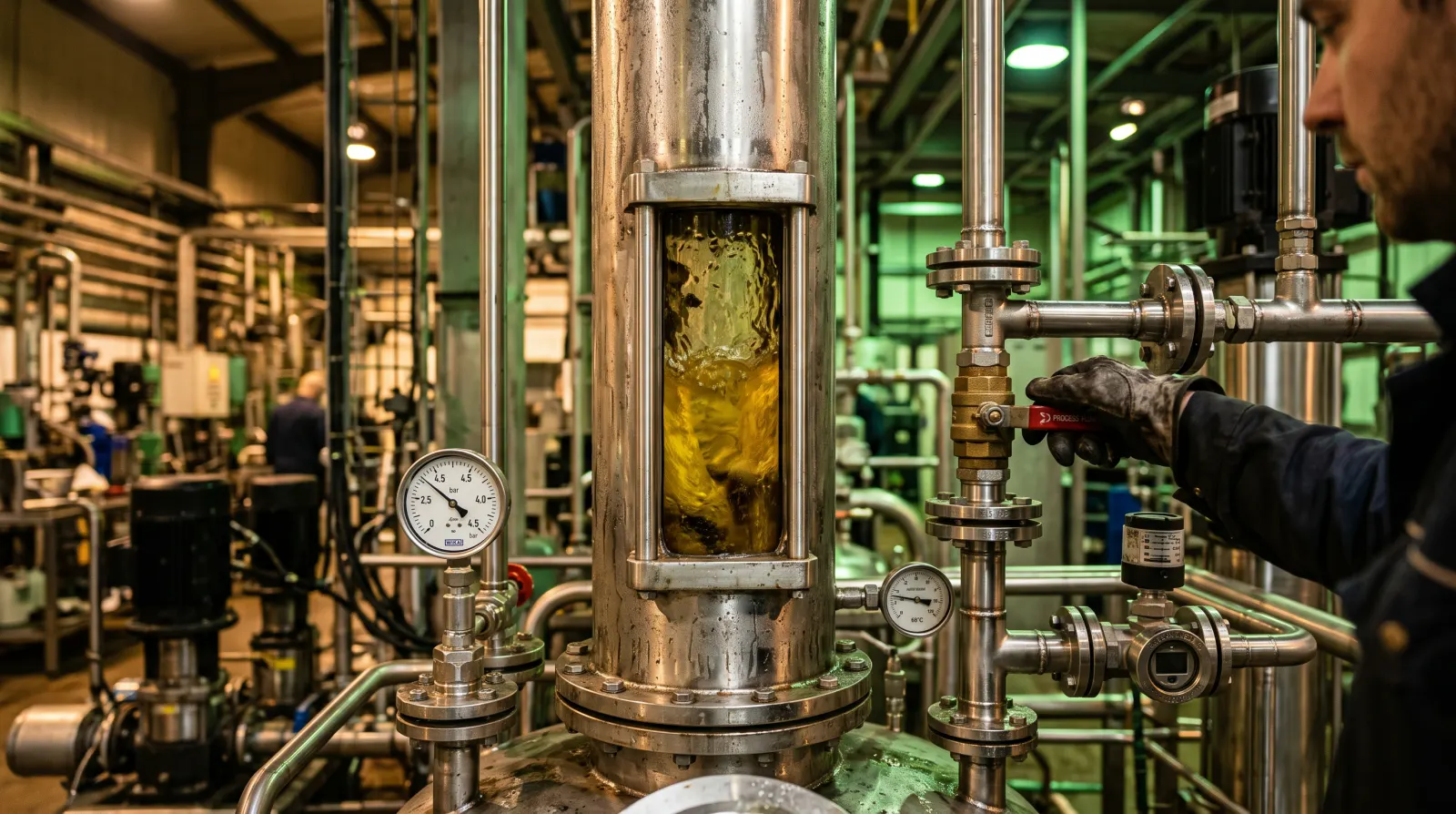
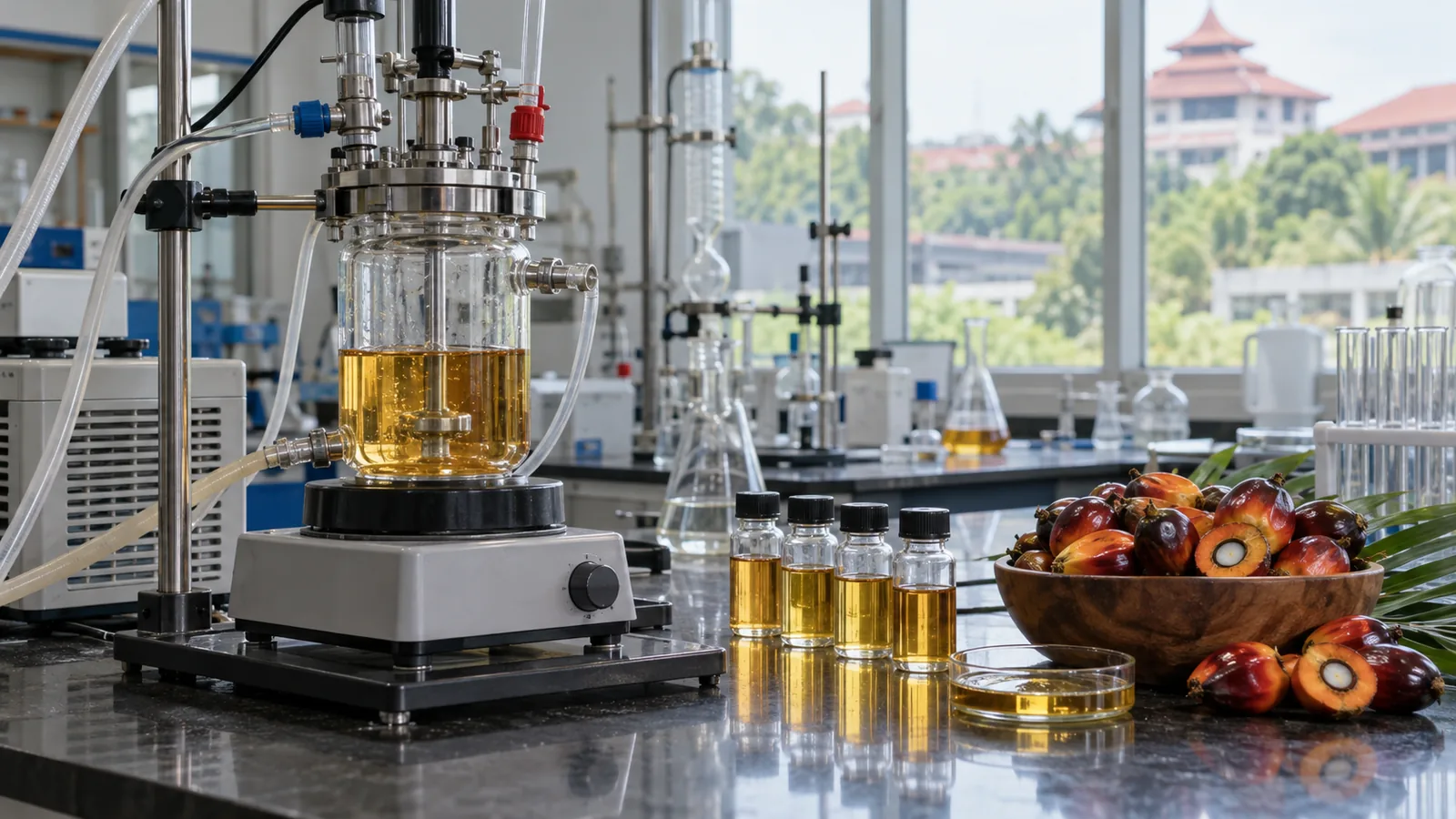
BENSA was presented by Dr. Ir. C.B. Rasrendra, an ITB academic specialising in catalyst engineering and processing systems. According to Fortune Indonesia, the process uses the Merah Putih catalyst to crack palm oil into hydrocarbon fractions with gasoline-like properties. KabarBursa noted that BENSA is based on Mixed Industrial Vegetable Oil (MIVO) and is among the research projects supported by BPDP.
ITB's work on palm-based fuels goes back a long way. Fortune Indonesia reported that the research began in 1982, and that between 1982 and 1985 researchers searched for a suitable catalyst system to turn palm oil into gasoline with very limited equipment.
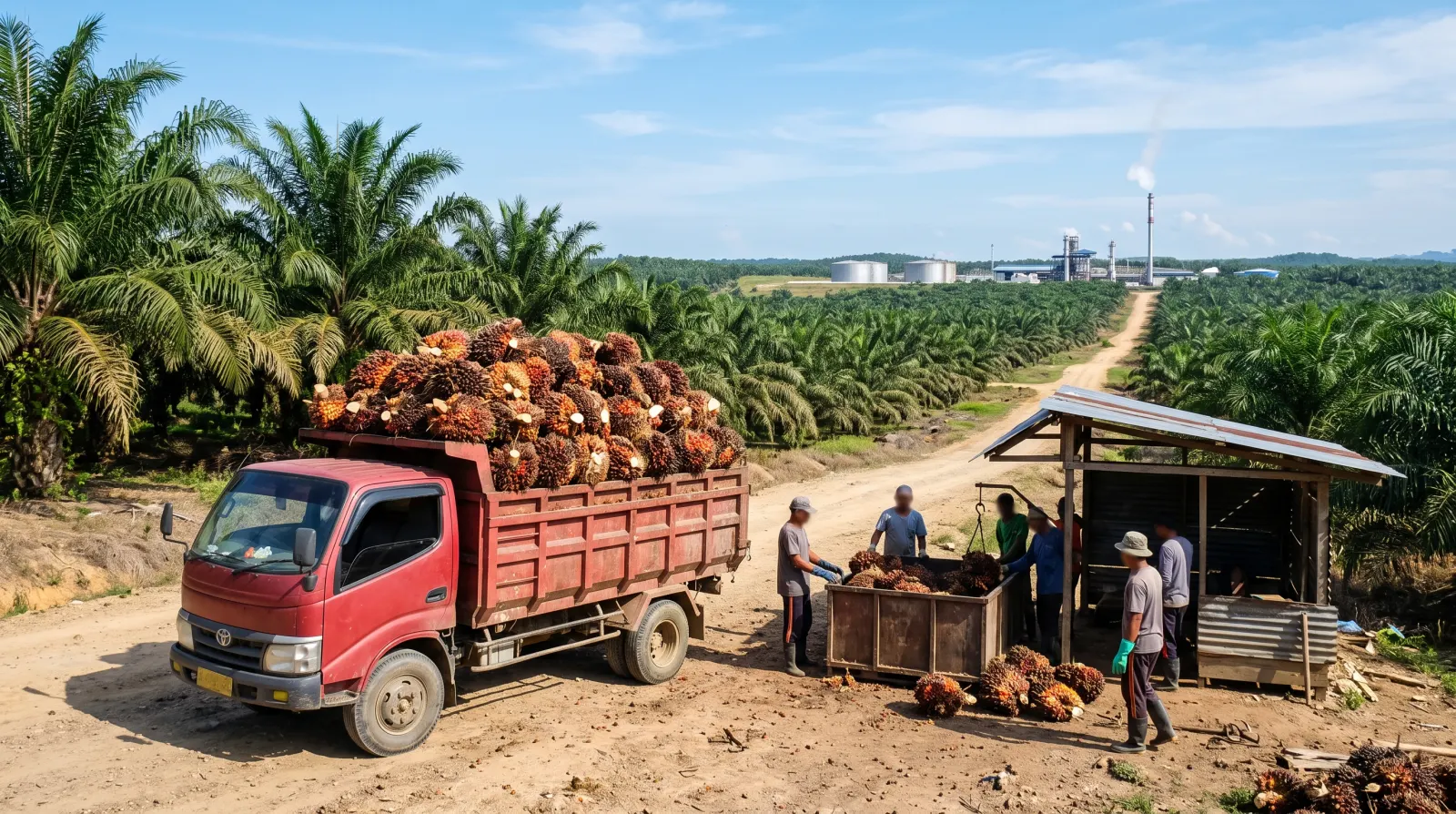
According to KabarBursa, Rasrendra explained that vegetable oil was chosen because its chemical structure resembles that of petroleum fuels, making conversion relatively faster than with other alternative feedstocks. The BENSA concept is also not tied to palm oil: other vegetable oils with a similar chemical structure can be used, since not every region can grow oil palm.
Distributed mini-refineries and separating food from fuel
Instead of building large conventional refineries, ITB proposes a model of mini-refineries spread across the regions. Rasrendra, quoted by KabarBursa, said the planned BENSA refineries would be "not large in size but small and distributed". The aim is to bring production closer to where fuel is used and to cut distribution costs to remote areas that are hard to supply.
The concept also separates the oil fraction used for energy from fractions kept for food, such as cooking oil, cocoa raw material and margarine, so that energy needs do not compete directly with food. Used cooking oil can also be reprocessed into energy feedstock as part of a circular-economy approach.
The economics challenge and the research "valley of death"
Rasrendra was candid that cost is BENSA's main obstacle. Gasoline is still cheap, he said, while vegetable oil feedstock is relatively expensive. He therefore argued that such refineries also need to produce value-added derivatives, such as petrochemical products, to be financially viable.
He also referred to the "valley of death", the term for campus research that stalls before commercialisation because it cannot find an industrial partner.
Mochmad Alfansyah, BPDP's Director of Downstream Sector Fund Distribution, said the agency wants to show that palm oil produces more than vegetable oil or biodiesel. He said BPDP has funded hundreds of research projects with universities and research institutions and wants the results turned into commercial technologies and products, not just academic publications. According to KabarBursa, BPDP's research funding from 2015 to 2026 has reached IDR 917.58 billion.
PERISAI 2026
The BENSA presentation is part of the run-up to PERISAI 2026, which BPDP will hold on 20–21 July 2026 at Hotel Borobudur, Jakarta, under the theme "Shaping The Palm Oil Industry Ecosystem For A Sustainable Future". The event brings together 44 universities and research institutions across six research areas, from bioenergy to food and health, with seminars, research exhibitions and business matching.
| Aspect | Details |
|---|---|
| Developer | ITB researchers, presented by Dr. Ir. C.B. Rasrendra |
| Process | Catalytic cracking with the Merah Putih catalyst |
| Feedstock | Palm oil / mixed industrial vegetable oil (MIVO); used cooking oil can be used |
| Production model | Distributed mini-refineries |
| Main challenge | Economics: vegetable feedstock costs more than fossil gasoline |
Sources & references
- Fortune Indonesia, "Bukan Cuma Biodiesel, Sawit Kini Bisa Diolah Jadi Bensin" (15 July 2026) — https://www.fortuneidn.com/news/bukan-cuma-biodiesel-sawit-kini-bisa-diolah-jadi-bensin-00-my5jv-205666
- KabarBursa, "Konsep BENSA ITB Tawarkan Solusi Energi Bersih dan Berkelanjutan, Seperti Apa?" (15 July 2026) — https://www.kabarbursa.com/ekonomi-hijau/konsep-bensa-itb-tawarkan-solusi-energi-bersih-dan-berkelanjutan-seperti-apa
- KabarBursa, "BPDP Siap Gelar PERISAI 2026, Pamerkan Inovasi Sawit Sektor Pangan hingga Energi" (15 July 2026) — https://www.kabarbursa.com/makro/bpdp-siap-gelar-perisai-2026-pamerkan-inovasi-sawit-sektor-pangan-hingga-energi