Pertamina NRE and Toyota Sign Declaration for 60,000 kL Lampung Bioethanol Plant, Targeting 2028
Lampung province, Pertamina NRE, TMMIN and Toyota Tsusho signed a declaration for a bioethanol ecosystem built around a 60,000 kL-a-year plant using sorghum, molasses and biomass.
Contents (3 sections)
Jakarta — The government has named Lampung as the first site for building a national bioethanol ecosystem, with a planned plant of 60,000 kilolitres (60 million litres) a year targeted to start operating in the fourth quarter of 2028. The commitment was formalised in a joint declaration by the Lampung provincial government, PT Pertamina New and Renewable Energy (PNRE), PT Toyota Motor Manufacturing Indonesia (TMMIN) and PT Toyota Tsusho Indonesia (TTI), as reported by detikFinance, Fortune Indonesia and Investor Trust on 10 June 2026.
The declaration, titled "Collaboration in Establishing Bioethanol Ecosystem Development in Lampung Province", was signed during a coordination meeting and field visit led by Todotua Pasaribu, Deputy Minister of Investment and Downstreaming and Deputy Head of the Investment Coordinating Board (BKPM). The cooperation covers feedstock supply chains, production facilities, farmer partnerships, technology development and faster investment realisation.
Two phases: a 60 kL pilot and a 60,000 kL plant
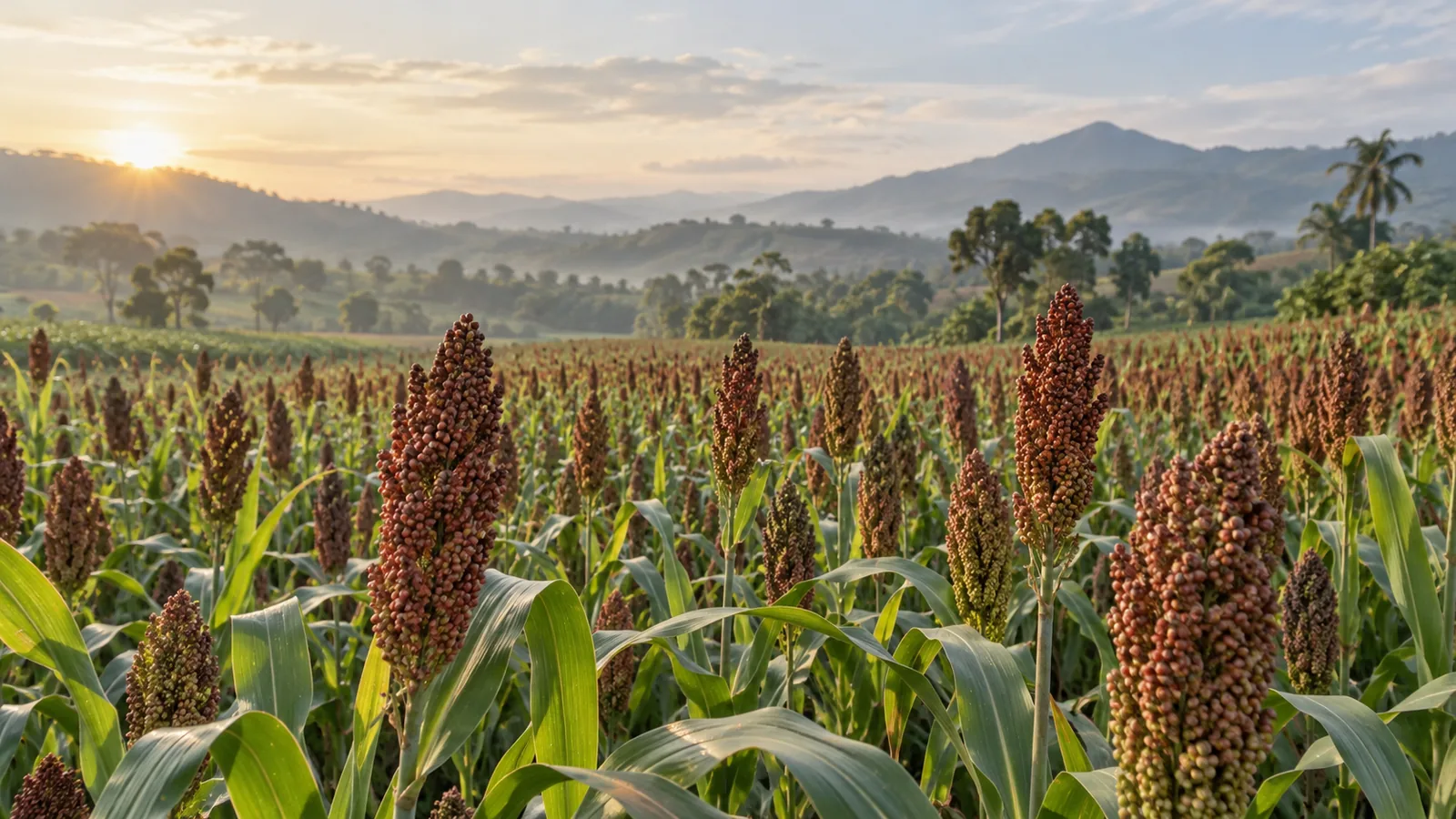
According to detikFinance and Investor Trust, the project is planned in two phases. The pilot phase includes 10 hectares of Enryu sorghum and a bioethanol facility of 60 kilolitres a year. The commercial phase expands Enryu sorghum planting to 6,000 hectares in Lampung and builds a main plant of 60,000 kilolitres a year.
| Phase | Sorghum area | Bioethanol capacity | Timing |
|---|---|---|---|
| Pilot | 10 hectares | 60 kilolitres/year | Initial stage |
| Commercial | 6,000 hectares | 60,000 kilolitres/year | Construction from Q3 2027, operation in Q4 2028 |
Next steps the parties plan to accelerate include a joint feasibility study, project design, pilot sorghum cultivation, and finalising the financing scheme and strategic partnerships. The investment value and each party's share have not been disclosed.
Why Lampung, and why sorghum
The delegation inspected land in Tegineneng district, Pesawaran Regency, and Rejosari village, South Lampung Regency. According to Fortune Indonesia, Lampung was chosen for its feedstock availability, infrastructure and strategic location, which allows it to supply Sumatra and part of Java, described as Indonesia's largest energy-consuming regions.
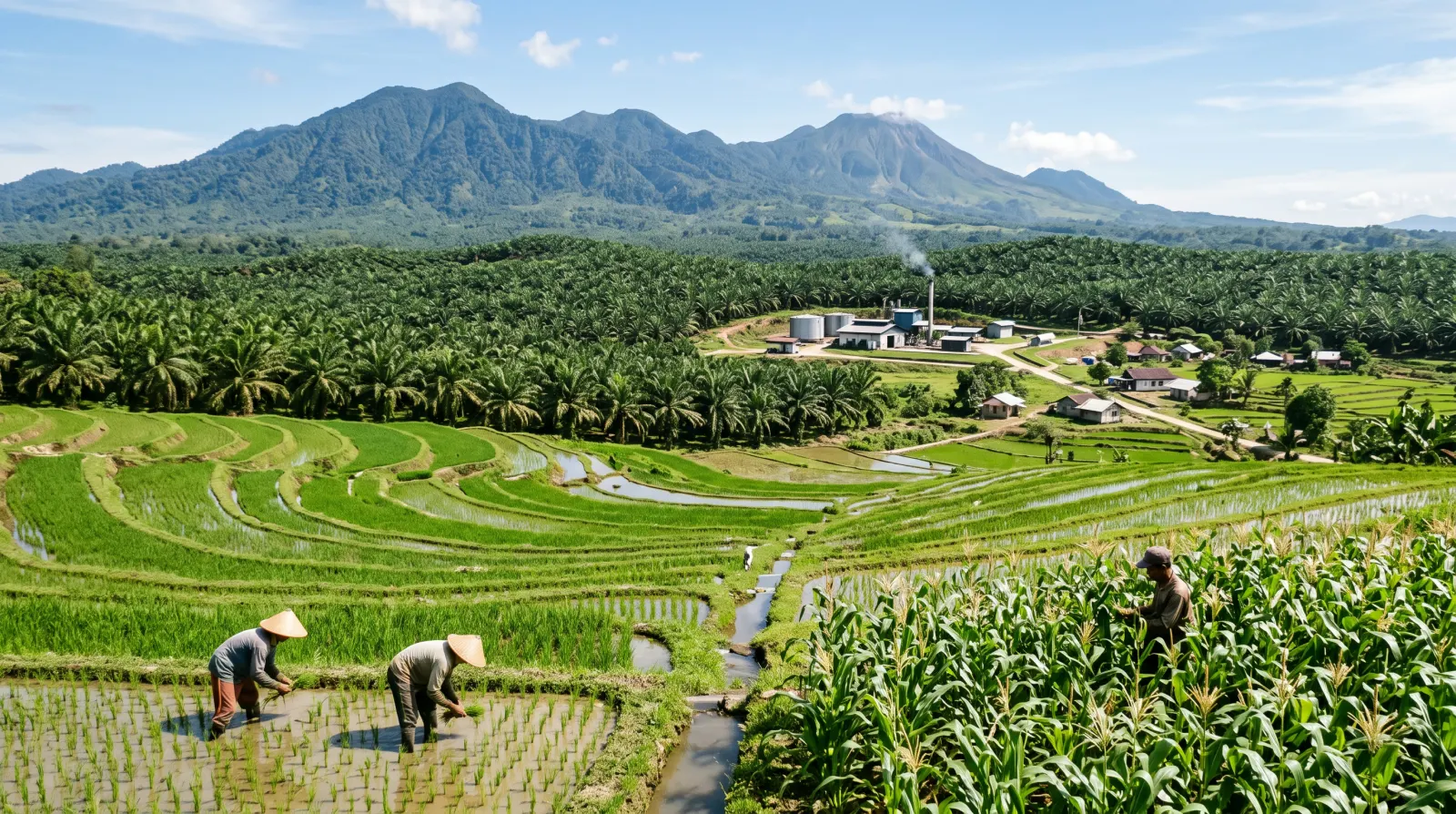
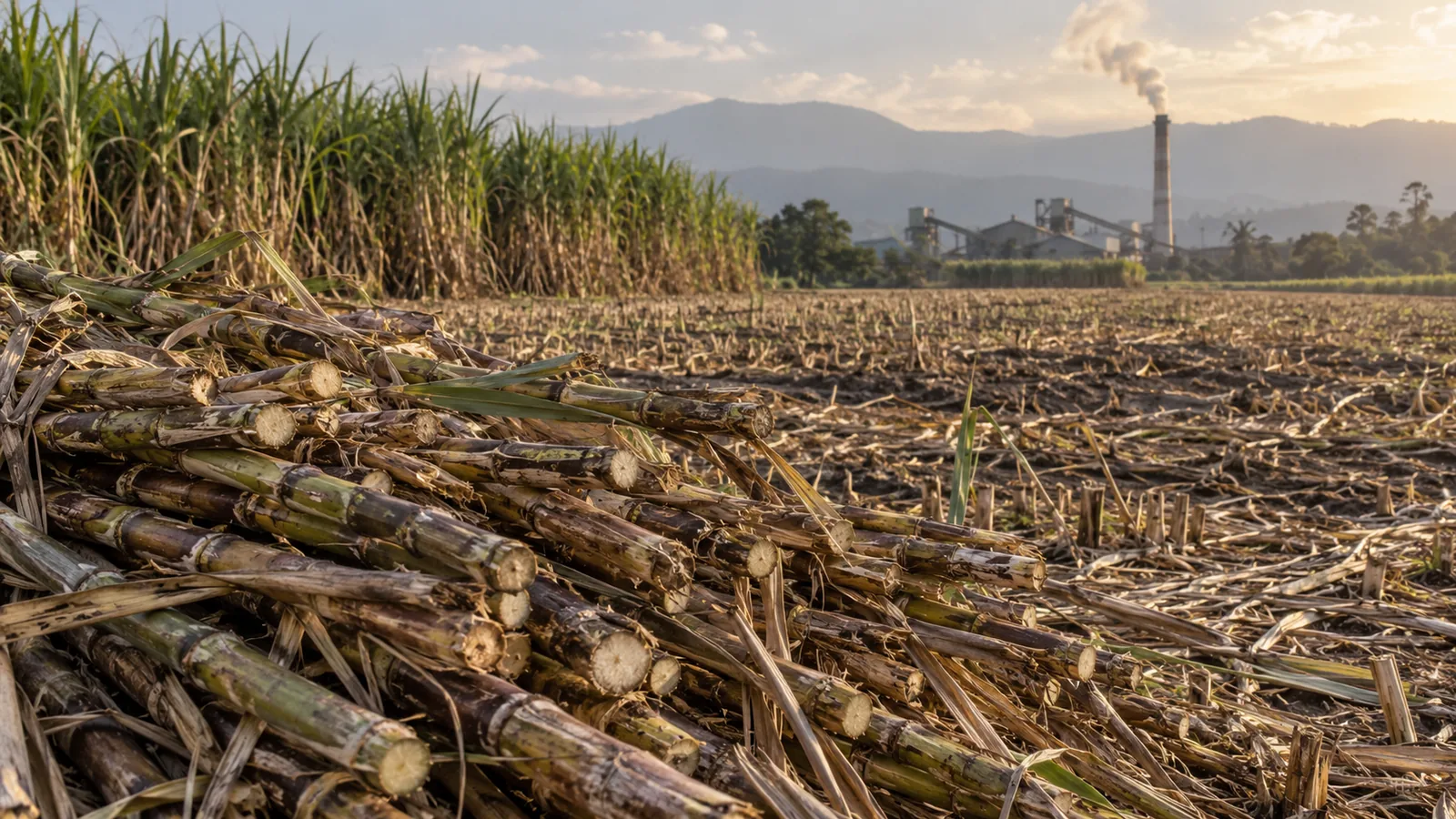
The project takes a multi-feedstock approach using sugarcane molasses, sorghum and biomass waste. That mix is seen as enabling both first-generation and second-generation bioethanol, the latter made from agricultural waste. The sorghum programme is also designed to build partnerships between industry and local farmers.
"What we want to build is not just a factory, but an economic ecosystem," Todotua said, as quoted by Fortune Indonesia and Investor Trust. He also said Lampung has the most suitable feedstock for developing national bioethanol.
Follow-up to talks with Toyota
The Lampung plan is not new. On 20 April 2026, Investor Trust reported that Todotua met Toyota Motor Asia CEO Masahiko Maeda and said the first bioethanol plant would be built in Lampung through a partnership between PNRE and Toyota Tsusho. At that time, groundbreaking was planned for the second half of 2026 with operation targeted for 2028. Under the latest schedule, construction of the commercial plant is targeted to begin in the third quarter of 2027.
The June meeting also followed Todotua's visit to the research facility of raBit (Research Association of Biomass Innovation for Next Generation Automobile Fuels) in Fukushima, Japan. The partnership is expected to bring technology transfer and human resource development.
The project comes as the government prepares a 5% bioethanol (E5) blending obligation for non-subsidised gasoline from the second half of 2026, which the Ministry of Energy and Mineral Resources (ESDM) says will initially be supplied by just three fuel-grade ethanol producers. At 60,000 kilolitres a year, the Lampung plant would add domestic supply if it proceeds on schedule.
Sources & references
- detikFinance, "Proyek Bioetanol 60 Ribu Liter di Lampung Dikebut" (10 June 2026) — https://finance.detik.com/energi/d-8526208/proyek-bioetanol-60-ribu-liter-di-lampung-dikebut
- Fortune Indonesia, "Pabrik Bioetanol Pertamina dan Toyota Ditargetkan Beroperasi pada 2028" (10 June 2026) — https://www.fortuneidn.com/news/pabrik-bioetanol-pertamina-dan-toyota-ditargetkan-beroperasi-pada-2028-00-my5jv-7dy6x0
- Investor Trust, "Pemerintah Siap Bangun Pabrik Biofuel Kapasitas 60 Juta Liter di Lampung, Gandeng Toyota dan Pertamina" (10 June 2026) — https://investortrust.id/business/105936/pemerintah-siap-bangun-pabrik-biofuel-kapasitas-60-juta-liter-di-lampung-gandeng-toyota-dan-pertamina
- Investor Trust, "Ditargetkan Operasi 2028, Pemerintah Bangun Pabrik Bioetanol Lampung dengan Gandeng Toyota" (20 April 2026) — https://investortrust.id/business/100655/ditargetkan-operasi-2028-pemerintah-bangun-pabrik-bioetanol-lampung-dengan-gandeng-toyota
- Investor Trust, "Seluruh SPBU di RI Wajib Campur Bensin dengan Etanol, Berlaku Mulai Semester II-2026" (4 June 2026) — https://investortrust.id/business/105348/seluruh-spbu-di-ri-wajib-campur-bensin-dengan-etanol-berlaku-mulai-semester-ii-2026