Argentina's Senate Approves Biofuel Bill: Biodiesel from 7.5% to 10%, Ethanol to 15%
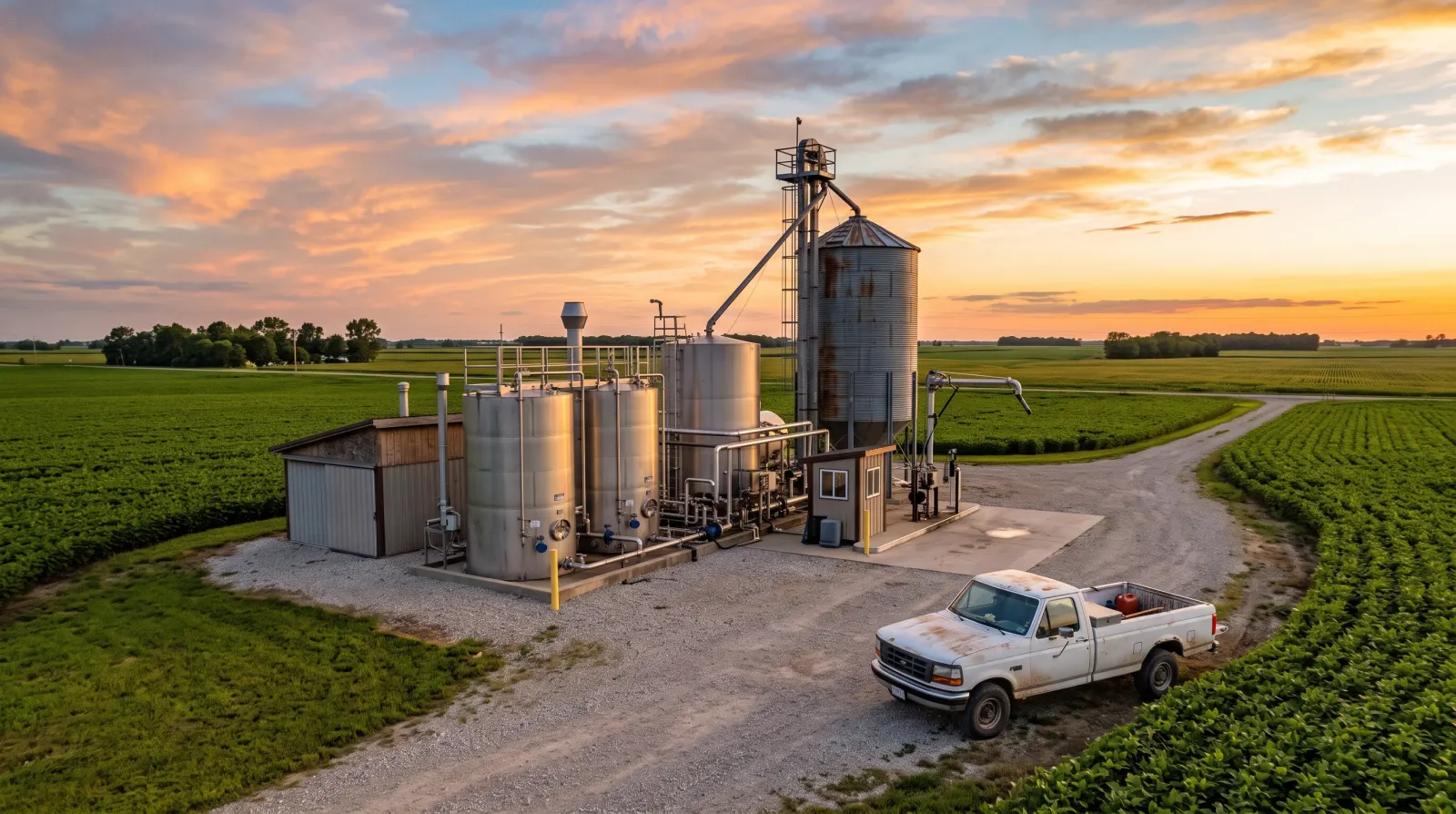
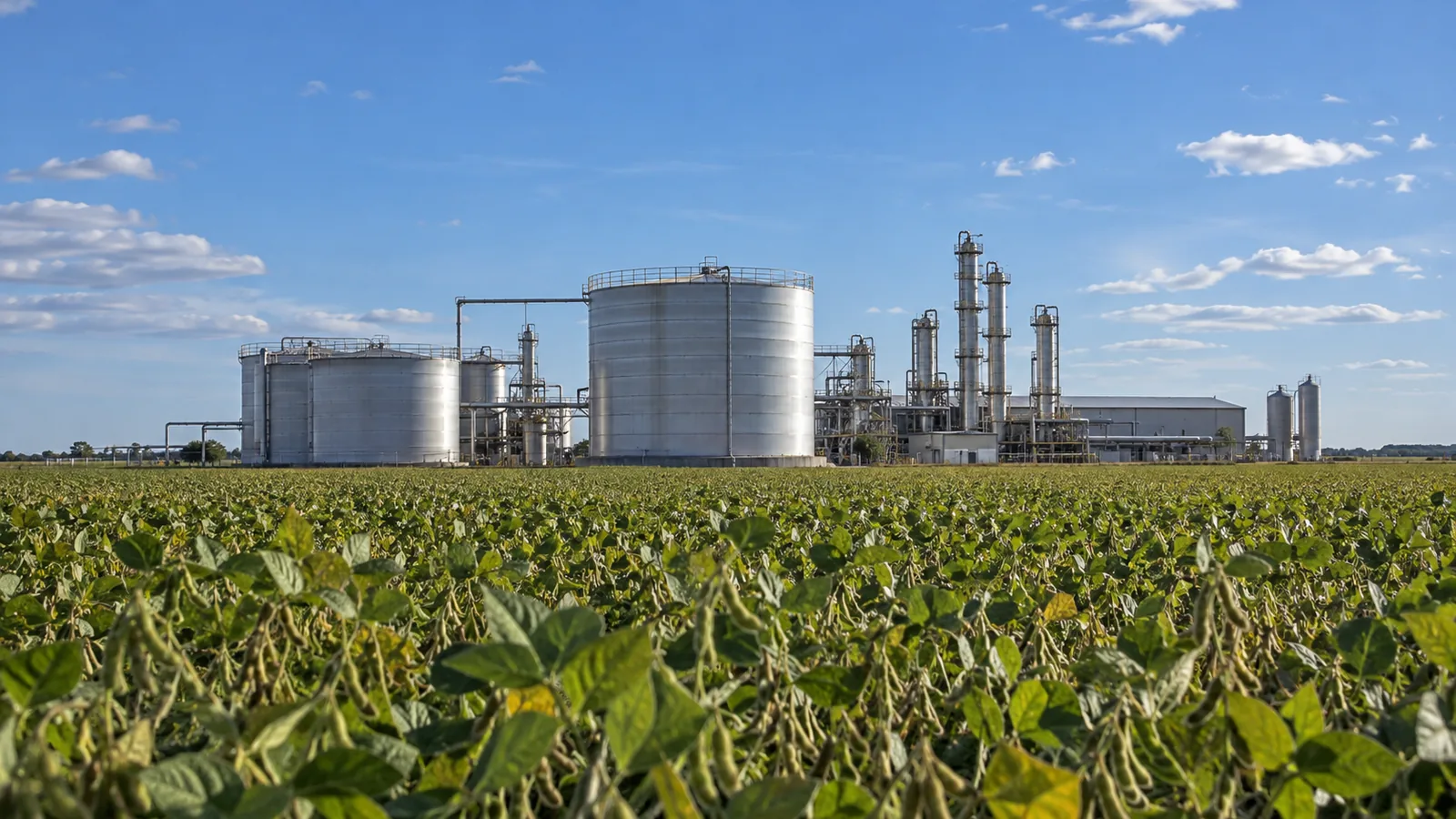
Argentina's Senate approved a new biofuels bill with 41 votes, raising the biodiesel blend from 7.5% to 10% and ethanol from 12% to 15%. Small biodiesel producers object to cuts in their quota.
Contents (3 sections)
Buenos Aires — Argentina's Senate on Thursday, 17 September 2026, approved a new biofuels bill that raises the mandatory biodiesel blend in diesel from 7.5% to 10% and the ethanol blend in gasoline from 12% to 15%. Backed by 41 senators, the bill now moves to the Chamber of Deputies before it can become law. The higher blends would take effect one year after the law enters into force.
The bill would repeal Biofuels Law No. 27,640 and its regulations and set up a new 15-year regime under the Energy Secretariat, according to iProfesional. Bichos de Campo noted that Law 27,640 originally set a 5% biodiesel blend, which was later raised to 7.5% by Decree 438/2022.
Main provisions
- Biodiesel: up from 7.5% to 10%; Bichos de Campo reported that an additional 5% would be allowed through co-processing, in which oil companies process bio-based feedstock directly in their refineries.
- Ethanol: up from 12% to 15%. The original 12% is split equally between sugarcane and corn ethanol (6% each), while the extra 3% is open to any eligible feedstock.
- Electronic auction market: volumes and prices for the mandatory blend would be set through periodic auctions on an electronic platform run by an independent operator.
- Concentration caps: no single ethanol producer may exceed 20% of the annual mandatory-blend volume; for biodiesel, Bichos de Campo reported a 20% cap per company and economic group.
- Tax and imports: the renewable component remains exempt from the liquid fuels tax (ICL) and the carbon dioxide tax; imports are allowed during supply shortages.
- New technologies: the bill also covers biomethane, flex-fuel vehicles and sustainable aviation fuel (SAF), which is exempt from blending obligations.
According to Palabras del Derecho, the government chose not to push the biodiesel blend above 10%, citing the cost gap with imported diesel.
Small biodiesel producers object
The most contentious provisions concern "non-integrated" biodiesel companies, plants that buy soybean oil to turn into biodiesel. A transition period runs until 1 January 2036. Their quota, according to Bichos de Campo, falls from 6.5% (under the 10% mandate, through 2028) to 5.5% in 2029, 5% in 2030 and 4% in 2031–2036. The 4% floor for 2031–2036 was a last-minute change, since the original draft phased out the reserve for small producers by 2031, iProfesional reported.
Cepreb, the chamber of small and medium-sized biofuel producers led by director Federico Martelli, rejected the bill, saying it would not accept an "extinction schedule". According to iProfesional, Cepreb expects most small plants in Buenos Aires, La Pampa, Entre Ríos and San Luis to close if the rules take effect, and small producers wrote to President Javier Milei warning of competition from large export-oriented crushers. By contrast, sugar producers' association Centro Azucarero Argentino and the Corn Bioethanol Chamber called the bill a major gain for value-added production and investment.
Senator Flavia Royón, the bill's author, said its aim is a more competitive and transparent market, while ruling-bloc leader Patricia Bullrich said the law gives the industry stable rules for the next 15 years. The Justicialista bloc opposed it, with Senator José Mayans arguing that the blend calculation hurts small producers.
Takeaways for Indonesia
Argentina is taking a different path from Indonesia: it is raising its biodiesel blend only modestly to 10%, citing the cost against imported diesel, while opening the market through auctions and reducing protection for small producers. Indonesia, by contrast, is pursuing far higher blends through its B50 mandate, supported by palm oil plantation funds. Higher domestic soybean oil use in Argentina will be one of the factors watched in the global vegetable oil market, including by palm oil players. Biodiesel regulatory developments can be followed on the regulation page.
Sources & references
- Bichos de Campo, "Cada vez más cerca: Media sanción para el proyecto de biocombustibles" (17 September 2026) — https://bichosdecampo.com/cada-vez-mas-cerca-media-sancion-para-el-proyecto-de-biocombustibles/
- iProfesional, "La media sanción de Biocombustibles abrió una grieta en el sector y puso en alerta a pymes" (18 September 2026) — https://www.iprofesional.com/energia/464769-grieta-entre-productores-por-media-sancion-de-ley-de-biocombustibles
- Palabras del Derecho, "Biocombustibles: el Senado dio media sanción a la ley que aumenta los cortes obligatorios y desregula el mercado" (18 September 2026) — https://www.palabrasdelderecho.com.ar/articulo/7000/Biocombustibles-el-Senado-dio-media-sancion-a-la-ley-que-aumenta-los-cortes-obligatorios-y-desregula-el-mercado