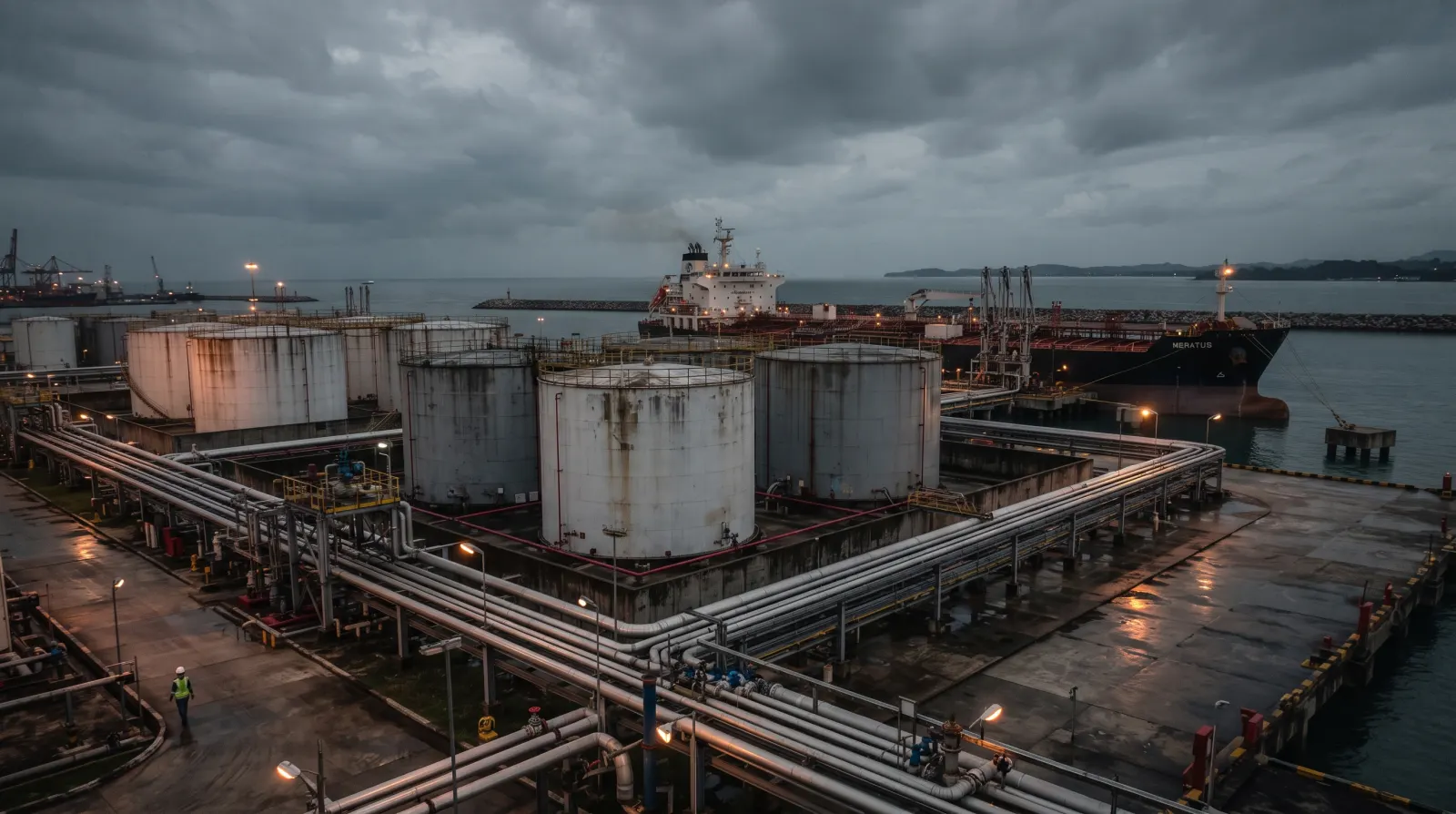
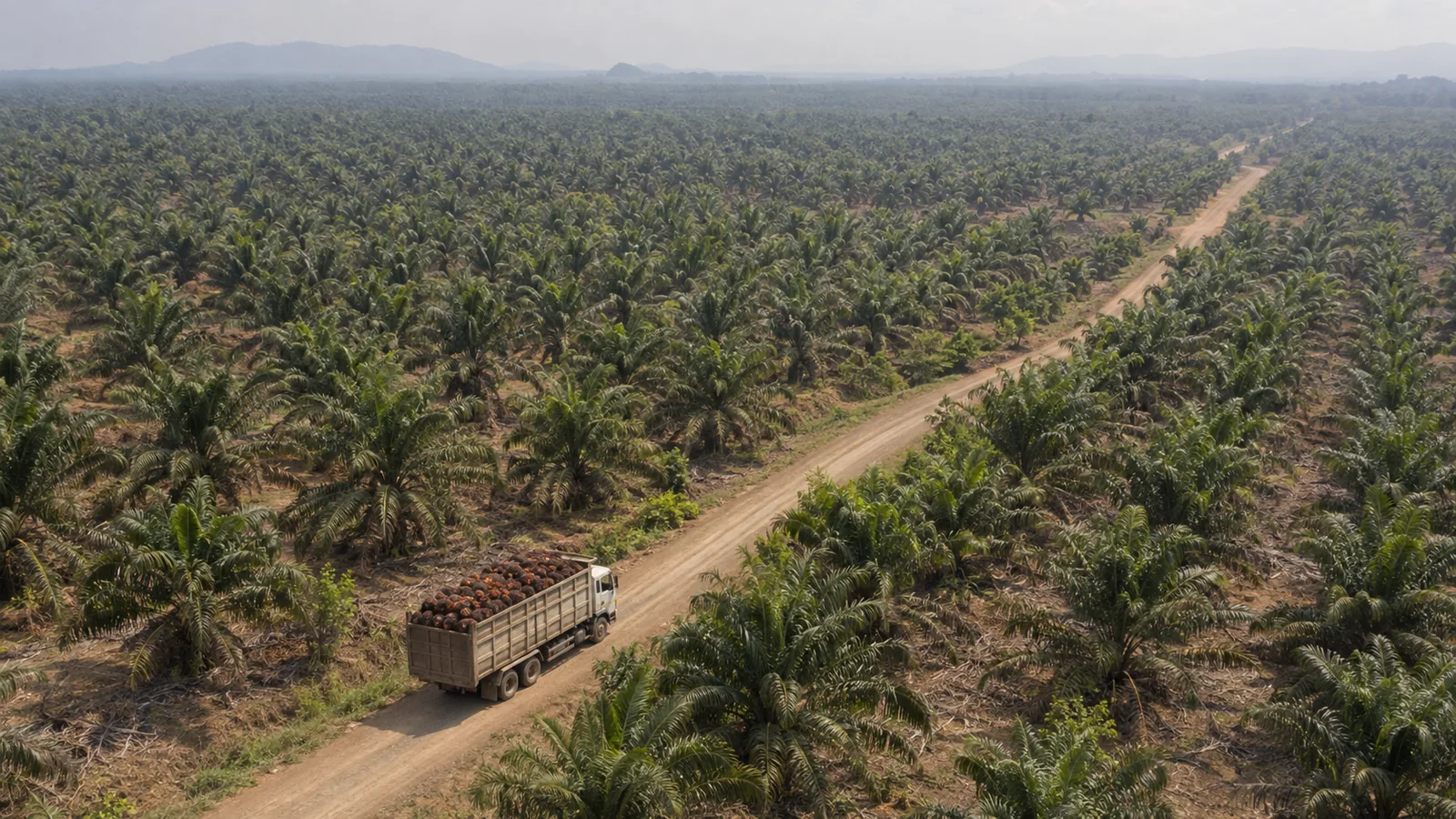
El Niño, B50 and USDA Forecasts: 2027 Palm Oil Supply Set to Steer CPO Prices
The Edge Malaysia says El Niño's hit to palm oil output will be felt about a year later, while Indonesia's B50 absorbs 16.3–17 million tonnes of CPO a year.
Contents (4 sections)
Kuala Lumpur — CPO prices, still elevated compared with their level before the US–Iran conflict, now face two opposing forces: Indonesia's B50 mandate, which is absorbing supply, and El Niño, which is expected to cut production in 2027. An analysis by The Edge Malaysia, republished on 6 October 2026, sets out the key numbers.
Prices and competing vegetable oils
According to The Edge, the benchmark CPO futures contract stands 19.5% above its level before the US–Iran conflict began, while Brent crude was trading at around US$104 per barrel when the analysis was written. Soybean oil was said to be around US$300 per tonne more expensive than palm oil. David Ng of IcebergX said a palm oil discount to soybean oil of around US$50–US$100 per tonne serves as a rough guide to when buyers start switching.
USDA projections for 2026/27
| Indicator | 2026/27 | Previous |
|---|---|---|
| Global palm oil production | 81.12 million tonnes | 81.44 million tonnes |
| Global palm oil exports | 45.26 million tonnes | 46.25 million tonnes |
| Indonesian production | 47.2 million tonnes | 46.7 million tonnes |
| Indonesian exports | 23.5 million tonnes | 23.8 million tonnes |
| Malaysian CPO production | 19.6 million tonnes | 20.2 million tonnes |
The Edge said palm oil is the only one of the four largest vegetable oils whose production is expected to shrink, while global vegetable oil production rises to 245.4 million tonnes from 239.8 million tonnes.
El Niño: an impact delayed by about a year
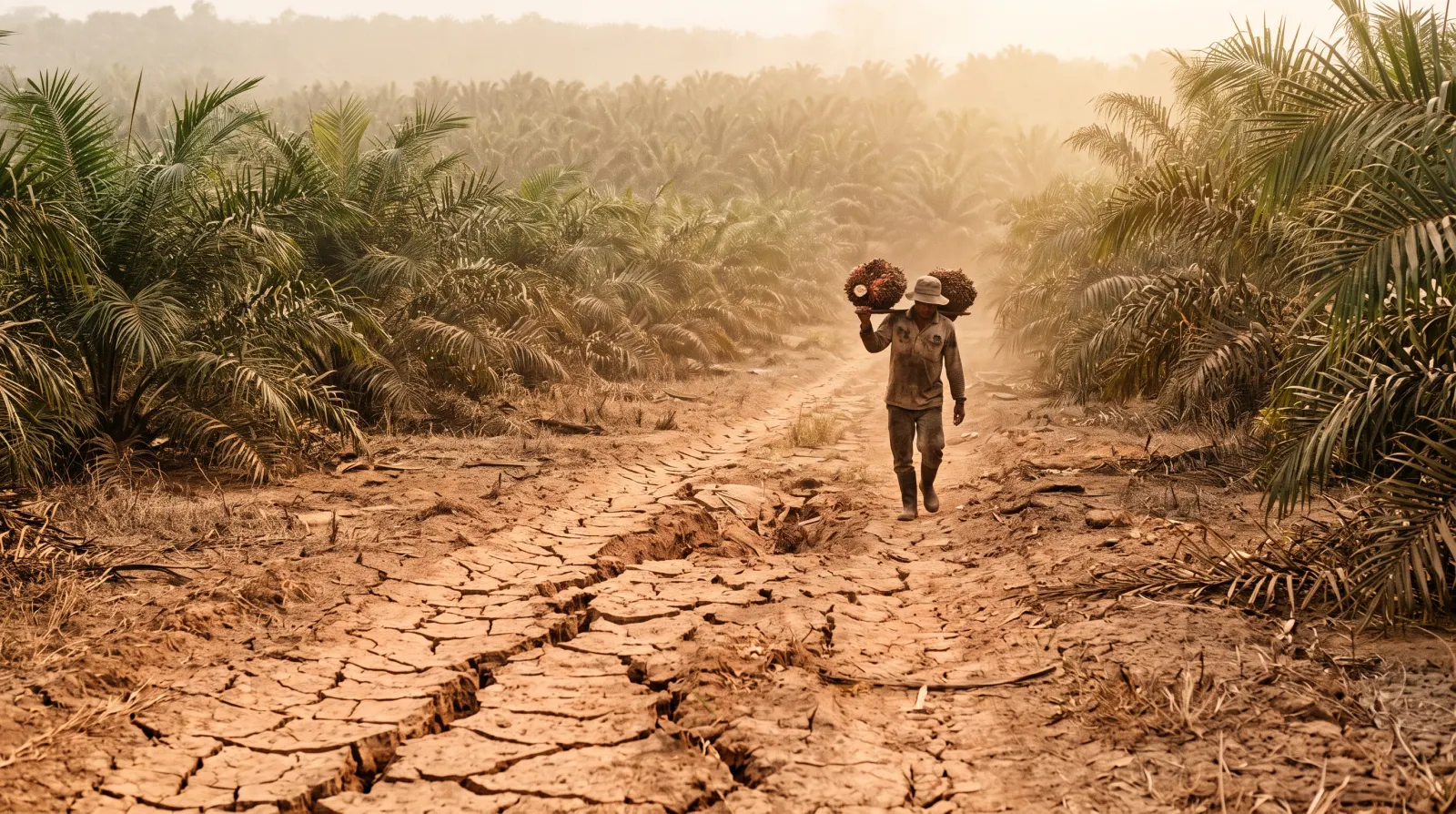
- The World Meteorological Organization (WMO) was cited as putting the likelihood that El Niño persists until February 2027 and strengthens at close to 100%; NOAA estimates the chance of a very strong event at above 90%.
- The rainy season in Indonesia is expected to arrive later than normal across around 61% of the country.
- Ng expects a lag of about a year or more before production is affected; the Malaysian Palm Oil Council puts it at 9–12 months.
- Reuters estimates cited by The Edge suggest Indonesian palm oil production could fall 2%–8% in 2027. Ng said a 1%–2% decline could still be absorbed, whereas a drop of around 5% or more would be significant.
For comparison, after the 2015 El Niño, Malaysian CPO production fell 13.2% in 2016 to 17.32 million tonnes, according to MPOB data cited in the article.
B50 feedstock requirements
Energy and Mineral Resources Minister Bahlil Lahadalia, as quoted by The Edge, estimated that B50 requires 16.3–17 million tonnes of CPO a year, up from 15.2 million tonnes under B40. Updates on distribution can be found in our report on B50 at all fuel stations. This analysis is not investment advice.
Sources & references
- The Edge Malaysia via Hellenic Shipping News, "Palm oil's 2027 squeeze: B50, El Niño and stocks expected to gain the most" (6 October 2026) — hellenicshippingnews.com