Indonesia Decides B50 Will Take Effect on 1 July 2026, Claims IDR 48 Trillion Subsidy Savings
Coordinating Minister Airlangga announced the B50 mandate from 1 July 2026 in response to oil price volatility, claiming IDR 48 trillion in subsidy savings and 4 million kL less fossil fuel.
Contents (3 sections)
Jakarta — The Indonesian government has decided that the 50% biodiesel mandate (B50) will take effect on 1 July 2026. Coordinating Minister for Economic Affairs Airlangga Hartarto announced the decision at a press conference on Tuesday, 31 March 2026, claiming subsidy savings of around IDR 48 trillion and a reduction in fossil fuel use of up to 4 million kL. The move reverses the government's position in January, when it said B40 would stay in place throughout 2026.
According to ANTARA, Airlangga announced the policy at a press conference on the government's response to global geopolitical conditions. He described B50 as part of efforts towards energy self-reliance and efficiency and said Pertamina was ready to carry out the blending. Bloomberg Technoz noted that B50 is one of eight points in a national work-culture transformation programme announced that day.
Triggered by oil price volatility
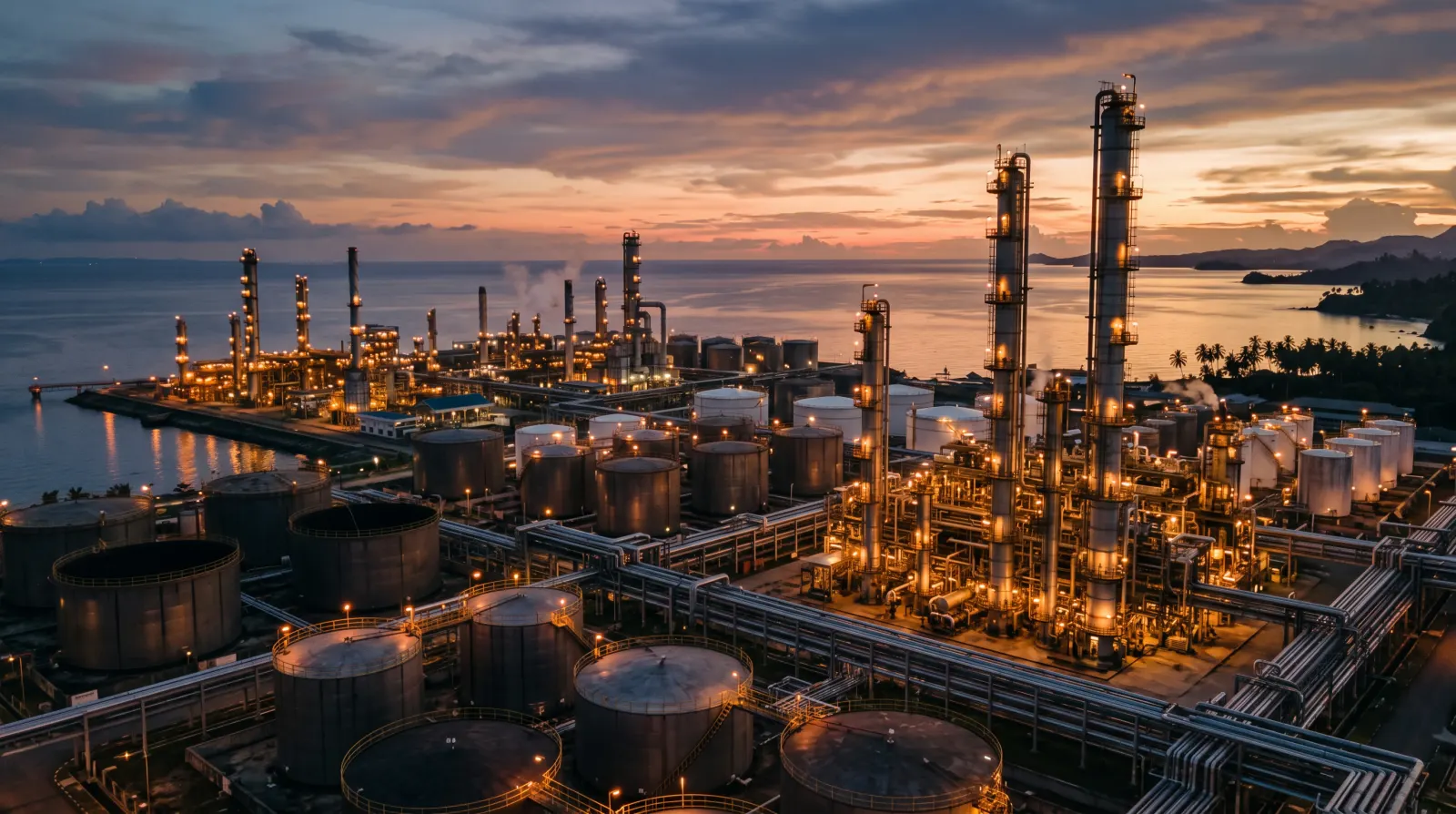
Bloomberg Technoz reported that the policy responds to volatile world oil prices caused by the war in the Middle East. ANTARA added that a day earlier, on Monday, 30 March 2026, President Prabowo Subianto set out the 50% blending target at an Indonesia–Japan business forum in Tokyo, saying it would put Indonesia in a safer position amid uncertain global energy supplies.
Energy and Mineral Resources Minister Bahlil Lahadalia, quoted by both outlets, said Indonesia would have a diesel surplus in 2026 with B50. According to ANTARA, Bahlil linked the surplus to the start of operations at the RDMP Balikpapan refinery in East Kalimantan.
The government's claimed figures
- Subsidy savings: around IDR 48 trillion. ANTARA describes this as an estimate over six months, while Bloomberg Technoz recorded Airlangga referring to "one year" and then "6 months", so the calculation period is not entirely clear.
- Reduction in fossil fuel use: around 4 million kL; ANTARA describes it as per year.
- Readiness: Pertamina is said to be ready to implement the B50 blend.
All of these figures are government projections, not realised results.
From "B40 stays" to B50 in 11 weeks
The decision comes shortly after the government said the opposite. On 13 January 2026, Airlangga said the President's directive for this year remained B40, while B50 had to be studied further, InfoSAWIT reported. At the time, he said the decision depended on the price gap between fuel oil and palm oil, while trials in the automotive sector continued.
The 2026 biodiesel allocation was also drawn up on a B40 basis. Through ESDM Ministerial Decree No. 439.K/EK.01/MEM.E/2025, the government set an allocation of 15.65 million kL, comprising 7.45 million kL PSO and 8.19 million kL non-PSO. The Ministry of Energy and Mineral Resources (ESDM) said at the time that the mandate could be adjusted if target volumes changed in line with needs and national strategic policy.
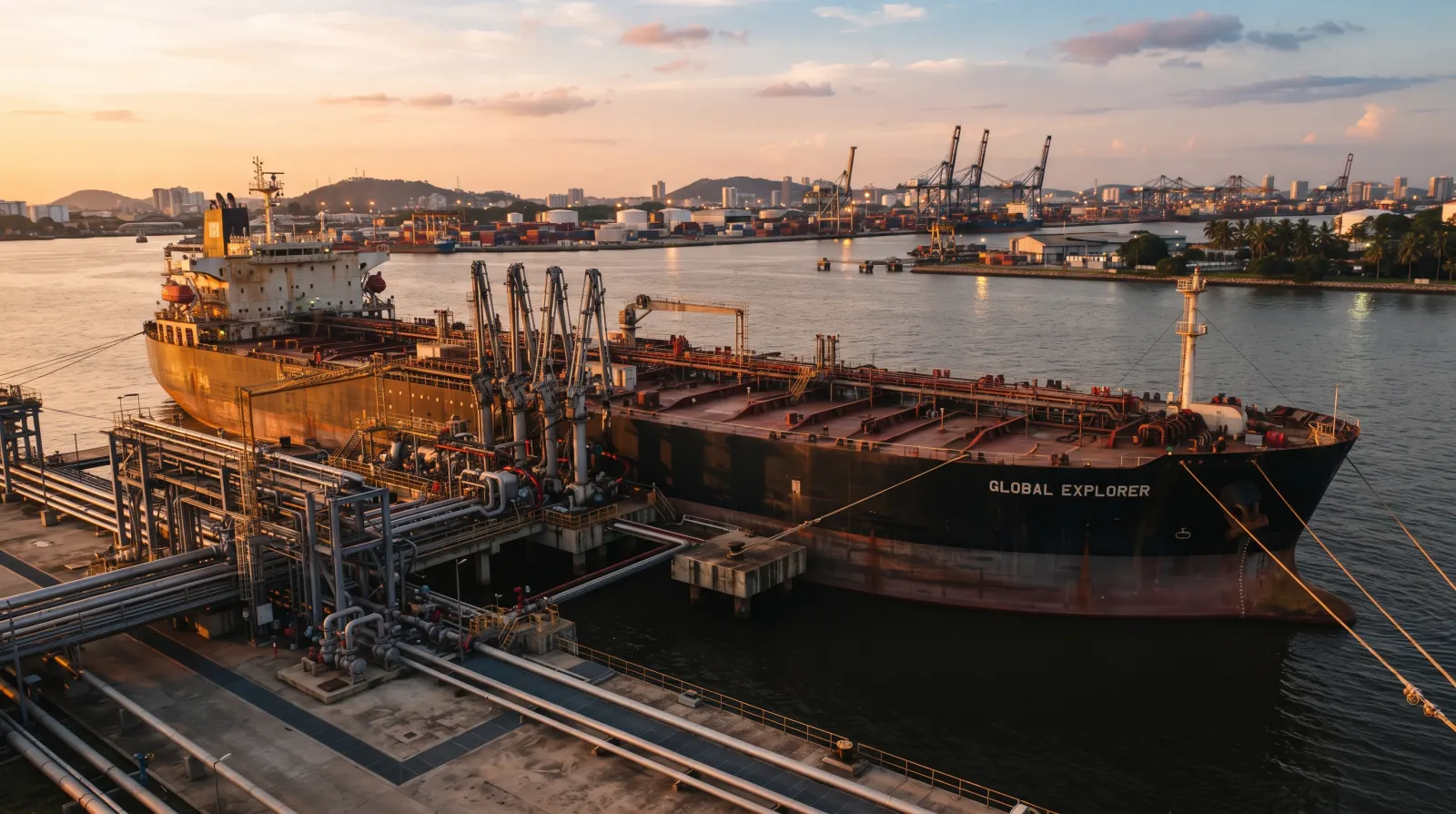
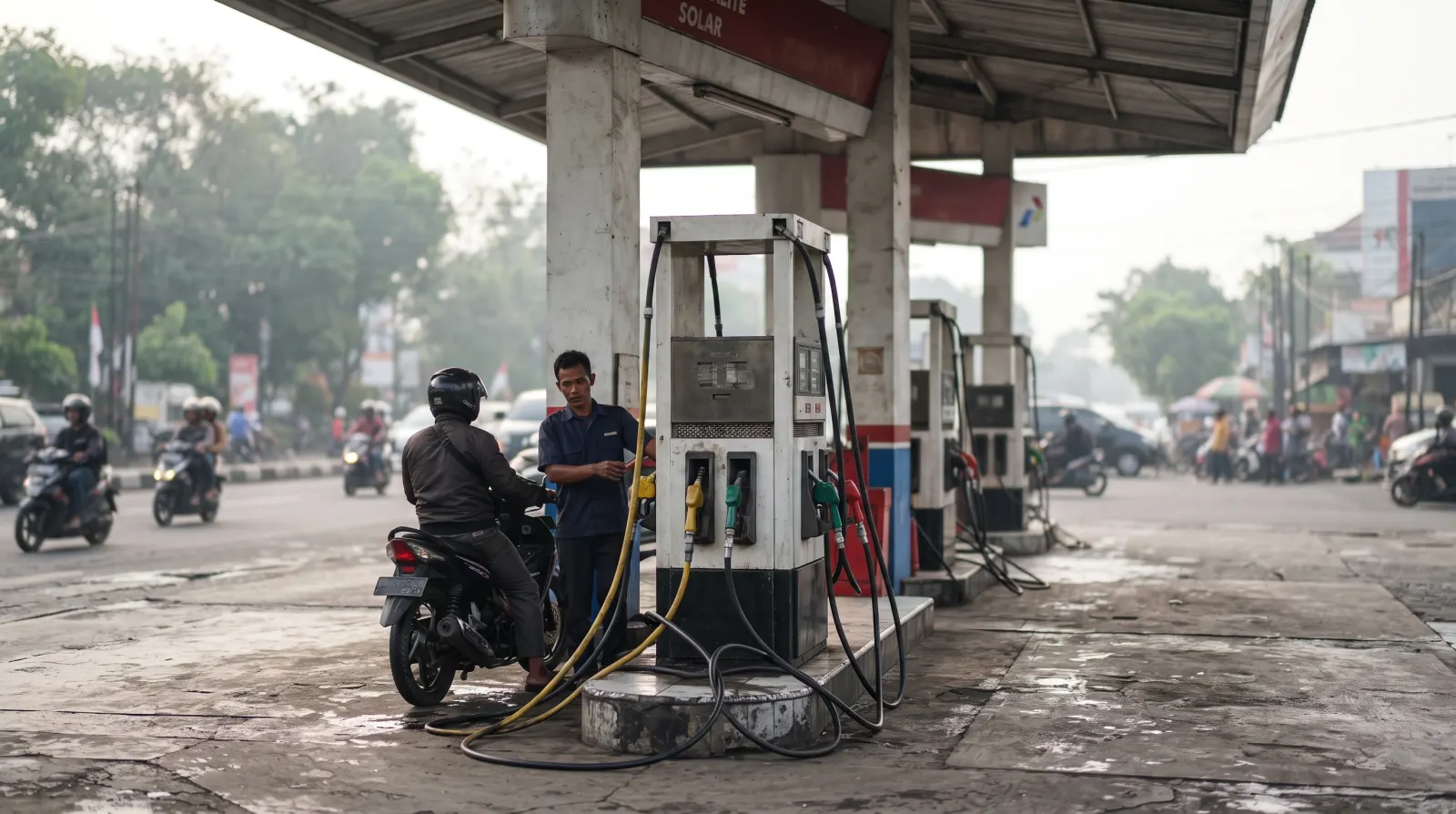
As a foundation, the government cited B40's track record. According to ANTARA, domestic biodiesel use in 2025 reached 14.2 million kL, or 105.2% of the 13.5 million kL target. The 2025 biodiesel policy is said to have saved IDR 130.21 trillion in foreign exchange, cut emissions by 38.88 million tonnes of CO2e and added IDR 20.43 trillion in CPO value, while Bahlil said B40 cut diesel imports by 3.3 million kL.
With a 1 July deadline, roughly three months of preparation remain, and the implementing regulation for B50 had not yet been issued at the time of the announcement. The development of biodiesel policy can be followed on the biodiesel regulations page.
Sources & references
- ANTARA, "Indonesia wajibkan B50 mulai 1 Juli 2026, hemat subsidi Rp48 triliun" (31 March 2026) — https://www.antaranews.com/berita/5503369/indonesia-wajibkan-b50-mulai-1-juli-2026-hemat-subsidi-rp48-triliun
- Bloomberg Technoz, "Mandatori Biodiesel B50 Berlaku 1 Juli 2026, Hemat Subsidi Rp48 T" (31 March 2026) — https://www.bloombergtechnoz.com/detail-news/104578/mandatori-biodiesel-b50-berlaku-1-juli-2026-hemat-subsidi-rp48-t
- InfoSAWIT, "Airlangga: Indonesia Will Keep B40 in 2026, B50 Still Under Study" (14 January 2026) — https://www.en.infosawit.com/news/17105/airlangga--indonesia-will-keep-b40-in-2026--b50-still-under-study
- Kementerian ESDM, "Pemerintah Tetapkan Alokasi Biodiesel Tahun 2026 sebesar 15,65 juta kL" (23 December 2025) — https://www.esdm.go.id/id/media-center/arsip-berita/pemerintah-tetapkan-alokasi-biodiesel-tahun-2026-sebesar-1565-juta-kl