Indonesia Expanded B20 to Non-PSO Sectors in September 2018
Indonesia expanded its B20 mandate to non-PSO users, bringing mining, plantations, commercial transport and power generation into the programme.
Contents (3 sections)
Jakarta — Indonesia broadened its mandatory 20% biodiesel blend, known as B20, on 1 September 2018 to include non-public service obligation, or non-PSO, users. The expansion brought sectors such as mining, plantations, commercial transport and power generation more fully into the national biodiesel programme.
The Ministry of Energy and Mineral Resources (ESDM) described the measure as an extension of the mandate already applied to public service obligation fuel. B20 consists of 20% biodiesel blended with petroleum diesel, allowing part of the country's diesel demand to be met with domestically produced renewable fuel.
Extending B20 beyond subsidised diesel
Before the implementation date, the ESDM Ministry said the obligation would no longer be confined to PSO diesel. It would also cover non-PSO users, including diesel consumed by heavy equipment and commercial operations. The change made 1 September 2018 a significant point in the development of Indonesia's biodiesel mandate.
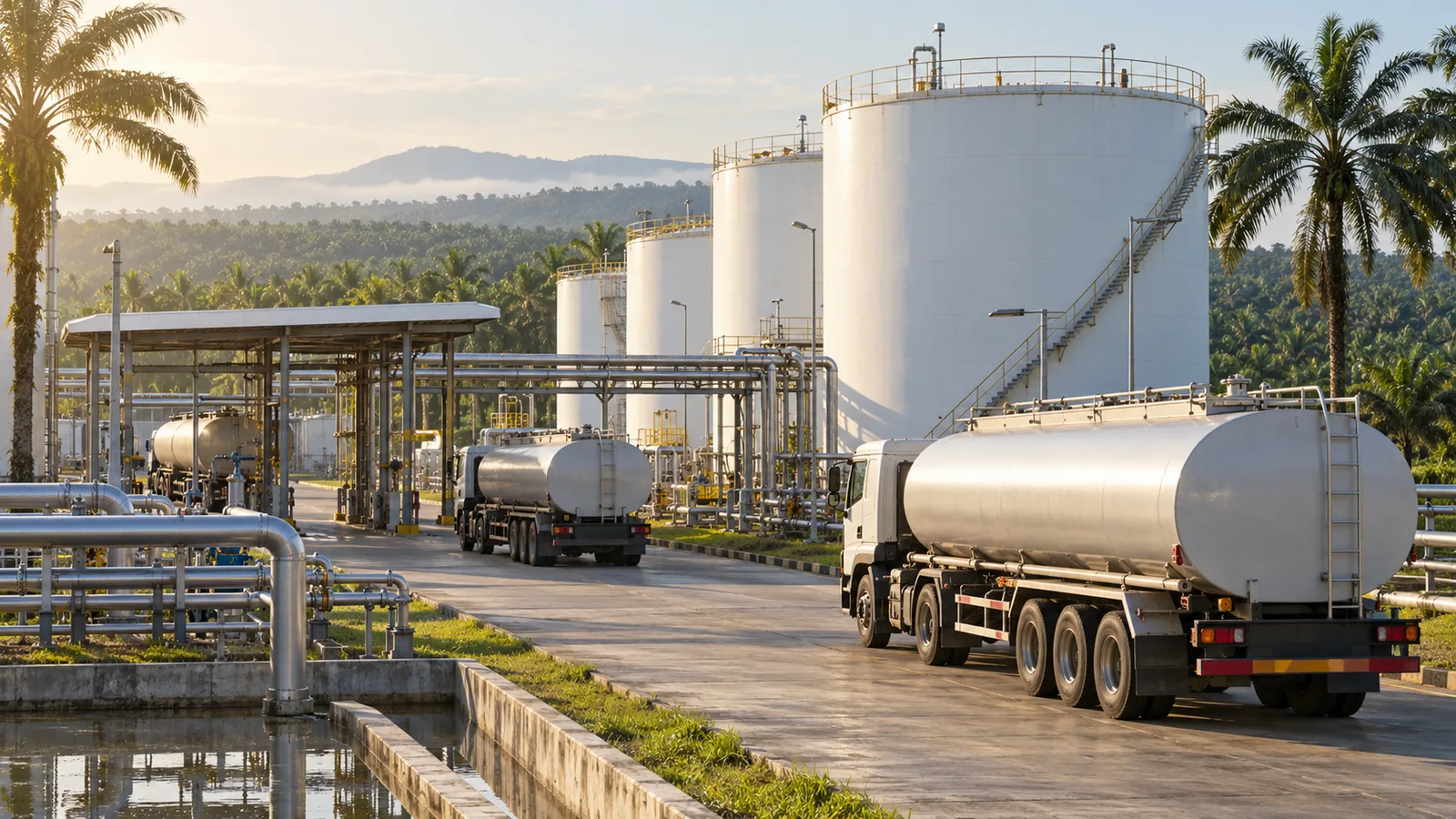
The programme required fuel suppliers to procure, blend and distribute biodiesel with conventional diesel. Both petroleum fuel companies and biofuel producers had roles in the supply chain, from delivering the biodiesel component to making the finished blend available to users across the country.
The government linked the broader mandate to efforts to reduce fuel imports and conserve foreign exchange. Higher domestic biodiesel consumption was also expected to absorb more palm oil as an energy feedstock. Those aims reflected concern over Indonesia's trade balance and its dependence on imported petroleum diesel.
Large potential demand, complex distribution
In its official explanation, the ESDM Ministry estimated Indonesia's diesel requirement in 2018 at about 30 million kilolitres. A 20% blend implied theoretical biodiesel demand of roughly six million kilolitres if the blend reached all diesel consumption. Actual use, however, depended on supply availability, transport, blending facilities and compliance by fuel companies.
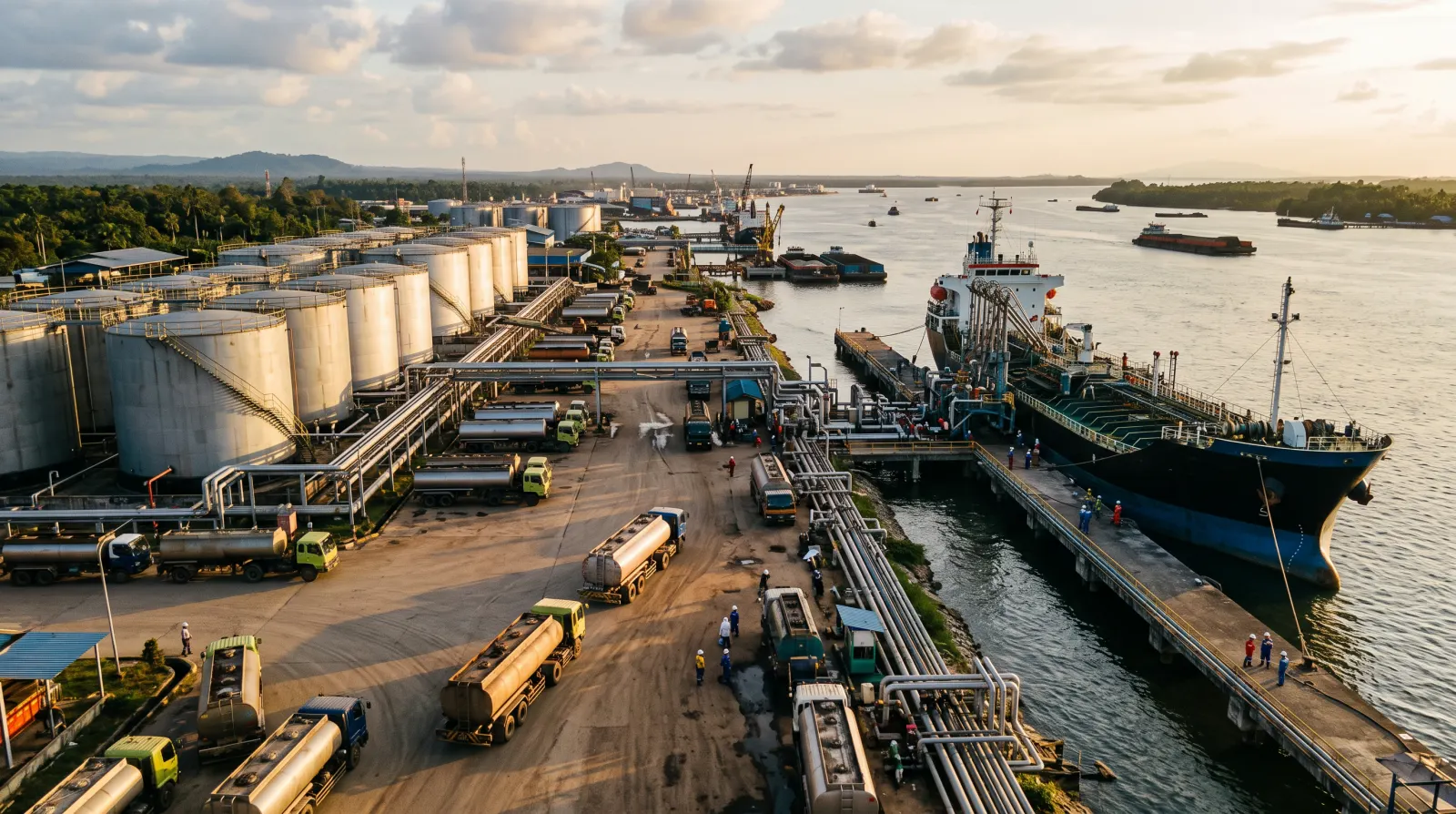
Distribution to non-PSO users created a wider operational challenge than supplying subsidised diesel alone. Consumers were spread across mines, plantations, ports and power plants. Reliable biodiesel deliveries and the readiness of blending terminals were therefore important to keep the fuel available and within the required quality specifications.
The ESDM Ministry also referred to penalties for companies that failed to carry out the obligation. This underlined that the expansion was a binding mandate rather than a voluntary request to use renewable fuel.
A platform for the national mandate
On the day the policy began, its longer-term results could not yet be measured. Even so, extending B20 to non-PSO consumption substantially increased the programme's reach and gave the government a larger operational test of national biodiesel supply. Blending infrastructure, quality control, allocations and coordination between companies became more important.
For the palm oil industry, the mandate opened a larger domestic market. For the energy sector, it provided a way to replace a portion of fossil diesel with locally produced biodiesel. These two objectives explain why the government presented the non-PSO expansion as a strategic energy and economic measure, rather than merely a change in fuel specification.
Background information on blend terminology and the policy framework is available on the glossary and biodiesel regulations pages.
Sources & references
- Ministry of Energy and Mineral Resources, "Besok, Mandatori B20 Resmi Dilaksanakan" (31 August 2018) — https://www.esdm.go.id/id/media-center/arsip-berita/besok-mandatori-b20-resmi-dilaksanakan
- Ministry of Energy and Mineral Resources, "1 September 2018, Pemerintah Berlakukan Mandatori B20" (1 September 2018) — https://www.esdm.go.id/id/media-center/arsip-berita/1-september-2018-pemerintah-berlakukan-mandatori-b20