Agrinas Targets Up to 20% of Indonesia’s Biodiesel Demand from Palm Estates and Riau Plant
Agrinas Palma estimates that 400,000 hectares of palm estates could produce 1.4 million kilolitres of biodiesel. Together with its Riau plant, potential supply approaches 2 million kilolitres.
Contents (3 sections)
Jakarta — State-owned PT Agrinas Palma Nusantara is targeting a contribution of up to 20% of Indonesia’s biodiesel demand if the full potential of its palm oil estates and processing facilities can be developed.
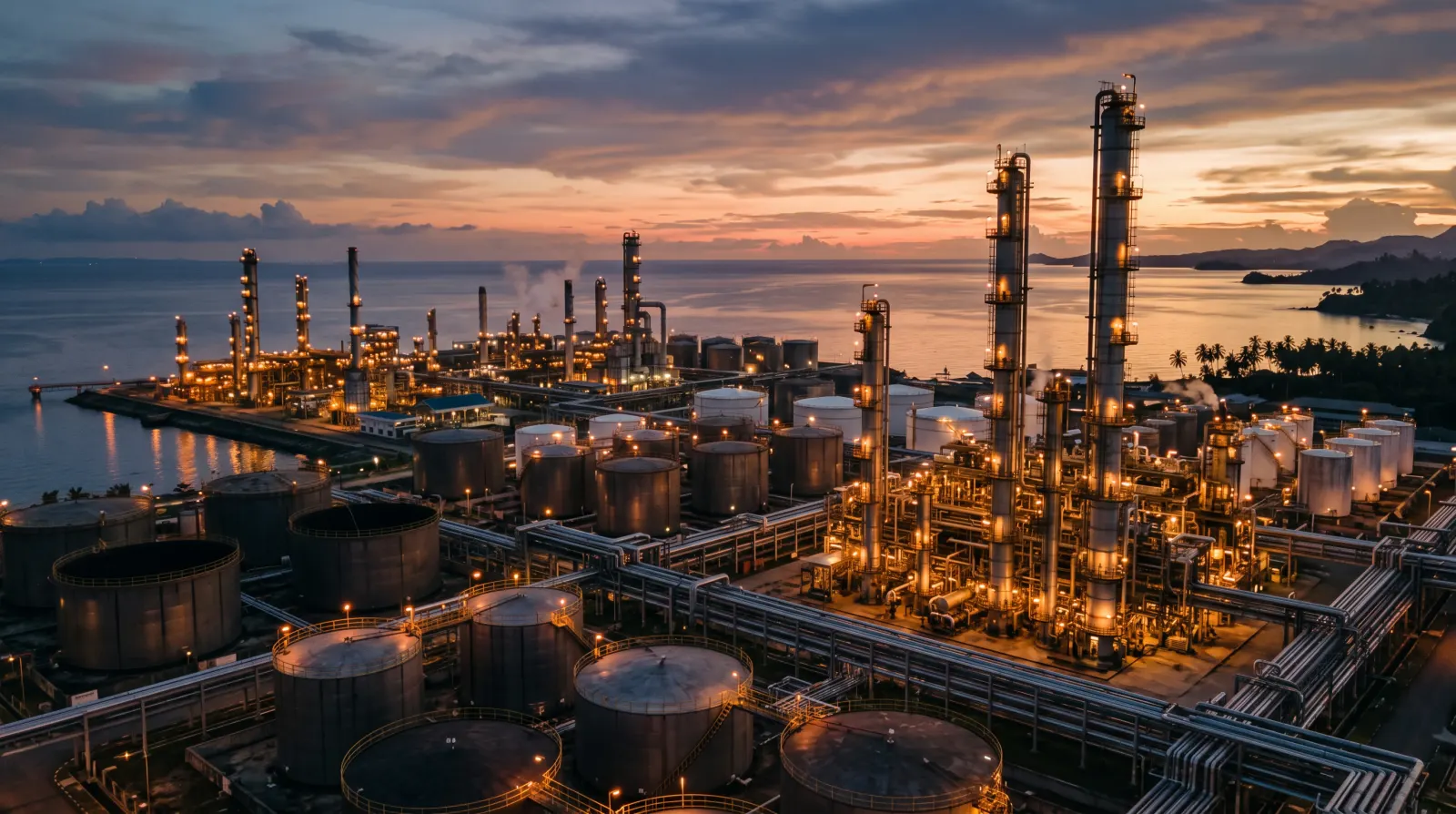
President Director Mohammad Abdul Ghani said an initial calculation covering about 400,000 hectares of palm estates indicates potential biodiesel output of around 1.4 million kilolitres. The company also has a biodiesel plant in Riau with capacity of 600,000 kilolitres.
Potential supply approaches 2 million kilolitres
Combining the estate potential and plant capacity would bring Agrinas’ estimated supply to nearly 2 million kilolitres. Based on current national demand, the additional output would be equivalent to roughly 11–12%.
The contribution could rise to around 20% if all palm oil assets managed by the company are developed and utilised. The target remains a development estimate, meaning delivery will depend on estate productivity, facility readiness, investment and operating schedules.
From plantations to energy security
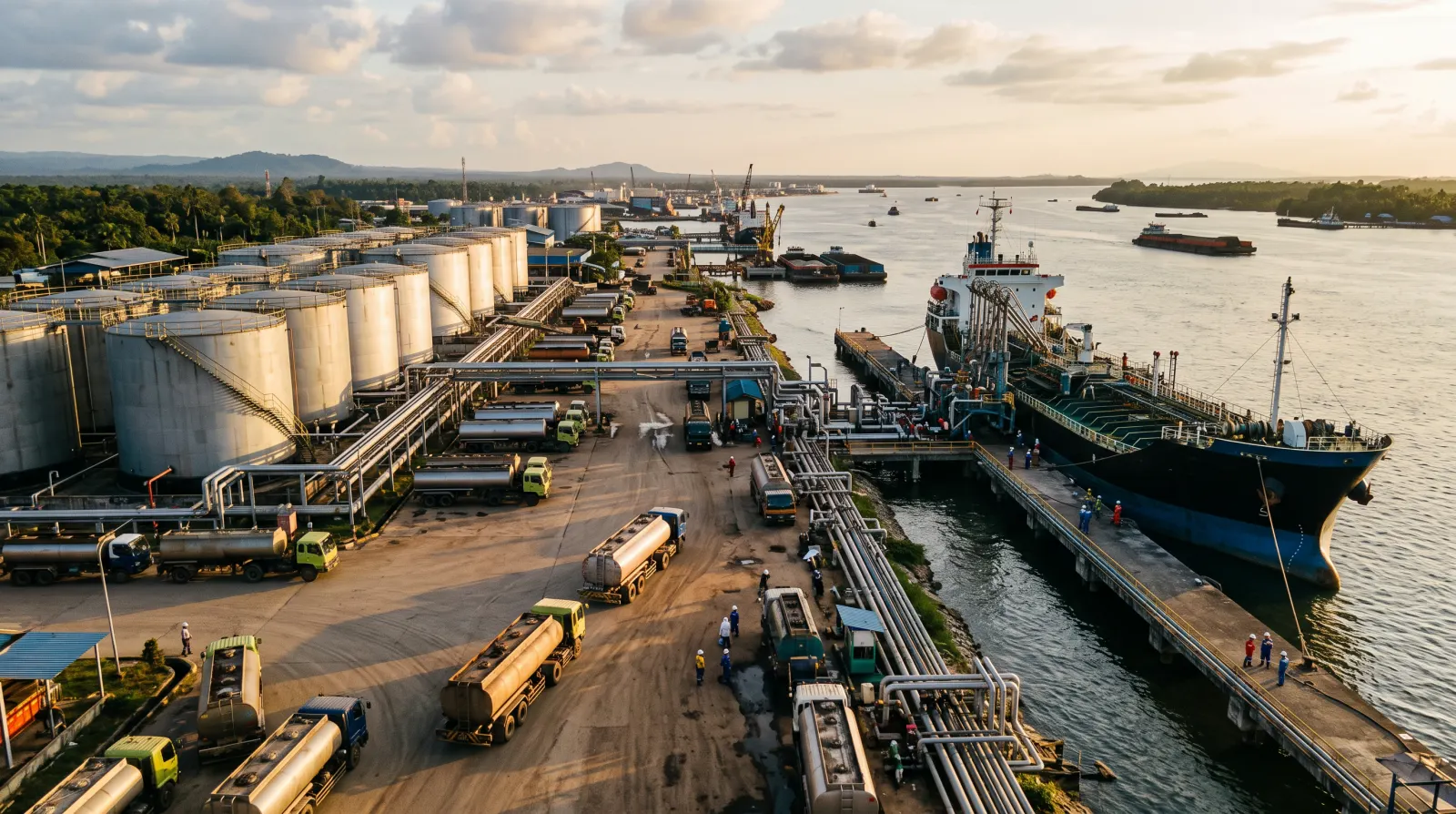
The plan shows Agrinas moving beyond estate management toward palm oil downstreaming for energy. Biodiesel production provides an additional value chain for palm feedstock while potentially supporting Indonesia’s mandatory blending programme.
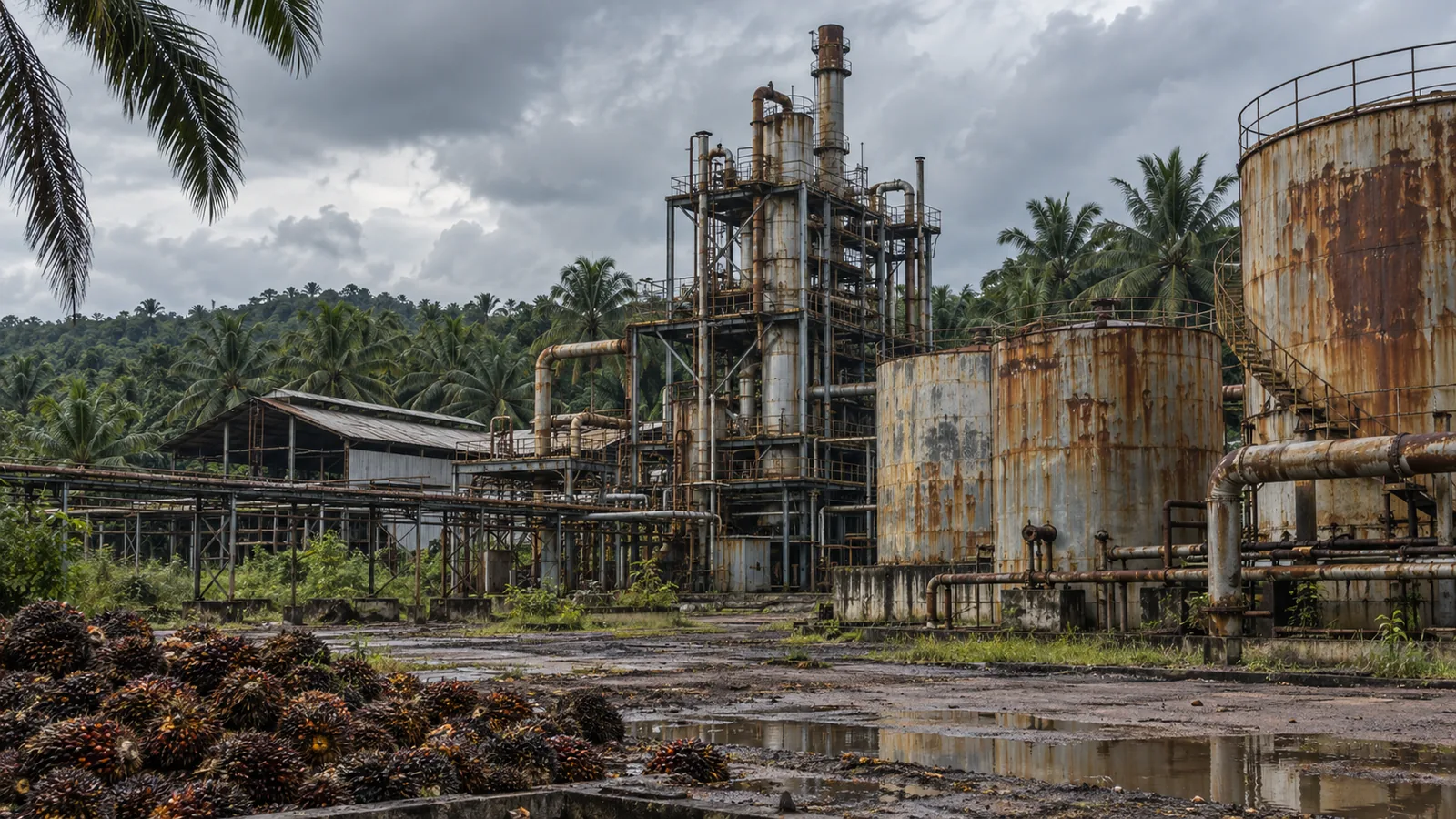
The company’s Rengat plant in Riau is already included in a reactivation plan. The facility, with annual capacity of 600,000 tonnes, is targeted to resume production by the end of 2027 at the latest. More details are available in our report on Agrinas Palma’s Rengat biodiesel plant restart.
Execution will determine actual output
The 20% figure does not represent biodiesel that is already available. It is an estimate of the potential contribution if the estates, plant capacity and supply chain operate as planned. Progress on the plant restart, estate productivity and investment certainty will therefore determine actual supply.
If realised, the scale could make Agrinas an important supplier in Indonesia’s biodiesel ecosystem and strengthen the link between state plantation assets and energy security.
Sources & references
- Investor Daily, “Agrinas Incar 20% Pasar Biodiesel Indonesia” (9 October 2026) — investor.id