GAPKI Calls for Smallholder Replanting to Secure 2027 Biodiesel Feedstock
GAPKI forecasts 17.4 million tonnes of palm oil needed for biodiesel in 2027 and urges replanting that protects smallholder incomes.
Contents (3 sections)
Jakarta — The Indonesian Palm Oil Association (GAPKI) urged faster smallholder replanting on 18 November 2026 to safeguard feedstock for biodiesel. Chairman Eddy Martono estimates palm oil demand for biodiesel will rise from around 13.7 million tonnes to 17.4 million tonnes in 2027, while El Niño could reduce palm output by about 3 million tonnes. These are industry forecasts, not measured results or a government allocation.
Rising biodiesel demand meets a supply risk
Speaking at a PWI–GAPKI journalism workshop in Surabaya, Eddy said domestic consumption could not be sacrificed if supplies tighten. ANTARA reported his call to lift yields on existing plantations to help balance domestic use against other markets. GAPKI's own publication on the same day repeats the 17.4-million-tonne biodiesel feedstock estimate and the potential 3-million-tonne output loss.
The palm oil requirement is not the same measure as finished biodiesel volume in kilolitres: the units and stages of production differ. Nor does a forecast increase in feedstock demand establish that output will fall or that exports must decline. Actual harvests, demand and policy decisions still matter.
GAPKI says exports may have to adjust if domestic consumption exceeds available supply. That is an industry's assessment of a scenario for 2027, not a new export restriction. Media Biodiesel has previously covered GAPKI's export outlook; the new emphasis from the Surabaya workshop is on replanting and smallholder livelihoods.
Replanting takes time, and farmers need income
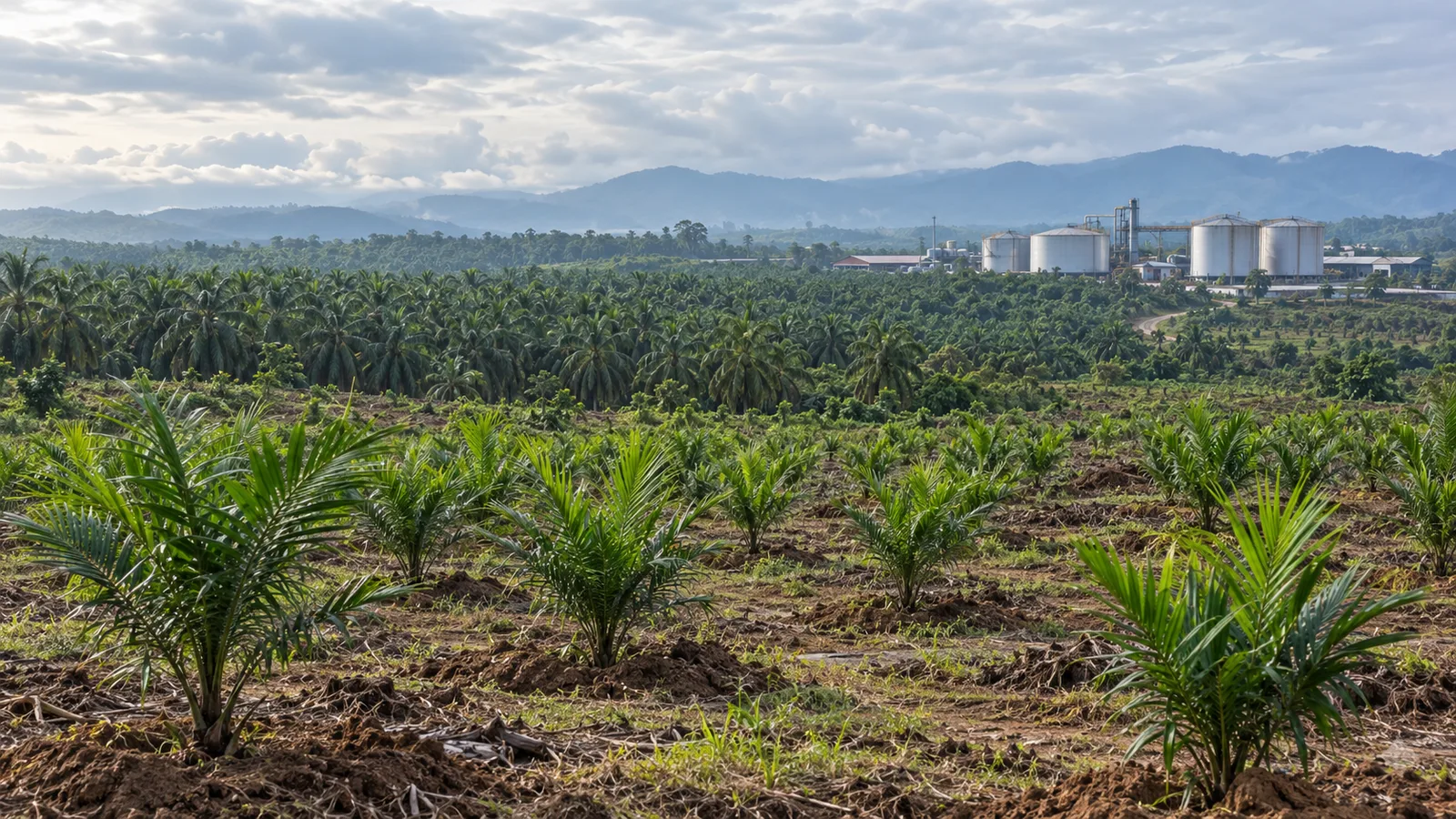
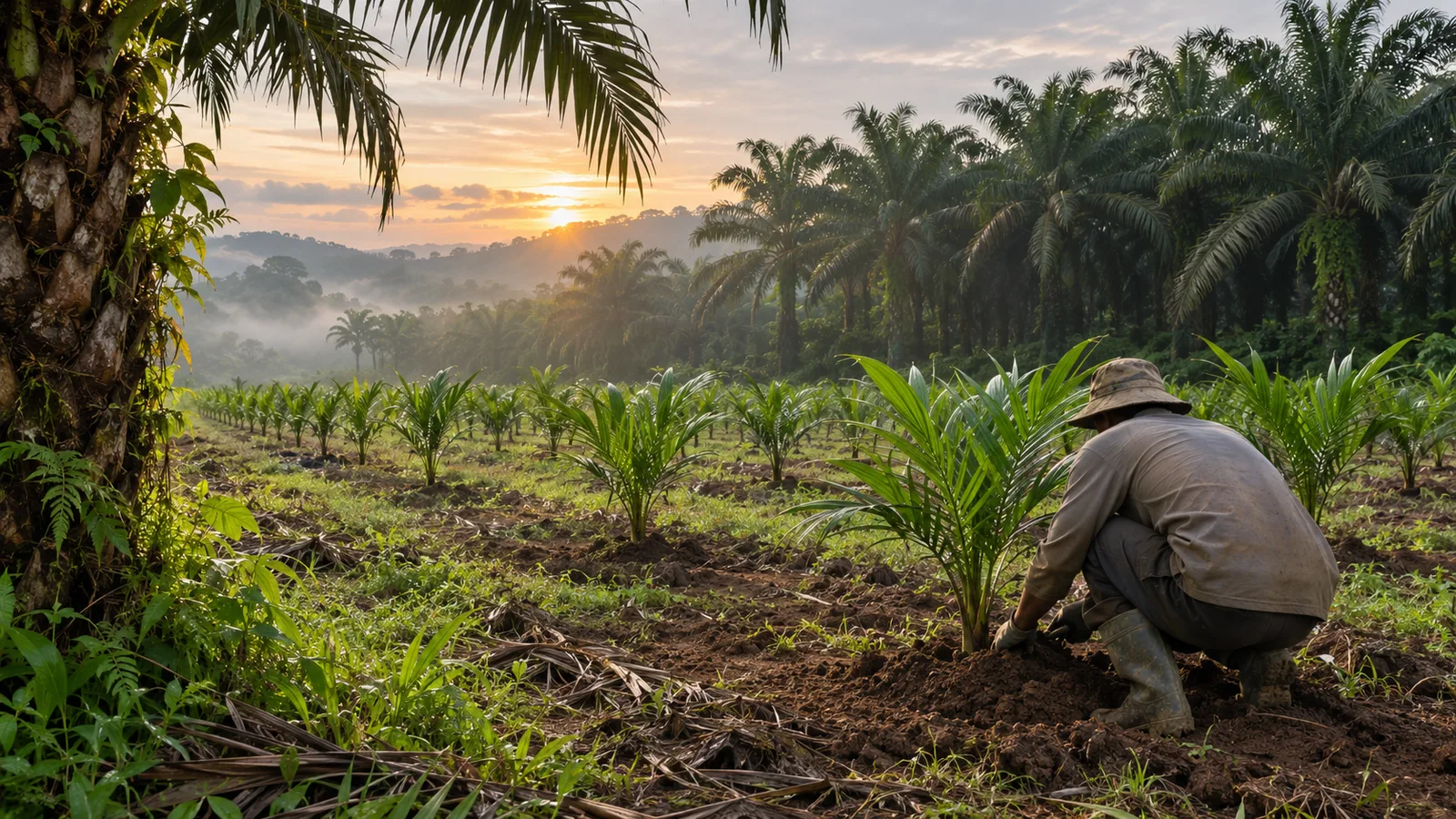
Eddy told ANTARA that smallholder plantations which have not been replanted yield about 10 tonnes per hectare per year on average, while replanted plantations can produce 20–22 tonnes. These are GAPKI comparisons, not a promise that each replanted farm will reach those yields. GAPKI is also working with the Indonesian Oil Palm Research Institute (PPKS) on pollinating insects and drought-resistant planting material, according to ANTARA.
Removing old palms temporarily removes a farmer's harvest. Eddy called for support during the transition: ANTARA says newly planted palms take roughly two to three years to produce economically. A household reliant on current harvest income may therefore struggle to replant even if its longer-term productivity would improve.
GAPKI also points to overlapping land designations and uncertain land status as obstacles to accessing replanting programmes and funding from the Plantation Fund Management Agency (BPDP). It views land-administration certainty as important alongside new seedlings. Its publication did not announce a new government financing decision, additional replanting target or new eligibility rule.
What the figures mean for B50 supply
The connection to biodiesel is direct: palm oil feeds Indonesia's B50 programme, and plantation yields affect the available supply for energy, food and exports. Replanting may improve yields once new palms mature, but it temporarily reduces harvests in the meantime. GAPKI's forecast should therefore not be read as evidence that accelerating replanting now could cover all additional feedstock needs next year.
The 2027 blending arrangements are still under review. Directorate General of New, Renewable Energy and Energy Conservation (EBTKE) chief Eniya Listiani Dewi told DW Indonesia on 18 November that B50 remains the scenario, with further discussion to take place in the BPDP steering committee. Industry projections should be considered alongside any eventual official decision, not in place of it. Readers can follow the biodiesel mandate data and CPO prices separately from supply forecasts.
Sources & references
- ANTARA, "GAPKI dorong peremajaan sawit rakyat jaga pasokan minyak nasional" (18 November 2026) — https://www.antaranews.com/berita/5863319/gapki-dorong-peremajaan-sawit-rakyat-jaga-pasokan-minyak-nasional
- GAPKI, "Kebijakan Indonesia Tentukan Harga Minyak Sawit Dunia, Bursa Sawit Nasional Jadi PR Berikutnya" (18 November 2026) — https://gapki.id/news/2026/11/18/eddy-martono-kebijakan-indonesia-tentukan-harga-minyak-sawit-dunia-bursa-sawit-nasional/
- DW Indonesia, "B50 Digenjot, Siapa Menanggung Ongkosnya?" (18 November 2026) — https://www.dw.com/id/b50-tetap-digenjot-subsidi-hingga-hutan-jadi-taruhan/a-79955285
Stay on top of Indonesian biodiesel
The weekly newsletter: the week’s key news, prices and data in one email every Friday. Or follow our channels for daily prices.