Indonesia Maps Land for Palm Biodiesel and Ethanol Crops, but Sites Remain Unclear
Deputy Agriculture Minister Alim outlined a bioenergy land plan at ICExPO 2026. It is not a record of land already allocated or planted.
Contents (3 sections)
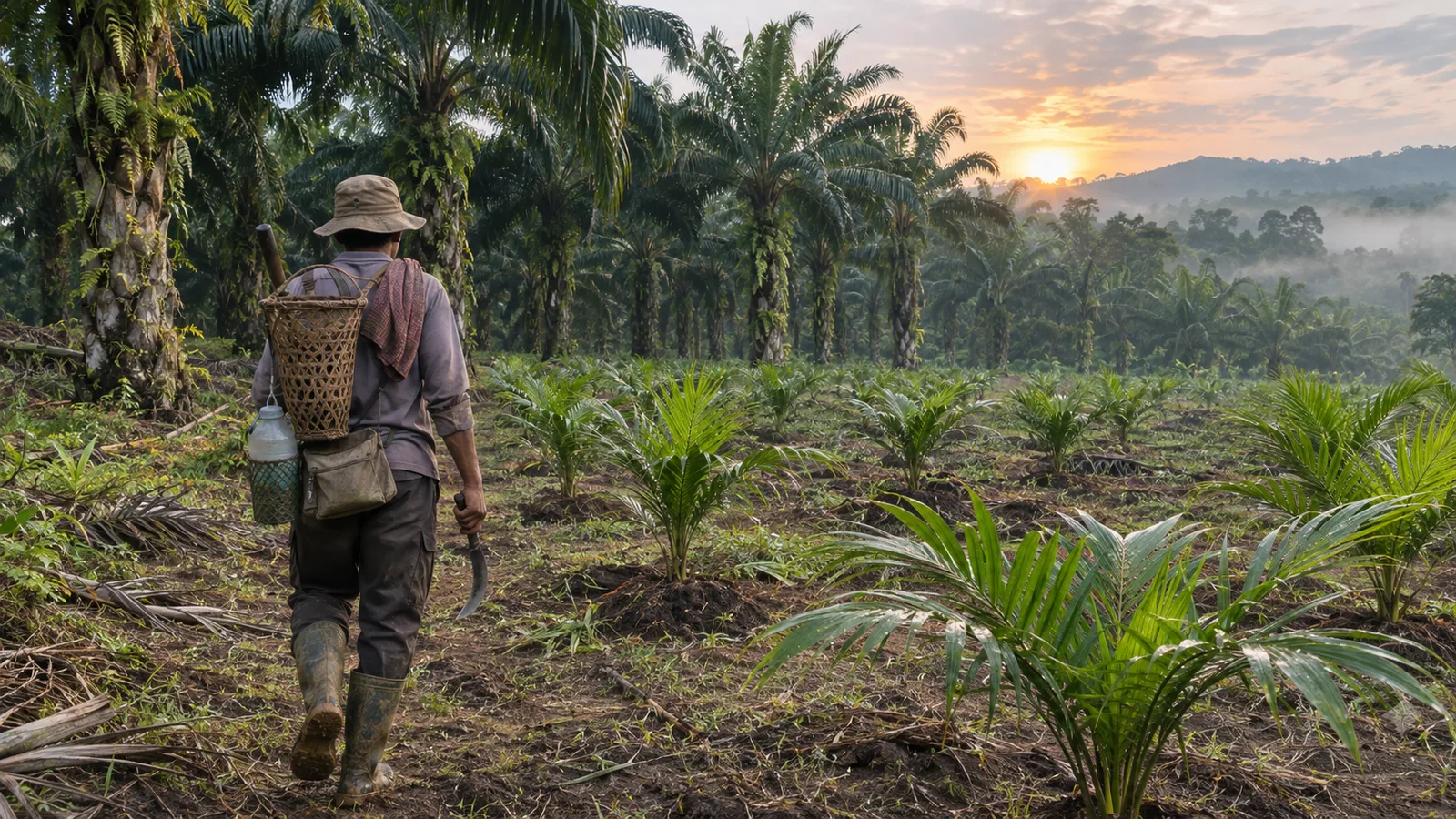
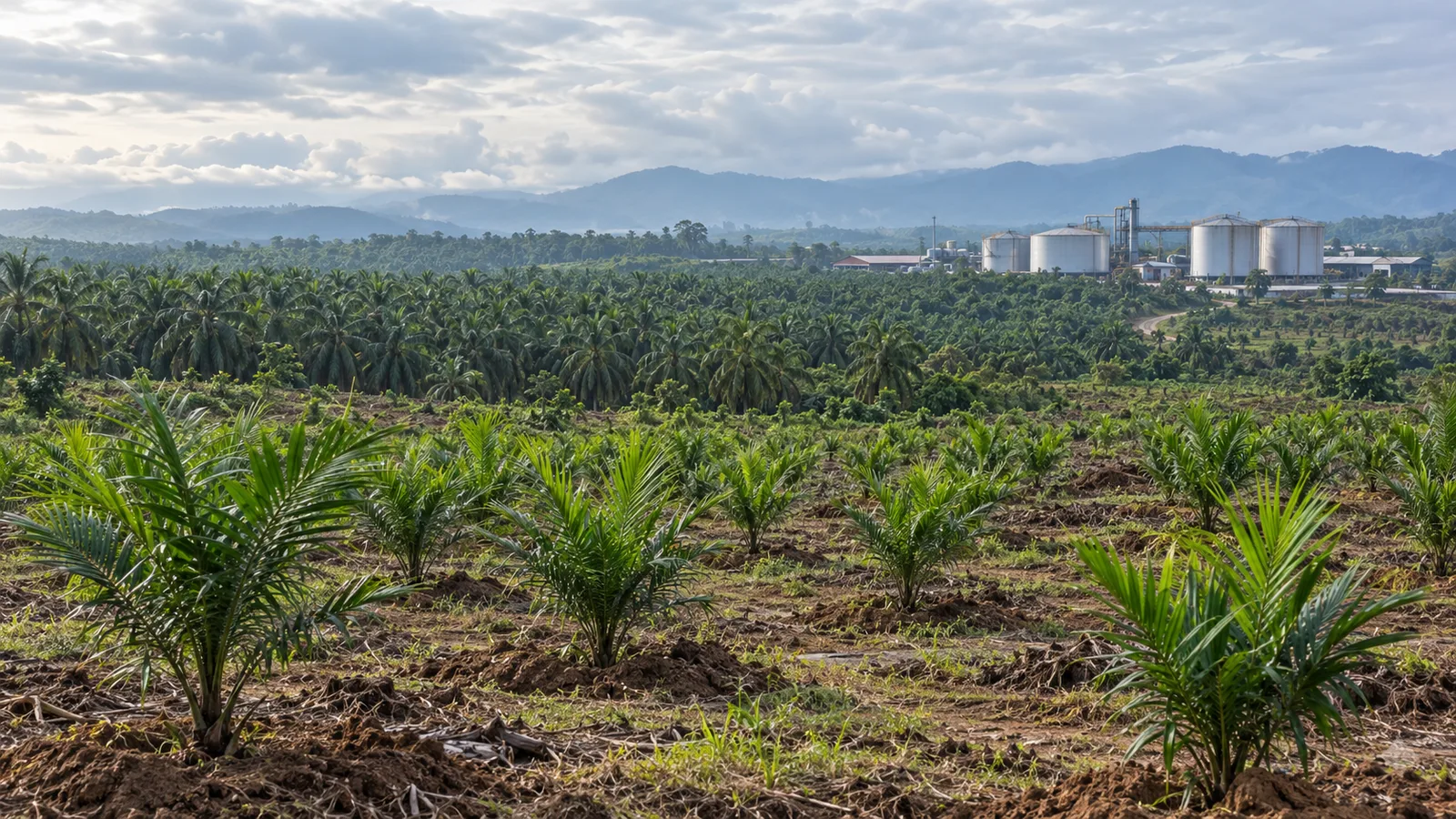
Jakarta — Deputy Agriculture Minister Alim Setiawan Slamet said on 4 November 2026 that Indonesia was mapping land designated for other uses (APL) and idle land under cultivation rights (HGU) for bioenergy feedstock crops. Speaking at ICExPO 2026, he outlined a proposed 2–5 million hectares for oil palm, 1 million hectares each for sugarcane and maize, and 520,000 hectares for cassava, according to Majalah Hortus. These are planning figures, not land already planted or permits to clear it.
Planning for biodiesel and ethanol feedstocks
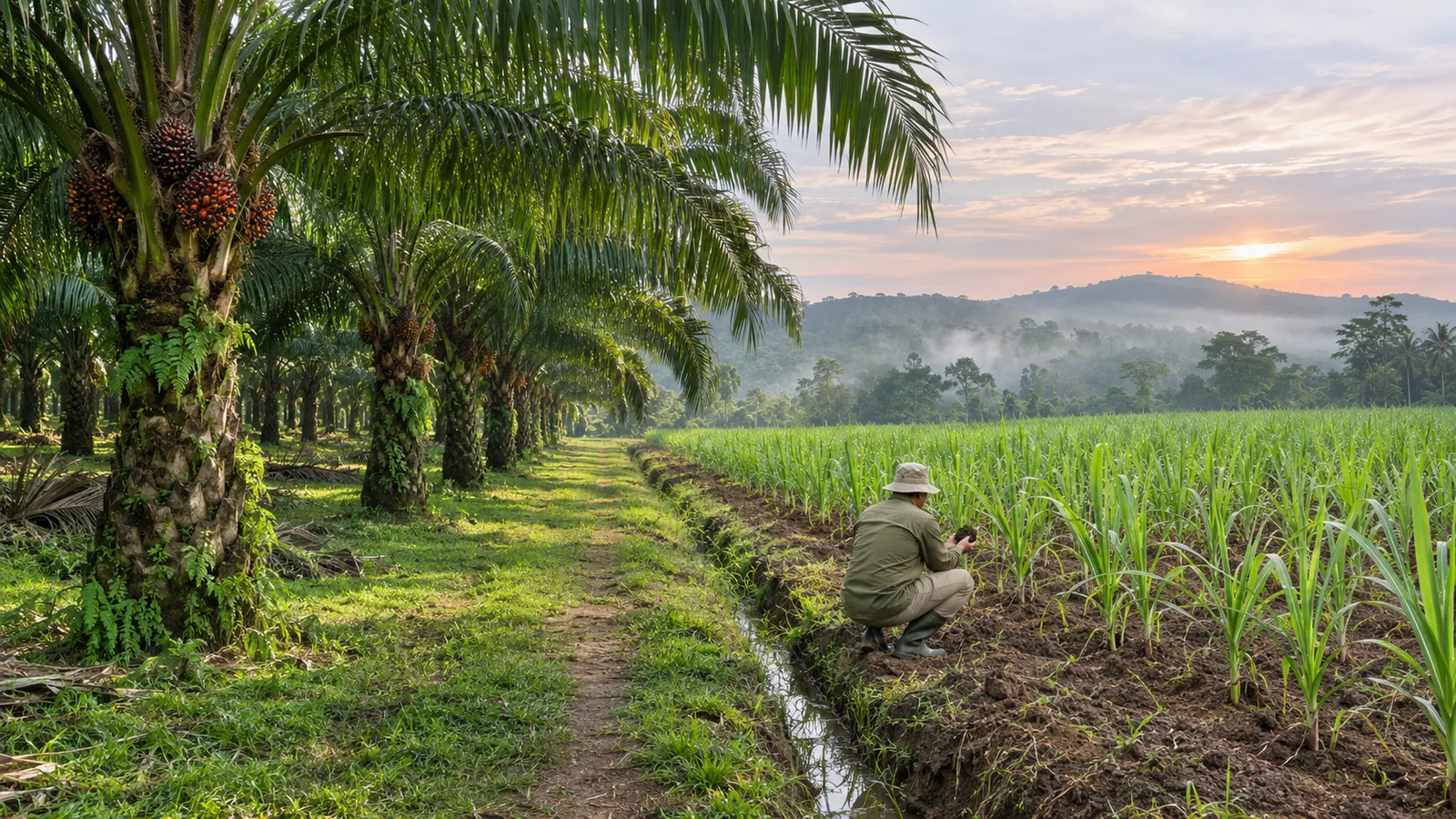
Alim linked the proposal to the palm-based B50 biodiesel mandate and plans for bioethanol. He identified sugarcane, cassava and maize as potential feedstocks, with sorghum and cashew also mentioned. Majalah Hortus reported that the proposed supply chain would connect crop cultivation to fuel processing. It did not identify the plots, establish the legal status of any particular HGU holding, or announce start dates for planting or processing plants.
Neither the APL designation nor a reference to idle HGU land makes every parcel immediately available for an energy crop. Site selection, land rights and permits require separate scrutiny. In a September statement on bioethanol, the Agriculture Ministry said identifying locations and securing clear legal title were priorities for the government. A national acreage estimate therefore should not be treated as a decision allocating specific land.
In that earlier statement, Agriculture Minister Andi Amran Sulaiman put the proposed requirement for three ethanol feedstocks — sugarcane, cassava and maize — at 1–2 million hectares. That estimate was made on a different occasion and has a different scope from Alim's November figures, which also include oil palm. Neither number measures ethanol already produced. The ministry described a phased target towards E20 in 2029; a target does not establish that sufficient ethanol is available today.
Yields are as important as acreage
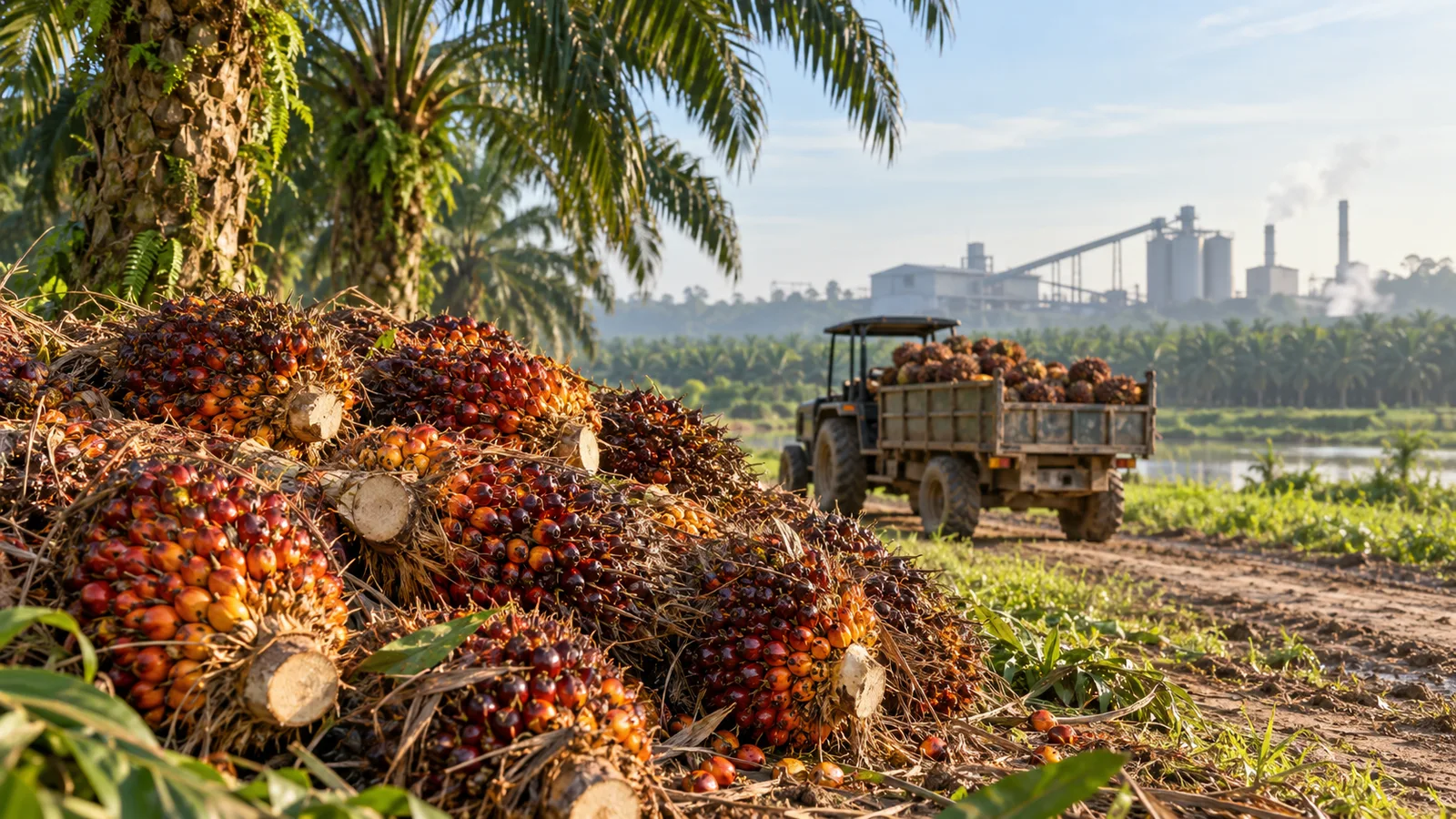
Alim also raised the issue of productivity. Majalah Hortus reported his statement that oil-palm yield had fallen from nearly 4 tonnes per hectare in 2019 to 3.6 tonnes in 2025. He put smallholder yields at 2–3 tonnes of crude palm oil (CPO) per hectare against a potential 4–6 tonnes. These are figures attributed to his remarks; the report did not provide a primary data series with which to assess their methodology.
He cited ageing trees, farm inputs and seed quality among the constraints, alongside land tenure, grower-industry partnerships, infrastructure and technology. Raising yields on existing estates and clarifying land rights are separate steps from adding acreage. The planned feedstock needs of B50 also have to be considered alongside food demand, exports and sustainability. The account of the speech did not provide a full supply balance to show that all the proposed area is necessary or sufficient.
Processing target remains an ambition
At the same event, ANTARA reported Alim's goal that more than 90% of plantation exports should eventually consist of processed products. He said 20–30% of exports currently comprise raw commodities. This goal covers plantation products broadly, rather than biodiesel or palm oil exports alone. ANTARA identified palm, cocoa and coconut as examples of crops with processing potential, but reported no deadline for the export target.
The distinction matters for readers assessing the announcement. Allocating land, improving existing farm yields, building processing capacity and securing buyers are different tasks. The remarks of 4 November indicate a policy direction, not approval of a particular biofuel project. CPO prices and the biodiesel market index price (HIP) are separate indicators; a market move cannot verify progress on land mapping. The next concrete evidence would be published project locations, land-rights status, a feedstock balance and specific financing and construction schedules.
Sources & references
- Majalah Hortus, "Wamentan Alim Beberkan Rencana Pemanfaatan Lahan APL dan HGU Terlantar untuk Bioenergi" (4 November 2026) — https://news.majalahhortus.com/wamentan-alim-beberkan-rencana-pemanfaatan-lahan-apl-dan-hgu-terlantar-untuk-bioenergi/
- ANTARA, "Wamentan Alim pacu nilai tambah sektor perkebunan lewat hilirisasi" (4 November 2026) — https://www.antaranews.com/berita/5831891/wamentan-alim-pacu-nilai-tambah-sektor-perkebunan-lewat-hilirisasi
- Ministry of Agriculture, "Dorong Ekonomi Rakyat, Mentan Amran Beberkan Skema Pembiayaan Pengembangan Bioetanol" (29 September 2026) — https://pertanian.go.id/news/view/8166
Stay on top of Indonesian biodiesel
The weekly newsletter: the week’s key news, prices and data in one email every Friday. Or follow our channels for daily prices.