PalmCo Says Partner Farms Supply 34% of FFB as Replanting Advances
PalmCo reports a higher share of partner-farm FFB and replanting recommendations in Regional III, while 2026 purchase figures remain targets.
Contents (3 sections)
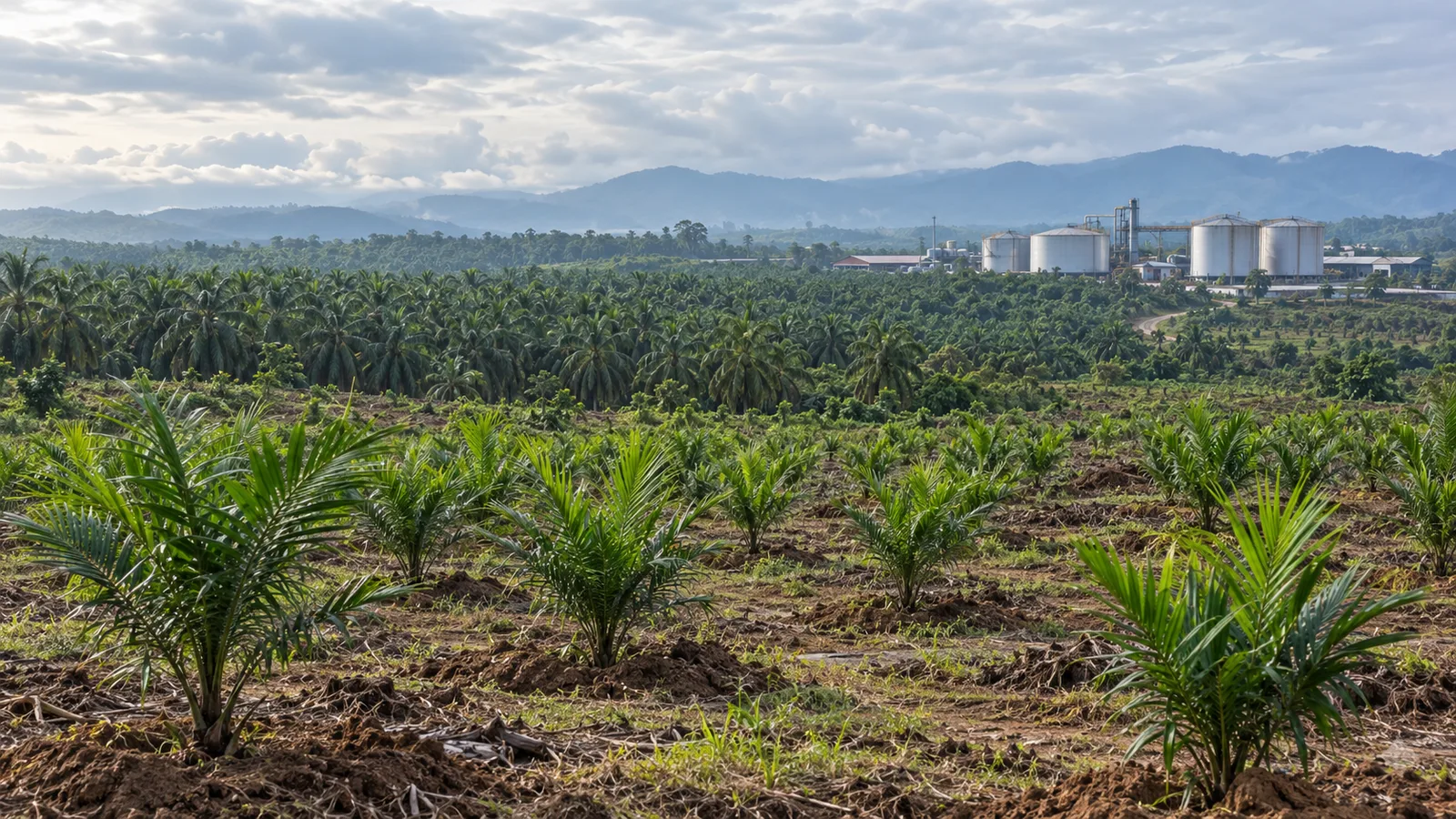
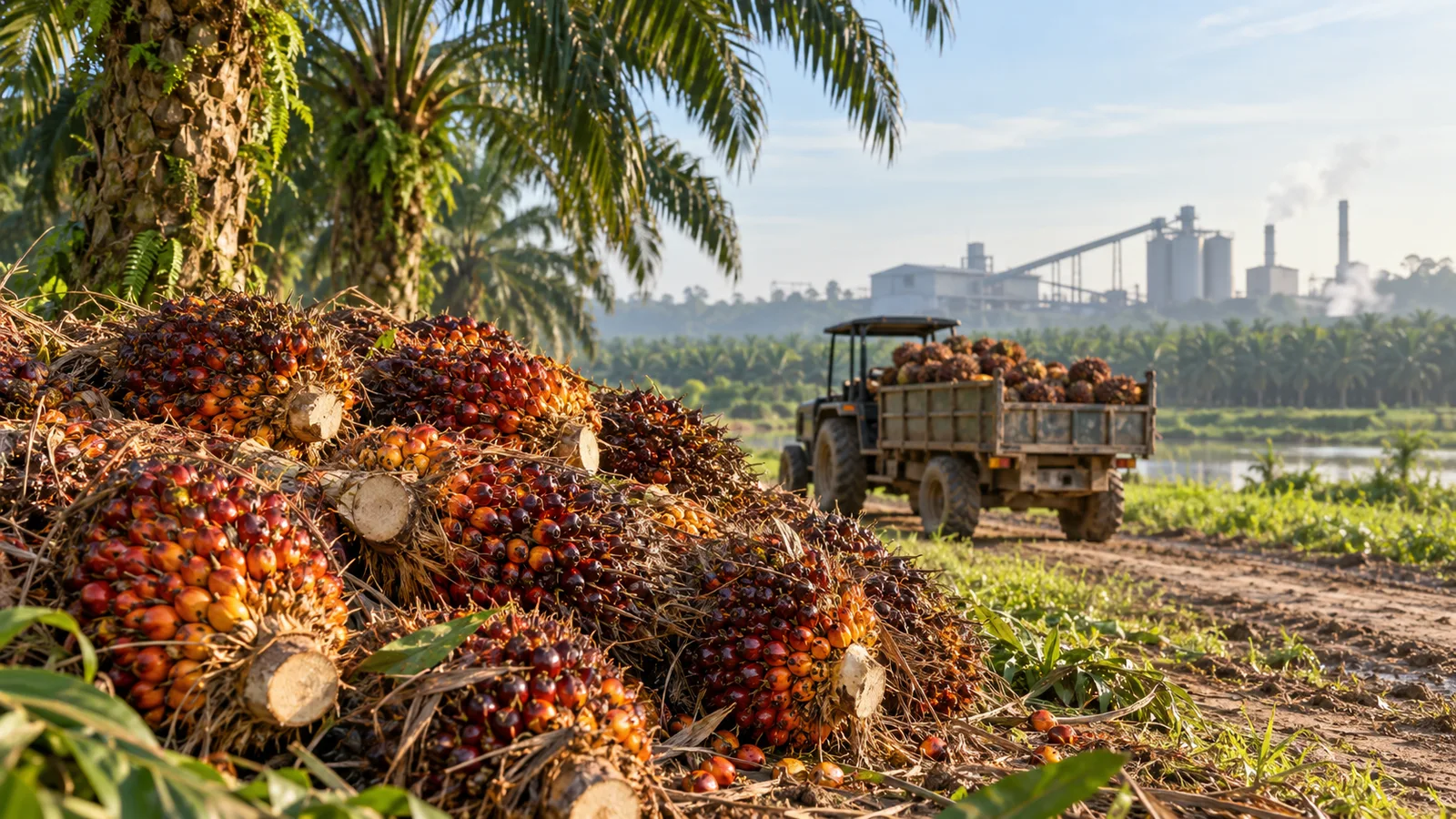
Jakarta — PTPN IV PalmCo said on Sunday, 25 October 2026, that fruit from partner smallholder plantations now accounts for 34% of its fresh fruit bunch (FFB) supply, up from about 9% in 2019. In its Regional III operations, roughly 3,100 hectares of partner farms had received technical recommendations for Indonesia's smallholder replanting programme (PSR) by October. PalmCo links stronger farmer partnerships and yields to palm-feedstock availability for industry, including the B50 biodiesel programme. These are company figures reported by ANTARA, not independently audited results.
Replanting recommendations are not completed harvests
Acting Regional III head Sori P Ritonga said the recommended area was close to 70% of the unit's 4,500-hectare target for this year. A technical recommendation does not mean all those plots have already been replanted or resumed fruit production. PalmCo also projects that its plasma replanting management could cover 22,000 hectares in stages over 2027–2028. That remains a plan rather than an achieved area.
According to the company's account carried by ANTARA, Regional III works with farmers across more than 56,000 hectares, alongside about 71,000 hectares of its own estates. Partnerships were discussed at a farmer gathering in Bandung in mid-October. PalmCo describes its single-management model as covering cultivation advice, farmer-group strengthening and crop marketing. The latest statement is an update on supply strategy, not an announcement of additional biodiesel output.
For one example, the company cited the Tunas Muda farmer cooperative, whose replanted gardens reportedly yielded 21.3 tonnes of FFB per hectare in their second producing year. PalmCo calculated that this was about 43% above the Indonesian Oil Palm Research Center benchmark for trees at the same stage. Results from one cooperative cannot be generalised to all smallholder plots; planting material, upkeep and local conditions matter.
Keep targets separate from purchases
Regional III aims to buy one million tonnes of FFB from PSR partnerships in 2026, compared with a previous annual average of around 900,000 tonnes, Sori said. He also projected a yield of 24.5 tonnes per hectare for the unit this year. Neither 2026 number is a verified year-end purchase or harvest total.
For context at a different scale, PalmCo's own website says the whole company purchased 2.095 million tonnes of FFB from partner farmers through July 2026. That company-wide partial-year number should not be compared directly with Regional III's full-year target specifically for PSR partnerships: the geography, supplier population and reporting period differ. The website also says roughly 30% of PalmCo processing feedstock comes directly from smallholders. Sori's 34% figure refers to the partner-FFB contribution described in his update; the two percentages need not have identical definitions or coverage.
Why B50 matters, and what the data do not show
PalmCo argues that increasing palm demand for energy should be met with higher productivity on existing smallholder farms, while preserving supplies for food and other industries. This explains its replanting and procurement strategy. It does not establish that new fruit from these partnerships has already been turned into biodiesel, or that B50 feedstock needs have been met. FFB must first be processed into crude palm oil (CPO), and subsequent production and allocation are separate steps.
Sori said the company would seek stable and competitive purchasing prices for farmers amid CPO fluctuations. Neither of the sources reviewed provides a specific purchase price for this partnership, however. The expansion alone is therefore no evidence that FFB prices have risen for all growers. Provincial price determinations are available on the FFB price page, with their dates and farmer categories to be checked before comparisons.
Sources & references
- ANTARA, "PalmCo perkuat kemitraan petani sawit untuk tingkatkan pasokan TBS" (25 October 2026) — https://www.antaranews.com/berita/5810263/palmco-perkuat-kemitraan-petani-sawit-untuk-tingkatkan-pasokan-tbs
- PTPN IV PalmCo, "Kemitraan Petani Jadi Kunci PTPN IV PalmCo Perkuat Pasokan CPO dan Dukung Program B50" (accessed 26 October 2026) — https://www.ptpn4.co.id/id/news/kemitraan-petani-jadi-kunci-ptpn-iv-palmco-perkuat-pasokan-cpo-dan-dukung-program-b50-1789629648
Stay on top of Indonesian biodiesel
The weekly newsletter: the week’s key news, prices and data in one email every Friday. Or follow our channels for daily prices.