Indonesia's Deputy Agriculture Minister Invites Business Input to Strengthen Farming, from Food to Energy
Deputy Minister of Agriculture Muhammad Saleh Mustafa says the ministry is ready to take on business input; biodiesel, bioethanol and food downstreaming were also discussed.
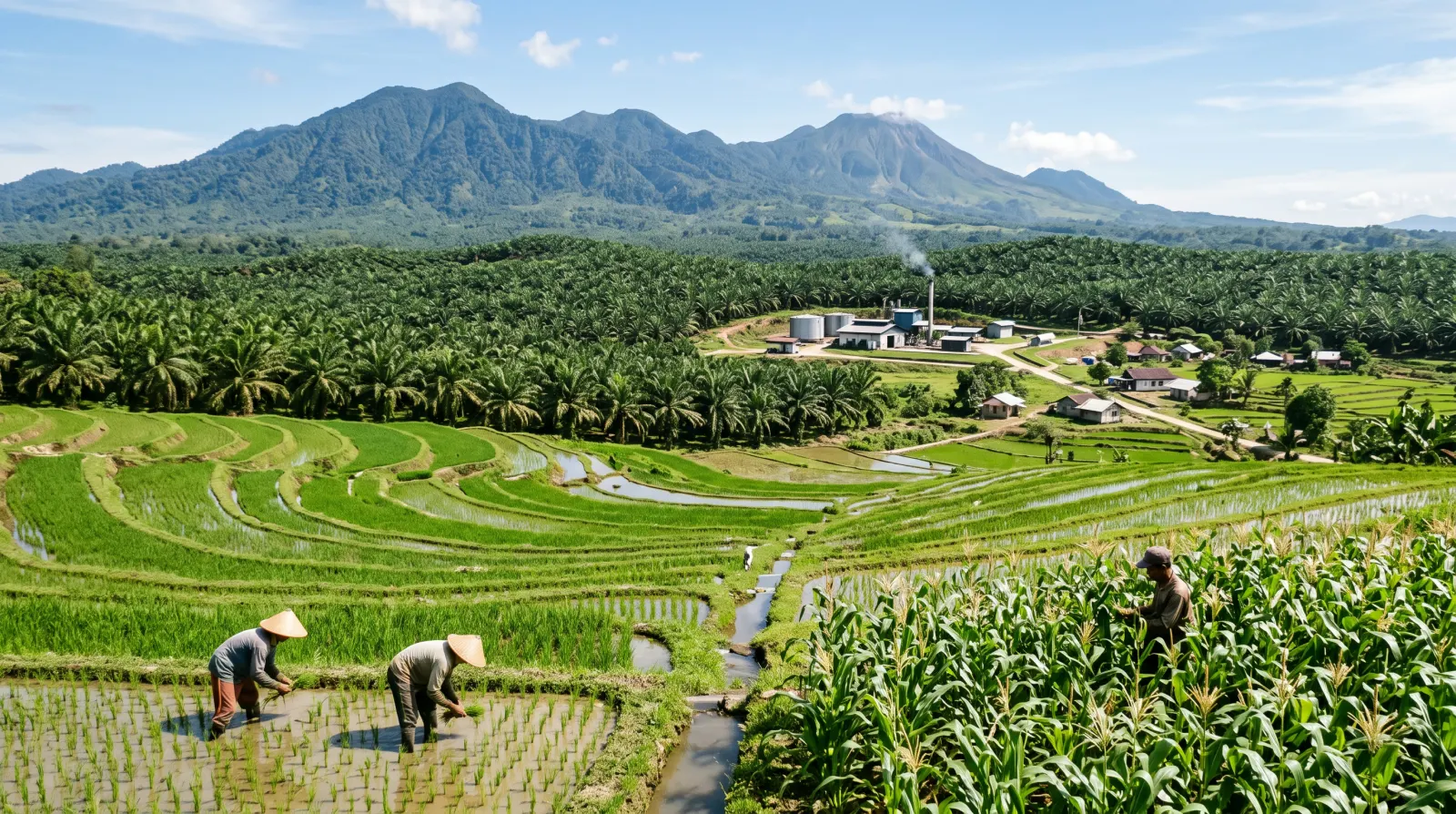
Jakarta — Indonesia's Deputy Minister of Agriculture Muhammad Saleh Mustafa says the Ministry of Agriculture is wide open to input from the business community to strengthen the farm sector's role, not only as a food supplier but also as a source of feedstock for energy and downstream industries.
According to Bataviapos, Saleh made the remarks while attending the Investor Daily Summit 2026, themed "Indonesia's Economic Model", in Jakarta on Wednesday (7 October 2026). ANTARA subsequently reported the same statement on Thursday (8 October 2026) under a South Tapanuli, North Sumatra dateline.
Saleh stressed that his ministry is ready to take on suggestions from business players as input for strengthening agricultural development. "The point is, we are ready to receive suggestions and input from business players," he said, as quoted by both outlets.
Biodiesel and bioethanol on the agenda
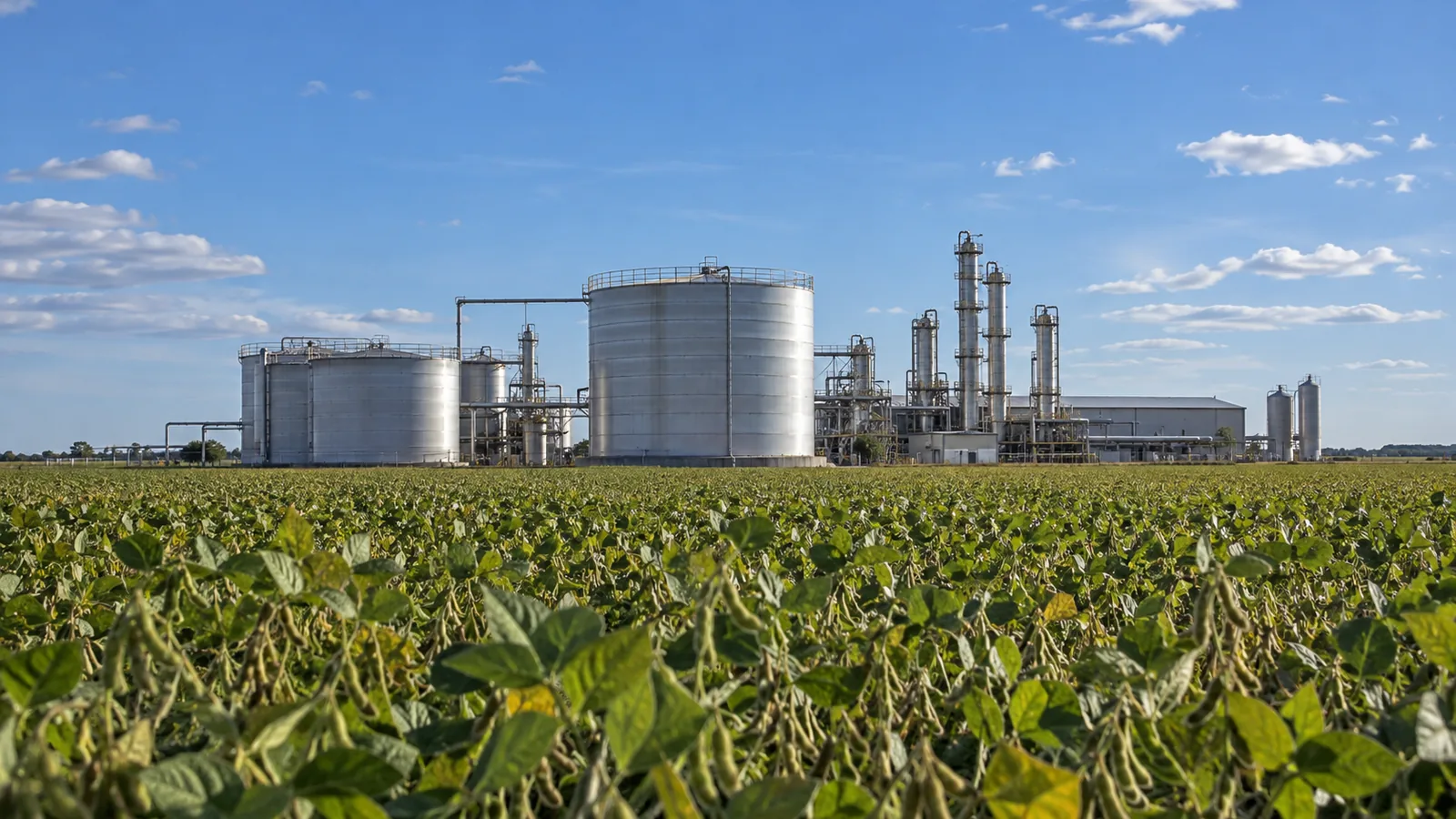
According to Saleh, biodiesel, bioethanol and food downstreaming were among the issues raised at the forum. He described how part of the potential of agricultural commodities is now being directed not solely to food, but also to energy feedstock and higher value-added products.
This policy direction, he added, is intended to ensure agricultural commodities do not stop at the raw-material stage but enter processing chains that create added value while opening up domestic investment opportunities. The Ministry of Agriculture said it would keep building synergy with the business community along three tracks: food production, downstreaming, and commodity-based energy development.
Context: agriculture as an energy granary
The Deputy Minister's statement is in line with the Ministry of Agriculture's push throughout 2026. In late March, Minister of Agriculture Andi Amran Sulaiman said that accelerating agricultural downstreaming for biofuels was a direct instruction from President Prabowo Subianto amid a heated geopolitical situation, as reported by Kompas.com (30 March 2026).
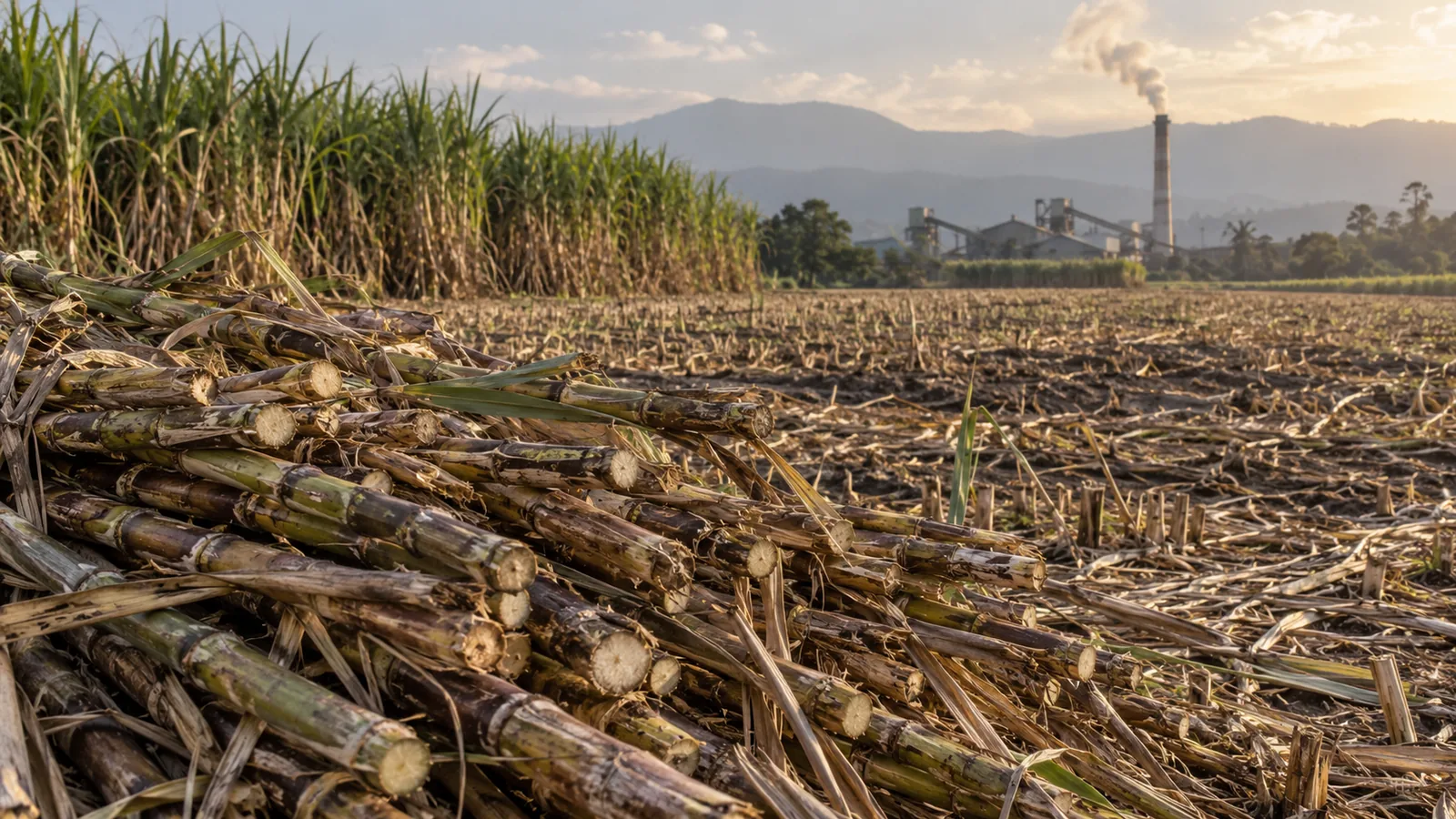
At the time, Amran said the target of halting diesel imports through B50 palm biodiesel would require around 5.3 million tonnes (the commodity was not specified in the Kompas.com report). On the gasoline side, the government is preparing an E20 ethanol blend using corn, cassava and sugarcane as feedstock, including around 1 million tonnes of molasses that has so far been exported.
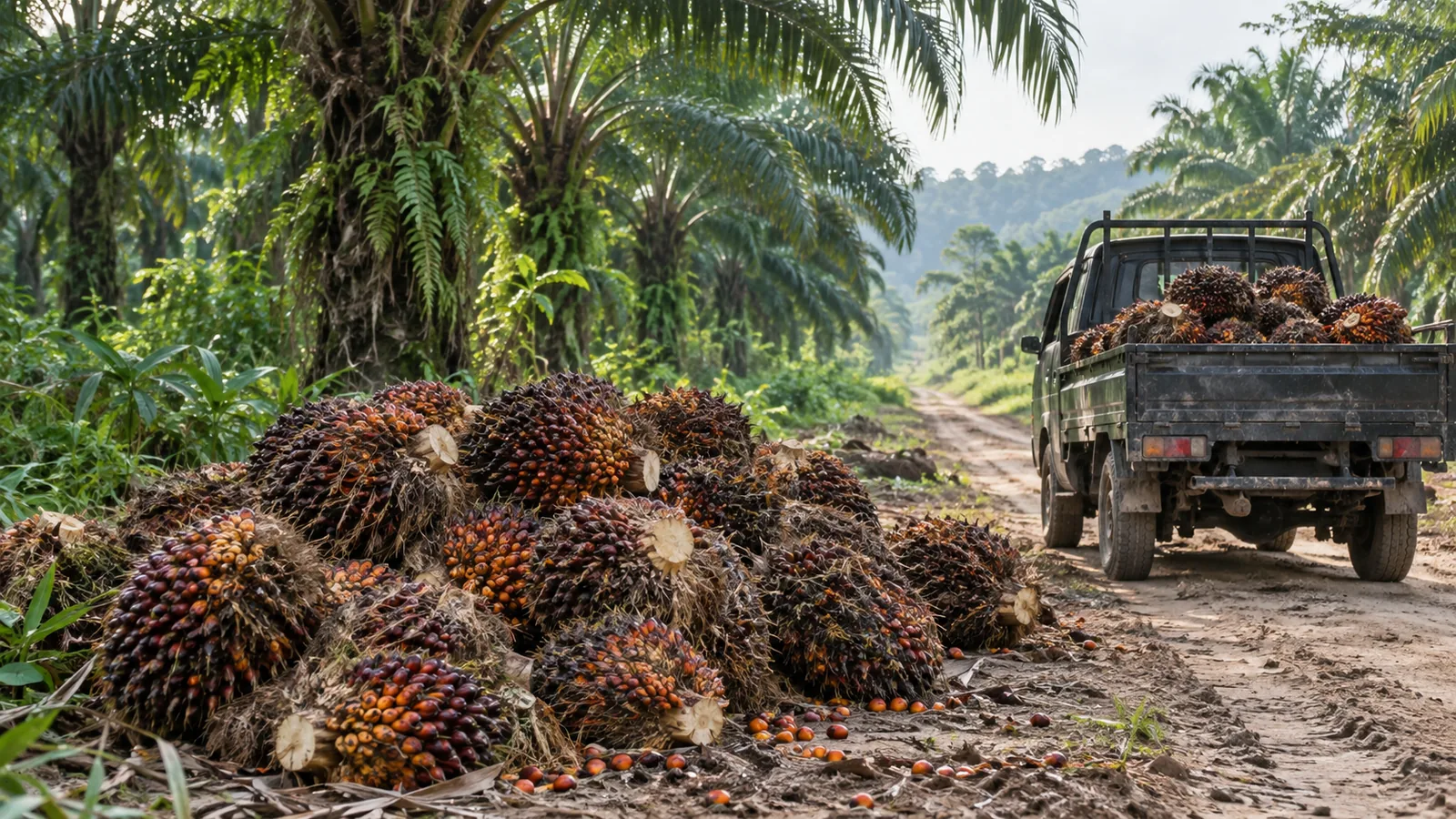
The B50 programme itself has been mandatory since 1 July 2026 and was targeted to be available at all fuel stations as of 1 October 2026. With biodiesel now making up a share equal to fossil diesel, the role of the agricultural sector—particularly oil palm plantations—in national energy security is becoming ever more central.
Read also: Understanding B20 to B50 · Benefits and challenges of the biodiesel programme
Sources & references
- ANTARA News Ambon, "Wamentan siap perkuat pertanian untuk sektor pangan hingga energi" (8 October 2026) — ambon.antaranews.com
- Bataviapos, "Wamentan Buka Luas Ruang Masukan Dunia Usaha: Perkuat Pertanian, Pangan, Energi dan Hilirisasi" (7 October 2026) — bataviapos.id
- Kompas.com, "Ada Perang, Kementan Kebut Hilirisasi untuk Biodiesel dan Etanol" (30 March 2026) — money.kompas.com