Benefits and Challenges of Indonesia's Biodiesel Programme
Foreign-exchange savings, lower emissions and millions of jobs, but also open questions on funding, the food-energy balance and sustainability.
Contents (3 sections)
Indonesia's biodiesel programme is often described as one of the boldest energy policies in the world. Behind the large foreign-exchange savings figures, however, lies a substantial to-do list. As of October 2026, with B50 in force, this article sets out both sides in a balanced way.
Benefits
1. Foreign-exchange savings and energy self-reliance
Each litre of FAME replaces diesel, part of which has to be imported. The government says B50 is intended to end diesel imports. Projected foreign-exchange savings from B50 in 2026 have been given differently by officials: a spokesperson for the Ministry of Energy and Mineral Resources (ESDM) cited about IDR 157.28 trillion, while ESDM Minister Bahlil Lahadalia at the launch cited about IDR 170 trillion, up from about IDR 133 trillion in the B40 era. These figures are government projections, not realised results.
2. Lower emissions
According to the ESDM Minister, emissions reductions are expected to rise from 39.66 million tonnes of CO₂ under B40 to about 44.46 million tonnes of CO₂ under B50. Biodiesel is one of the main decarbonisation tools for transport and industry, sectors that are hard to switch to electricity in the near term.
3. Downstreaming and jobs
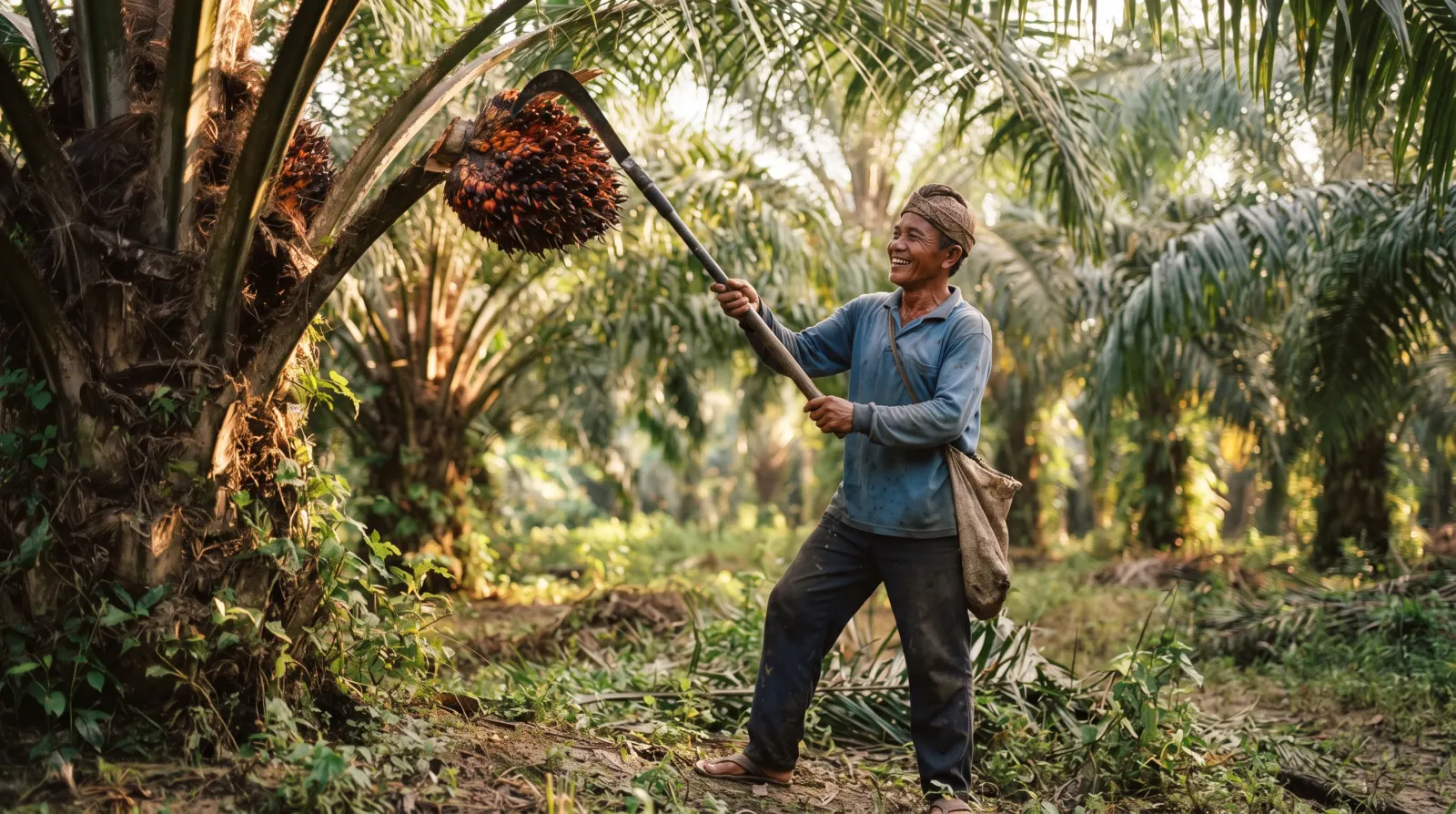
Biodiesel absorbs palm oil domestically and adds value to the commodity. The government estimates employment will rise from about 1.8 million people under B40 to about 2.1 million under B50, mostly in the upstream (on-farm) segment, including millions of palm smallholders.
4. Palm oil price stabilisation
Large, scheduled domestic demand helps absorb CPO supply, so fresh fruit bunch (FFB) prices at the farm level do not depend entirely on the export market.
Challenges
1. Incentive funding
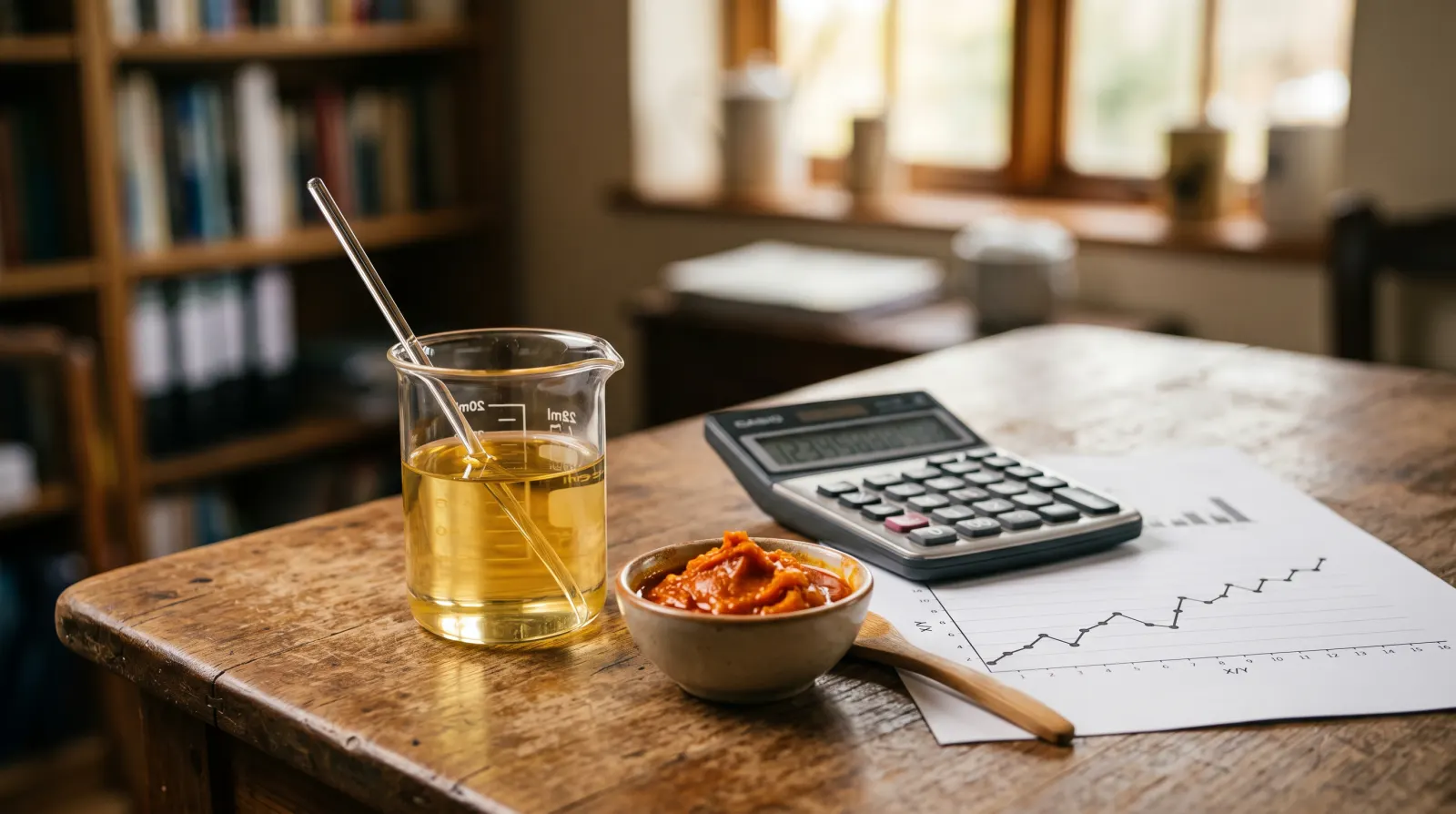
When biodiesel is more expensive than diesel, the gap for the PSO (subsidised) sector is covered by incentives from the Plantation Fund Management Agency (BPDP), whose funds come from palm oil export levies. Kontan reported that B40/B50 incentive payouts reached about IDR 17 trillion by June 2026, with projected needs of about IDR 32 trillion for the whole of 2026. BPDP is also wary of a financing deficit if world oil prices fall, because the price gap it must cover would then widen.
2. Balancing food, energy and exports
Agriculture Minister Andi Amran Sulaiman, as quoted by Kompas.com, cited a figure of about 5.3 million tonnes in connection with B50 requirements (the commodity unit was not specified; the ESDM Minister estimates B50 CPO demand at 16.3–17 million tonnes a year, up from 15.2 million tonnes under B40). With national CPO output ranging from 51 to 56 million tonnes a year over the past five years, according to the Indonesian Palm Oil Association (GAPKI), this extra demand could reduce export volumes and squeeze supply for food uses such as cooking oil if plantation productivity does not improve. Smallholder replanting (PSR) and productivity gains are therefore key.
3. Sustainability and global perception
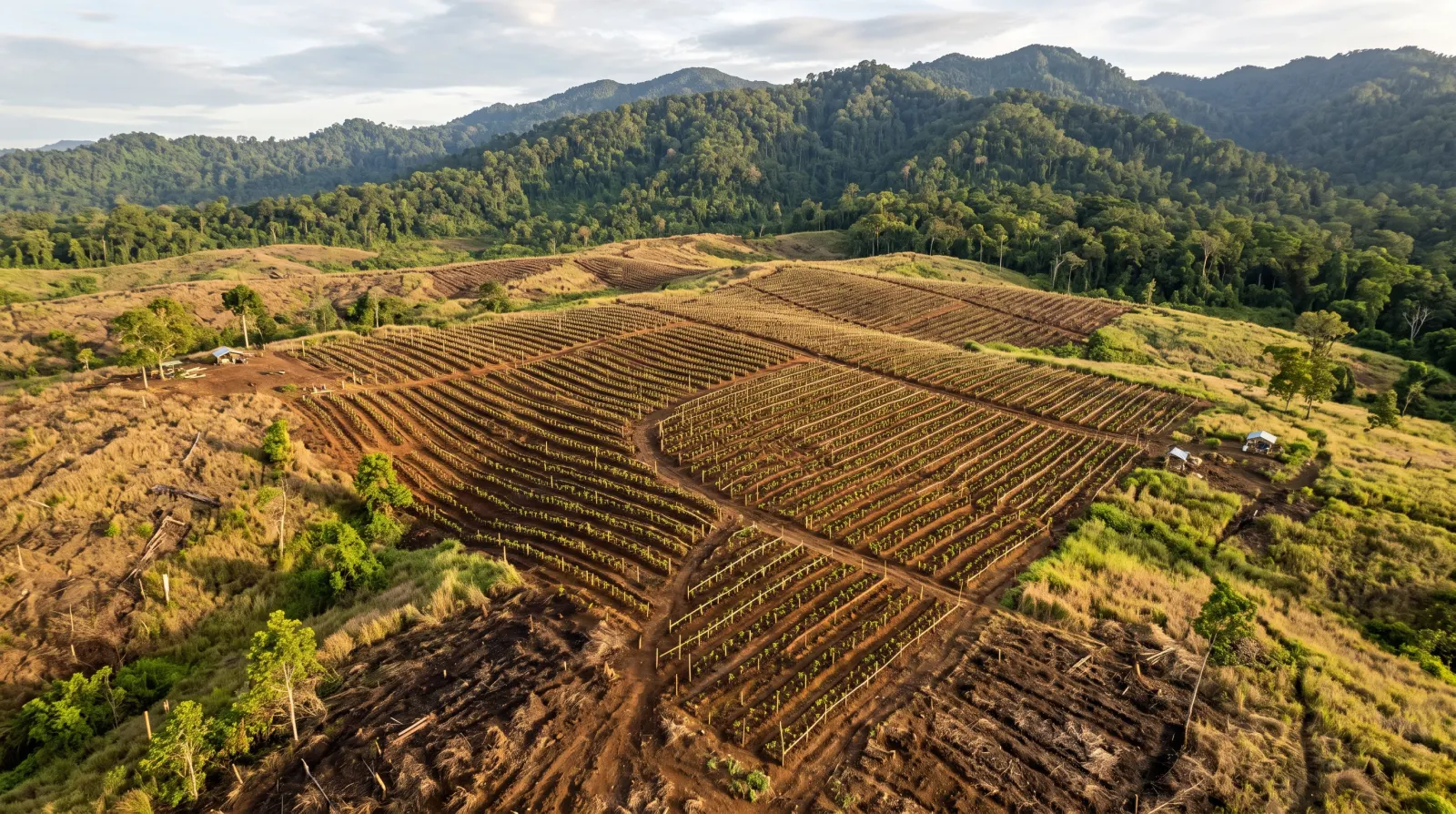
The environmental value of biodiesel depends on how the palm oil is produced. Deforestation, peatland and supply-chain traceability are in the spotlight of international markets. Certification such as ISPO (Indonesian Sustainable Palm Oil) and sustainable plantation practices are needed to keep emissions-reduction claims credible.
4. Quality and infrastructure readiness
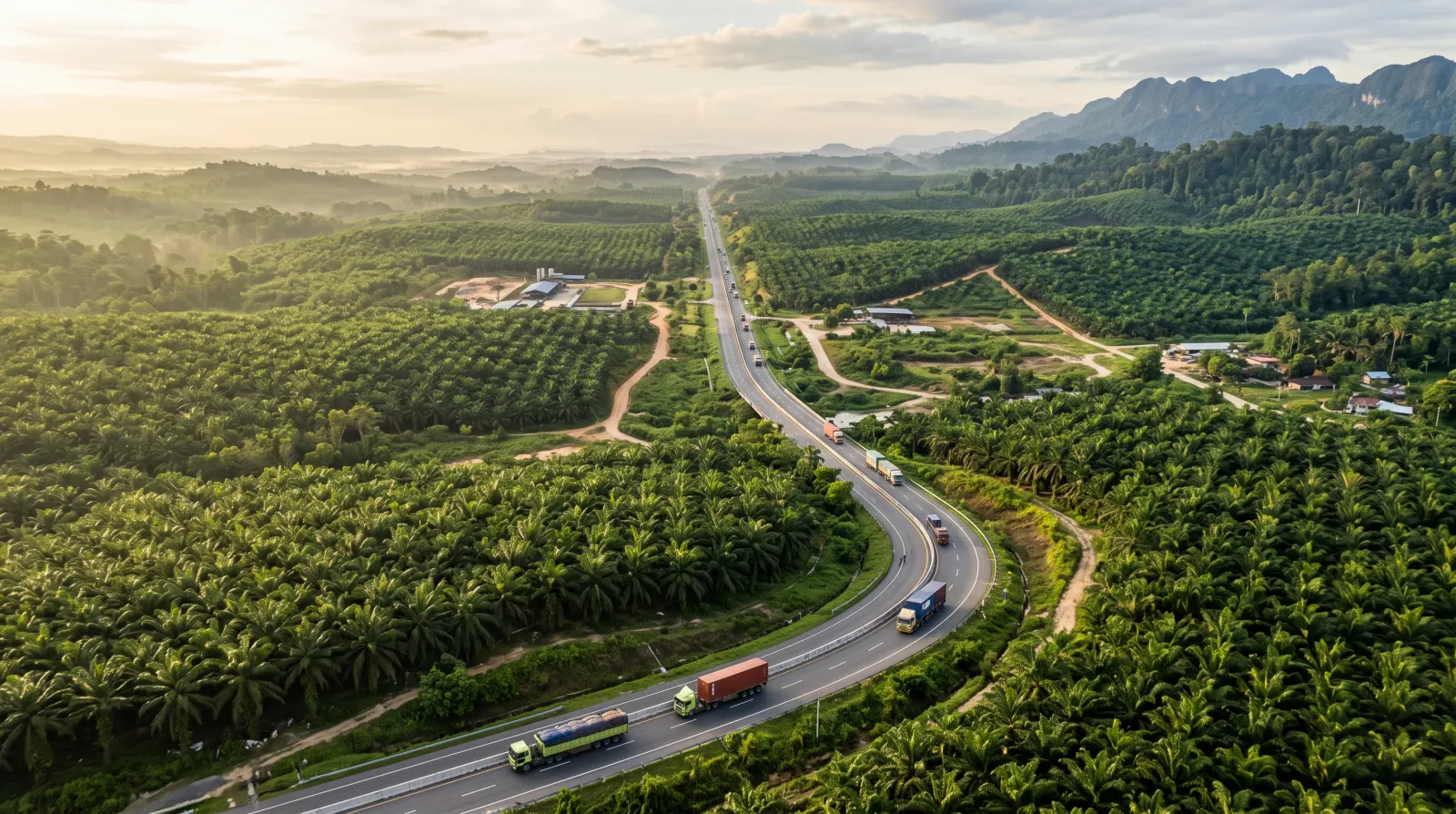
Higher blend rates demand stricter quality standards, adequate storage and blending facilities, and routine maintenance on the user side. The three-month transition period for B50 shows that infrastructure and stock adjustments cannot happen instantly.
Looking ahead
Biodiesel gives Indonesia a bargaining position few other countries have: energy from its own resources. Its long-term success will be decided by three things: plantation productivity, the sustainability of funding, and the credibility of its environmental case. Media Biodiesel will keep following the data and policy in all three areas.
Sources & references
- Bisnis.com, "Bahlil Klaim Implementasi B50 Bisa Hemat Devisa Rp170 Triliun" (9 July 2026)
- detikFinance, "B50 Mulai 1 Juli Diklaim Bisa Hemat Devisa Rp157 Triliun" (2026)
- Metro TV News, "Bahlil: Program B50 Berpotensi Hemat Devisa Rp170 Triliun dan Serap 2,1 Juta Tenaga Kerja" (9 July 2026) — metrotvnews.com
- Kontan, "Insentif B40/B50 Capai Rp32 Triliun, Realisasi Semester I 2026 Tembus Rp17 Triliun" (27 July 2026) — industri.kontan.co.id
- Investortrust, "Implementasi B50 Berisiko Picu Defisit, BPDP Waspadai Tekanan Pembiayaan" (30 April 2026) — investortrust.id
- Kompas.com, "Ada Perang, Kementan Kebut Hilirisasi untuk Biodiesel dan Etanol" (30 March 2026) — money.kompas.com
- CNBC Indonesia Research, "B50 Berlaku Besok 1 Juli 2026, Ini Jejak Panjang Biodiesel Indonesia" (30 June 2026)