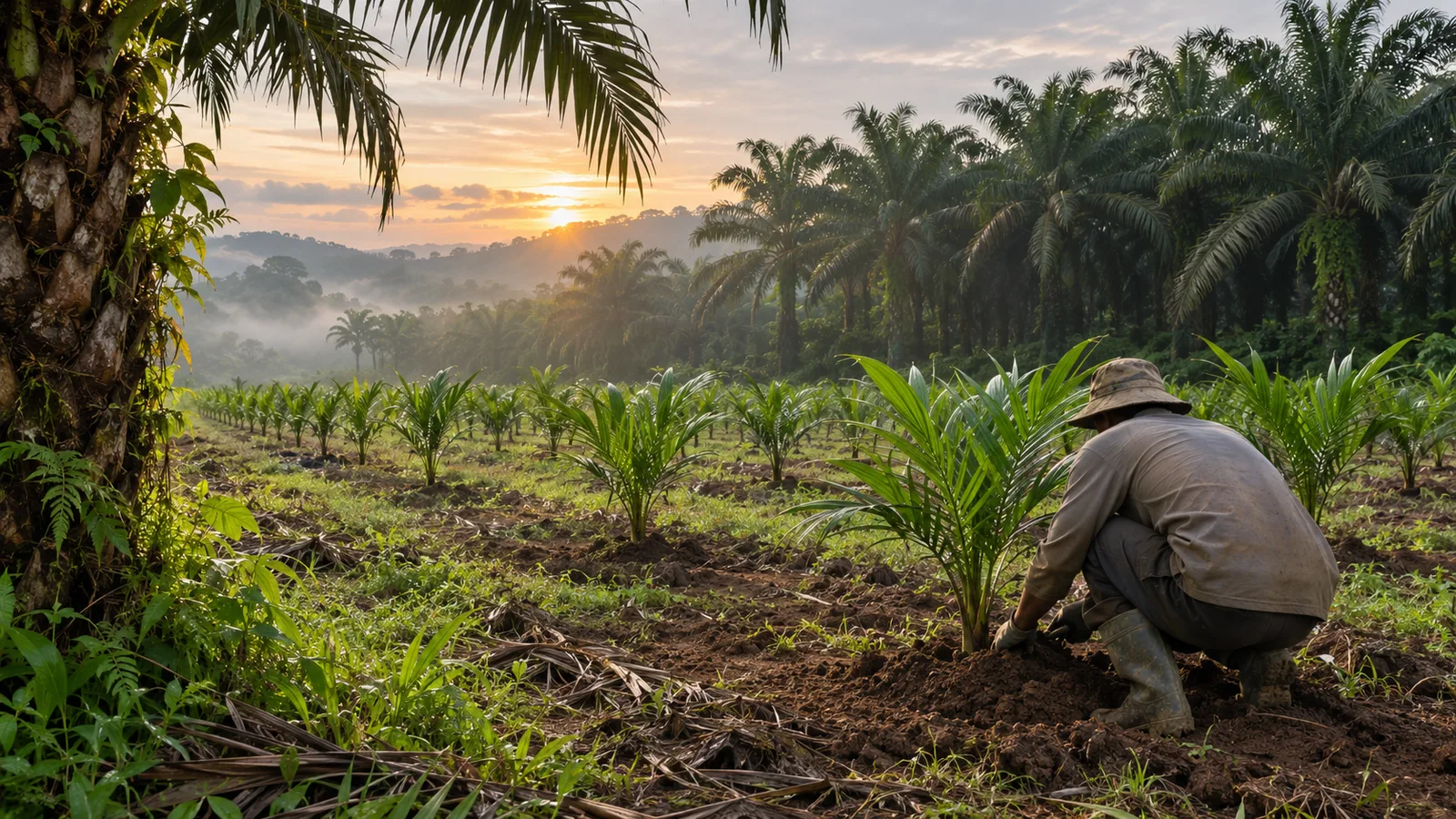
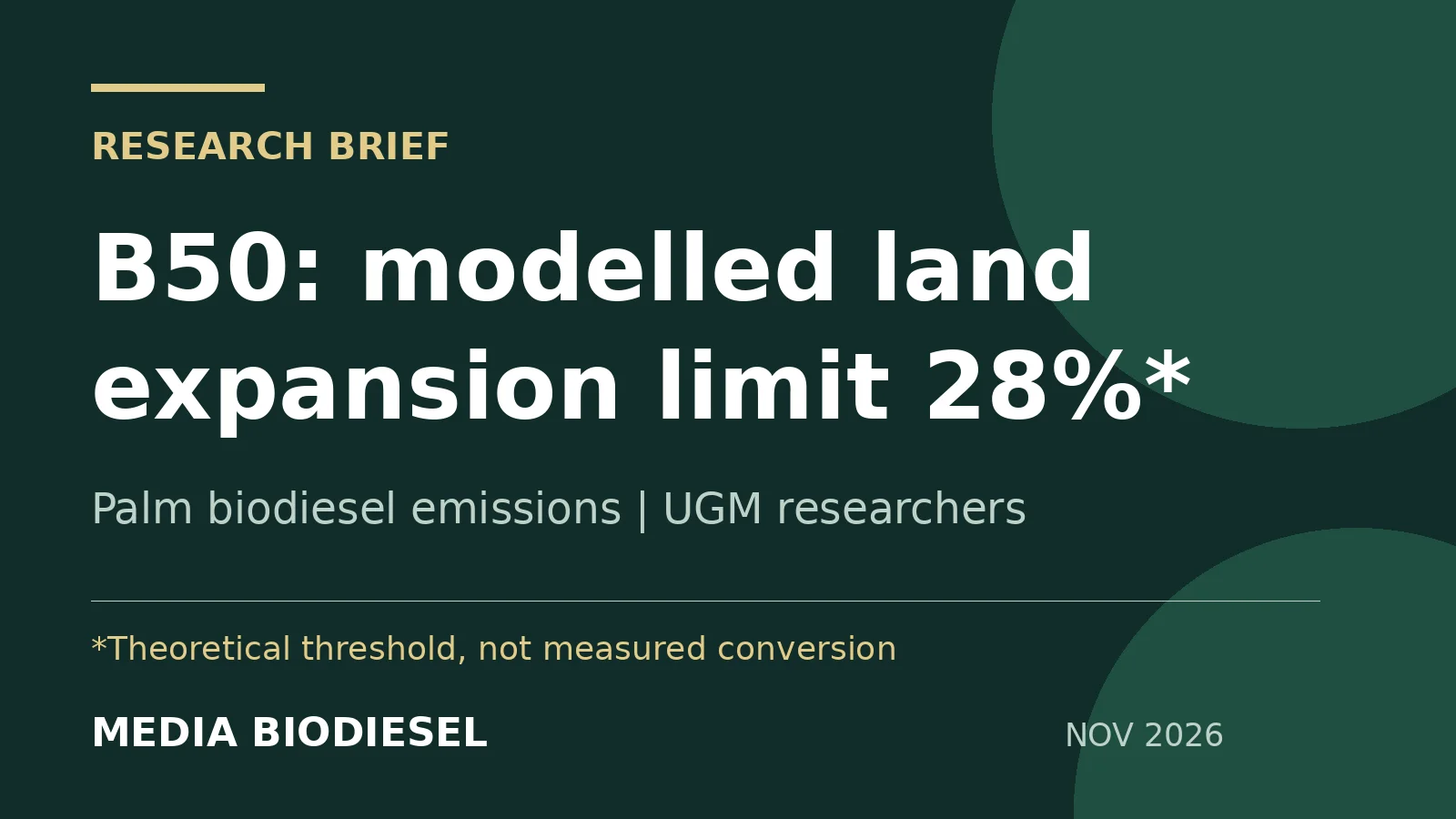
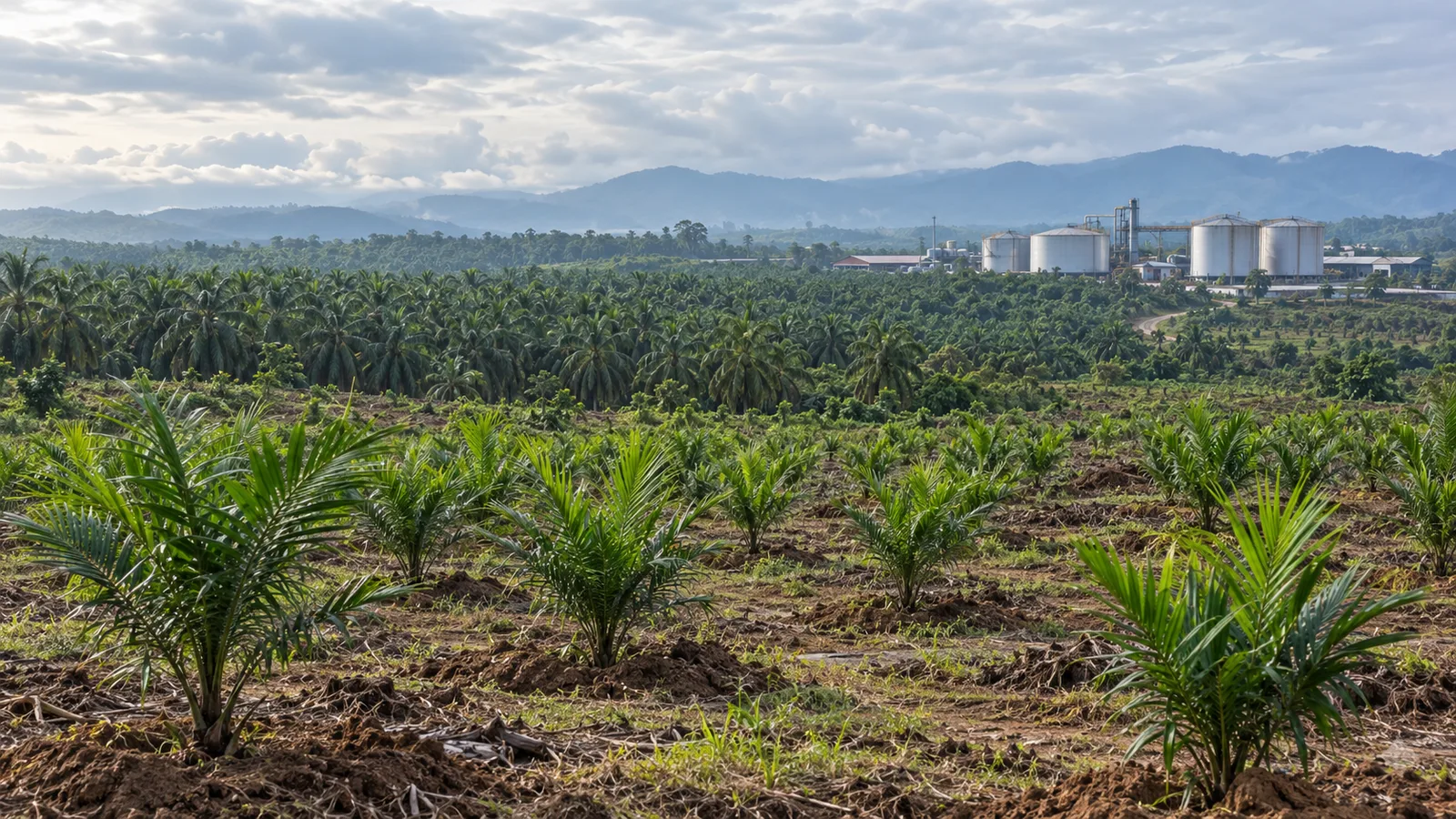
Degraded Land for B50: Potential Area Is Not Planting-Ready Land
A new CNA report examines Indonesia's biofuel feedstock plan on degraded land: site suitability, peat, rehabilitation costs and smallholder rights remain open questions.
Contents (3 sections)
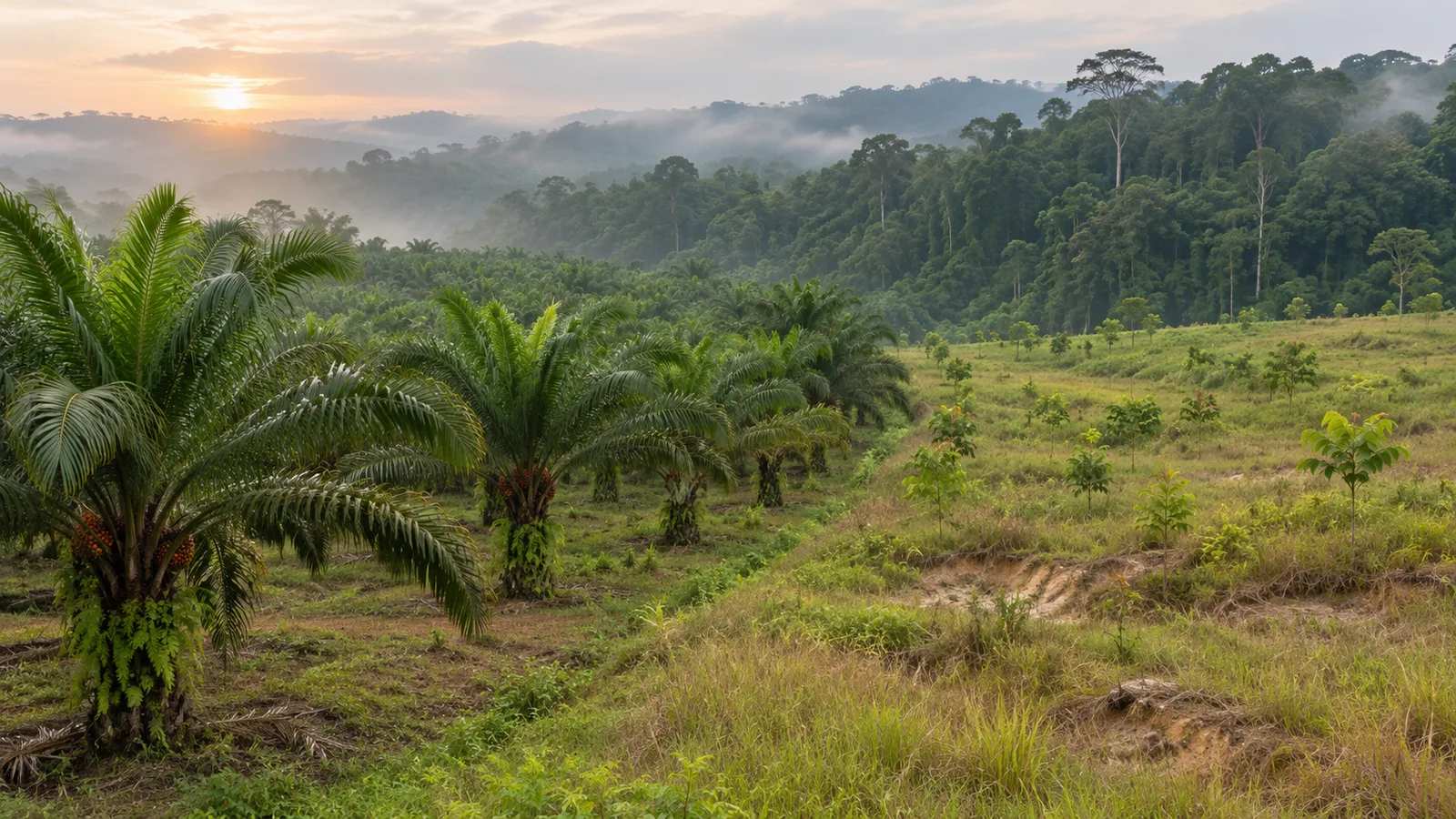
Jakarta — Indonesia's proposal to use degraded land for food and biofuel feedstocks is under fresh scrutiny in a Channel NewsAsia (CNA) report published on Tuesday, 24 November 2026. Officials had previously described more than 12 million hectares of degraded land, but that area is not a verified inventory of land suitable for palm oil or other biofuel crops. CNA interviewed researchers and officials who said soils, peat, restoration costs and ecological risks must be assessed first. The issue bears directly on feedstock for the B50 biodiesel programme and plans for bioethanol.
Government proposal, not planted hectares
Indonesia's special envoy Mari Elka Pangestu said in an ANTARA report published on 6 October that the government wanted to direct food and biofuel feedstock production to degraded land without clearing new forest. She described more than 12 million hectares as potentially useful and also called for better productivity through improved seeds and more efficient farming. That figure is a government account of potential area, not a map of planting-ready sites or a B50 land allocation.
CNA reported that special envoy for climate and energy Hashim Djojohadikusumo linked degraded land to the pursuit of biofuel self-sufficiency, citing B50 and an aspiration for B100 in remarks last October. In the new report, Deputy Coordinating Minister for Food Hanif Faisol Nurofiq said on 6 November that identifying suitable plots remained difficult and was still under way. CNA said there was no target or timetable yet for the proposed agricultural expansion on degraded land. This is not evidence that a specific large-scale planting project has already been completed.
Peat restoration is not plantation conversion
IPB University agriculture professor Dwi Andreas Santosa told CNA that rehabilitation requires costly technology and sustained support over many years. Without adequate assistance to smallholders, he warned, better-capitalised companies might dominate new development. University of Indonesia environmental scientist Mahawan Karuniasa said assessments should consider restoration techniques and ecological conditions, not only commercial viability.
CNA also cited specialists and environmental advocates who said some fire-damaged peatlands and forests in flood-prone watersheds should be restored as ecosystems rather than converted to plantations. The word “degraded” does not by itself establish that every parcel is ecologically appropriate for oil palms. Restoring ecological functions, raising yields on existing farms and bringing new land into cultivation are three different interventions with different consequences for feedstock supply.
What it means for Indonesia's B50
The Directorate General of New, Renewable Energy and Energy Conservation (EBTKE) says Indonesia's B50 biodiesel programme relies on palm oil and links plantations to processing and fuel supply. Where and how that feedstock is produced therefore matters to the programme directly. In an ANTARA report in September, Madani Berkelanjutan executive director Nadia Hadad said a higher biodiesel mandate does not automatically cause land expansion, but safeguards are needed on supply, fires and forest protection. Replanting ageing plantations was one option cited from the group's analysis, not a measured increase in output already achieved.
Editorial analysis: a headline number of degraded hectares cannot be converted directly into tonnes of CPO or litres of biodiesel. To assess whether the proposal can support B50 without adding forest pressure, the public needs site-suitability data, peatland status, land rights, rehabilitation costs, realised yields and allocation between food and energy uses. Until then, claims that millions of hectares are ready to supply B50 or B100 go beyond the evidence available in the sources reviewed.
Sources & references
- Channel NewsAsia, "Can Indonesia turn over 12 million hectares of degraded land into food and biofuel farms?" (24 November 2026) — https://www.channelnewsasia.com/asia/indonesia-degraded-land-farms-food-biofuel-6568511
- ANTARA, "Pemerintah akan optimalkan lahan terdegradasi untuk biofuel" (6 Oktober 2026) — https://www.antaranews.com/berita/5773756/pemerintah-akan-optimalkan-lahan-terdegradasi-untuk-biofuel
- ANTARA, "Madani: Bahan baku BBN harus beragam jangan bertumpu pada sawit" (29 September 2026) — https://www.antaranews.com/berita/5763693/madani-bahan-baku-bbn-harus-beragam-jangan-bertumpu-pada-sawit
- Ditjen EBTKE Kementerian ESDM, "B50 Perkuat Ketahanan Energi Nasional, Dorong Hilirisasi dan Daya Saing Industri Sawit" (12 November 2026) — https://ebtke.esdm.go.id/artikel/berita/b50-perkuat-ketahanan-energi-nasional-dorong-hilirisasi-dan-daya-saing-industri-sawit
Stay on top of Indonesian biodiesel
The weekly newsletter: the week’s key news, prices and data in one email every Friday. Or follow our channels for daily prices.