President Jokowi Launched Indonesia's B30 Programme in December 2019
President Joko Widodo inaugurated B30 ahead of nationwide implementation on 1 January 2020, with projected biodiesel absorption of 9.6 million kL.
Contents (4 sections)
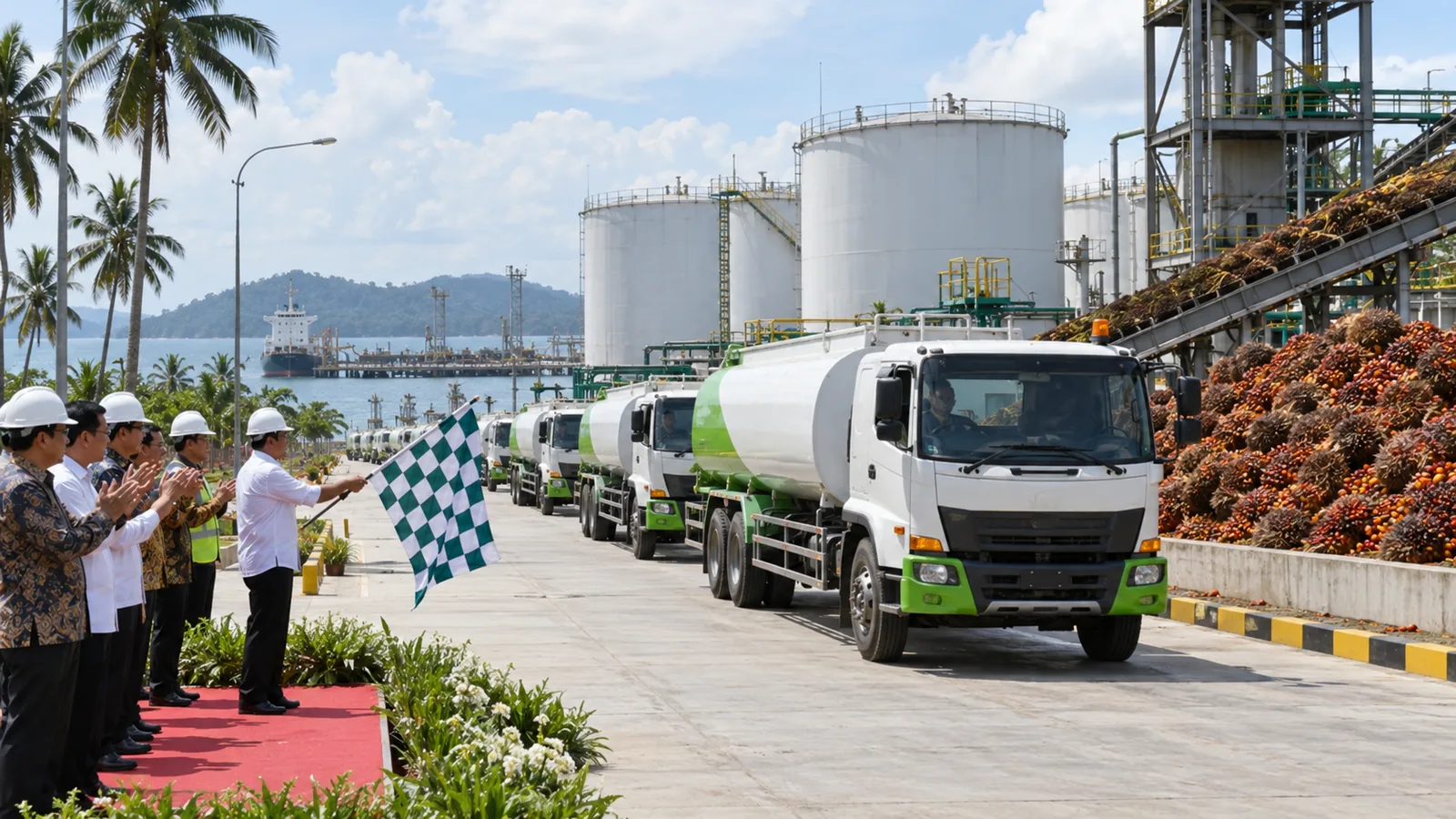
Jakarta — President Joko Widodo inaugurated Indonesia's 30% biodiesel programme, known as B30, at Pertamina's MT Haryono fuel station in Jakarta on 23 December 2019. Nationwide mandatory implementation was scheduled to begin on 1 January 2020 after preparations for production, blending and distribution.
B30 contains 30% biodiesel and 70% petroleum diesel. Moving from B20 to B30 increased the renewable component in every litre of diesel supplied and significantly raised the volume of biodiesel required by the national fuel system.
Launch ahead of nationwide implementation
The Ministry of Energy and Mineral Resources (ESDM) said the programme was launched shortly before it became mandatory at the start of 2020. The president presented B30 as part of Indonesia's effort to reduce its dependence on imported fossil fuel and make greater use of domestic energy resources.
The Cabinet Secretariat reported that the government wanted to accelerate the use of new and renewable energy. In his remarks, the president also linked biodiesel to lower fuel imports, which had put pressure on Indonesia's trade balance and current account.
The launch followed an implementation trial that had been running since November 2019. The preparatory period was intended to test the readiness of biodiesel supplies, blending facilities, fuel terminals and distribution before the mandate took full effect.
Planned absorption and import savings
The ESDM Ministry estimated that B30 implementation in 2020 would raise biodiesel absorption to about 9.6 million kilolitres. This compared with approximately 6.6 million kilolitres absorbed under B20 during 2019.
At that volume, the government projected foreign-exchange savings of about US$4.8 billion. It also estimated that B30 could reduce greenhouse-gas emissions by around nine million tonnes of carbon-dioxide equivalent. These figures were government projections announced at the launch, not audited results of the programme.
ANTARA reported that the president did not want the blending increase to stop at B30. The government intended to pursue higher blends, although the immediate operational priority on 23 December 2019 remained the successful nationwide introduction of B30 at the beginning of the following year.
Pressure on the biodiesel supply chain
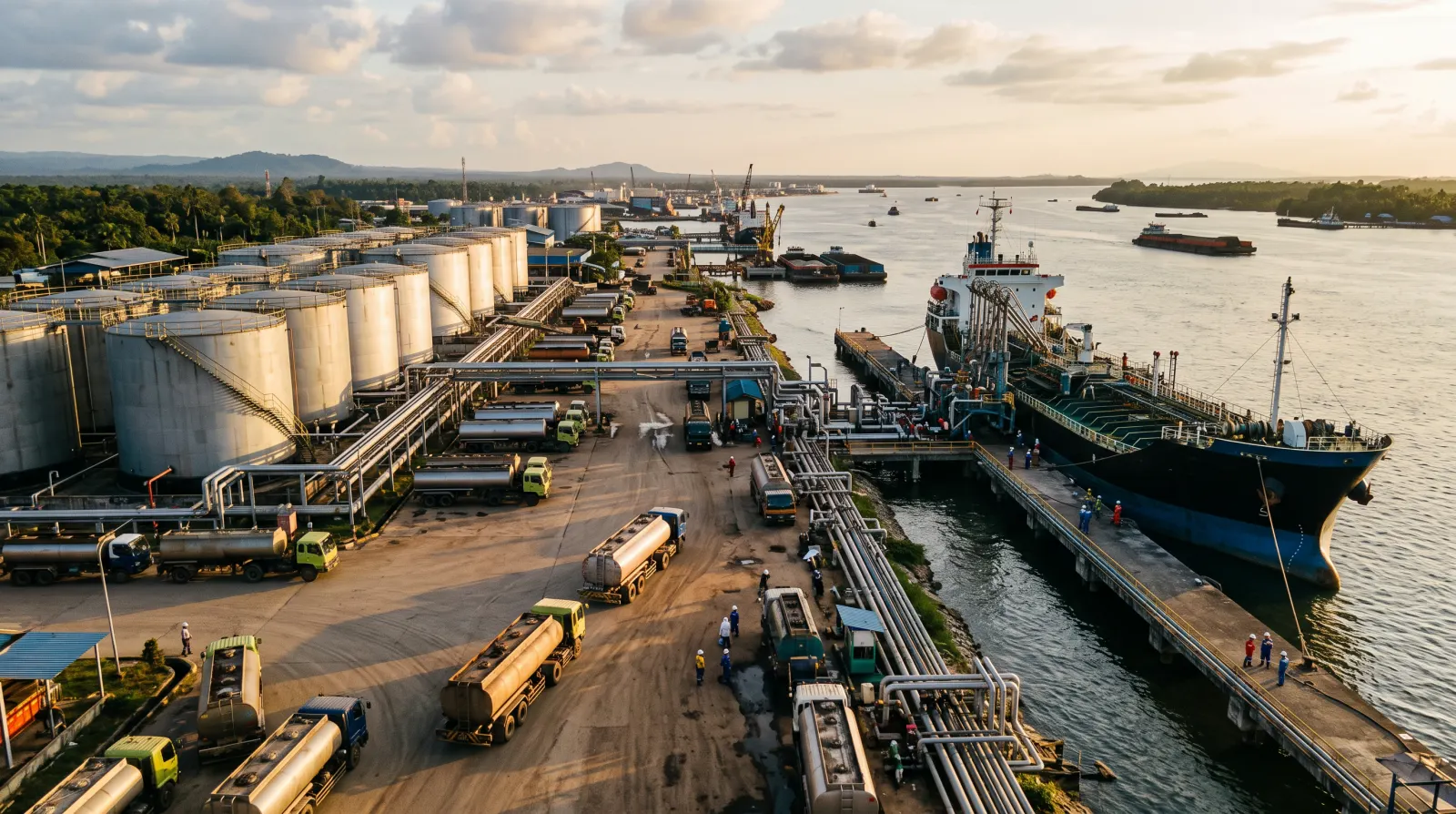
Raising the blend from 20% to 30% required more biodiesel and tighter distribution. Biofuel producers had to deliver volumes according to government allocations, while petroleum fuel companies needed to ensure that blending and delivery could be performed at designated terminals.
The programme also strengthened the link between energy policy and Indonesia's domestic palm oil market. Indonesian biodiesel at the time was mainly produced from palm oil, so the higher mandate created additional domestic demand. The government viewed this absorption as a way to add value to palm oil while replacing part of the country's imported diesel requirement.
The launch did not remove the programme's operational risks. Supply availability, biodiesel quality, storage readiness, delivery schedules and blend monitoring all had to be maintained when B30 entered nationwide use.
A new stage in the biodiesel mandate
The inauguration on 23 December 2019 marked Indonesia's formal transition towards the highest biodiesel blend then scheduled for nationwide use. B30 built on the scale established under B20 and made biodiesel a larger component of the country's diesel fuel system.
Policy records and relevant terminology are available on the biodiesel regulations and glossary pages.
Sources & references
- Ministry of Energy and Mineral Resources, "Presiden Jokowi Luncurkan Program B30" (23 December 2019) — https://www.esdm.go.id/id/media-center/arsip-berita/presiden-jokowi-luncurkan-program-b30
- Cabinet Secretariat, "Resmikan Implementasi Program B30, Presiden: Kita Berusaha Mencari Sumber-Sumber Energi Baru Terbarukan" (23 December 2019) — https://setkab.go.id/resmikan-implementasi-program-b30-presiden-kita-berusaha-mencari-sumber-sumber-energi-baru-terbarukan/
- ANTARA, "Presiden Jokowi resmikan implementasi program B30" (23 December 2019) — https://www.antaranews.com/berita/1220603/presiden-jokowi-resmikan-implementasi-program-b30