Civil Society Coalition: B50 Needs 5.36 Million Hectares, Could Clear 1.5 Million Hectares
The Clean Transition Coalition urged a review of B50, warning of 1.5 million hectares of potential deforestation and food inflation. The government stresses energy self-sufficiency.
Contents (3 sections)
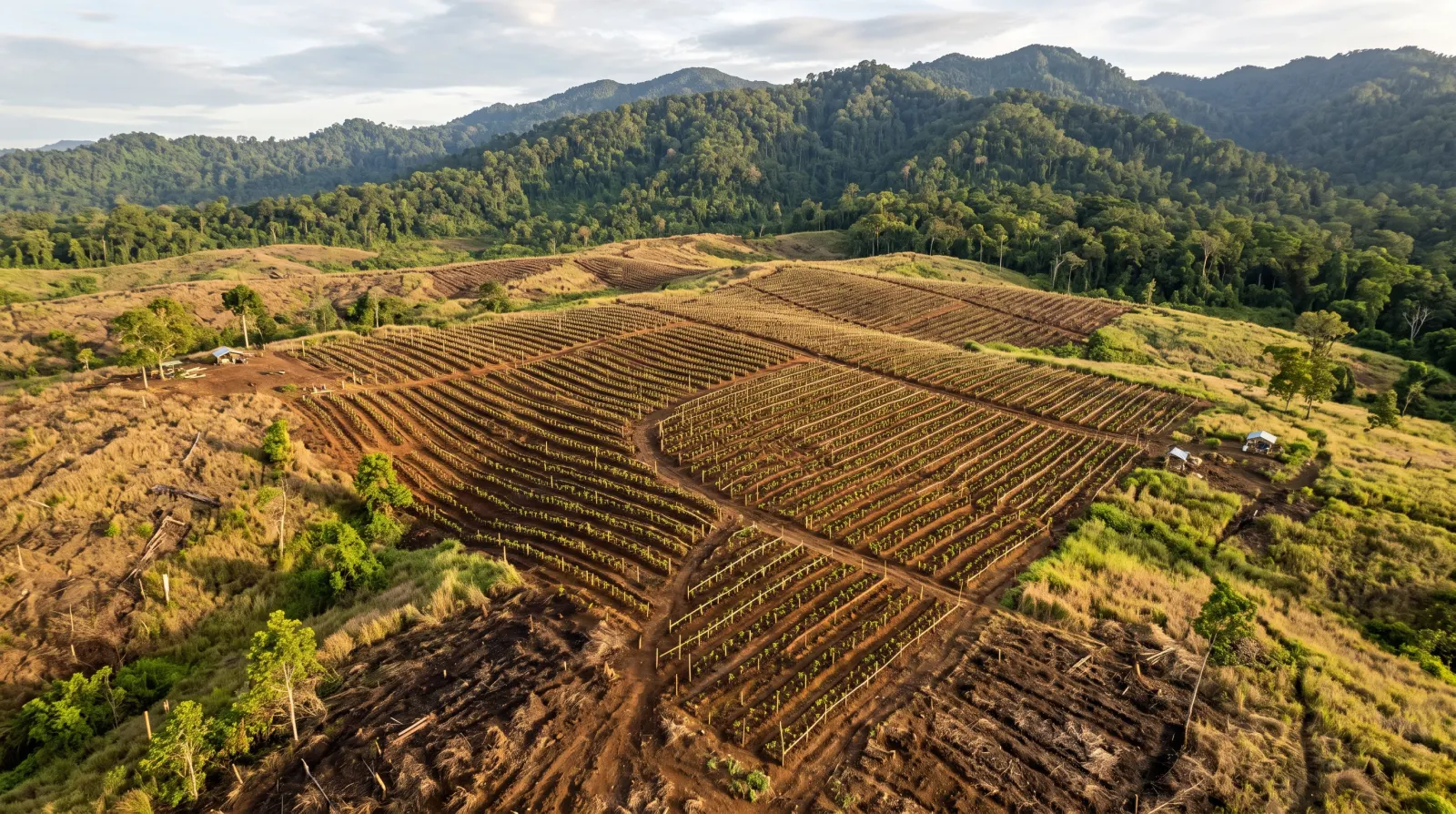
Jakarta — The Clean Transition Coalition (Koalisi Transisi Bersih, KTB), an alliance of seven civil society organisations, on 16 April 2026 urged the government to review the B50 biodiesel mandate. The coalition estimates that B50 would require about 5.36 million hectares of additional oil palm land by 2039, with potential deforestation of 1.5 million hectares, or roughly 22 times the size of Jakarta. The government, for its part, presents B50, scheduled to start on 1 July 2026, as a route to energy self-sufficiency and budget savings.
Land-need projections and carrying-capacity limits
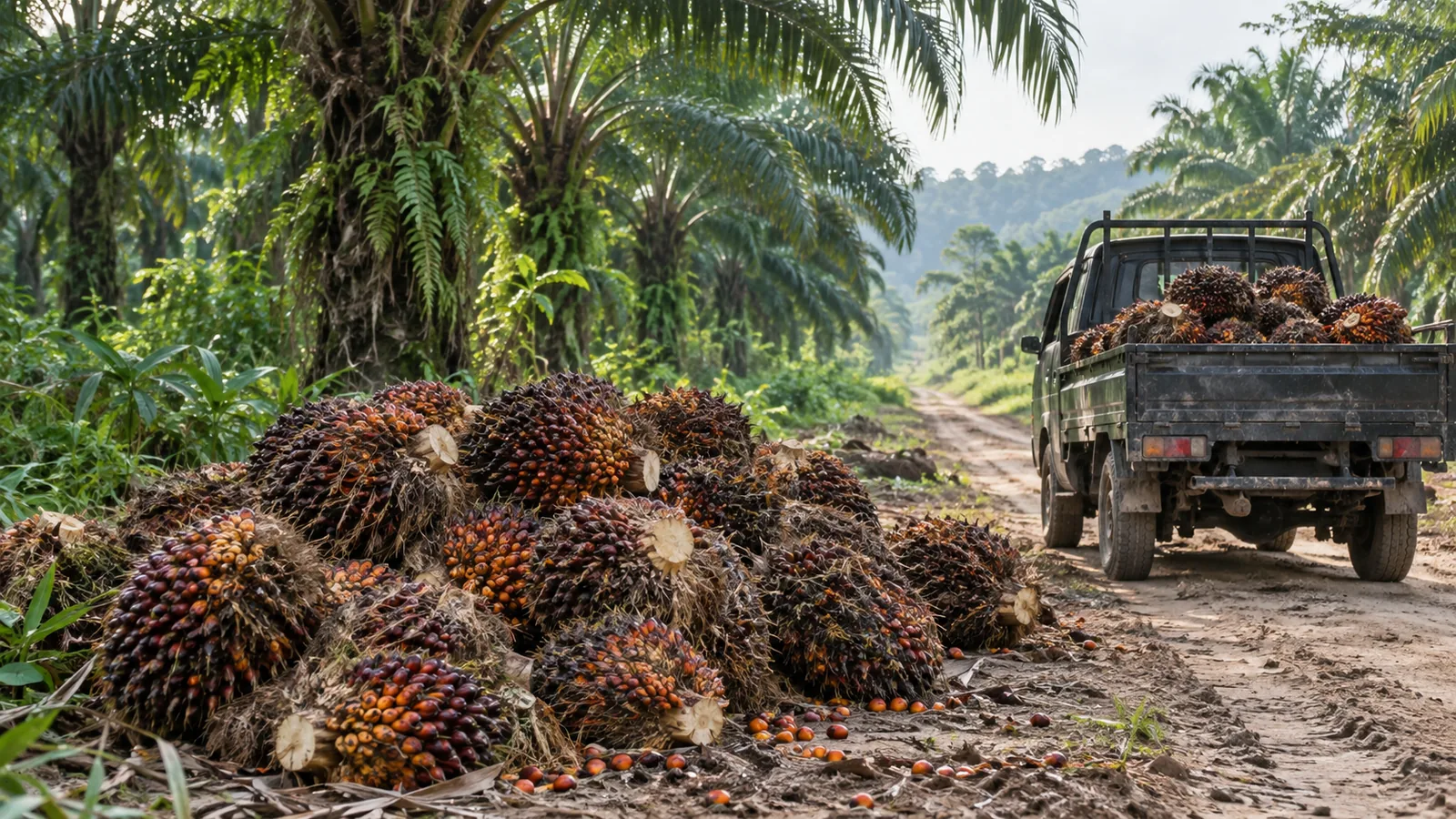
According to a press release published by Greenpeace Indonesia, KTB comprises Forest Watch Indonesia (FWI), Greenpeace Indonesia, Satya Bumi, Sawit Watch, the Palm Oil Farmers Union (SPKS), Trend Asia and WALHI. The coalition said B50 could require up to 19 million kL of additional fatty acid methyl ester (FAME).
Satya Bumi campaigner Riezcy Cecilia presented the 5.36-million-hectare and 1.5-million-hectare figures. Quoted by Katadata, she warned that environmental damage would worsen if the remaining land were forced into oil palm cultivation.
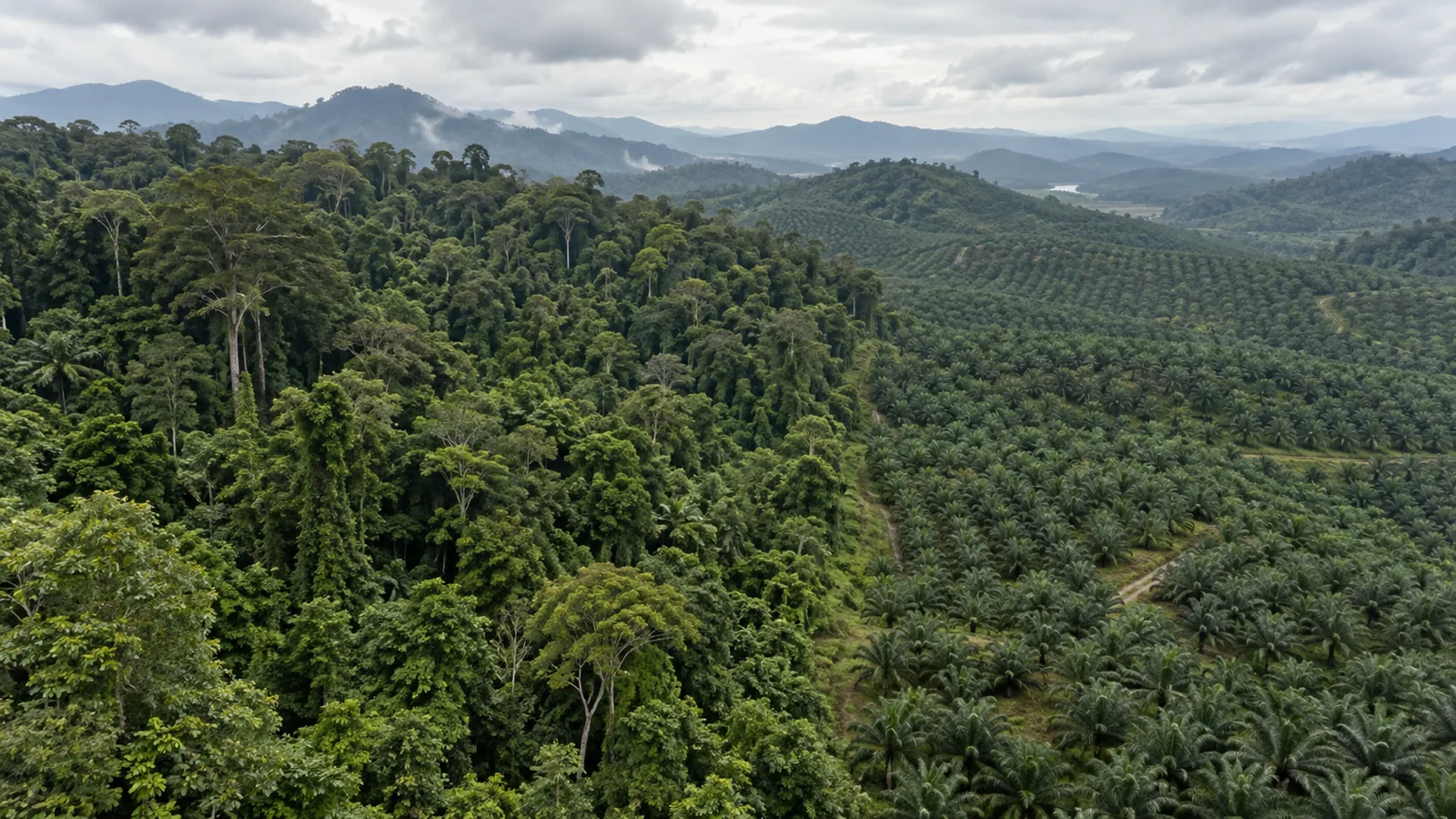
The coalition also cited FWI data showing that Indonesia's oil palm plantations already cover 20.9 million hectares, above an environmental carrying-capacity ceiling of 18.15 million hectares. According to FWI, palm expansion in 2021–2025 caused the loss of 424,000 hectares of natural forest. KTB also referred to a projection by the Plantation Fund Management Agency (BPDP) that palm oil output will plateau at around 60 million tonnes because of land constraints. The press release gives 2045 as the projection year, while Katadata reported 2060.
Concerns over food, conflict and forest areas
Sawit Watch executive director Achmad Surambo argued that large-scale expansion would be unnecessary if smallholder replanting succeeded. Without strict audits, he said, B50 would amount to an energy subsidy paid for dearly through food price inflation. The coalition warned of a cooking oil shortage like the one in 2022.
Trend Asia campaign manager Amalya Oktaviani said more than 4 million hectares of oil palm sit inside the forest estate, including 224,004 hectares in protected forest and 29,870 hectares in nature reserves. She said the B50 ambition risks deepening land control problems in forest areas. Sawit Watch data (2025) cited by the coalition record 1,150 community conflicts involving 404 companies, 55% of them tenure conflicts.
KTB put forward five recommendations:
- review the B50 mandate in light of its environmental and social impacts;
- promote diversification into environmentally friendly alternative fuels;
- conduct a thorough assessment of the economic and social impacts of energy security policy;
- prioritise intensification and replanting of smallholder plantations to meet CPO needs;
- audit palm oil permits and resolve plantation conflicts.
The government's case: self-sufficiency and savings
The government views B50 through the lens of energy security. Coordinating Minister for Economic Affairs Airlangga Hartarto, as reported by the Cabinet Secretariat on 31 March 2026, said B50 is being accelerated to achieve energy self-sufficiency and efficiency. Blending by Pertamina could cut fossil fuel use by up to 4 million kL, with estimated savings of IDR 48 trillion over six months. Energy and Mineral Resources Minister Bahlil Lahadalia added that, with B50 and the start of operations at the RDMP refinery in East Kalimantan, Indonesia expects a diesel surplus this year.
On forests, the government has responded cautiously to independent deforestation data. When Auriga Nusantara reported a surge in 2025 deforestation, Deputy Forestry Minister Rohmat Marzuki, quoted by Mongabay, welcomed the findings but highlighted the margin of error in satellite analysis. He also said safeguards exclude conservation areas and customary lands.
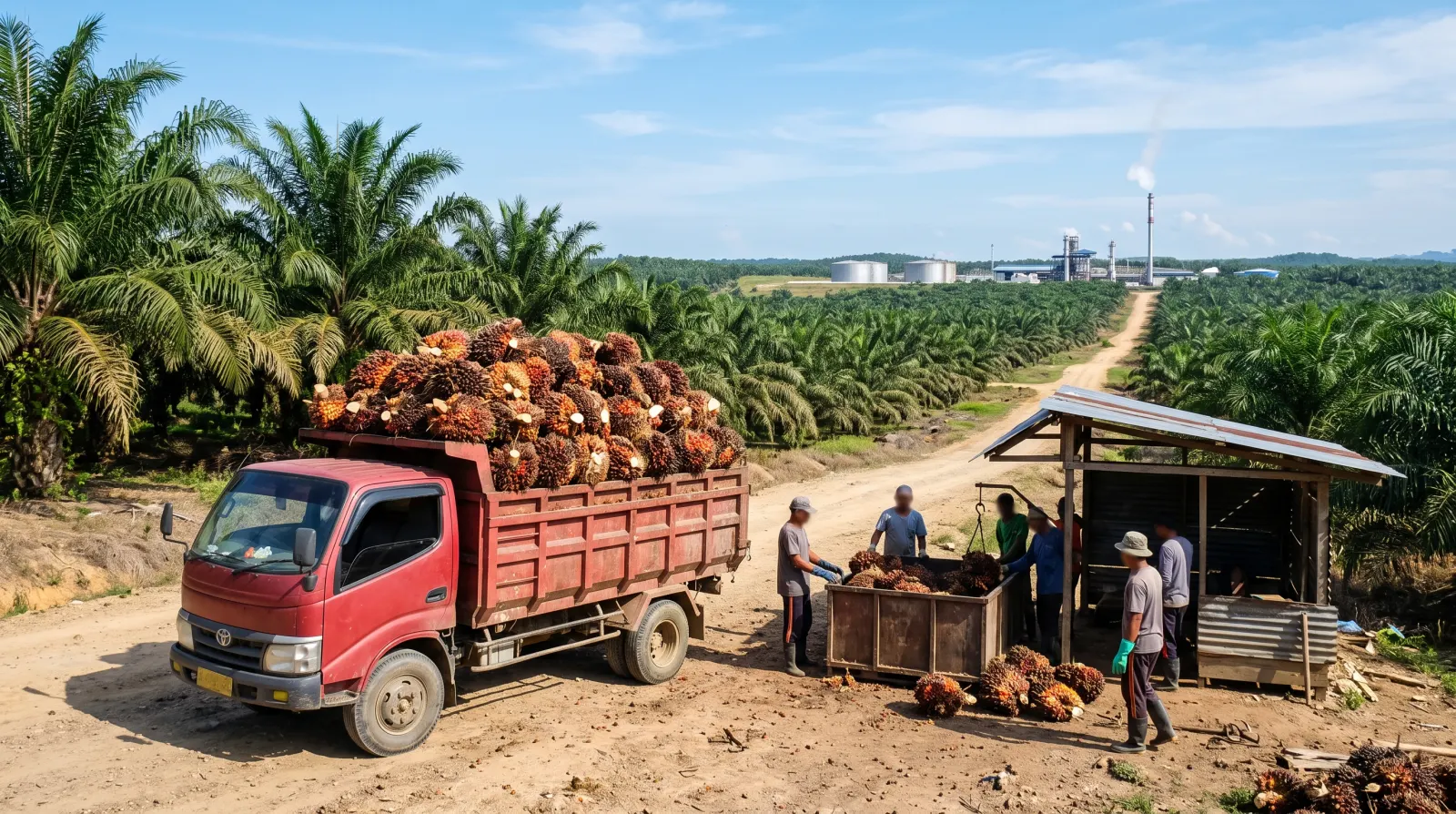
The debate will shape how B50 feedstock is supplied: through higher yields on existing plantations or through new land. A summary of the mandate rules is available on our biodiesel regulation page.
Sources & references
- Greenpeace Indonesia, "Kebijakan B50 Berpotensi Memicu Deforestasi dan Kenaikan Harga Pangan Nasional" (16 April 2026) — https://www.greenpeace.org/indonesia/siaran-pers/66050/kebijakan-b50-berpotensi-memicu-deforestasi-dan-kenaikan-harga-pangan-nasional/
- Katadata, "Di Balik B50, Risiko Hilangnya 1,5 Juta Hutan Alam hingga Inflasi Harga Pangan" (17 April 2026) — https://katadata.co.id/ekonomi-hijau/investasi-hijau/69e1baa9a0b40/di-balik-b50-risiko-hilangnya-1-5-juta-hutan-alam-hingga-inflasi-harga-pangan
- Cabinet Secretariat, "Gov't to Secure Energy Reserves, Implement B50, Save Billions of Rupiah" (31 March 2026) — https://setkab.go.id/hiyo
- Mongabay, "Indonesia's deforestation surges 66% in 2025, reversing years of decline" (3 April 2026) — https://news.mongabay.com/2026/04/indonesias-deforestation-surges-66-in-2025-reversing-years-of-decline/