Indonesia Sets 2020 Biodiesel Allocation at 9.59 Million kL for B30, Pertamina the Largest
The ESDM ministry set the 2020 biodiesel allocation at 9.59 million kilolitres via Decree 199K/20/MEM/2019. Pertamina received the largest share for the B30 blend.
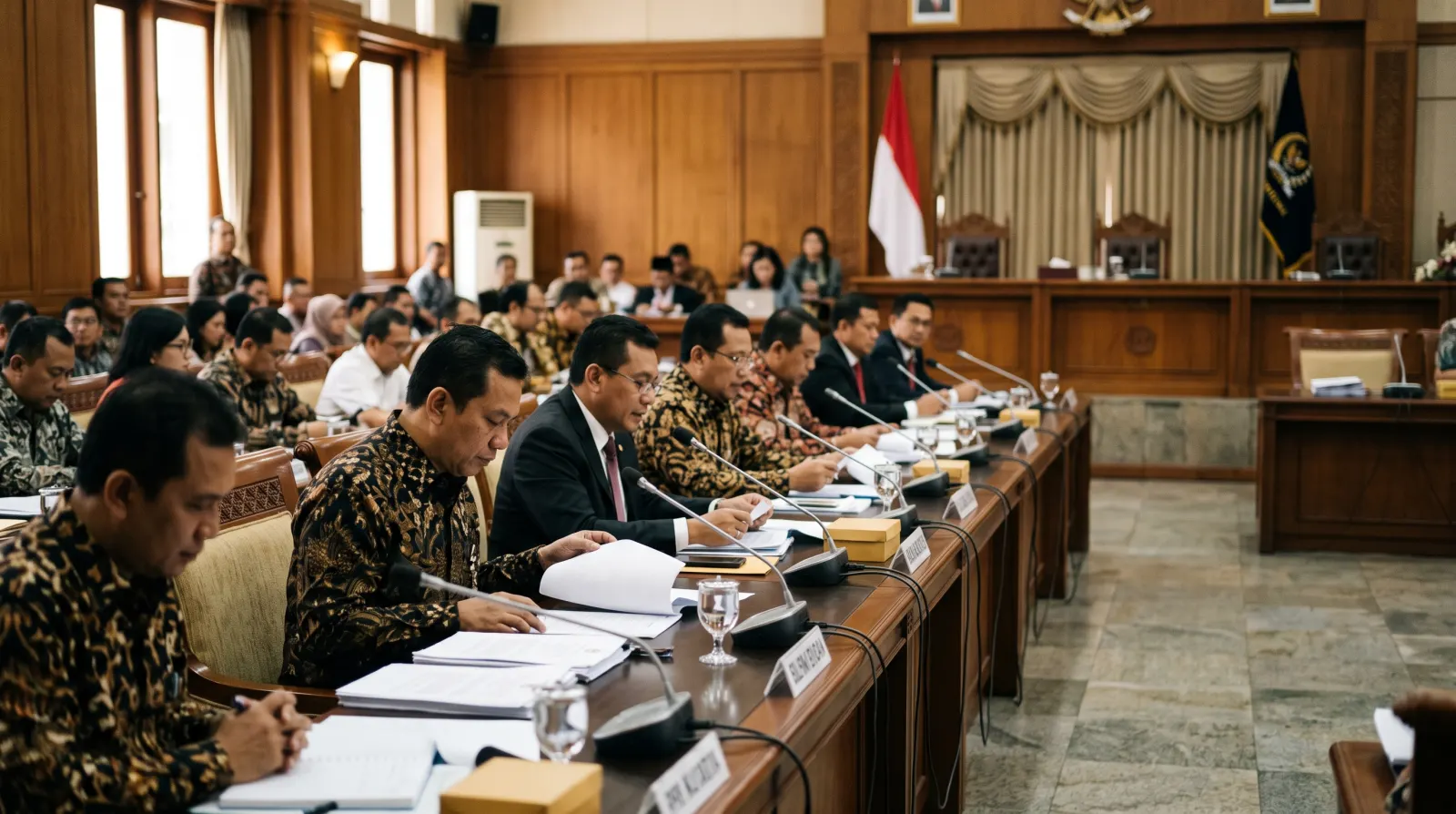
Jakarta — Indonesia's Ministry of Energy and Mineral Resources (ESDM) has set the 2020 absorption allocation of fatty acid methyl ester (FAME) for the 30 percent biodiesel blend, or B30, at 9.59 million kilolitres (kL). The figure is set out in ESDM Ministerial Decree No. 199K/20/MEM/2019 on fuel producers and biofuel producers, along with the allocation volume for blending biodiesel into diesel over January–December 2020.
Bioenergy Director Andrian Feby Misna, as quoted by Bisnis.com, said the FAME allocation rises each year as the mandate grows. With that allocation, the diesel blend required is around 30 million kL.
Pertamina the largest recipient
Of the 9.59 million kL, state-owned PT Pertamina (Persero) received the largest share at 8,382,300 kL. It was followed by PT AKR Corporindo Tbk at 498,683 kL, PT Petro Andalan Nusantara at 201,825 kL, and PT Exxonmobil Lubricants Indonesia at 139,631 kL. Other recipients include PT Jasatama Petroindo at 63,000 kL, PT Gasemas at 60,318 kL, and PT Shell Indonesia at 30,220 kL, plus smaller allocations for other diesel distributors.
Rising from B20 to B30
The 2020 allocation rose sharply from the B20 era. The ministry had earlier projected 2020 biodiesel needs at around 9.6 million kL, up about 45 percent from 6.6 million kL in 2019. National FAME production reached 3.32 million kL in 2014, 1.62 million kL in 2015, 3.65 million kL in 2016, 3.41 million kL in 2017, and 6.01 million kL in 2018. Domestic absorption in 2018 reached 4.02 million kL, which the ministry said saved US$2.01 billion, or about Rp28.42 trillion, in foreign exchange.
With a 23 percent renewable energy mix target in 2025, the ministry expects FAME use to reach about 13.8 million kL. To secure feedstock, the government is encouraging FAME plant construction in eastern Indonesia as the western region is seen as approaching saturation. Indonesia produced 47.6 million tonnes of crude palm oil in 2018, the main base of its biodiesel feedstock.
The allocation is part of preparations for the B30 mandate scheduled to apply in full from January 2020. For the palm oil industry, a larger allocation means higher domestic feedstock demand while reducing some dependence on imported diesel.
Sources & references
- Bisnis.com, "Pemerintah Tetapkan Badan Usaha Penyalur Biodiesel 2020, Ini Rinciannya" (18 October 2019) — https://ekonomi.bisnis.com/read/20191018/44/1160645/pemerintah-tetapkan-badan-usaha-penyalur-biodiesel-2020-ini-rinciannya
- CNN Indonesia, "Kementerian ESDM Taksir Kebutuhan Biodiesel 2020 9,6 Juta KL" (8 October 2019) — https://www.cnnindonesia.com/ekonomi/20191007182343-85-437535/kementerian-esdm-taksir-kebutuhan-biodiesel-2020-96-juta-kl
Stay on top of Indonesian biodiesel
The weekly newsletter: the week’s key news, prices and data in one email every Friday. Or follow our channels for daily prices.