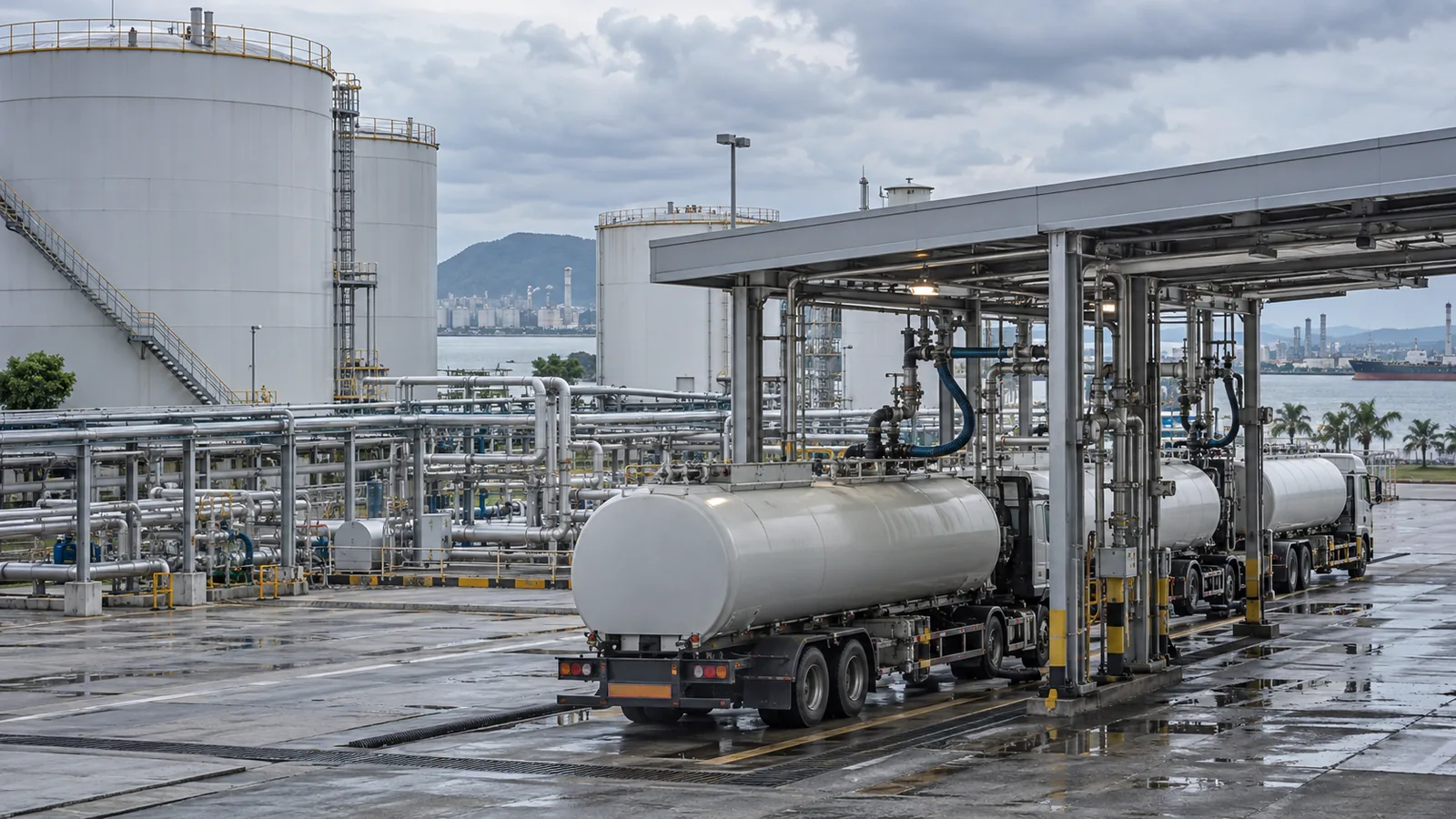
Agrinas Palma to Restart 600,000-Tonne Rengat Biodiesel Plant for Under IDR 300 Billion
State plantation firm Agrinas Palma Nusantara will reactivate a damaged biodiesel plant in Rengat, Riau, with 600,000 tonnes of annual capacity, targeting production by the end of 2027.
Contents (3 sections)
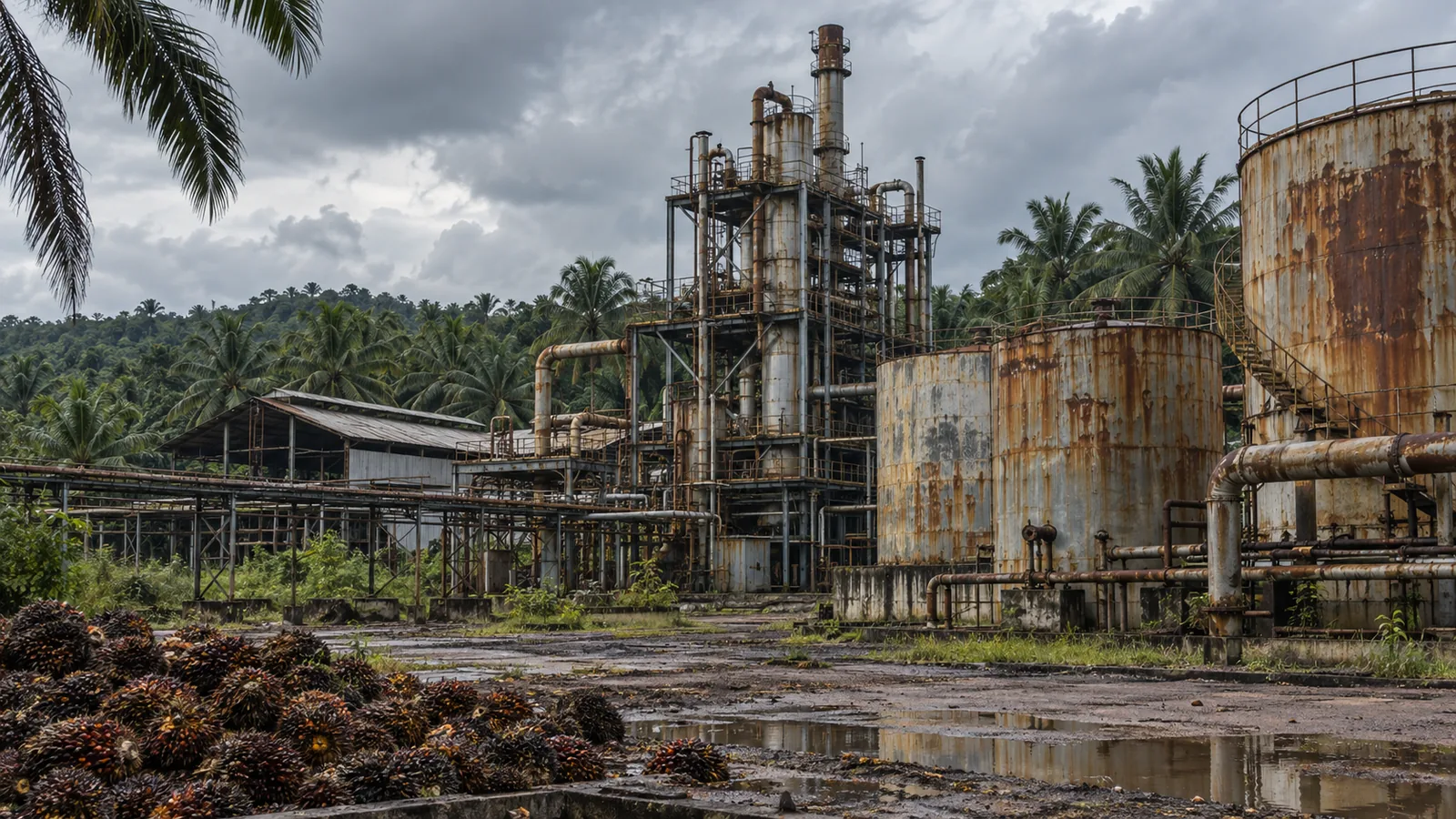
Jakarta — PT Agrinas Palma Nusantara plans to restart a biodiesel plant in Rengat, Indragiri Hulu Regency, Riau, with a capacity of 600,000 tonnes a year, at a cost of less than IDR 300 billion. President Director Mohammad Abdul Ghani said the currently damaged plant is targeted to resume production by the end of 2027 at the latest to support the B50 biodiesel mandate.
Ghani outlined the plan at the parliamentary complex in Senayan, Jakarta, on Monday, 6 July 2026. According to GEBRAK.ID, he spoke at a hearing with House Commission VI.
A repair job, not a new plant
Ghani stressed that the project does not involve building a plant from scratch. "This is really just a repair, because it is already damaged," he said, as quoted by Katadata. He described the cost as relatively low, under IDR 300 billion, which Indonesia Business Post put at about USD 18.5 million.
The feasibility study has been completed and the project is expected to move to the tender stage soon. Because it uses existing facilities, the company is targeting operations by the end of 2027 at the latest.
Agrinas Palma, a state-owned plantation company, frames the restart as part of its push into palm oil downstreaming and a way to absorb more domestic palm feedstock.
| Item | Details |
|---|---|
| Location | Rengat, Indragiri Hulu Regency, Riau |
| Capacity | 600,000 tonnes a year |
| Cost | Under IDR 300 billion (~USD 18.5 million) |
| Status | Feasibility study completed, heading to tender |
| Production target | End of 2027 at the latest |
Adding supply as B50 gets under way
Agrinas announced the plan just as B50 was being introduced. The mandate, which raises the blend from B40, took effect on 1 July 2026, according to GEBRAK.ID. ESDM spokesperson Dwi Anggia said on 30 June that facilities from upstream to downstream, including fuel stations, blending sites and distribution, were ready, while the official launch was awaiting the President's schedule, Katadata reported.
Under B50, palm-based FAME makes up 50% of the blend and fossil diesel the rest. According to GEBRAK.ID, the policy aims to reduce reliance on diesel imports, increase domestic palm oil use, add value to palm commodities, strengthen energy security and save foreign exchange. For Agrinas Palma, an additional processing plant means a chance to absorb more domestic palm feedstock.
With a target start at the end of 2027, the Rengat plant will not add to B50 supply this year. It is more relevant to supply needs in the years that follow. A list of current biodiesel producers is available in our biodiesel producer directory.
Cassava bioethanol targeted for 2030
Beyond biodiesel, Agrinas Palma is also preparing a plant to turn cassava into bioethanol, targeted for completion in 2030. According to Indonesia Business Post, the project is part of the company's plan to diversify its renewable energy portfolio beyond biodiesel. Corporate Secretary Bambang Agustian said the company is still securing land and looking for strategic investors. Producing cassava without a processing plant would be pointless, he said, as quoted by Indonesia Business Post and Katadata.
Katadata noted that the government did not launch the 5% ethanol mandate (E5) alongside B50 because ethanol supply is still being prepared. According to Anggia, the Energy Minister wants ethanol to come from domestic production rather than imports.
Sources & references
- Katadata, "Agrinas Palma Reaktivasi Pabrik Biodiesel di Riau, Biayanya Disebut Murah" (6 July 2026) — https://katadata.co.id/berita/energi/6a4b77f2ebdad/agrinas-palma-reaktivasi-pabrik-biodiesel-di-riau-biayanya-disebut-murah
- GEBRAK.ID, "Agrinas Palma Investasi Rp300 Miliar Reaktivasi Pabrik Biodiesel Riau, Siap Perkuat Pasokan B50" (6 July 2026) — https://www.gebrak.id/2026/07/agrinas-palma-investasi-rp300-miliar.html
- Indonesia Business Post, "Agrinas seeks investors for bioethanol project as biodiesel expansion advances" (7 July 2026) — https://indonesiabusinesspost.com/6850/business-and-investment/agrinas-seeks-investors-for-bioethanol-project-as-biodiesel-expansion-advances