Jhonlin Hosts B50 Soft Launch in Batulicin, Not a Nationwide Mandate
Minister Andi Amran Sulaiman attended a B50 soft launch and tried a test vehicle in Batulicin on 18 August 2024. Supply, standards and technical testing were still being prepared.
Contents (3 sections)
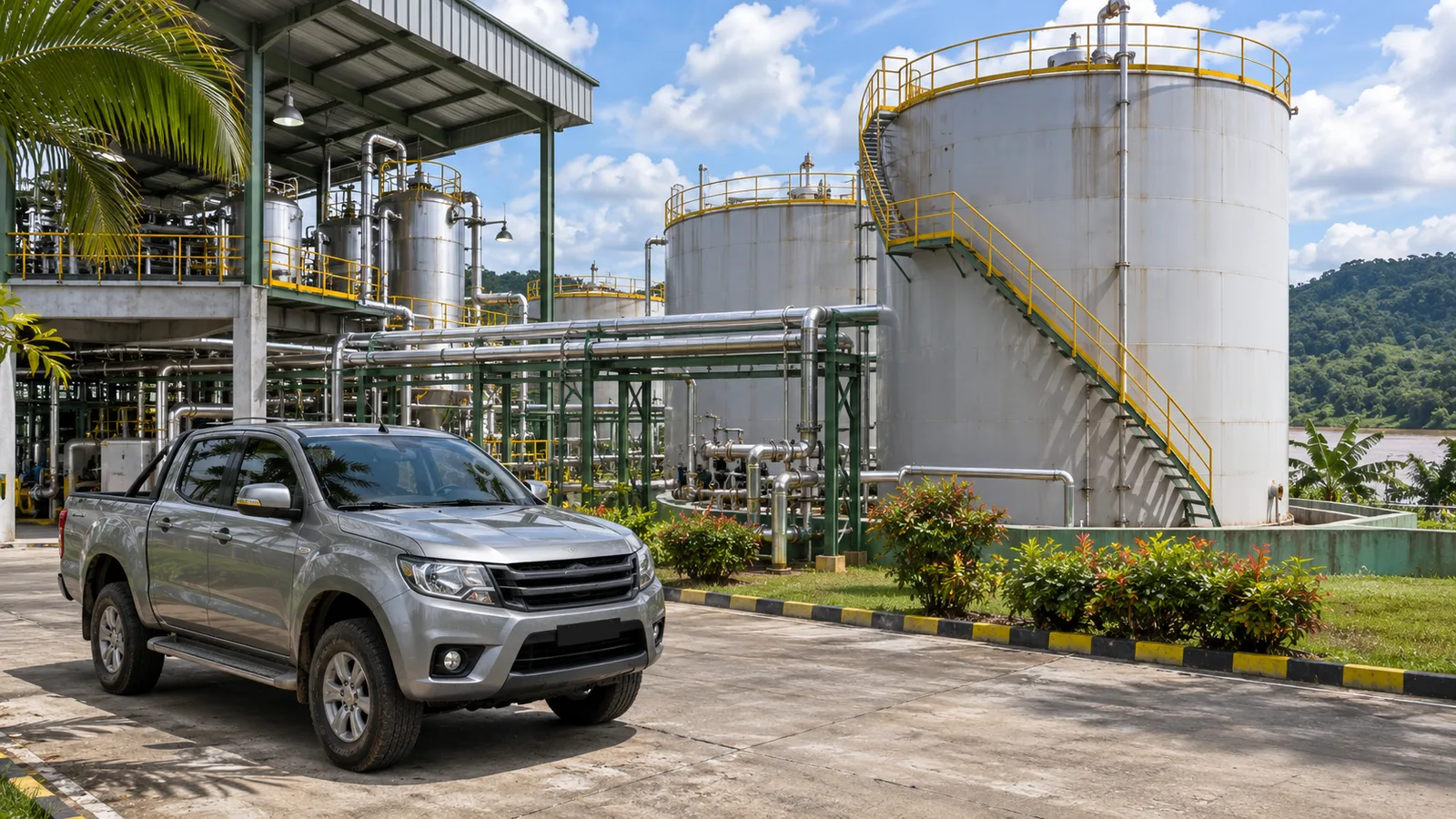
Batulicin — Agriculture Minister Andi Amran Sulaiman attended a soft launch of B50 biodiesel at PT Jhonlin Agro Raya’s plant in Batulicin, Tanah Bumbu, South Kalimantan, on Sunday, 18 August 2024. He also tried a vehicle used in a road test of the blend. The event at a single site marked a step in preparing for B50; it was not the start of a nationwide B50 mandate.
A limited launch and a test vehicle
The Ministry of Agriculture described the event at Jhonlin Agro Raya’s plant as a B50 soft launch. ANTARA reported that Amran led the trial and launch and called the company a pioneer in implementing the blend. “Pioneer” was Amran’s assessment, as reported by ANTARA, not evidence that diesel vehicles across Indonesia had switched to B50.
B50 denotes a blend containing 50% biodiesel alongside conventional diesel. ANTARA described the biodiesel component as fuel converted from palm oil. The Batulicin event therefore had a direct bearing on the possible future use of palm feedstock in diesel fuel. But a demonstration in a company vehicle is not the same as proving that production, distribution and wider adoption are ready across the market.
According to the ministry, Amran tried a B50 road-test vehicle that had used the blend for several months. He said the engine sounded good and normal during the drive. His observation during a short trial should not be read as the result of a comprehensive engine durability assessment; the ministry’s article provided no detailed technical measurements from that vehicle.
Palm supply and technical preparations
In the ministry’s account, Amran said the government was working with the Ministry of Energy and Mineral Resources and other institutions to identify what a B50 programme would require. He listed crude palm oil (CPO) supply, technical and economic assessments, fiscal considerations, infrastructure, quality standards, specifications, legal questions, application tests and road tests. Several prerequisites, in other words, remained under examination before a wider roll-out.
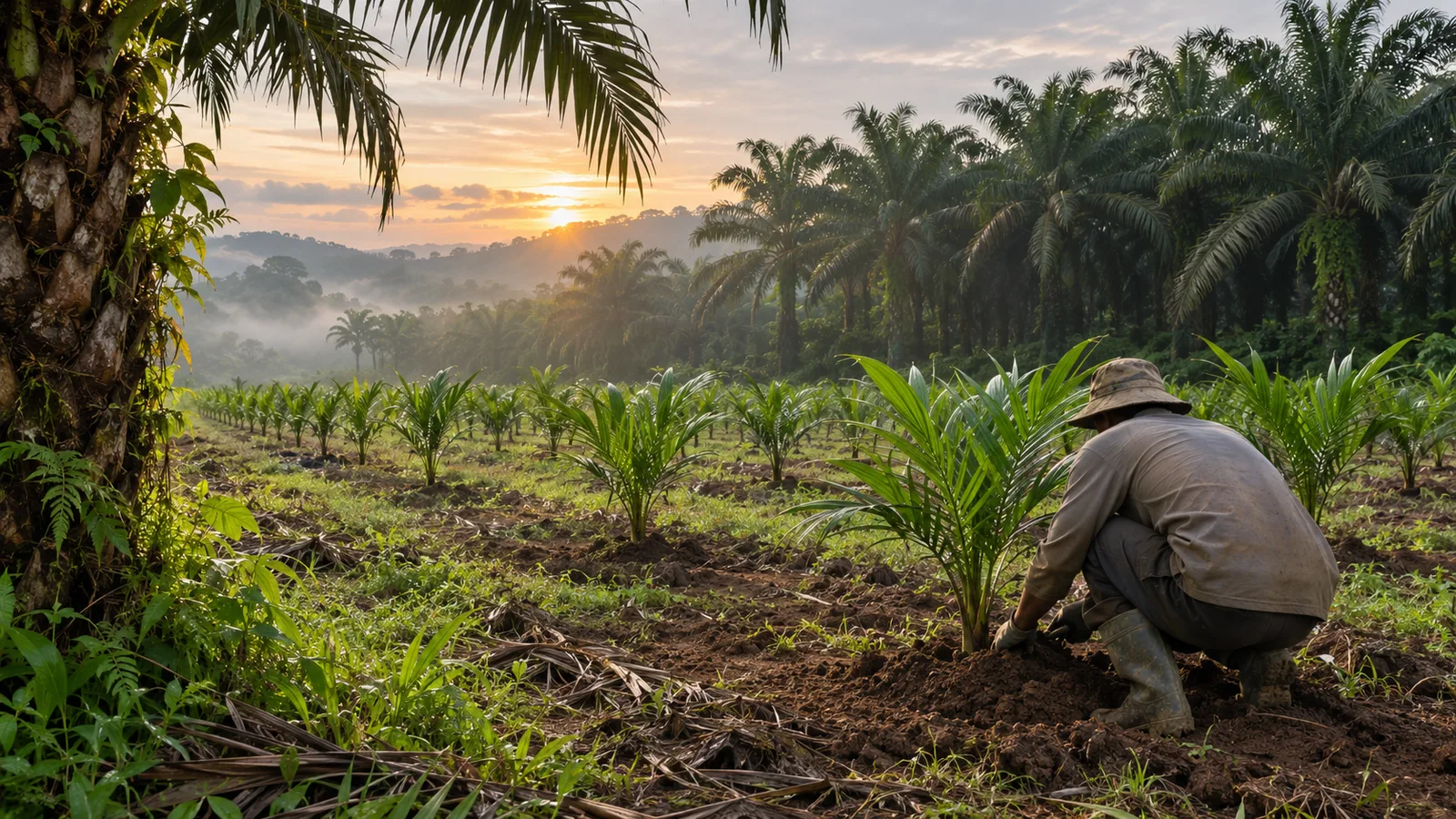
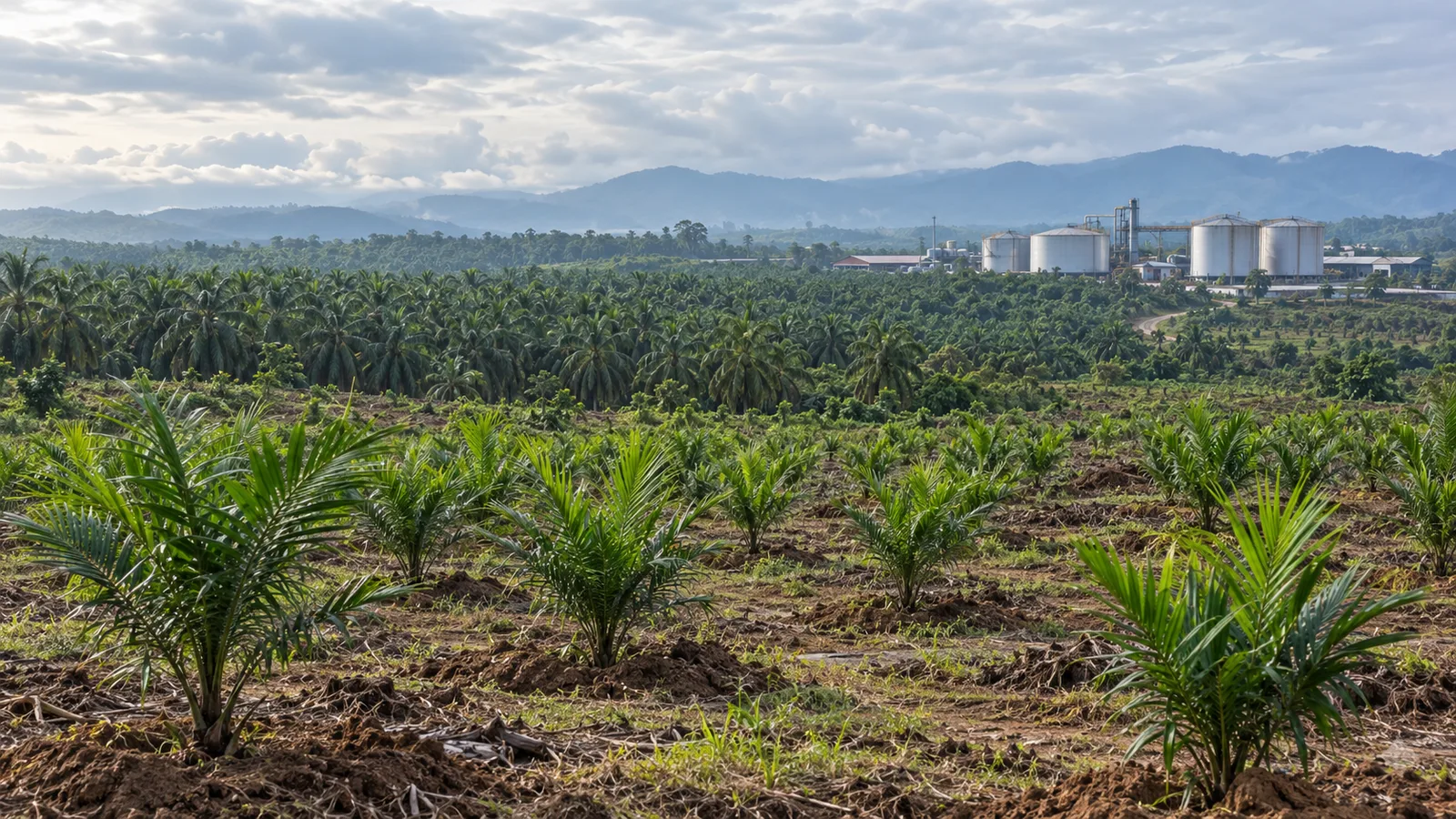
The ministry cited provisional 2023 plantation statistics putting Indonesia’s oil-palm area at 16.8 million hectares and production at 46.9 million tonnes. These figures describe the scale of the sector as presented by that source; they are not a quantity already committed to B50. Palm oil would also have to serve food, domestic industry and export demand. The ministry said public and private actors were pursuing dedicated energy plantations on degraded land to avoid disrupting those other needs. That was a proposed approach, not proof that the feedstock requirement had already been met.
ANTARA quoted Eshan Agro Sentosa Group president director Bambang A Wisena as saying that technical, policy, commercial and environmental preparations would be needed for B50 to work smoothly. His caution matches the ministry’s list of unfinished work: a limited launch signals a direction of development, but it cannot settle all questions about a nationwide programme.
What B50 meant on launch day
Amran described Batulicin as a step towards being ready to implement B50. The ministry said B35 had been in use since 2023, while placing B50 among the programmes to be pursued. Those are distinct statuses. A test of a higher blend at a company site did not, by itself, change the fuel-blending obligation for users throughout Indonesia.
The government linked palm-based biodiesel development to its aim of reducing crude-oil and fuel imports. ANTARA also reported Amran’s view that using more biodiesel could save foreign exchange and reduce reliance on palm export markets. These were his stated aims and expectations, not savings measured as a result of today’s event. Further progress would depend on feedstock, testing, standards and implementation decisions still being prepared.
Sources & references
- Ministry of Agriculture, “Mentan: Implementasi B50 Catatan Sejarah Kemandirian Energi Nasional” (18 August 2024) — https://psp.pertanian.go.id/berita/mentan-implementasi-b50-catatan-sejarah-kemandirian-energi-nasional
- ANTARA News Kalimantan Selatan, “Mentan RI: PT Jhonlin pelopor implementasi B50 di Indonesia” (18 August 2024) — https://kalsel.antaranews.com/berita/425863/mentan-ri-pt-jhonlin-pelopor-implementasi-b50-di-indonesia
Stay on top of Indonesian biodiesel
The weekly newsletter: the week’s key news, prices and data in one email every Friday. Or follow our channels for daily prices.