B50 Is KAI's Biggest Decarbonisation Programme, Targeting a 133,676-Tonne CO₂e Cut
Indonesian state railway KAI counts on B50 for 80% of its emission-reduction target, phasing it into diesel locomotives and power generator cars since 1 July 2026.
Contents (3 sections)
Jakarta — State railway operator PT Kereta Api Indonesia (Persero), or KAI, has made B50 biodiesel the backbone of its decarbonisation roadmap. Of a total emission-reduction target of 166,873 tonnes CO₂e across three decarbonisation programmes, B50 accounts for 133,676 tonnes CO₂e—around 80%.
"B50 is the decarbonisation programme with the largest contribution in KAI's roadmap," KAI Vice President of Corporate Communication Anne Purba said, as reported by ANTARA on Wednesday (7 October 2026). The other two programmes cover conservation and carbon credits, and more efficient electricity use.
Phased in since 1 July
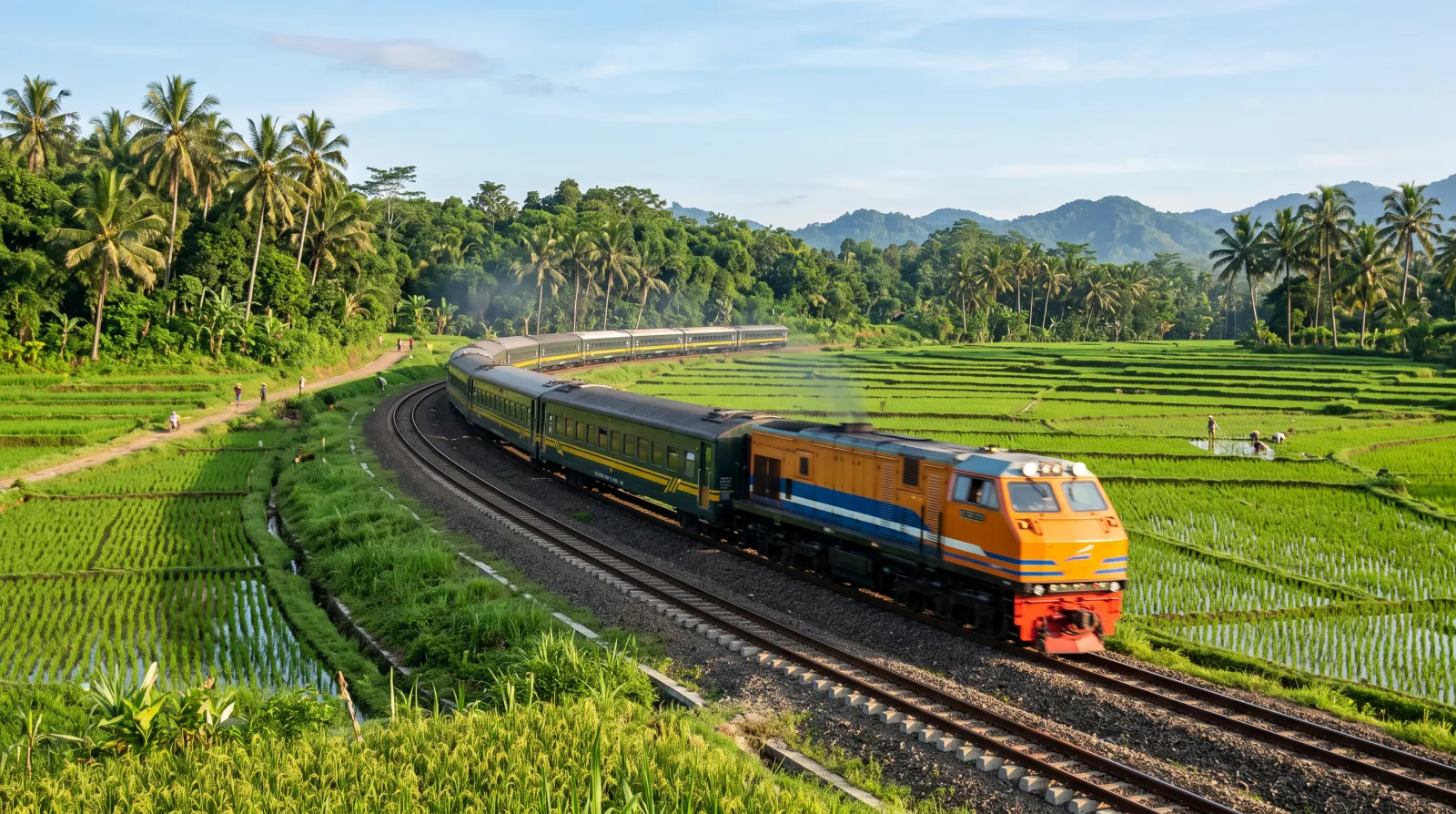
KAI has been rolling out B50 in stages across its diesel-powered rolling stock—locomotives and power generator cars—since the mandate took effect on 1 July 2026. According to ANTARA, the transition was made from B35. Anne said every change of fuel must go through technical testing and evaluation covering engine performance, combustion quality, filtration systems, maintenance patterns and operational stability. "The energy transition in the transport sector must go hand in hand with service reliability," she said.
Technical testing of B50 in the railway sector began with the Ministry of Energy and Mineral Resources (ESDM) in April 2026. Locomotive trials used a CC206 locomotive on the Sembrani service out of the Sidotopo depot, comparing B40 and B50 consumption, while an endurance test of power-car generator sets ran for 2,400 hours at Lempuyangan, as reported earlier by several media outlets.
Scale of consumption
KAI's fuel needs are substantial. As of 24 August 2026, subsidised fuel used for passenger trains totalled around 129.64 million litres. With the FAME share now at 50%, every litre of diesel burned by a locomotive contains half biofuel made from domestic palm oil.
Why it matters
Railways are one of the key tests for B50 because locomotive engines run under heavy loads and long operating hours—conditions that challenge fuel stability, filters and maintenance routines. KAI's experience complements the B50 road tests in the automotive, heavy-equipment and mining sectors that underpinned the government's decision. Nationally, the Ministry of Energy and Mineral Resources projects that B50 will cut emissions by around 44.46 million tonnes CO₂e in 2026.
It should be noted that the 133,676 tonnes CO₂e figure is a target in KAI's roadmap, not a measured achievement. See also: biodiesel quality standards and maintenance practices.
Sources & references
- ANTARA, "B50 Jadi Program Dekarbonisasi Terbesar KAI, Targetkan Reduksi 133.676 Ton CO₂e" (7 October 2026) — antaranews.com
- Katadata, "KAI Fokus Uji Biodiesel B50, Target Turunkan Emisi 133.676 ton CO2e" (2026) — katadata.co.id
- RRI, "KAI Targetkan Pangkas Emisi 133.676 Ton CO2e lewat B50" (2026) — rri.co.id
- Bisnis.com, "KAI Uji Coba Implementasi Kereta Diesel B50" (23 April 2026) — bisnis.com
- Bisnis.com, "KAI Terapkan B50 Bertahap pada Lokomotif dan Kereta Pembangkit" (14 July 2026) — bisnis.com