Pertamina Secures 7,000 kL SAF Contract with Cathay Pacific, Readies US$1.1 Billion Biorefinery
Pertamina says it will sell around 7,000 kL of SAF made with a used cooking oil blend to Cathay Pacific in 2026, while preparing a dedicated SAF biorefinery in Cilacap.
Contents (3 sections)
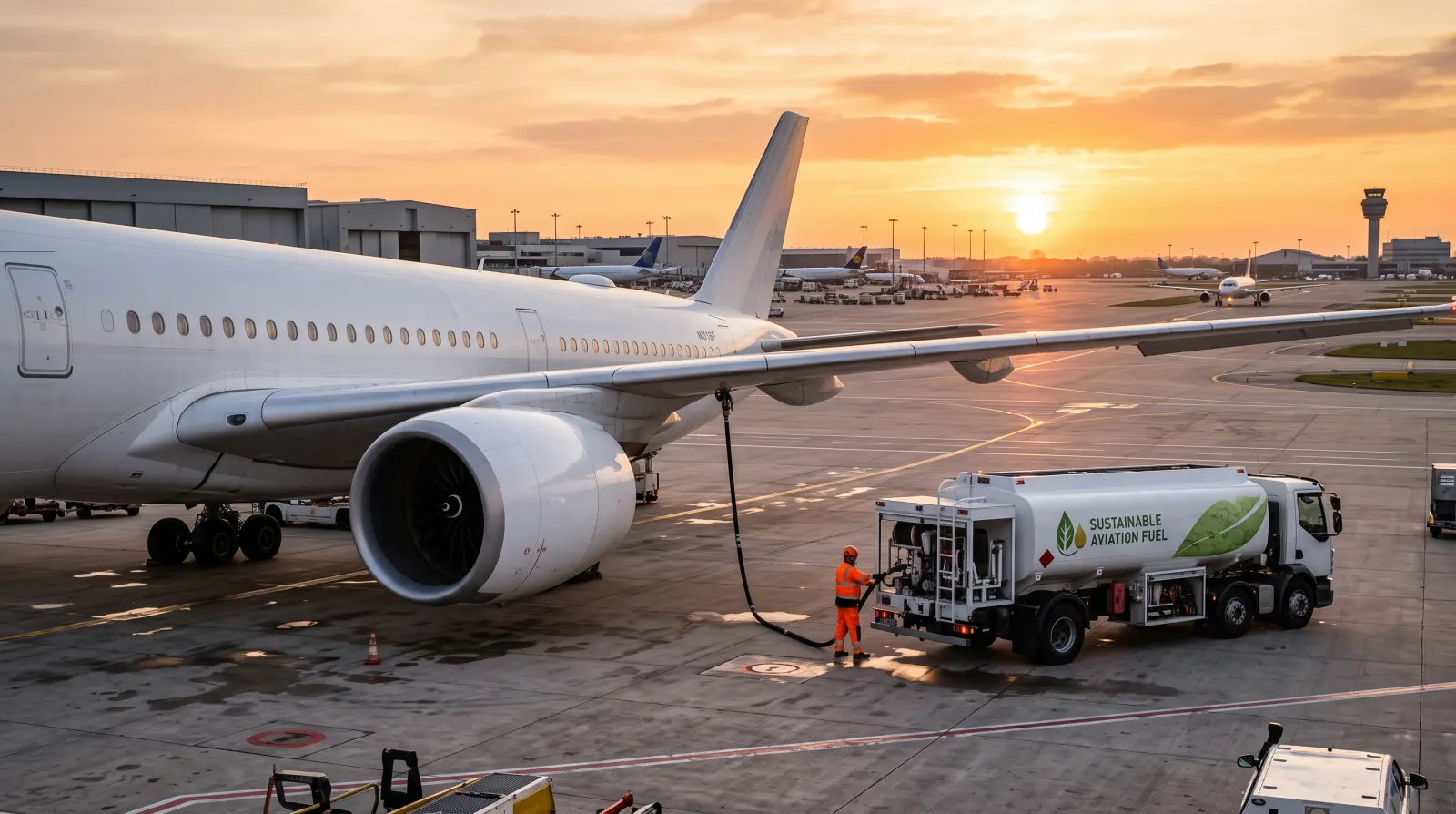
Jakarta — PT Pertamina (Persero) says it has secured a contract to sell around 7,000 kilolitres of sustainable aviation fuel (SAF) to Cathay Pacific for 2026. The SAF is produced using a blended feedstock that includes used cooking oil (UCO).
The information was shared by Pertamina SVP Business Sustainability Wenny Ipmawan at the Green Economy 2045 National Seminar in Jakarta on Tuesday (29 September 2026), as reported by Kontan and Warta Ekonomi. According to Wenny, the contract is one sign that a market for domestically produced SAF is starting to take shape, while Indonesia's own SAF mandate is expected to apply from 2027 (Wenny said she hoped it would be in force by 2027; the 1% SAF plan is discussed in this article).
From co-processing to a dedicated biorefinery
Pertamina currently produces SAF through co-processing at existing refinery units, blending bio-based feedstock into the jet fuel production process at the Cilacap Refinery. Commercial production of UCO-based SAF at Cilacap has reportedly been running since early 2026, and Pertamina says the product meets the CORSIA Eligible Fuel standard—a requirement for SAF to be recognised under ICAO's emissions-reduction scheme for international aviation.
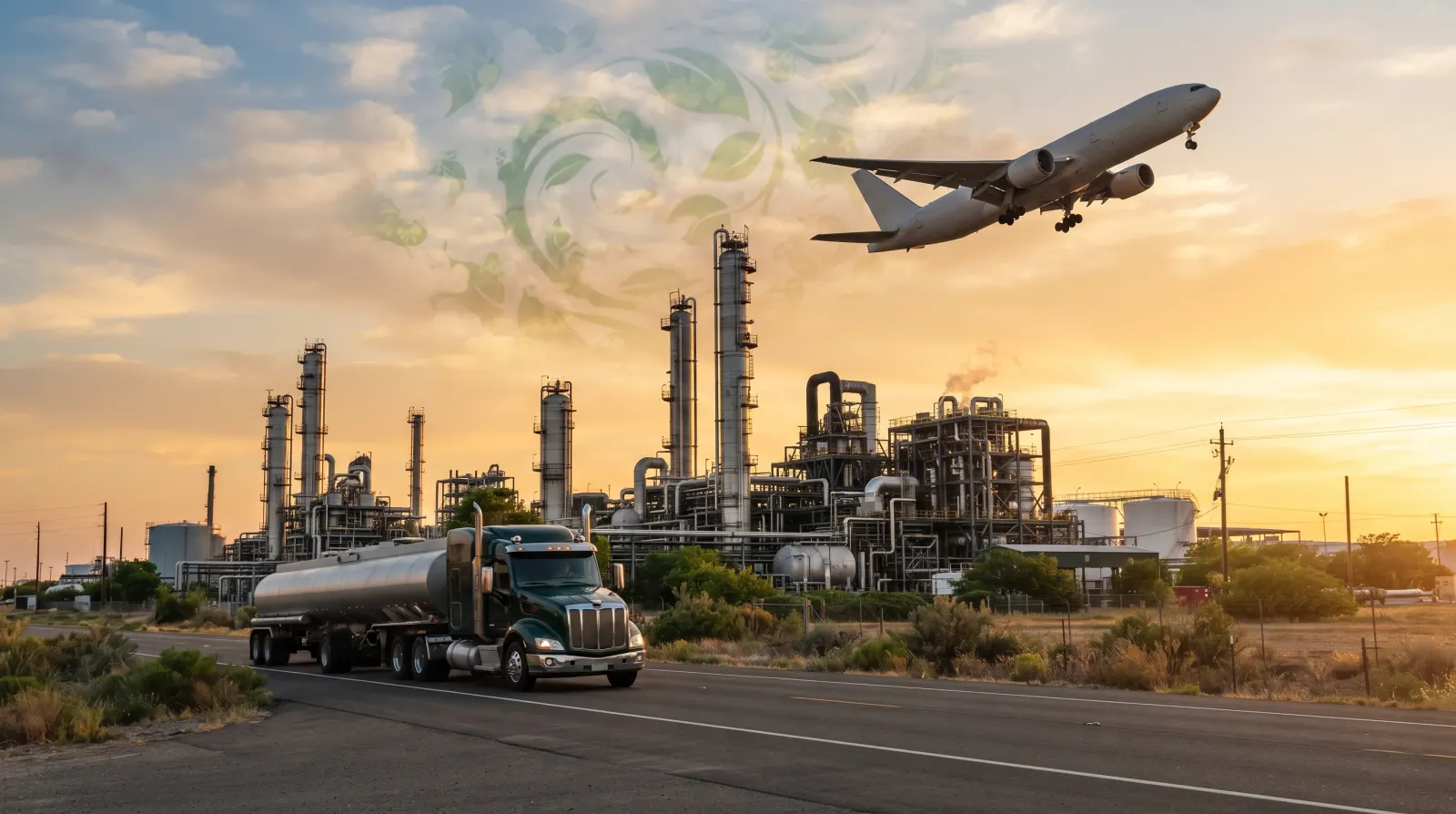
Looking ahead, Pertamina is preparing a dedicated SAF biorefinery within the Cilacap Refinery complex, with an investment of around US$1.1 billion. The facility is projected to begin operating in September 2029 with capacity of up to around 860 kilolitres per day, or roughly 288,000 kilolitres per year. Pertamina is also extending ISCC sustainability certification across its SAF supply chain at several sites, including a jet fuel terminal in Surabaya.
Used cooking oil becomes a commodity
The choice of UCO as the main SAF feedstock is no accident. The global SAF market—Europe in particular—regards waste-based feedstocks as carrying lower sustainability risk than virgin vegetable oils. An EASA report shows that around 80% of the SAF supplied at European Union airports in 2025 was made from used cooking oil. For Indonesia, this opens an opportunity to turn household and food-industry waste into a high-value export commodity—while also demanding reliable collection and traceability systems.
Note
The contract information comes from Pertamina; at the time of writing, Media Biodiesel had not found separate confirmation of the volume from Cathay Pacific. Pertamina and Cathay Pacific had previously been exploring SAF development cooperation since November 2025 (Quantum Commodity Intelligence). Read also: Biodiesel, HVO and SAF: What's the Difference?
Sources & references
- Kontan, "Pertamina Kantongi Kontrak SAF 7.000 KL dari Cathay Pacific" (30 September 2026) — kontan.co.id
- Warta Ekonomi, "Cathay Pacific Hong Kong Serap SAF Pertamina, Kontrak 7.000 KL Dikunci 2026" (2026) — wartaekonomi.co.id
- Warta Ekonomi, "Siapkan Investasi US$1,1 Miliar, Pertamina Bangun Biorefinery Cilacap Khusus SAF Minyak Jelantah" (2026) — wartaekonomi.co.id
- CNBC Indonesia, "Pertamina Perluas Layanan Avtur Ramah Lingkungan SAF Untuk Penerbangan" (2 September 2026) — cnbcindonesia.com
- CNBC Indonesia, "Pertamina Mulai Jual Bioavtur dari Minyak Jelantah Untuk Pesawat" (16 April 2026) — cnbcindonesia.com
- EASA, "EU sustainable aviation fuel supply exceeds 2025 ReFuelEU Aviation target" (17 September 2026) — easa.europa.eu