Pupuk Indonesia Plans Two 1-Million-Tonne Methanol Plants for B50, Imports Could Hit 2.5 Mt
Pupuk Indonesia and Danantara have proposed two methanol plants in Lhokseumawe and Bontang, 1 million tonnes each, as methanol demand under B50 is projected to rise to about 2.9 million tonnes.
Contents (4 sections)
Jakarta — State fertiliser group PT Pupuk Indonesia (Persero) is preparing two methanol plants, in Lhokseumawe, Aceh, and Bontang, East Kalimantan, to support the B50 biodiesel mandate scheduled to take effect on 1 July 2026. President Director Rahmad Pribadi said the proposal, made jointly with Danantara, covers two plants of 1 million tonnes each, with construction expected to take around 40 months.
Rahmad set out the plan at two parliamentary hearings this week: a working meeting with House Commission XI on Thursday, 2 April 2026, as reported by Antara via Kompas.com, and a working meeting with Commission IV on Tuesday, 7 April 2026, as reported by Katadata and Fortune Indonesia.
Why methanol matters for B50
Methanol is the input used alongside palm oil to make FAME (fatty acid methyl ester) biodiesel. Rahmad put it simply: methanol plants are needed so that CPO can be converted into biofuel, Fortune Indonesia quoted him as saying. Related terms are explained in our biodiesel glossary.
The problem is that Indonesia's methanol supply relies heavily on imports. According to Rahmad's presentation cited by Kompas.com, national methanol demand in 2025 was estimated at about 1.8 million tonnes, while domestic production capacity is only around 400,000 tonnes, leaving roughly 1.4 million tonnes to be imported. Katadata and Fortune Indonesia, citing the 7 April hearing, put imports at about 1.5 million tonnes a year. The difference reflects two separate presentations.
Demand set to climb to 2.9 million tonnes
With the mandate rising from B40 to B50, Rahmad expects methanol demand to reach about 2.9 million tonnes. Without additional domestic capacity, imports are projected to jump from 1.4 million tonnes to around 2.5 million tonnes.
| Indicator | Figure | Note |
|---|---|---|
| Methanol demand, 2025 | ~1.8 million tonnes | Pupuk Indonesia estimate |
| Domestic production capacity | ~400,000 tonnes | Current |
| Imports | 1.4–1.5 million tonnes/year | Figures differ between presentations |
| Demand under B50 | ~2.9 million tonnes | Projection |
| Imports without new plants | ~2.5 million tonnes | Projection |
Sites chosen for gas and existing industrial zones
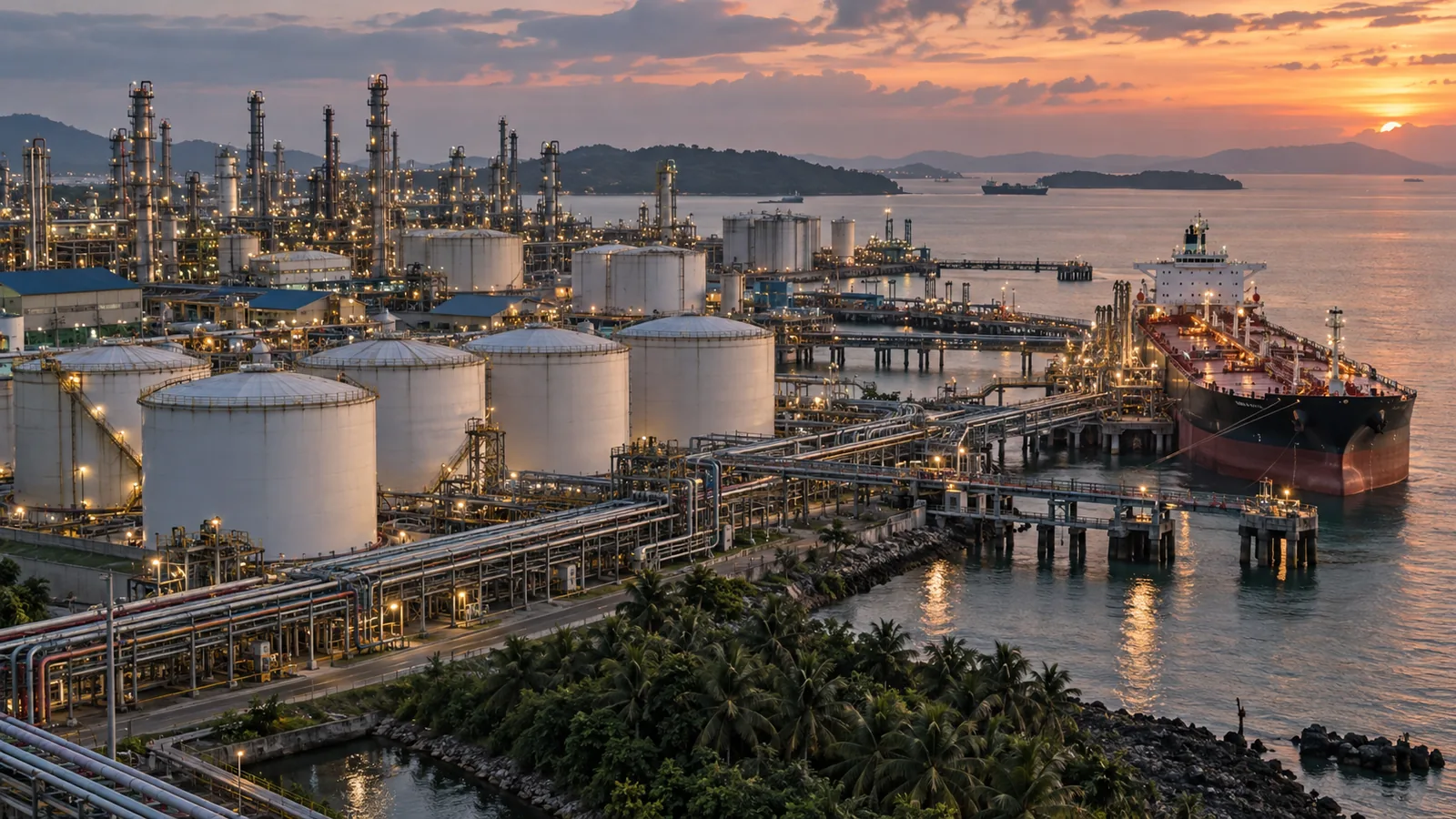
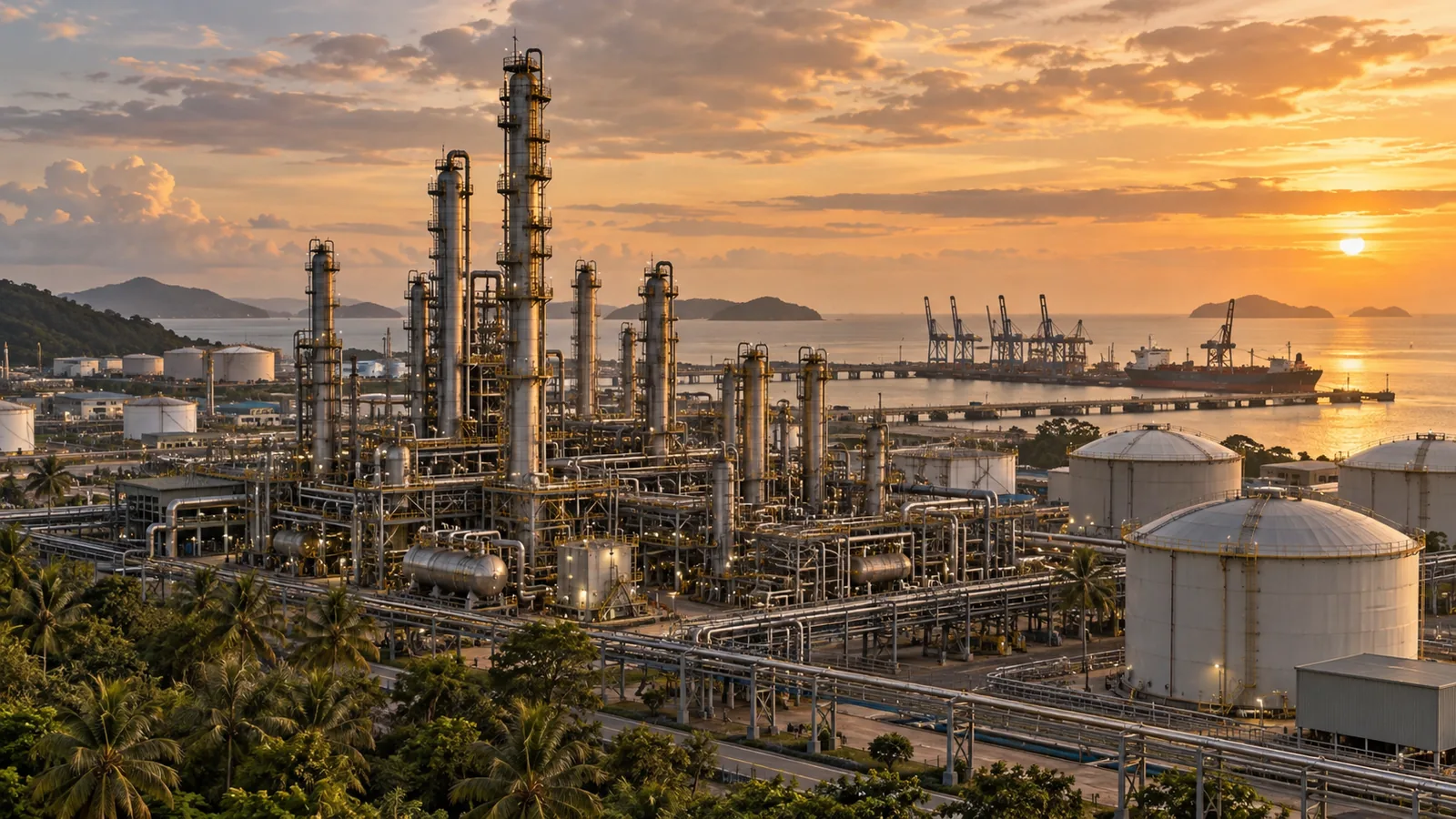
Both Lhokseumawe and Bontang already have industrial estates, ports and energy access. Rahmad said the sites were chosen because gas supply is available and the industrial zones already exist, which should speed up construction, Katadata reported.
According to Fortune Indonesia, both projects have completed a pre-feasibility study. For gas supply, Pupuk Indonesia has signed a memorandum of understanding (MoU) with Mubadala Energy, while coordination with parties in East Kalimantan is continuing for the Bontang project. The investment value has not been disclosed because it is still being calculated.
If both plants are built, Rahmad said state-owned methanol capacity would reach about 2 million tonnes, plus around 400,000 tonnes from the private sector. He also linked the project to food security as well as energy security. Fortune Indonesia noted that the assignment to Pupuk Indonesia came out of a downstreaming meeting chaired by Agriculture Minister Andi Amran Sulaiman.
Context: B50 and expected savings
The government has confirmed that B50 takes effect on 1 July 2026. Coordinating Minister for Economic Affairs Airlangga Hartarto, quoted by Kompas.com, said the policy is expected to save around IDR 48 trillion in subsidies and cut fossil fuel consumption by about 4 million kL a year. Fortune Indonesia quoted Airlangga as saying savings on fossil fuel and biodiesel subsidies should be visible within the first six months.
With a construction period of around 40 months, the new methanol plants will not be running when B50 starts. That means, at least in the early phase of B50, the biodiesel industry will still rely on imported methanol to bridge the gap between demand and domestic output. Data on national biodiesel producers is available in our biodiesel producer directory.
Sources & references
- Kompas.com (Antara), "Pupuk Indonesia Jajaki Pembangunan Pabrik Metanol" (3 April 2026) — https://lestari.kompas.com/read/2026/04/03/105136786/pupuk-indonesia-jajaki-pembangunan-pabrik-metanol
- Katadata, "Pupuk Indonesia akan Bangun 2 Pabrik Metanol untuk Dukung B50" (7 April 2026) — https://katadata.co.id/amp/berita/industri/69d4c0877ae70/pupuk-indonesia-akan-bangun-2-pabrik-metanol-untuk-dukung-b50/
- Fortune Indonesia, "Pupuk Indonesia Akan Bangun Dua Pabrik Metanol Demi B50" (7 April 2026) — https://www.fortuneidn.com/news/pupuk-indonesia-akan-bangun-dua-pabrik-metanol-demi-b50-00-my5jv-l6h1jl