Indonesia Reopens CPO Exports as Cooking Oil Supply Exceeds Demand
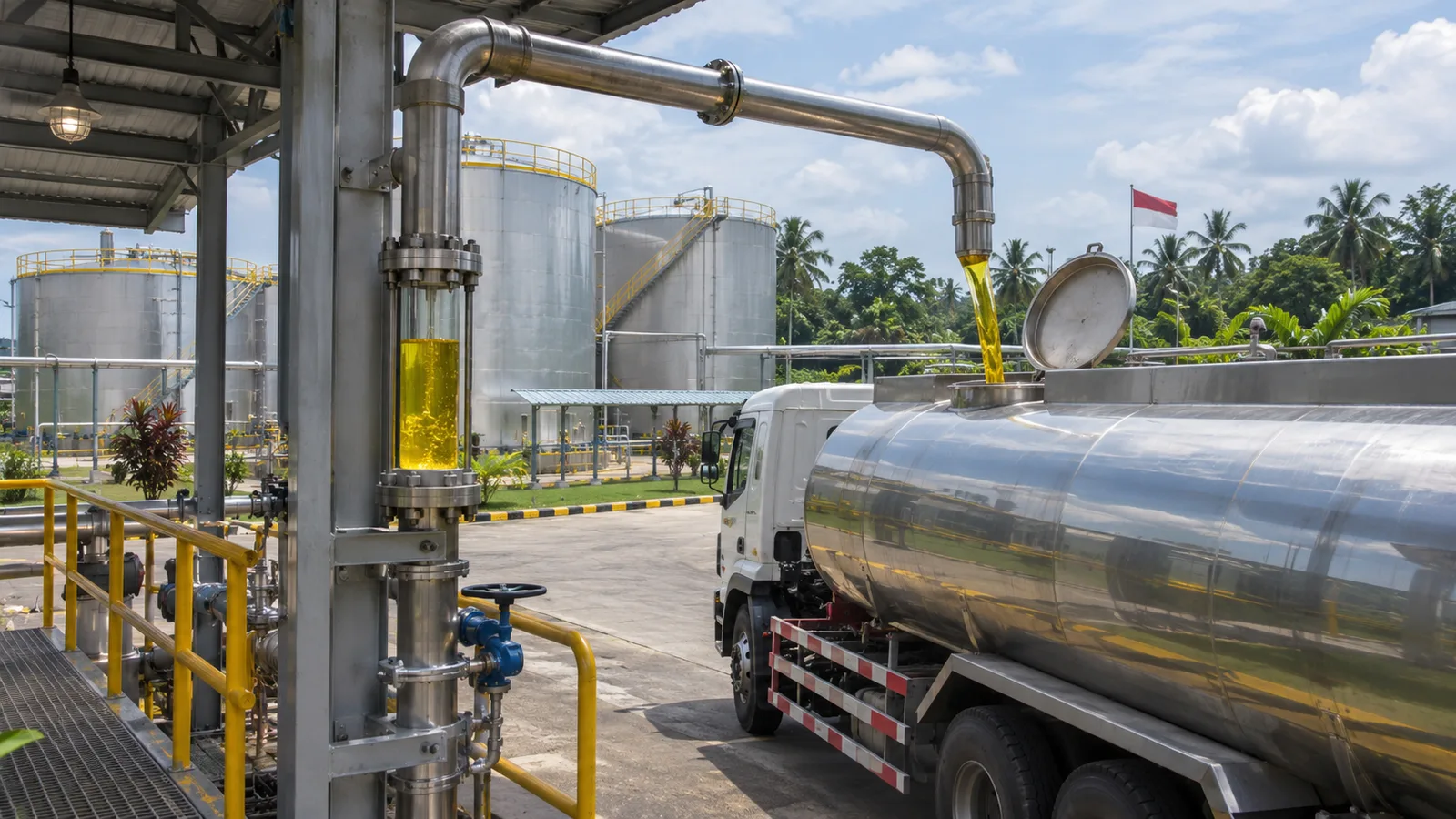
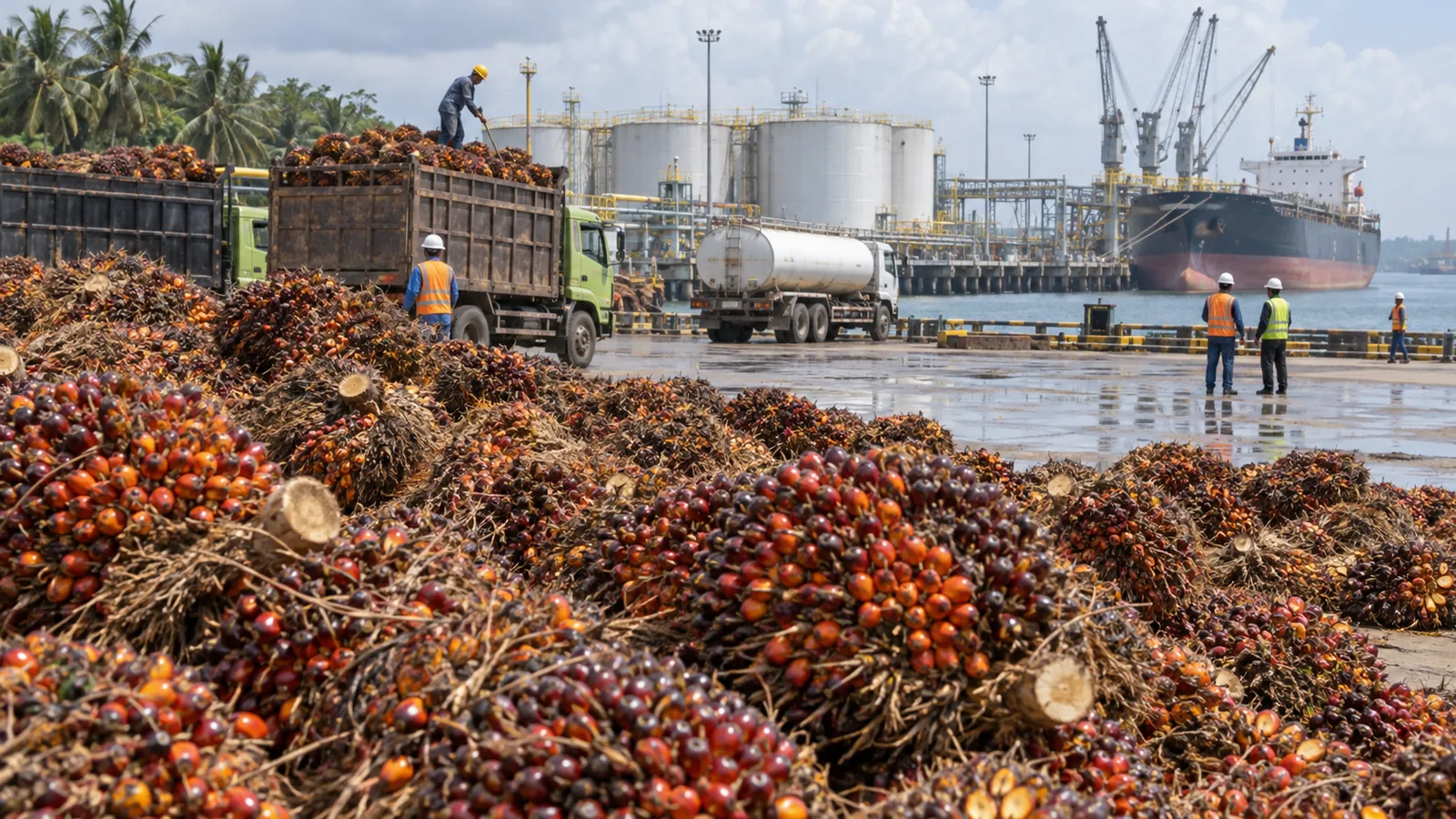
Indonesia reopened CPO exports after a nearly four-week ban lifted bulk cooking oil supply, although prices remained above the official target.
Media Biodiesel articles on Policy: news, data and analysis on Indonesian biodiesel.
Indonesia reopened CPO exports after a nearly four-week ban lifted bulk cooking oil supply, although prices remained above the official target.
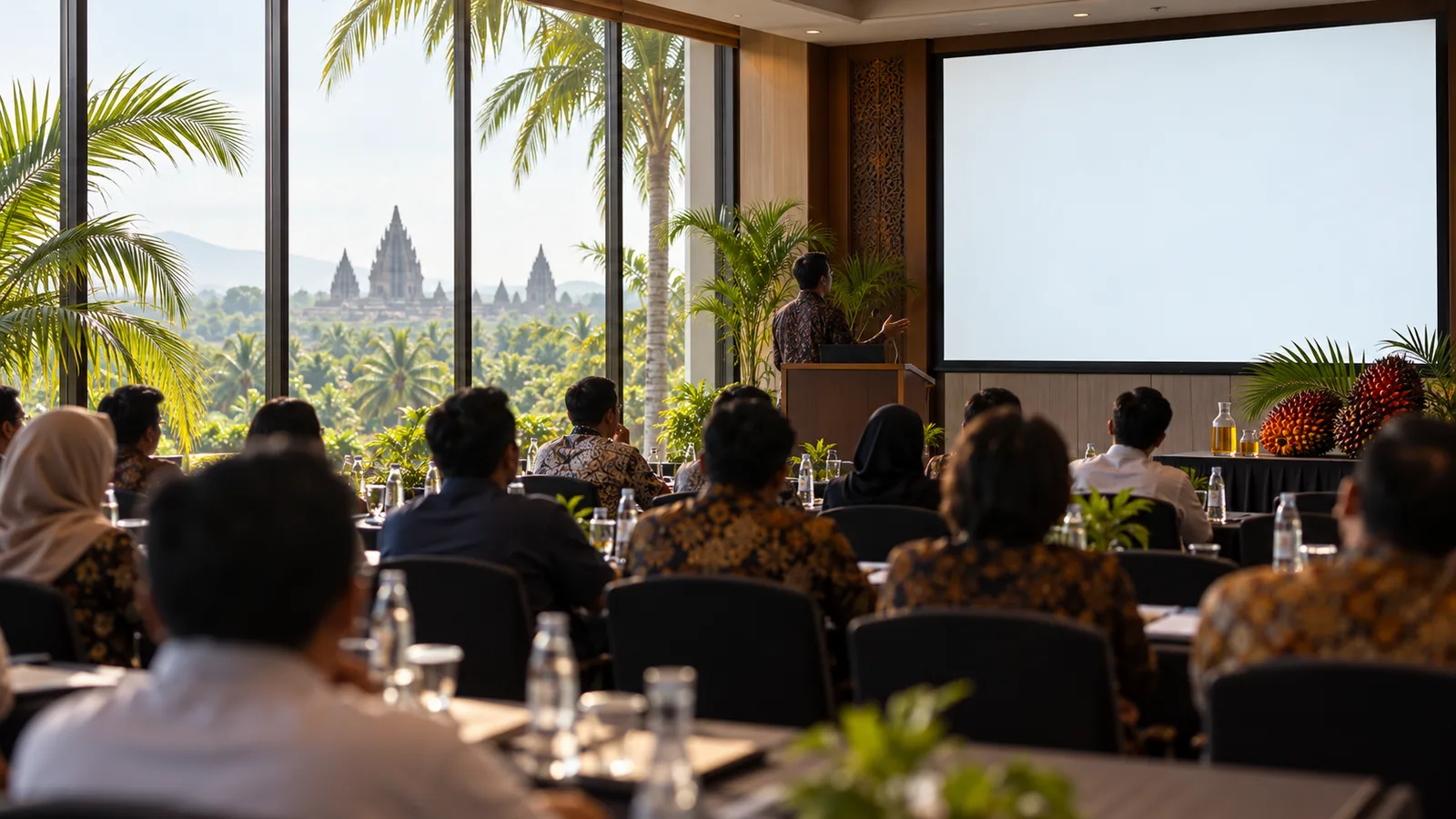
At a March 2022 conference, ESDM proposed voluntary downstream sustainability indicators while higher biodiesel blends remained under study.
ESDM reported 97.89% biodiesel quota utilisation and 94.17% B30 distribution; US$4.54 billion was a potential saving.
A 30 November 2021 decision allocates 10,151,018 kL for 2022 and raises this year's quota by 213,033 kL.
Indonesia raised its 2021 B30 biodiesel allocation to 9,413,033 kL on 30 November as diesel demand recovered, according to ESDM.
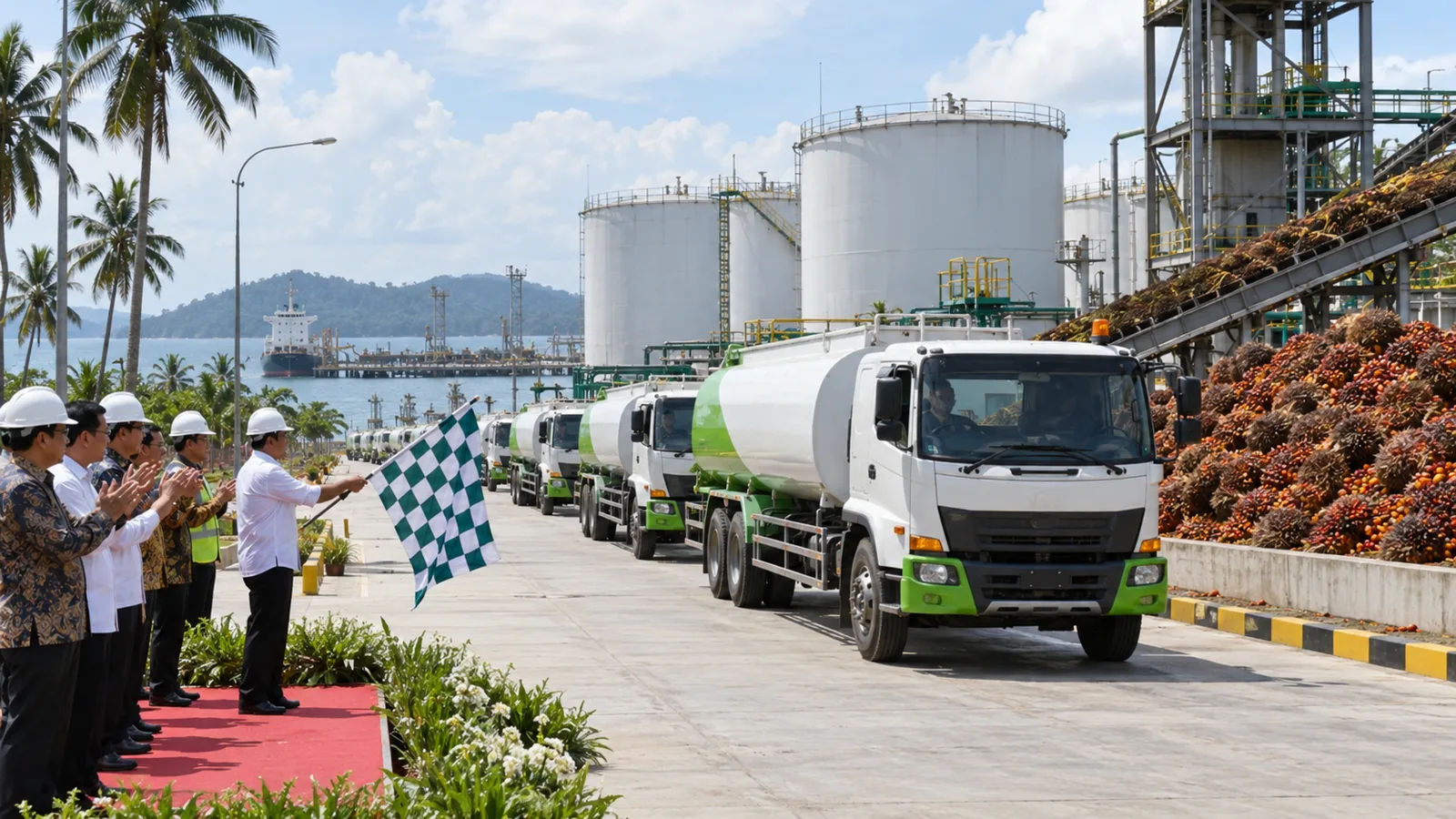
The 21 October 2021 inauguration added palm-oil processing capacity; an announced B50 ambition was not yet a mandate.
Indonesia raised the progressive palm export levy threshold to US$750 per tonne while maintaining funding for BPDPKS programmes.
ESDM allocated 9.2 million kL of biodiesel for 2021 B30 blending, below its 2020 target, and appointed 20 suppliers amid the pandemic.
Through PMK 191/2020, Indonesia raised its CPO export levy to a progressive US$55–US$255 per tonne scale to fund palm programmes, including B30 biodiesel incentives.
The WTO established a DS593 panel on 29 July 2020 following Indonesia's second request. The procedural step was not a ruling on the complaint.
Indonesia distributed 2.17 million kL of biodiesel in Q1 2020, 90.4% of purchase orders, as pandemic conditions weakened B30 demand.
President Joko Widodo inaugurated B30 ahead of nationwide implementation on 1 January 2020, with projected biodiesel absorption of 9.6 million kL.