Indonesia Allocates 9.2 Million kL of Biodiesel for 2021 B30 Programme
ESDM allocated 9.2 million kL of biodiesel for 2021 B30 blending, below its 2020 target, and appointed 20 suppliers amid the pandemic.
Contents (3 sections)
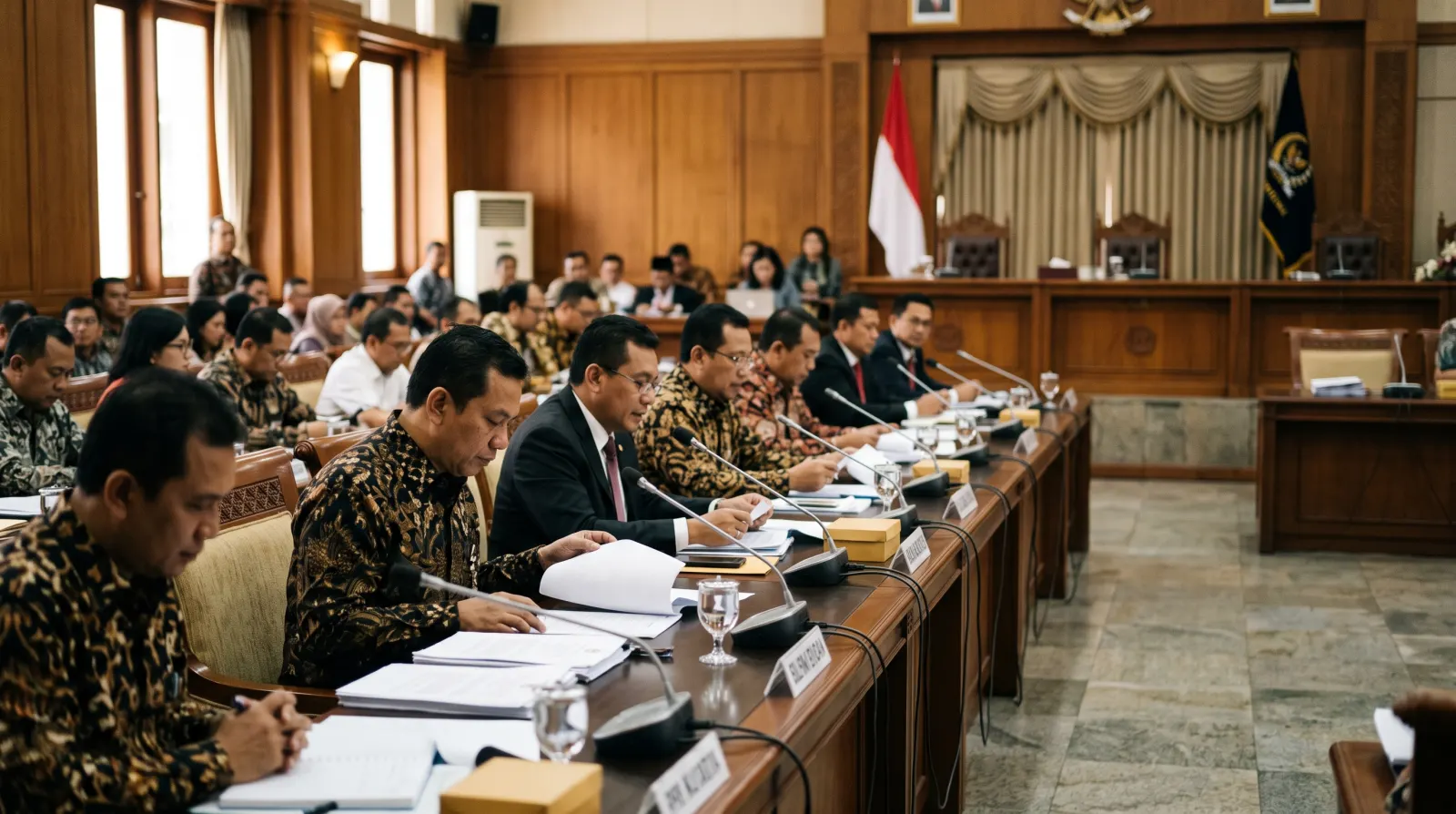
Jakarta — Indonesia's Ministry of Energy and Mineral Resources (ESDM) announced on 22 December 2020 that it had allocated 9.2 million kilolitres (kL) of biodiesel for the 2021 B30 diesel-blending programme. Under ESDM Ministerial Decree No. 252.K/10/MEM/2020, dated 18 December, the government designated 20 biodiesel suppliers. The new allocation was below the 2020 target of 9.6 million kL, reflecting the government's assessment of the pandemic's effect on demand and supply disruptions during the current year.
A lower allocation without changing the B30 blend
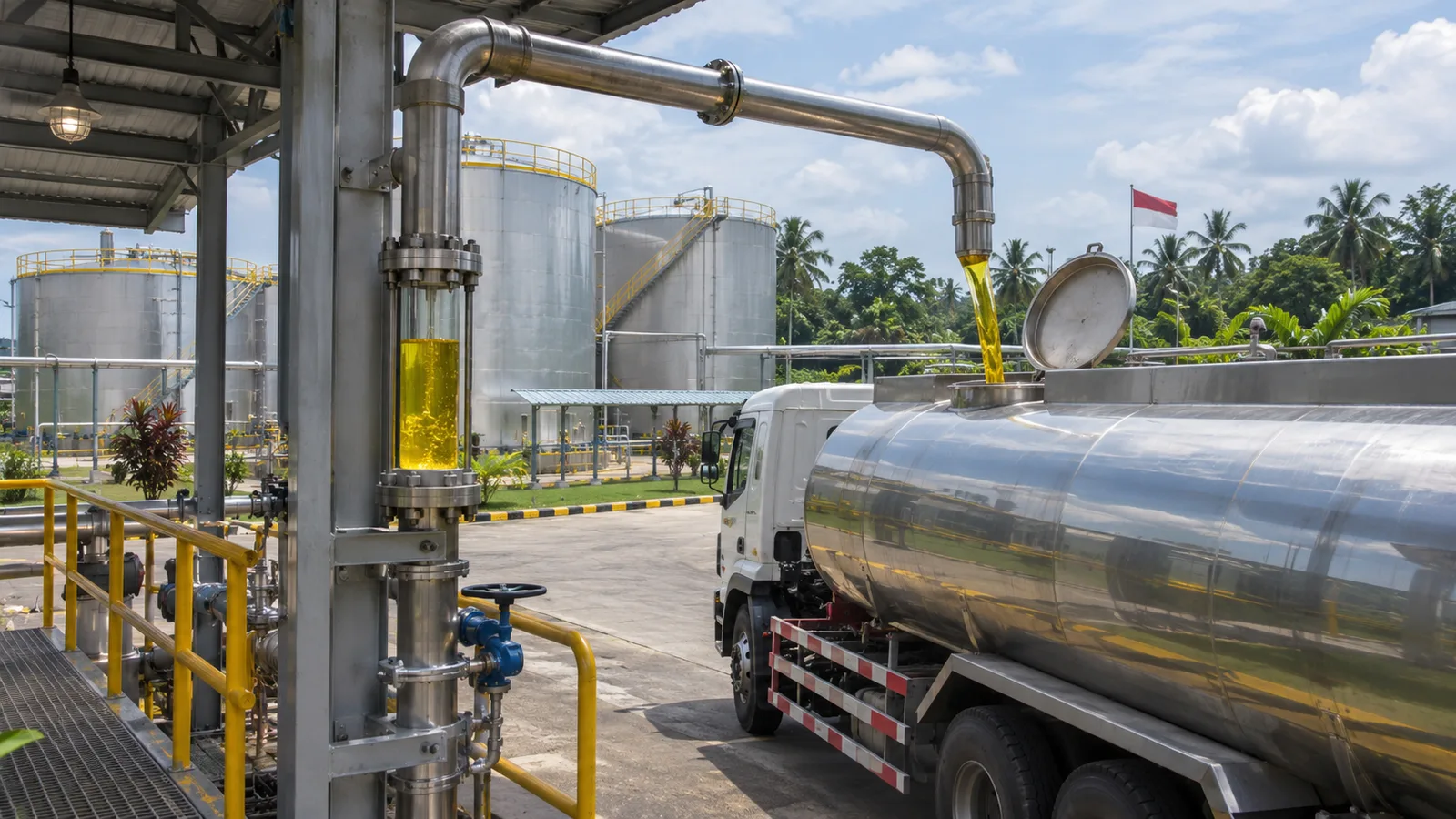
B30 denotes a blend of 30% biodiesel and 70% petroleum diesel. The 9.2 million kL figure did not introduce a new blending percentage. It set the planned volume of biodiesel available to supply B30 in 2021. The distinction matters: a mandate states the share of biodiesel in the blended fuel, while the number of kilolitres needed also depends on the amount of diesel consumed.
In the ministry's press release, Dadan Kusdiana, director-general of New, Renewable Energy and Energy Conservation (EBTKE), said the effects of Covid-19 were expected to continue into 2021. Bisnis.com reported the same explanation on 22 December. The announced quantity was therefore a forward-looking allocation, not a claim that 9.2 million kL had already been delivered.
ESDM projected that 2020 biodiesel deliveries would reach 8.5 million kL by the end of December, equivalent to 88% of the 9.6 million kL target. Because that estimate was issued before year-end, it should not be mistaken for a final full-year result. Dadan cited both the pandemic and supply failures involving some biofuel companies as reasons for the projected shortfall. In setting the 2021 allocation, the government was factoring implementation experience into its plans rather than simply carrying forward the previous year's target.
Supplier assignments and industrial capacity
The ministerial decree provided for the appointment of companies and allocation of volumes for blending. The ESDM statement identified 20 biofuel businesses as biodiesel suppliers, a number also reported by Bisnis.com. These assignments established the procurement framework for the following year, but a quota alone could not guarantee delivery. The expected 2020 gap between target and shipments showed why planned supply must be distinguished from actual use.
Among the companies named by ESDM, PT Wilmar Nabati Indonesia received an allocation of approximately 1.37 million kL and PT Wilmar Bioenergi Indonesia approximately 1.32 million kL. The ministry listed PT Musim Mas at approximately 882,000 kL and PT Cemerlang Energi Perkasa at approximately 483,000 kL. These were 2021 allocations, not measured output or confirmation that buyers had received those quantities.
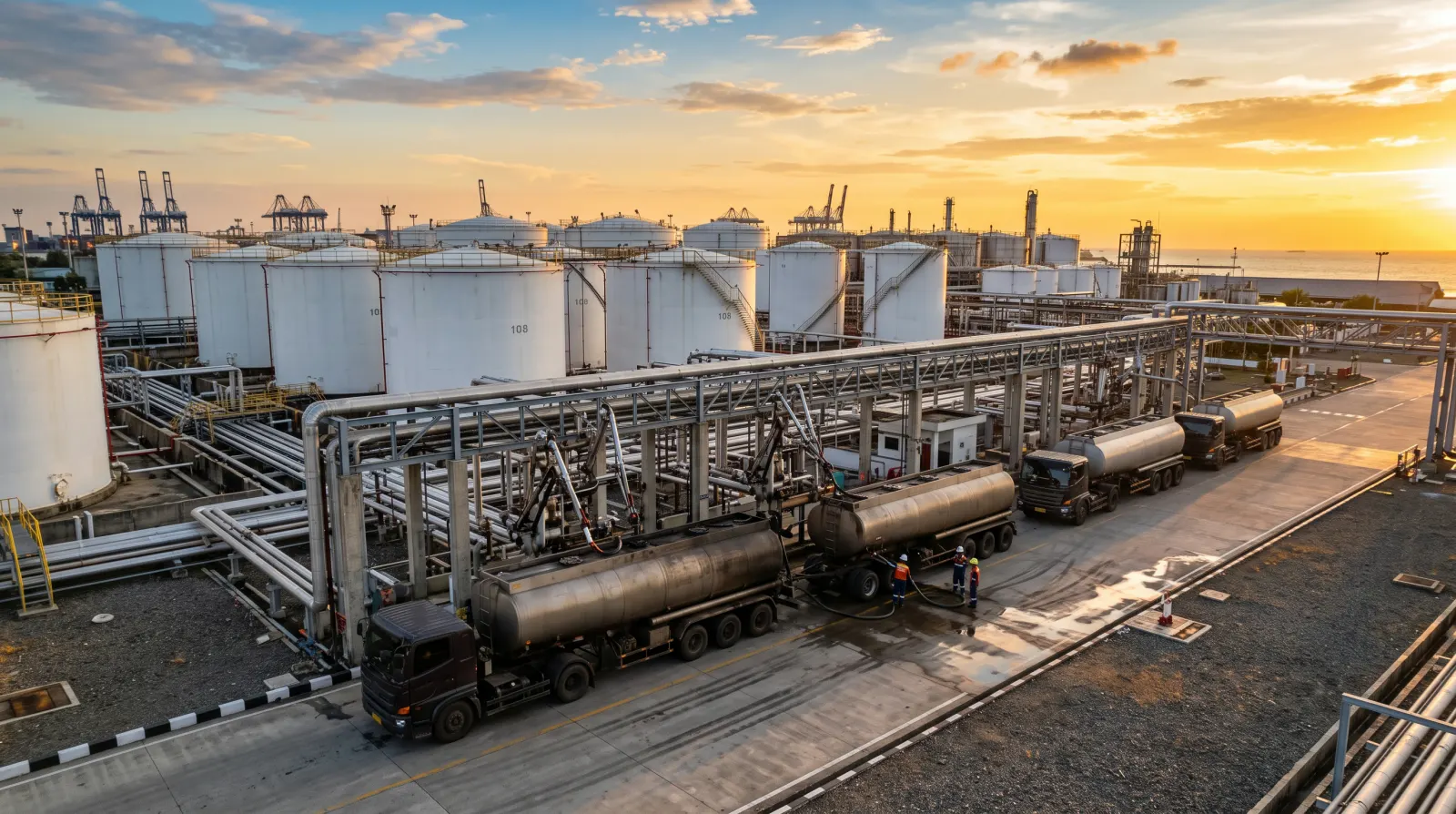
ESDM also recorded 41 licensed biofuel businesses with combined installed capacity of 14.75 million kL. Of those, 27 were active and 14 inactive. One company was expanding a plant by 478,000 kL of capacity, while three others were building plants with a combined 1.57 million kL of capacity and planned to seek commercial permits in 2021. Installed capacity is not the same as effective production or reliable distribution. The ministry's acknowledgement of 2020 supply failures makes that distinction especially relevant.
What the decision records about the B30 mandate
The 22 December announcement captures the B30 policy at the end of its first year: the government kept the blending formula while lowering its planned biodiesel volume for 2021 relative to the previous year's target. For readers tracing the history of Indonesia's biodiesel mandate, it links programme planning to expected demand and supplier performance during the pandemic.
What was known on announcement day was the new allocation, the supplier appointments and a provisional estimate for 2020. The amount actually delivered in 2021 would require later delivery figures, not an inference from the allocation itself. Equally, a large national installed capacity did not establish how much B30 ultimately reached consumers. Keeping targets, projections and observed shipments separate is essential to reading this episode accurately.
Sources & references
- Kementerian ESDM, "20 Badan Usaha BBN Akan Salurkan Biodiesel 9,2 Juta KL di 2021" (22 December 2020) — https://www.esdm.go.id/en/media-center/news-archives/20-badan-usaha-bbn-akan-salurkan-biodiesel-92-juta-kl-di-2021
- Bisnis.com, "Pemerintah Tetapkan Volume Biodiesel 9,2 Juta kl Tahun Depan" (22 December 2020) — https://ekonomi.bisnis.com/read/20201222/44/1334460/pemerintah-tetapkan-volume-biodiesel-92-juta-kl-tahun-depan
- Republika, "20 Badan Usaha akan Salurkan Biodiesel 9,2 Juta KL pada 2021" (22 December 2020) — https://ekonomi.republika.co.id/berita/qlqedr370/20-badan-usaha-akan-salurkan-biodiesel-92-juta-kl-pada-2021
Stay on top of Indonesian biodiesel
The weekly newsletter: the week’s key news, prices and data in one email every Friday. Or follow our channels for daily prices.