Indonesia Reopens CPO Exports as Cooking Oil Supply Exceeds Demand
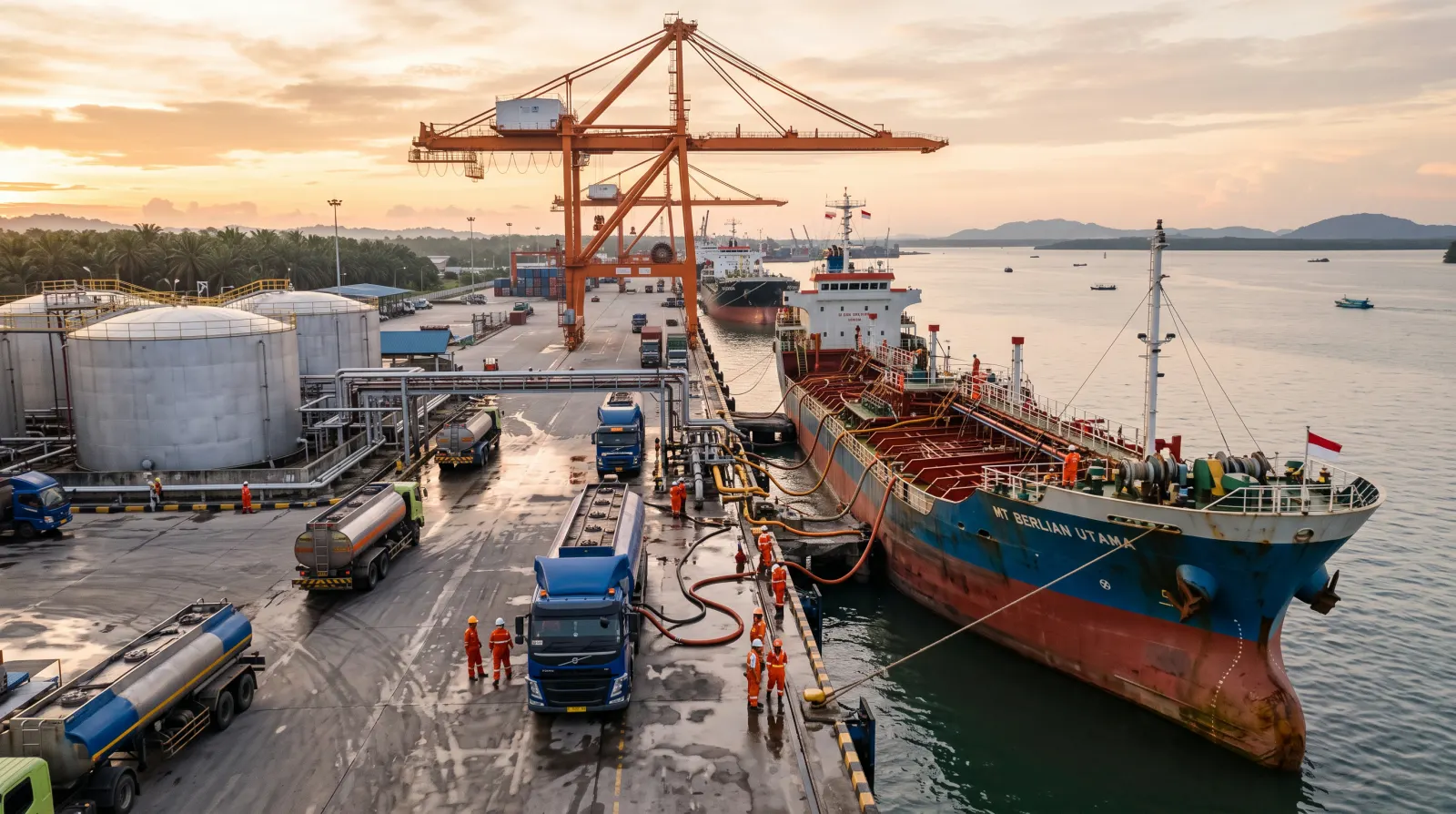
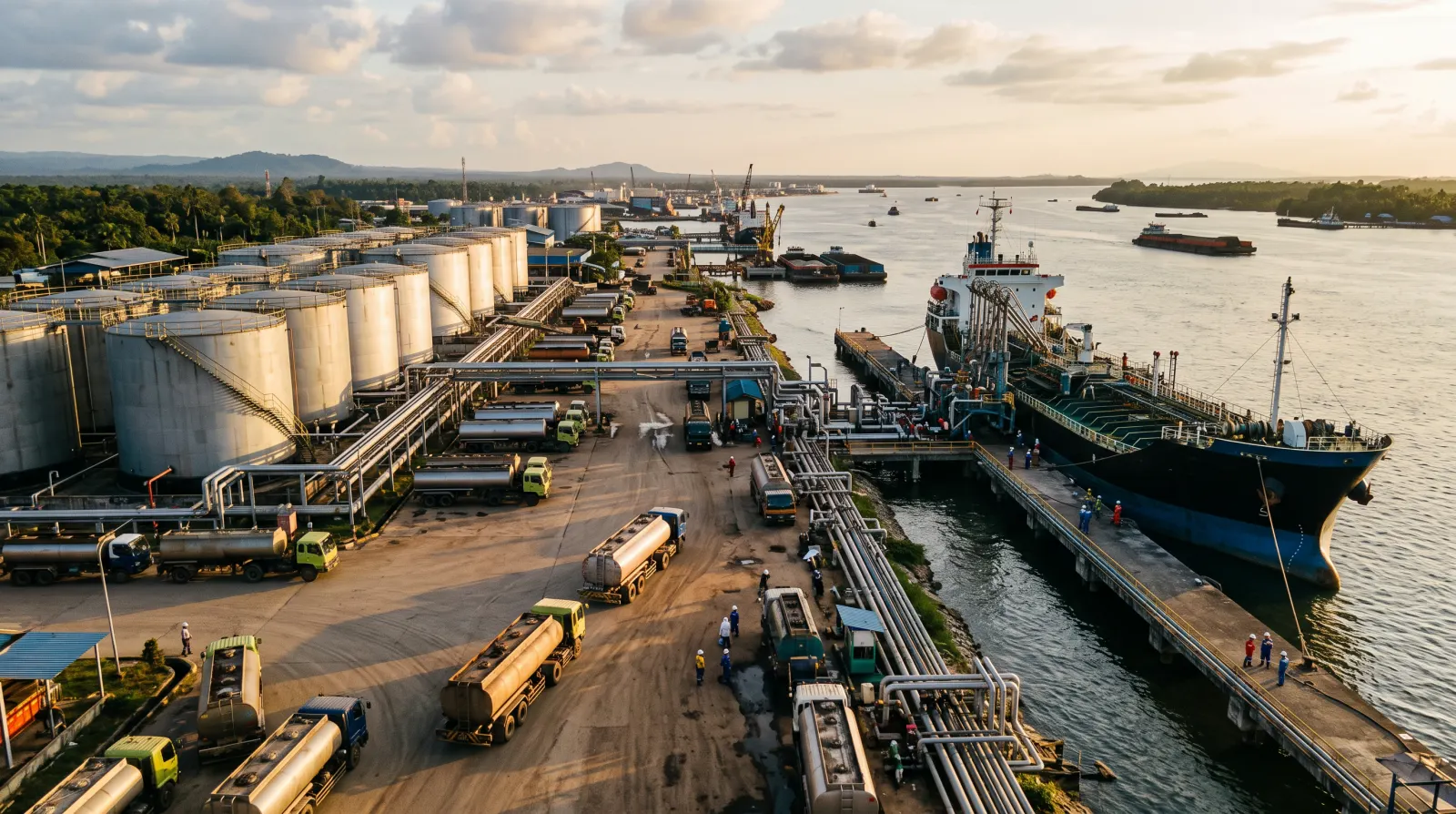
Indonesia reopened CPO exports after a nearly four-week ban lifted bulk cooking oil supply, although prices remained above the official target.
Contents (3 sections)
Jakarta — Indonesia reopened exports of crude palm oil (CPO) and derivative products on Monday, 23 May 2022, after a temporary ban that had been in place since 28 April. President Joko Widodo said the decision followed an increase in bulk cooking oil supply and an initial decline in prices, although average prices in many regions had not yet reached the government’s target of IDR 14,000 per litre.
The export ban was imposed through Trade Minister Regulation No. 22/2022. It covered CPO and several cooking oil feedstocks and products, including refined, bleached and deodorised palm oil and RBD palm olein. The central objective was to redirect feedstock to the domestic market amid scarce and expensive cooking oil.
Supply rises while prices remain above target
The president said Indonesia needed about 194,000 tonnes of bulk cooking oil a month. Before the export ban, supply in March 2022 was reported at only about 64,500 tonnes. After the measure took effect, the government recorded monthly supply of around 211,000 tonnes, exceeding national requirements.
The increase in supply became the main reason for reopening exports. The government nevertheless acknowledged that prices had not fallen evenly. In his 19 May announcement, the president said the average bulk cooking oil price had declined to around IDR 17,200–17,600 per litre, still above the IDR 14,000 target. The government said it would continue monitoring distribution so that lower prices reached more regions.
ANTARA quoted Trade Minister Muhammad Lutfi as saying that Regulation No. 22/2022 would be revoked as exports resumed. The government was preparing a new mechanism involving registered exporters, a domestic market obligation or DMO, a domestic price obligation or DPO, and distribution controls.
Exports resume with domestic supply obligations
Reopening exports does not mean domestic supply will be left entirely to market forces. The government says producers must continue prioritising domestic cooking oil requirements before selling abroad. The DMO and DPO system is intended to protect feedstock flows and restrain prices in the domestic market.
The decision marks a shift from a blanket prohibition to restrictions based on domestic obligations. On 27 April, the government said the export halt was necessary so that CPO and its derivatives would be prioritised for bulk cooking oil, particularly for households, traditional markets, and micro and small businesses.
Readers can track the main commodity behind the policy through the daily CPO price page. The connection between the palm oil market and domestic energy demand is also covered in Indonesia’s biodiesel mandate dataset.
Implications for the palm oil and biodiesel supply chain
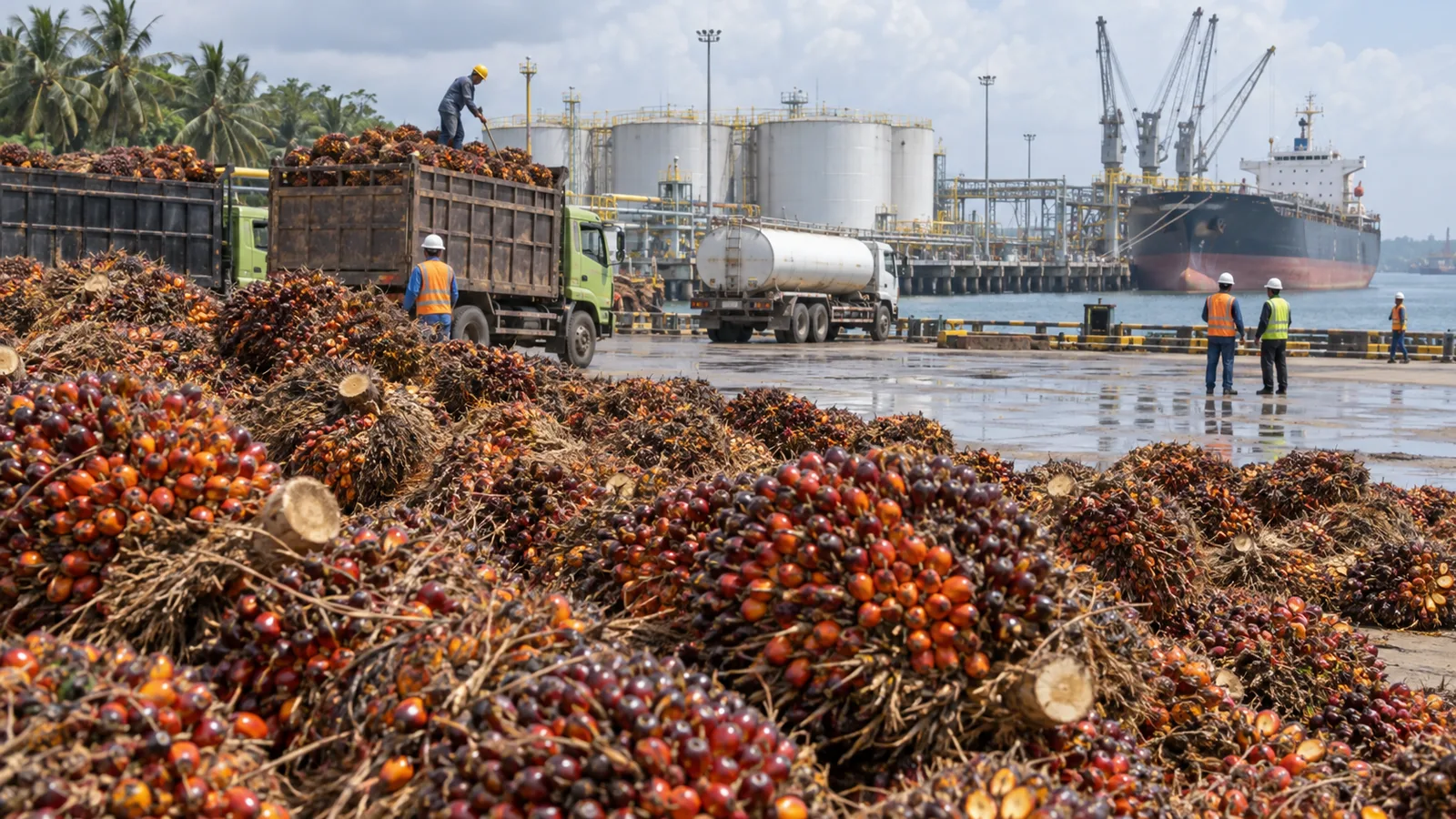
In his announcement, the president also cited the approximately 17 million people working in the palm oil industry, including smallholders and other workers. Closing the export channel reduced demand for plantation output and prompted complaints from farmers about declining fresh fruit bunch prices. The resumption of exports is expected to restore a sales channel while keeping the domestic supply requirement in place.
For biodiesel, the policy shift matters because palm oil is also the principal feedstock for Indonesia’s mandatory blending programme. The export ban was not specifically designed as a biodiesel measure, but changes in CPO flows between export, food and energy markets can affect the domestic supply balance. The government has not announced any change to the biodiesel mandate as part of the export reopening.
From 23 May, market attention will turn to the implementation of the DMO and DPO, cooking oil distribution, and the recovery of fresh fruit bunch prices at farm level. The policy’s success will be measured not only by the return of export activity but also by the government’s ability to move bulk cooking oil prices closer to IDR 14,000 per litre.
Sources & references
- Cabinet Secretariat, “Mulai 28 April, Pemerintah Berlakukan Larangan Ekspor CPO dan Turunannya” (27 April 2022) — https://setkab.go.id/mulai-28-april-pemerintah-berlakukan-larangan-ekspor-cpo-dan-turunannya/
- Cabinet Secretariat, “Presiden: Ekspor Minyak Goreng Dibuka Kembali 23 Mei 2022” (19 May 2022) — https://setkab.go.id/presiden-ekspor-minyak-goreng-dibuka-kembali-23-mei/
- ANTARA, “Mendag cabut aturan larangan ekspor CPO” (20 May 2022) — https://www.antaranews.com/berita/2891889/mendag-cabut-aturan-larangan-ekspor-cpo