Indonesia Targets E10 Bioethanol Mandate for 2028, Maps Feedstocks Across Three Regions
Indonesia plans to phase in E10 through non-PSO petrol from 2028 while mapping sugarcane, cassava, maize and sugar palm supplies.
Contents (3 sections)
Jakarta — Indonesia is targeting the start of an E10 mandate, requiring petrol to contain 10% bioethanol, in 2028. The programme is expected to be phased in through non-subsidised, or non-public service obligation, petrol first, while the Ministry of Energy and Mineral Resources maps feedstock supplies across Java, Sumatra and Papua.
Deputy Energy Minister Yuliot Tanjung announced the 2028 target at the Indonesia Langgas Berenergi event in Jakarta on 9 October 2026. Bisnis Indonesia reported that non-PSO petrol would provide the initial route for implementation before a wider rollout. Technical, production, distribution and economic preparations are still being assessed.
Indonesia maps region-specific feedstocks
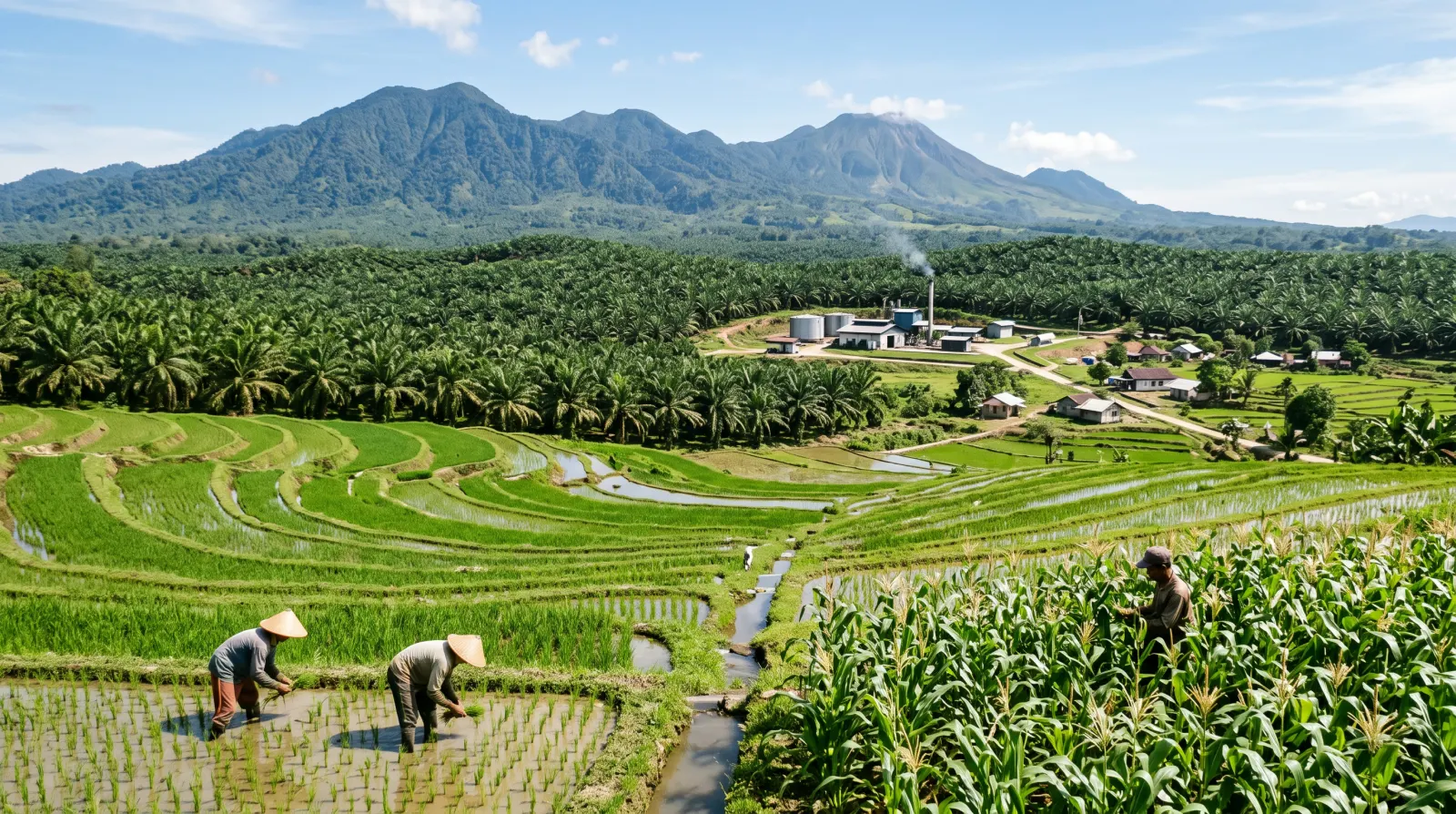
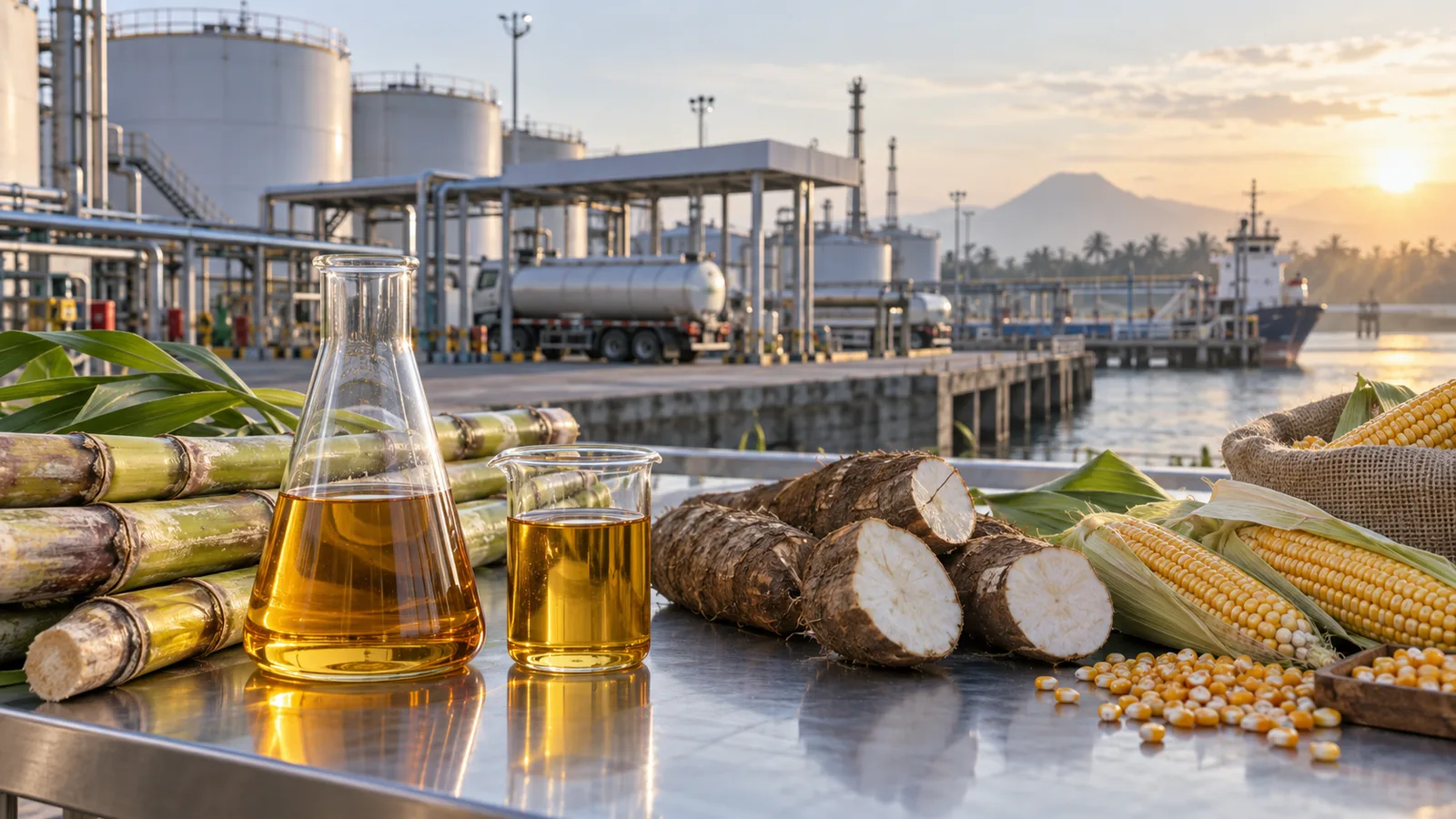
Energy Minister Bahlil Lahadalia said on 12 October that E10 feedstocks would be developed according to regional potential. The government is considering cassava in Papua; sugarcane, cassava and maize in Java; and sugarcane and sugar palm in Sumatra.
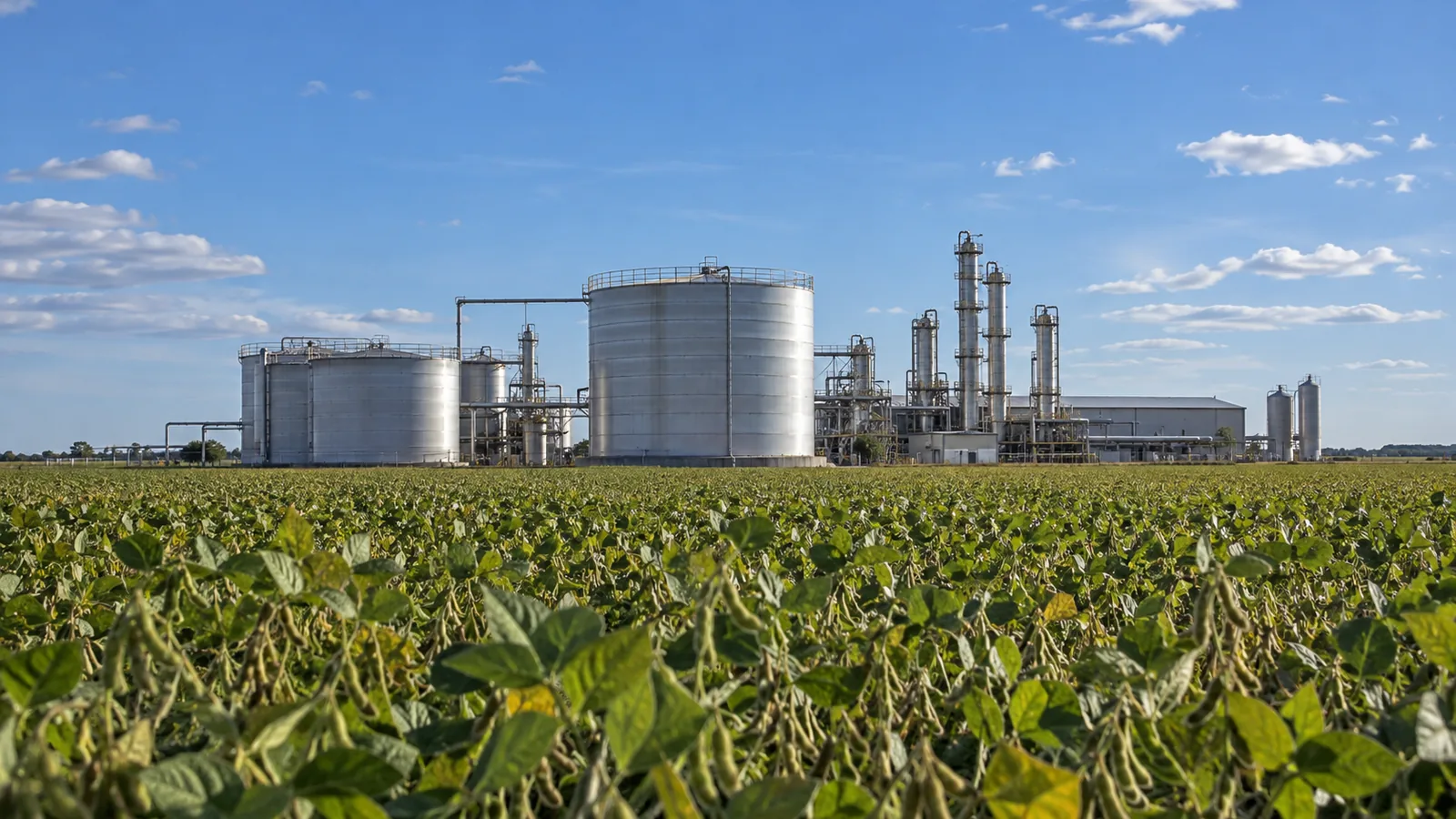
The mapping is intended to connect the fuel mandate with agricultural and industrial capacity. Unlike palm-based biodiesel, bioethanol requires a separate supply chain: sufficient and reliable crops, processing plants located close to production areas, fuel-grade ethanol specifications, and blending and distribution infrastructure for petrol.
A blending target alone will therefore not guarantee delivery. The programme still needs clear quality standards, plant capacity, blending logistics and a workable price structure. Policymakers will also have to manage the use of agricultural commodities for energy without disrupting food requirements or farmer incomes. The latest government statements did not yet set out those implementation details.
The timeline has moved from an earlier 2027 plan
The 2028 target is a significant update from the timetable discussed in April 2026. At that point, the Energy Ministry said it was targeting an E10 mandate in 2027 and estimated annual ethanol demand of around 1.4 million kilolitres. The government said it would expand feedstock production and support the construction of new processing capacity.
The difference between the 2027 and 2028 timelines indicates that the implementation calendar remains under development. Until an implementing regulation is issued, 2028 should be treated as the government's latest working target rather than a legally final start date. Greater certainty matters to ethanol producers, fuel retailers, plantation developers and petrol-vehicle users.
E10 would also be introduced alongside Indonesia's B50 biodiesel programme. Both policies aim to reduce dependence on fossil fuels, but they serve different vehicle markets and require different feedstocks, technologies and infrastructure. Readers can review key terminology in the glossary and policy developments in the regulatory database.
Non-PSO petrol will be the first test
Starting with non-PSO petrol could give the government and fuel companies room to test supply reliability, blending, distribution, vehicle compatibility and consumer response before expanding the mandate. The outcome will depend on consistent ethanol availability and a price structure that motorists can accept.
The next step is to translate the 2028 objective into a measurable roadmap: mandated annual volumes, initial regions, product standards, terminal readiness and a pricing mechanism. Without those details, investment in processing plants and feedstock production could lag behind the programme's requirements.
Sources & references
- ANTARA, "Bahlil sebut bahan baku E10 dari Jawa, Sumatera, dan Papua" (12 October 2026) — https://www.antaranews.com/berita/5169817/bahlil-sebut-bahan-baku-e10-dari-jawa-sumatera-dan-papua
- Bisnis Indonesia, "Pemerintah Targetkan Mandatori Bioetanol E10 Mulai 2028, Bertahap dari Bensin Non-PSO" (12 October 2026) — https://foto.bisnis.com/view/20261012/1922700/pemerintah-targetkan-mandatori-bioetanol-e10-mulai-2028-bertahap-dari-bensin-non-ps0
- Bisnis Indonesia, "Target Mandatori Bioetanol E10 2027, Ini Strategi Pemerintah" (9 April 2026) — https://ekonomi.bisnis.com/read/20260409/44/1857540/target-mandatori-bioetanol-e10-2027-ini-strategi-pemerintah