B30 Road Test Begins With 3 Trucks and 8 Cars, Distance Targets Yet to Be Met
Indonesia launched a B30 road test on 13 June 2019 with three trucks and eight passenger vehicles. Distance and performance claims remained test aims.
Contents (3 sections)
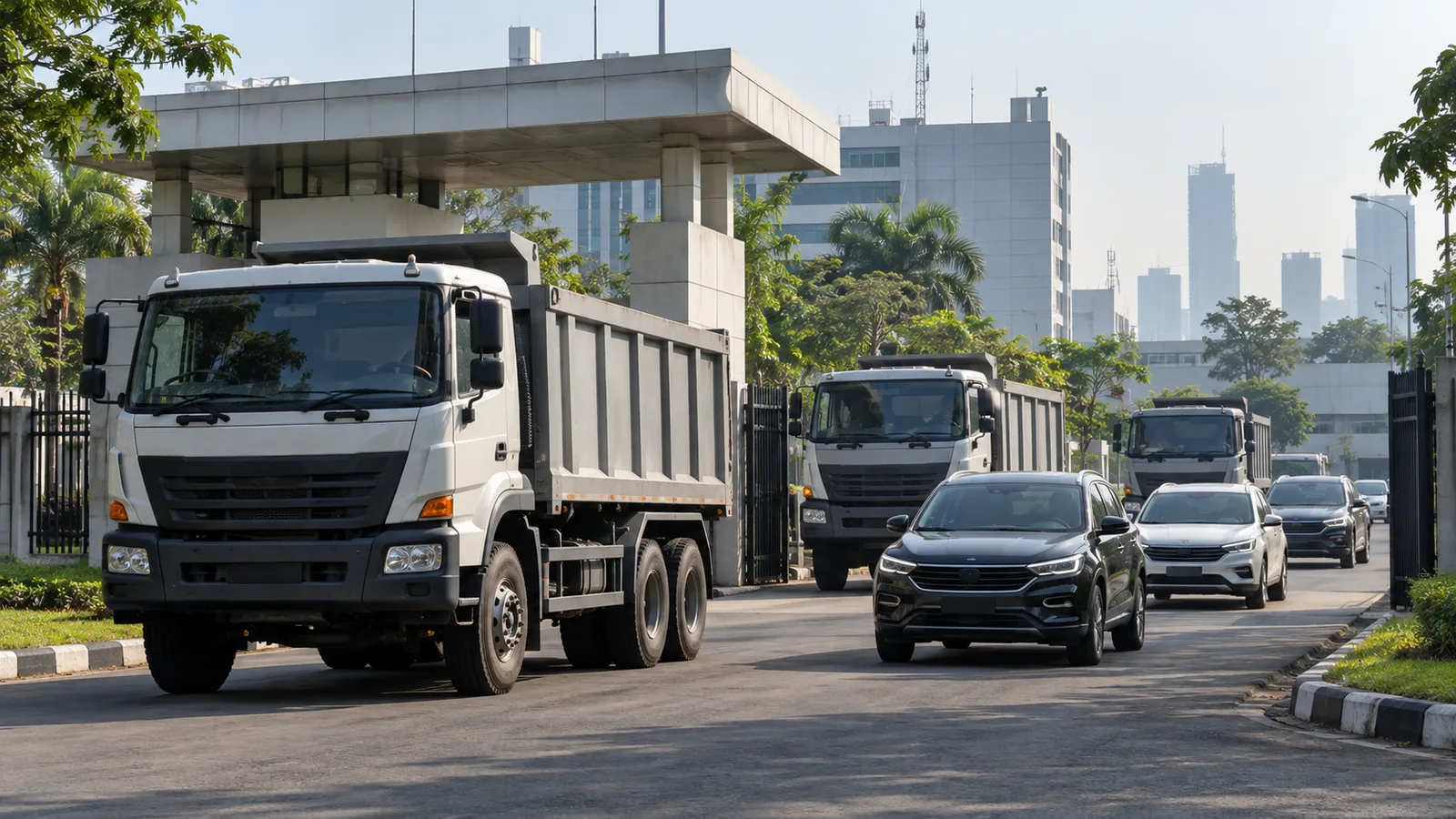
Jakarta — Energy and Mineral Resources Minister Ignasius Jonan launched a B30 road test at the ministry's Jakarta office on 13 June 2019. Three trucks and eight diesel passenger vehicles set off using fuel blended with 30% biodiesel. The trucks were assigned a target of 40,000 kilometres each and the passenger vehicles 50,000 kilometres each. These were planned test distances, not mileage already completed.
Deputy Minister Arcandra Tahar accompanied Jonan at the launch. The ministry's Directorate General of Oil and Gas and ANTARA reported the departure that day as part of preparations for the government's plan to require B30 in the following year, 2020. At the time of the event, that mandate was still prospective.
Separate daily routes for cars and trucks
Dadan Kusdiana, head of the ministry's research and development agency, outlined a passenger-vehicle route running from Lembang through Cileunyi, Nagreg, Kuningan, the Babakan toll road, Slawi, Guci, Tegal, the Cipali toll road and Subang before returning to Lembang. The planned distance was 560 kilometres per day. Trucks were to travel from Lembang via Karawang, Cipali and Subang back to Lembang, covering a planned 350 kilometres per day.
Those daily distances describe the test itinerary rather than completed journeys. The two reports published at the launch did not provide final engine-performance measurements or maintenance costs after the full 40,000- and 50,000-kilometre targets. The vehicles were only setting out on the test.
Performance was a question to test, not a finding
Jonan said public acceptance mattered and presented the trial as a way to show that B30 would not reduce vehicle performance, including acceleration, or substantially raise maintenance costs. His statements described the hoped-for outcome of the programme. They should not be read as independently measured results from the vehicles launched that day.
According to the ministry's release, its research units and the Agency for the Assessment and Application of Technology (BPPT) were involved in the trial. The Oil Palm Plantation Fund Management Agency (BPDP) funded it. Pertamina and the Indonesian Biofuel Producers Association (APROBI) supplied fuel support, while the Indonesian Automotive Industry Association (Gaikindo) provided test vehicles. These arrangements identified the institutions supporting the exercise, not a verdict on B30's performance.
A proposed 2020 mandate
Jonan linked the proposed B30 requirement to reducing dependence on oil imports and supporting the palm oil industry and farmers. Those were the government's policy aims as stated at the launch, not benefits already demonstrated by the 11 test vehicles. The ministry also said similar trials on trains, marine transport and mining heavy equipment were planned in the near future; it did not report those trials as completed.
The ministry described B30 as the next step after the wider deployment of B20. It put 2018 biodiesel consumption at 3.8 million kilolitres and projected that a B30 mandate could lift domestic consumption to 6.9 million kilolitres by 2025. The latter figure was a forecast made in June 2019, not a recorded outcome. Evidence on whether these particular vehicles met their distance, performance and upkeep goals would have to come from later test results, outside the two launch-day reports cited here.
Sources & references
- Directorate General of Oil and Gas, Ministry of Energy and Mineral Resources, "Menteri Jonan Launching Road Test B30" (13 June 2019) — https://www.migas.esdm.go.id/post/menteri-jonan-launching-road-test-b30
- ANTARA, "Menteri ESDM lepas kendaraan uji kelayakan penggunaan B30" (13 June 2019, 13:06 WIB) — https://www.antaranews.com/berita/912389/menteri-esdm-lepas-kendaraan-uji-kelayakan-penggunaan-b30
Stay on top of Indonesian biodiesel
The weekly newsletter: the week’s key news, prices and data in one email every Friday. Or follow our channels for daily prices.