Bangkok Documentary Spotlights Asia's Rising Biofuel Demand and Its Toll on Indonesian Forests
An SFOC film traces Indonesian palm oil supply chains into South Korea's biodiesel market, now 72% reliant on palm feedstock. Here is the context for Indonesia's B50 programme.
Contents (3 sections)
Bangkok — A documentary tracing the biofuel supply chain from oil palm plantations in Indonesia to the South Korean market premiered at Bangkok Climate Action Week on Wednesday (7 October 2026). The film highlights the other side of Asia's rising demand for bioenergy: pressure on forests and communities in the regions that produce the feedstock.
The documentary was produced by Solutions for Our Climate (SFOC), a South Korean climate research and advocacy organisation. The screening was paired with a film by Japan's Global Environment Forum (GEF) on the expansion of forest biomass and energy plantation forests in Indonesia, followed by a panel discussion with representatives of Trend Asia/the Clean Transition Coalition (Koalisi Transisi Bersih), SFOC and GEF. The session, titled "Forests at the Frontline of Asia's Energy Transition", was held at One Bangkok Tower 4.
Korea increasingly reliant on Indonesian palm oil
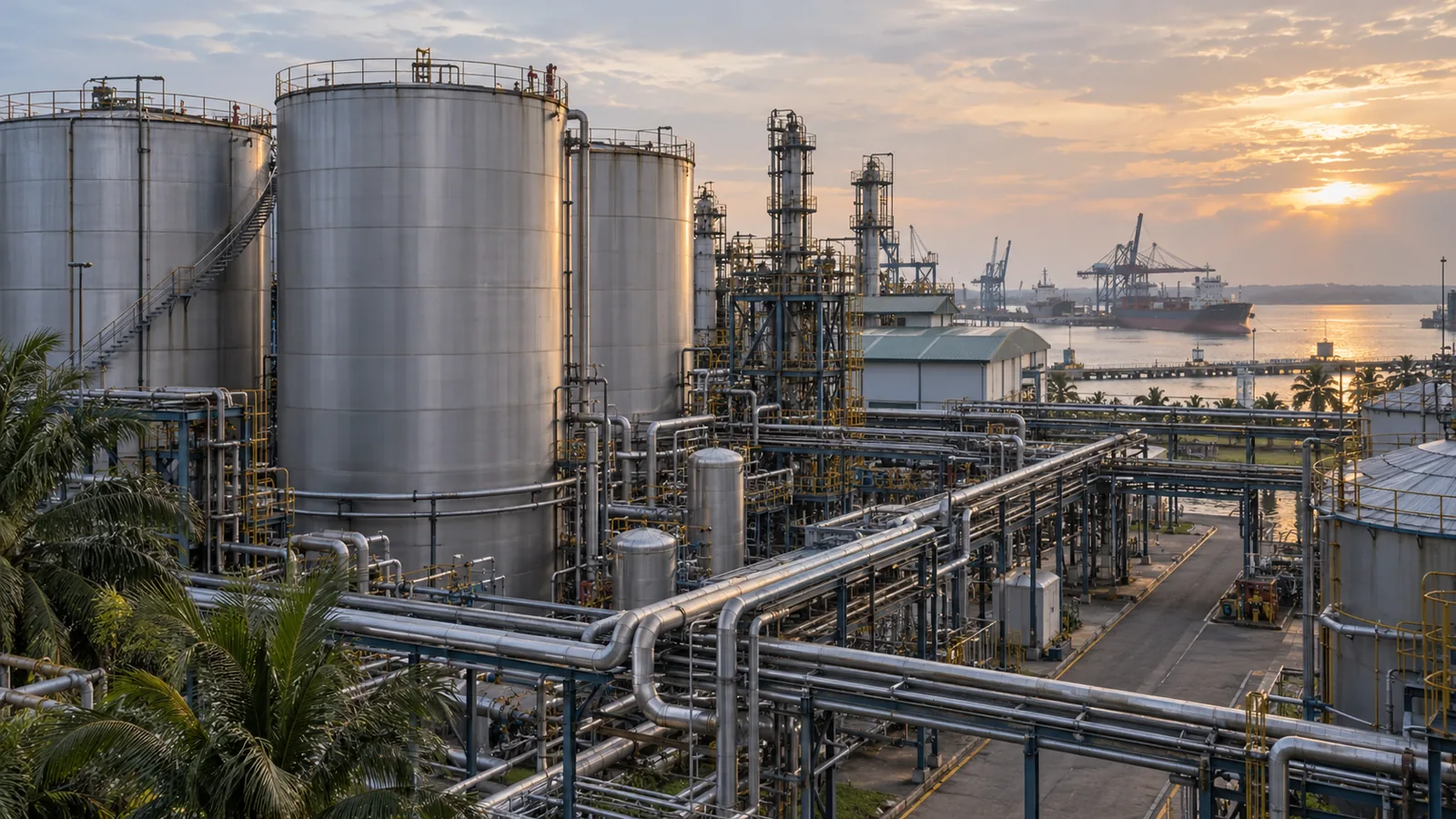
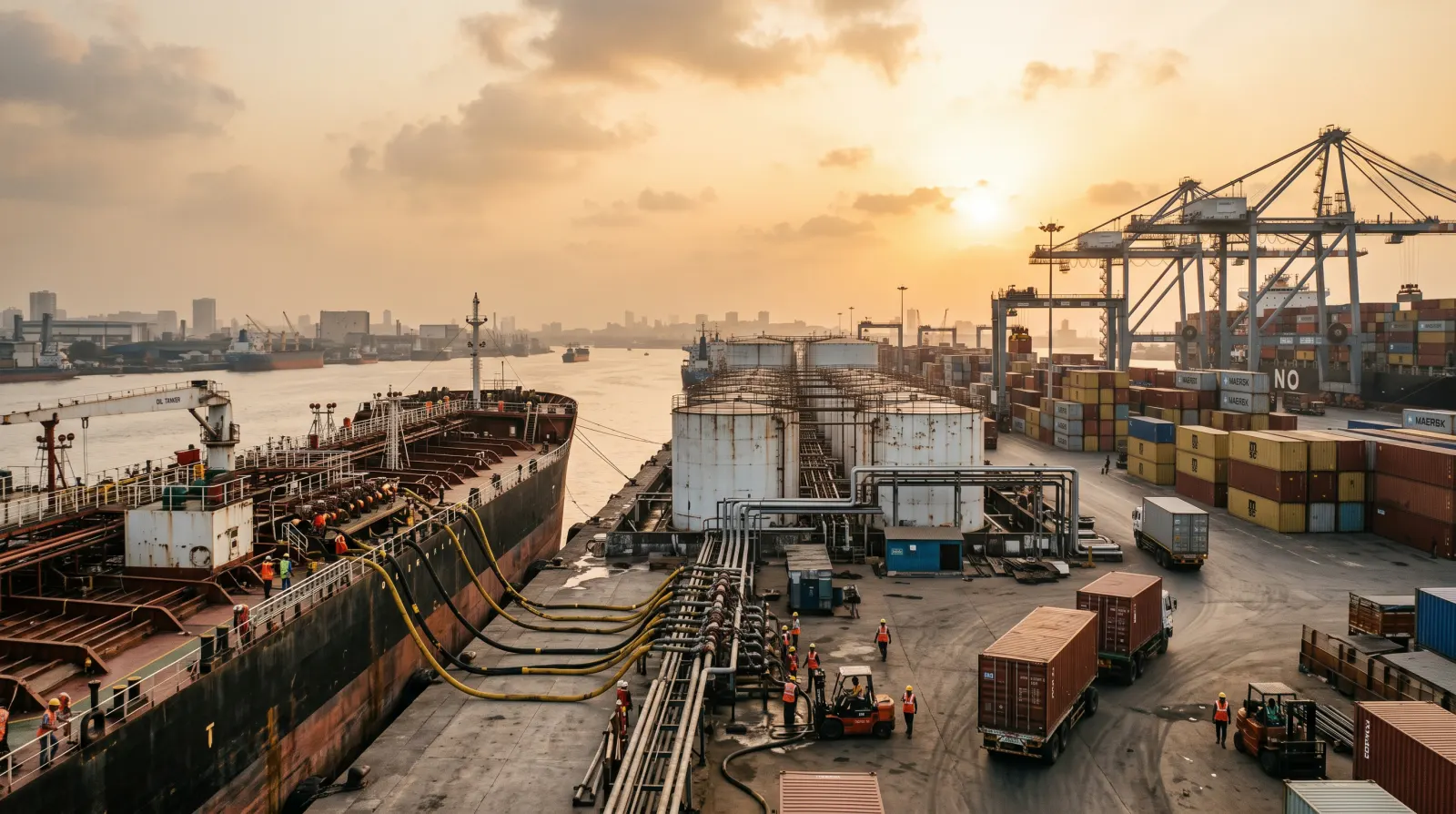
The film builds on an SFOC research report titled Behind Korea's Biofuels: Sustainability Risks in Indonesia–Korea Palm Oil Supply Chains. According to the report, palm oil and its derivatives supplied around 72% of South Korea's biodiesel feedstock in 2024—four times the share when Korea's biodiesel blending policy began in 2015—with most of it coming from Indonesia.
SFOC also said more than 90% of the export volumes to Korea it examined were linked to documented cases of ecosystem degradation, land-rights conflicts or governance problems in Indonesia. SFOC warned that without stronger environmental and social safeguards, Korea risks becoming a market for high-risk biofuel feedstock, especially as other markets begin to apply stricter sustainability rules.
Voices from the ground
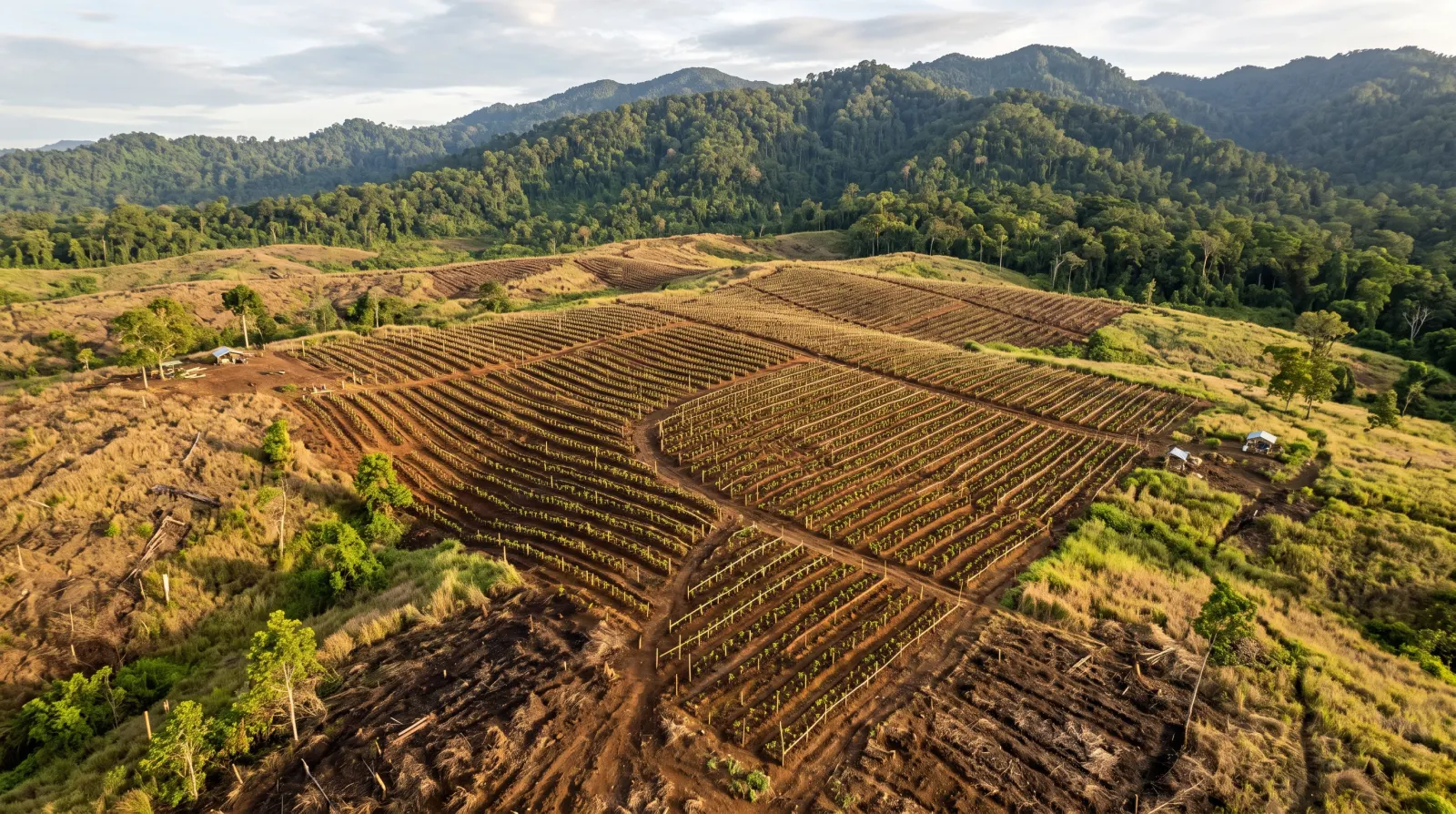
One of the film's main figures is Marihel Parda Winda, Forest and Land Use Program Officer at SFOC. She voiced concern over the destruction around her home. "It is truly heartbreaking to see the damage happening around where I live," she said, as quoted by Industry.co.id. In her view, communities have lost much of what the forest has long provided, and the energy transition should not come at the cost of lost forests and livelihoods.
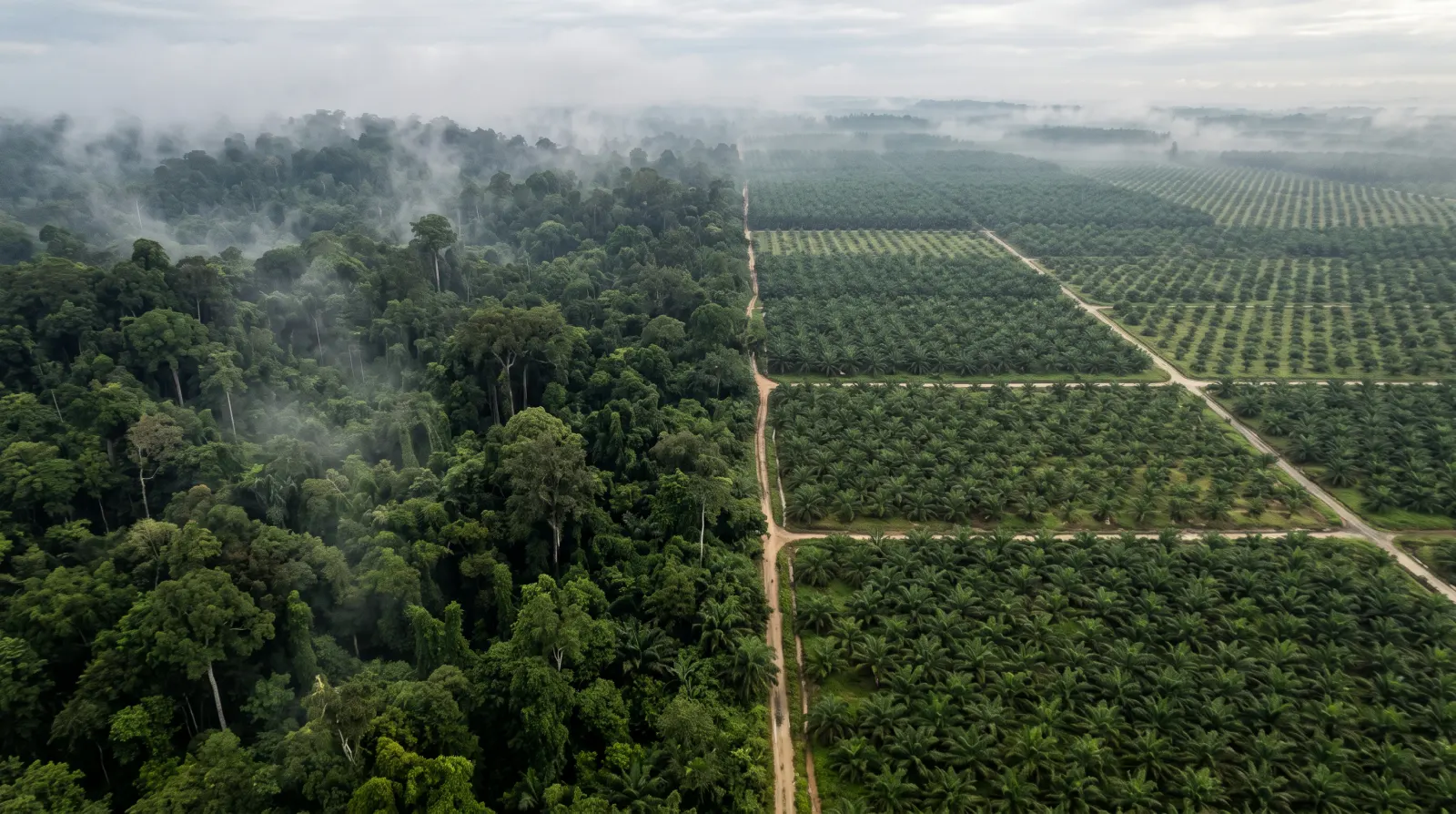
Amalya Oktaviani, Program Manager at Trend Asia and a member of the Clean Transition Coalition, said palm oil and the pulp and paper industry remain the main drivers of deforestation in Indonesia, and that rising bioenergy demand adds to that pressure. She cautioned that bioenergy expansion should not end up as a "false solution"—something promoted as renewable energy but carrying environmental and social costs. Amalya called for a review of plantation expansion, including weighing the competition between food and fuel, as well as support for communities to protect forests and develop alternative economies that restore ecosystems.
Editor's note: reading this issue in context
The issues raised by the documentary are closely tied to the direction of Indonesia's own energy policy. Since 1 July 2026, Indonesia has mandated a B50 biodiesel blend domestically, with FAME requirements of around 16.7–18 million kilolitres this year. The Minister of Agriculture previously cited a figure of around 5.3 million tonnes in connection with B50 requirements (the commodity unit was not specified). This means feedstock demand comes not only from export markets such as Korea but also from the domestic programme.
For that reason, raising productivity on existing plantations—including smallholder oil palm replanting—is a safer path than clearing new land, alongside sustainability certification such as ISPO. Civil society organisations themselves are calling for stronger traceability and oversight. The credibility of biodiesel emission-reduction claims—for both the domestic and export markets—ultimately depends on how rigorously sustainability is safeguarded along the supply chain. Media Biodiesel will continue to follow this issue. See also: The benefits and challenges of the biodiesel programme.
Sources & references
- Republika, "Dokumenter Tayang Soroti Meningkatnya Permintaan Biofuel di Asia" (8 October 2026) — republika.co.id
- Industry.co.id, "Dokumenter di Bangkok Soroti Dampak Biofuel terhadap Hutan Indonesia" (7 October 2026) — industry.co.id
- Kontan, "Film Dokumenter Ungkap Dampak Ekspansi Bioenergi Asia terhadap Hutan dan Masyarakat" (2026) — kontan.co.id
- Media Indonesia, "Ekspansi Bioenergi Asia Perlu Diimbangi Aspek Lingkungan dan Sosial" (2026) — mediaindonesia.com
- Solutions for Our Climate (SFOC), BKKCAW 2026 events agenda — forourclimate.org