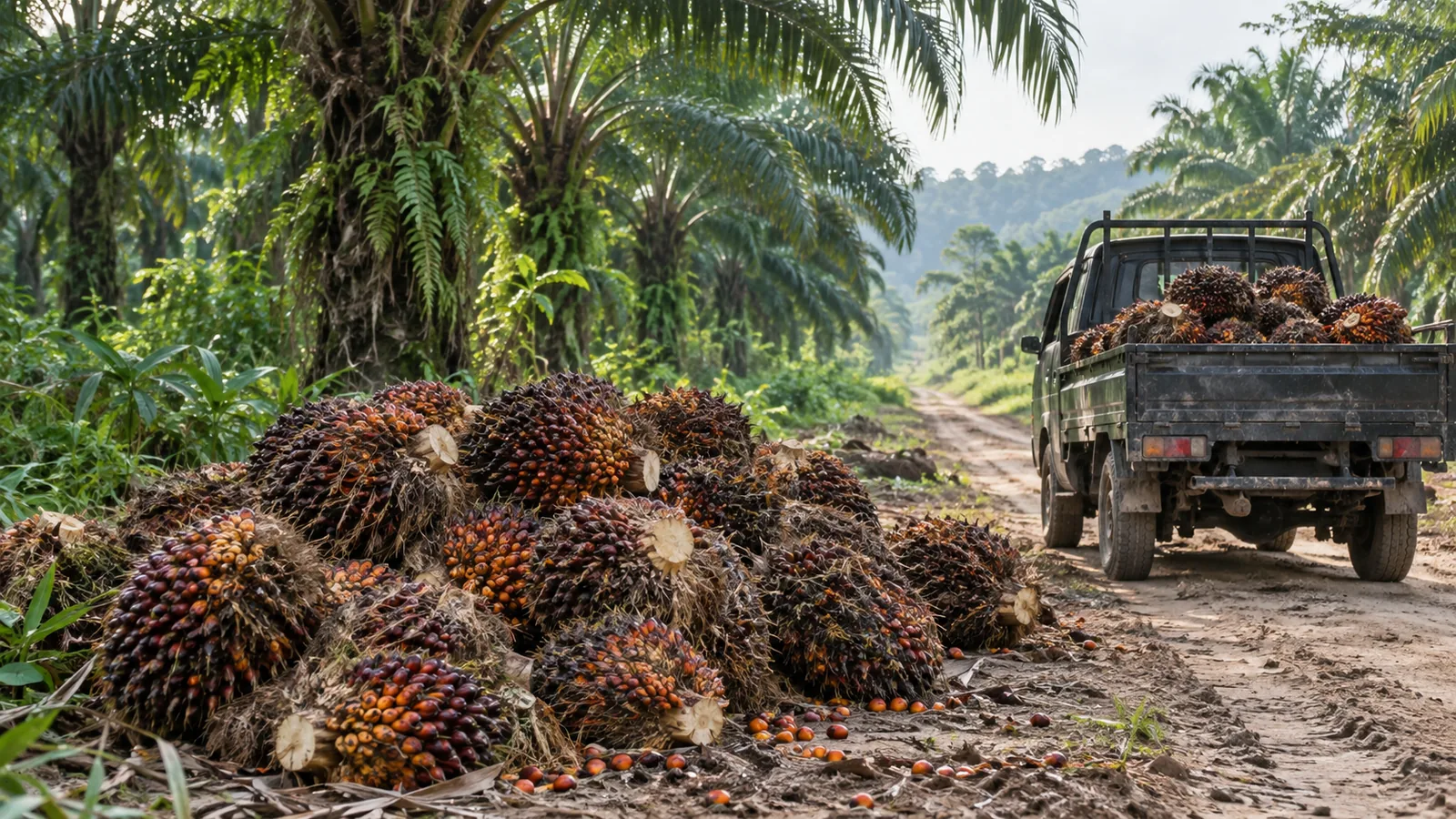
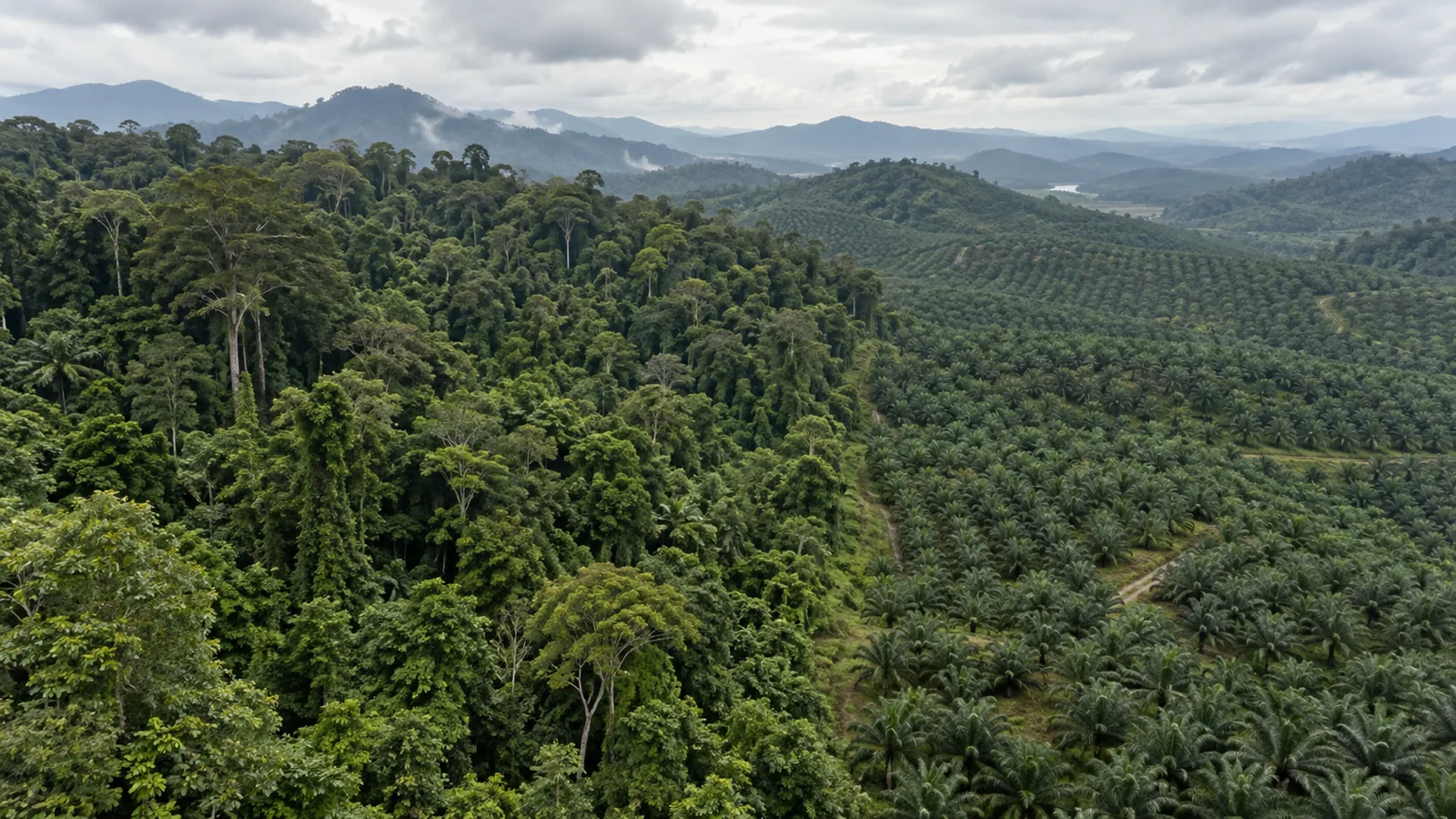
Indonesia Eyes 12.7 Million Hectares of Degraded Land for B50 to B100 Biodiesel Feedstock
Hashim Djojohadikusumo says feedstock for B50–B100 biodiesel will come from damaged forests, not primary forest. The land figures and definitions still need clarification.
Contents (4 sections)
Jakarta — The Indonesian government hopes feedstock for expanding biodiesel from B50 up to B100 will come from degraded land and forests rather than primary forest, with presidential special envoy Hashim Djojohadikusumo citing some 12.7 million hectares of damaged forest in Indonesia that could be used. This is still a direction and an aspiration, not regulation; B100 has not been adopted as policy.
Hashim, the President's Special Envoy for Climate and Energy, made the remarks at the Investor Daily Summit 2026 in Jakarta on Wednesday (7 October 2026), as reported by CNN Indonesia and Bloomberg Technoz. "B50–B100 will, hopefully, come from damaged forests, not primary forests," Hashim said. "We will use land from degraded forests, damaged forests, not primary forests."
What counts as degraded land?
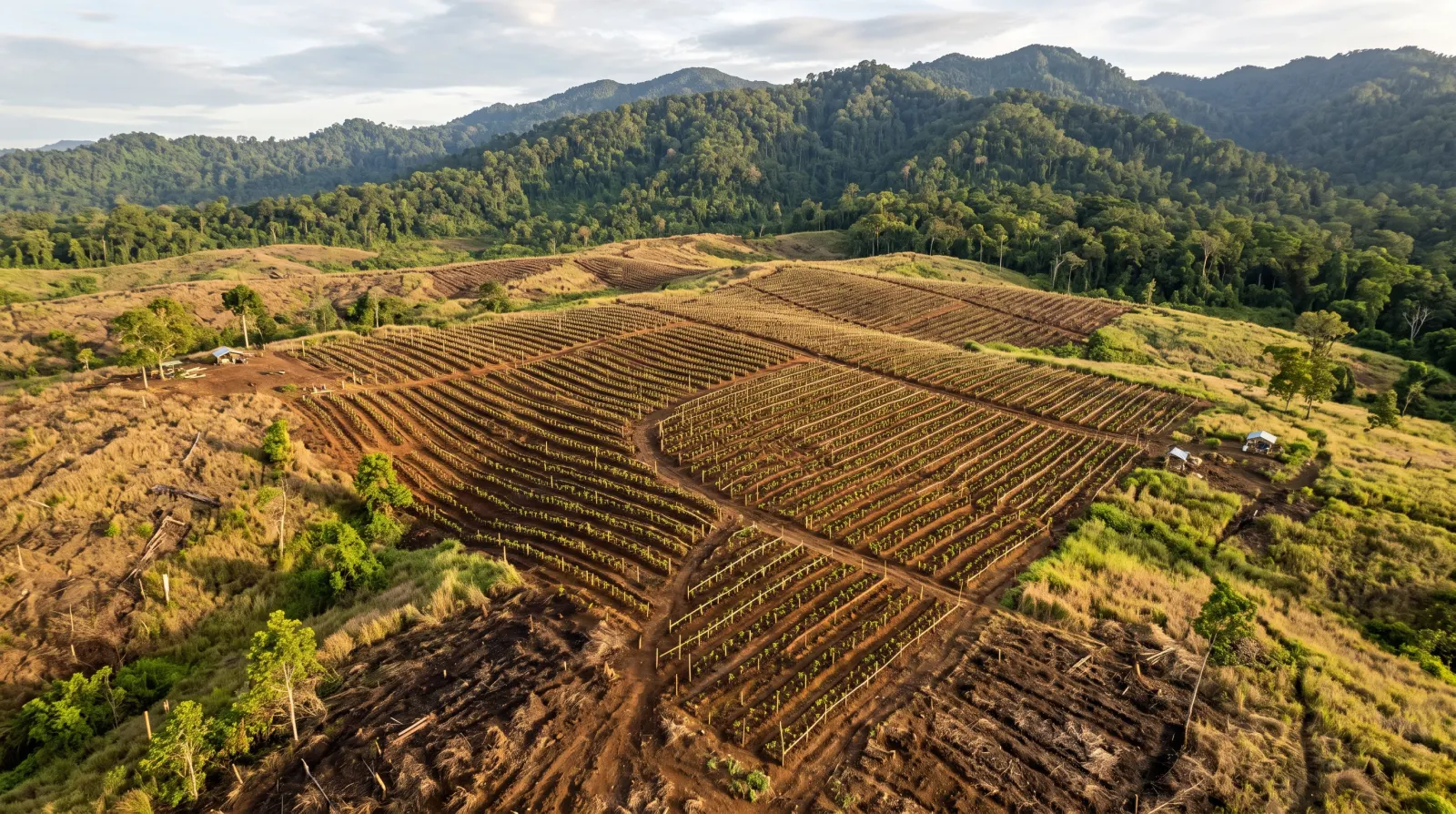
According to Hashim, degraded forests are areas that have lost their forest cover — partly as a result of logging — and are now scrubland with no productive timber potential. Such areas are seen as suitable for redirection to support renewable energy supply.
A day earlier, at the Indonesia International Sustainability Forum (ISF) 2026, Mari Elka Pangestu also said Indonesia has more than 12 million hectares of degraded land that could potentially be used for food and biofuel production. Hashim also referred to some 5 million hectares of illegal oil palm plantations (in his discussion of national parks) that have now been taken over by the state and for which funding is being sought for restoration.
Figures that need clarification
The definitions and figures for the land in question are not consistent across sources. Bataviapos notes that the national area of critical land stood at around 12.4–12.7 million hectares in 2022–2023 and about 12.3 million hectares in 2024 data — similar figures, but a different category from "damaged forest". A CIFOR-ICRAF study cited by Katadata paints a narrower picture: of around 12 million hectares of critical land, roughly 3.5 million hectares are considered suitable for non-palm oil crops such as nyamplung, malapari and kemiri sunan.
Civil society concerns
The plan comes amid concern over the pressure B50 places on forests. The Clean Transition Coalition (Koalisi Transisi Bersih) estimates B50 could require around 5.36 million hectares of additional oil palm plantations by 2039, with potential deforestation of 1.5 million hectares. Environmental campaigners also warn that overlapping land status and limited financing schemes are real obstacles to developing energy crops on degraded land.
Editor's note
Using degraded land addresses one of the biggest criticisms of biodiesel — deforestation risk — also highlighted in the SFOC documentary in Bangkok this week. Its effectiveness, however, will depend on technical details: certainty of land status, crop suitability, productivity, and oversight to ensure "degraded land" does not become a loophole for clearing new forest. With B50 requiring around 16.7–18 million kilolitres of FAME a year and B60 being floated for 2027, a measurable and transparent feedstock roadmap is increasingly urgent.
Sources & references
- CNN Indonesia, "Hashim: B50-B100 Bisa Manfaatkan 12,7 Juta Ha Hutan Rusak" (8 October 2026) — cnnindonesia.com
- Bloomberg Technoz, "Hashim: Biofuel hingga B100 Hanya Pakai 12,7 Juta Ha Hutan Rusak" (October 2026) — bloombergtechnoz.com
- ANTARA, "Pemerintah akan optimalkan lahan terdegradasi untuk biofuel" (October 2026) — antaranews.com
- Bataviapos, "Pemerintah Hendak Manfaatkan Lahan Terdegradasi untuk Biofuel, Tanaman Apa yang Ideal?" (October 2026) — bataviapos.id
- Katadata, "3,5 Juta Ha Lahan Kritis Bisa Untuk Biofuel Non-Sawit, Opsi Selamatkan Hutan?" — katadata.co.id