B50 and Palm Oil’s Ecological Limits: 18.15 Million Hectares Is Not Expansion Approval
A Madani-led study cites a proposed 18.15 million-hectare cap on oil-palm cover. The 12.7 million hectares of degraded land cited by officials is not automatically cleared for palm expansion.
Contents (3 sections)
Jakarta — The debate over Indonesia’s B50 biodiesel blend on 21 October 2026 has returned to a basic question: can additional palm-based fuel be supplied without breaching ecological safeguards? A report led by Madani Berkelanjutan with the Institute for Essential Services Reform (IESR), Koaksi Indonesia and Landscape Alliance warns that higher demand must be weighed against land-use change, emissions and community rights. Its figure of 18.15 million hectares is a proposed upper limit for oil-palm cover cited from earlier research, not an officially established capacity for new plantations.
The report draws on policy documents, literature, quantitative data and experiences with biofuels in Indonesia and elsewhere. Suara.com reported its ecological findings on 21 October. That story is journalism covering the research, not a standalone scientific publication; the findings and caveats below therefore refer to the original report.
What the 18.15-million-hectare figure means
In its environmental-risk discussion, the Madani-led report cites a study by Yayasan Lokahita, Madani, Satya Bumi and Sawit Watch proposing an 18.15-million-hectare cap on oil-palm cover, based on environmental carrying-capacity considerations. It also cites an estimated 17–18 million hectares already under oil-palm cover. These are figures within that research framework, not a land-title inventory or a legal determination that any difference between them may be planted. Definitions and measurement dates matter when comparing these estimates with other plantation statistics.
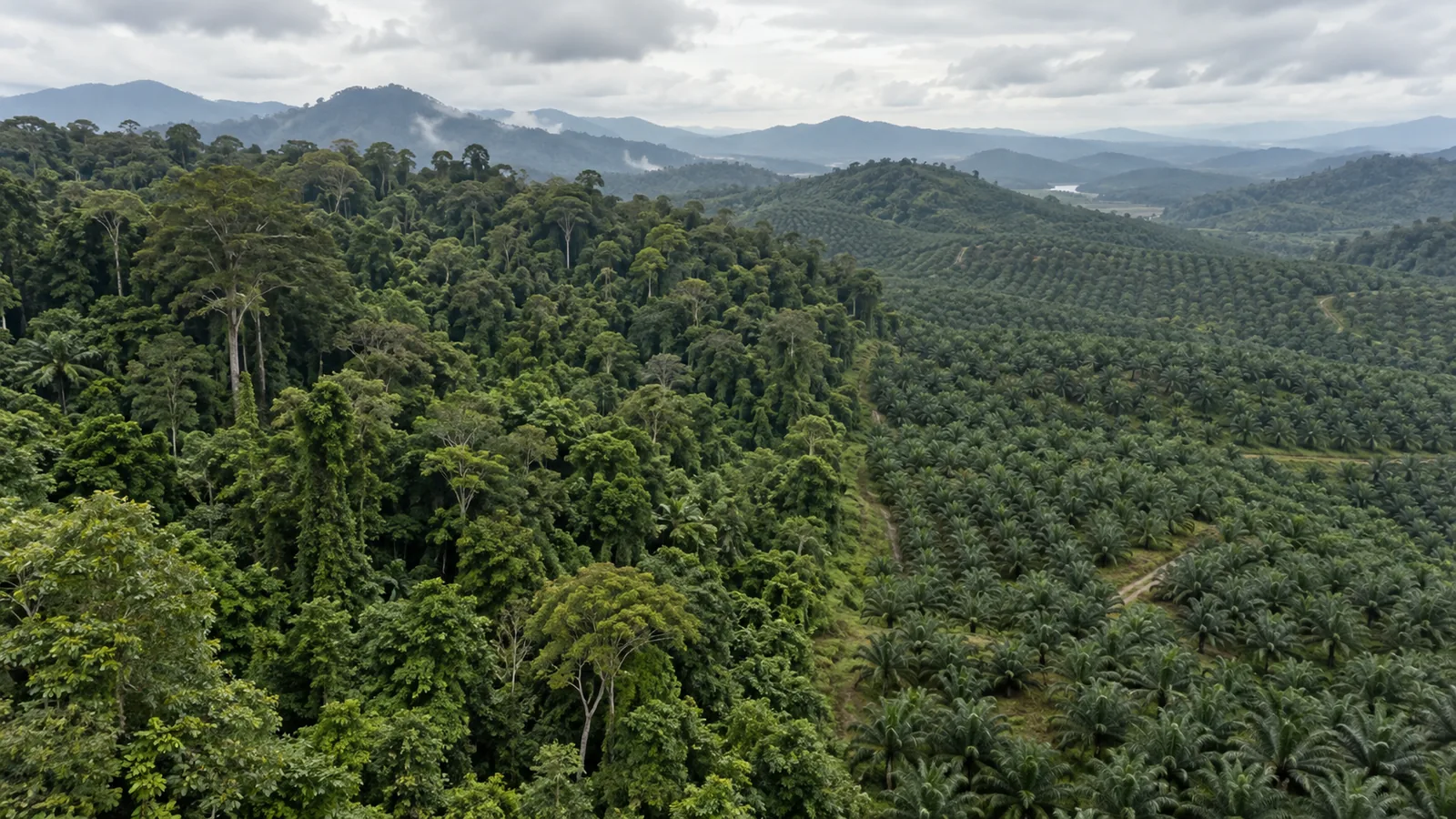
The report’s authors warn that further monoculture expansion could increase pressure on forests, peatlands, biodiversity and land used for food. They argue that emissions monitoring, reporting and verification remain weak and that life-cycle assessments may miss emissions from land-use change. This is the report authors’ assessment, not proof that every litre of biodiesel has a larger footprint than fossil diesel. Any climate comparison needs transparent system boundaries and supply-chain data, including where feedstock comes from and whether land cover changed.
Restoration land is not an oil-palm permit
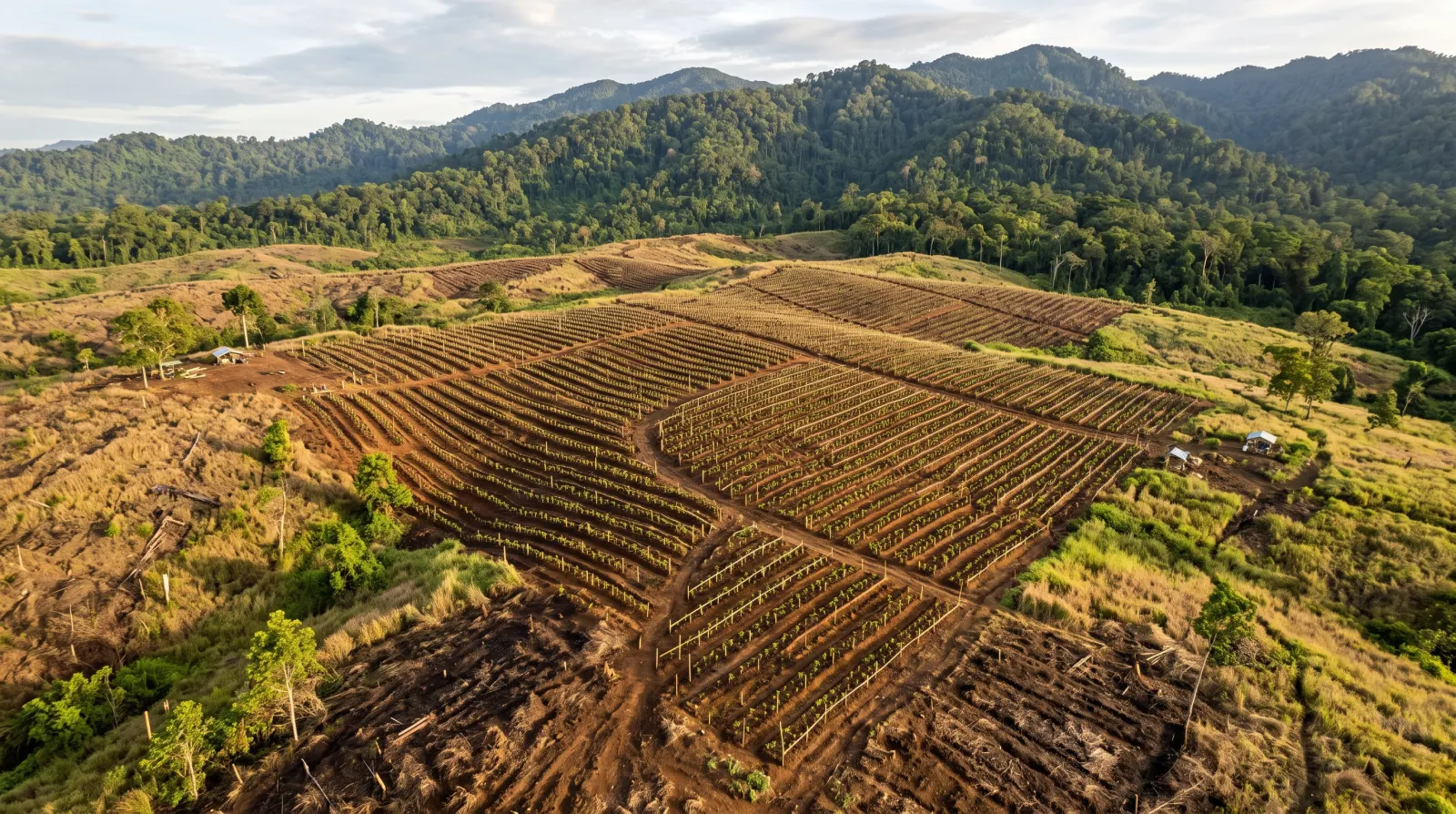
In a 6 July 2026 press release, Indonesia’s Forestry Ministry quoted presidential climate and energy envoy Hashim Djojohadikusumo discussing a goal to restore 12.7 million hectares of degraded land and its potential connection to carbon projects. The statement does not map every parcel, guarantee that all of it can be restored, or clear it for palm-oil planting. The suitability of any site for restoration or bioenergy depends on its ecosystem, legal status, community rights and management plan.
A CNN Indonesia link dated 21 October mentions degraded land and B50 in its headline, but the available text is only a teaser for an interview with Hashim scheduled for 22 October at 8 p.m. Jakarta time. It does not yet provide full answers or announce a new policy. Media Biodiesel’s earlier report already covered Hashim’s remarks on degraded land; this article instead examines how to interpret ecological limits and test environmental claims.
What must be checked before supply rises
Rather than count all degraded land as an automatic B50 feedstock reserve, policymakers and producers need to disclose sourcing and calculate emissions from plantation to fuel use, including land-use change. The Madani-led report calls for feedstock diversification, a stronger role for smallholders and communities, and more strategic use of biofuels in transport segments that are difficult to electrify. Used cooking oil, residues and other crops may be options, but each requires its own assessment of available volume, processing technology and social and ecological impacts.
The key test for B50 is thus not the blend percentage alone. It is whether additional supply avoids conversion of valuable ecosystems, safeguards land rights and delivers verifiable emissions reductions. The proposed 18.15-million-hectare cap and the 12.7-million-hectare restoration goal answer different questions. Neither number should be treated as approval to expand oil-palm plantations.
Sources & references
- Madani Berkelanjutan, IESR, Koaksi Indonesia and Landscape Alliance, "Menakar Ambisi dan Realitas: Masa Depan Biofuel Indonesia dalam Kerangka Transisi Energi yang Berkeadilan" — https://framerusercontent.com/assets/ykeFXbdpRKviqjt3zc0ppjRVXg.pdf
- IESR, "Menakar Ambisi dan Realitas Biofuel di Indonesia" — https://iesr.or.id/pustaka/menakar-ambisi-dan-realitas-biofuel-di-indonesia/
- Kementerian Kehutanan, "Indonesia Forestry Carbon Hub Diluncurkan" (6 July 2026) — https://www.kehutanan.go.id/news/indonesia-forestry-carbon-hub-diluncurkan-era-baru-perdagangan-karbon-transparan-dan-berintegritas-dimulai
- Suara.com, "Mengapa Ambisi Biodiesel Indonesia Perlu Mempertimbangkan Risiko Ekologis?" (21 October 2026) — https://amp.suara.com/news/2026/10/21/112715/mengapa-ambisi-biodiesel-indonesia-perlu-mempertimbangkan-risiko-ekologis
- CNN Indonesia, "Hashim Bicara Lahan Terdegradasi 12,7 Juta Hektare untuk B50" (interview teaser, 21 October 2026) — https://www.cnnindonesia.com/ekonomi/20261021101447-89-1417838/hashim-bicara-lahan-terdegradasi-127-juta-hektare-untuk-b50
Stay on top of Indonesian biodiesel
The weekly newsletter: the week’s key news, prices and data in one email every Friday. Or follow our channels for daily prices.