Garuda Flies First Commercial Service with J2.4 SAF from Jakarta to Solo
Garuda Indonesia flew a Boeing 737-800NG using Pertamina-produced J2.4 SAF on 27 October 2023.
Contents (3 sections)
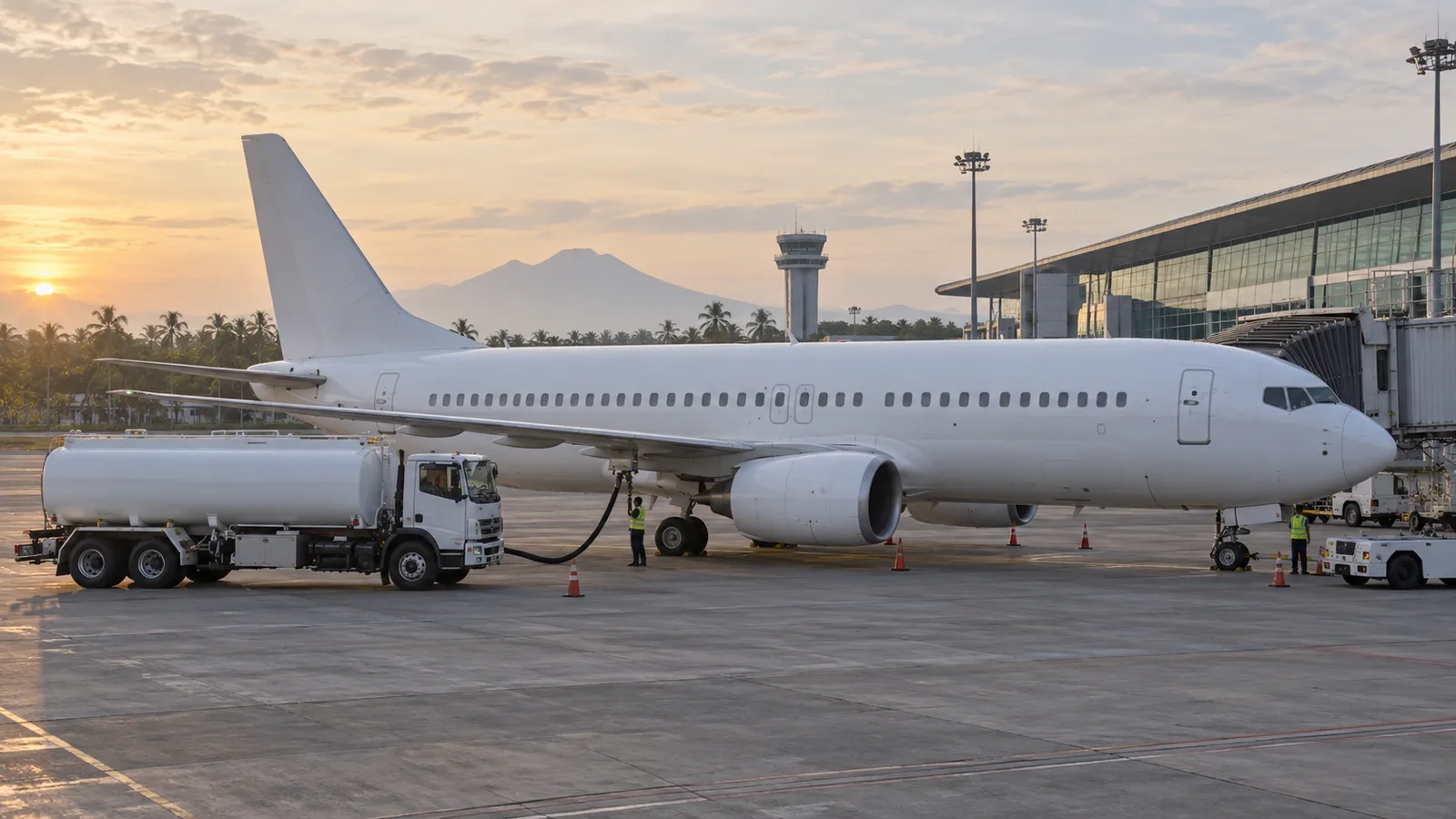
Jakarta — Garuda Indonesia operated a commercial flight using J2.4 sustainable aviation fuel (SAF) on the Jakarta–Solo route on 27 October 2023. Flight GA 164 used a Boeing 737-800NG and became the national airline’s first commercial passenger service powered by jet fuel containing a palm-derived component produced by Pertamina.
Indonesia’s Cabinet Secretariat reported that the aircraft departed Soekarno-Hatta International Airport for Adi Soemarmo Airport. Energy and Mineral Resources Minister Arifin Tasrif described the flight as a milestone in the development of renewable energy for Indonesia’s aviation sector.
From technical trials to a passenger flight
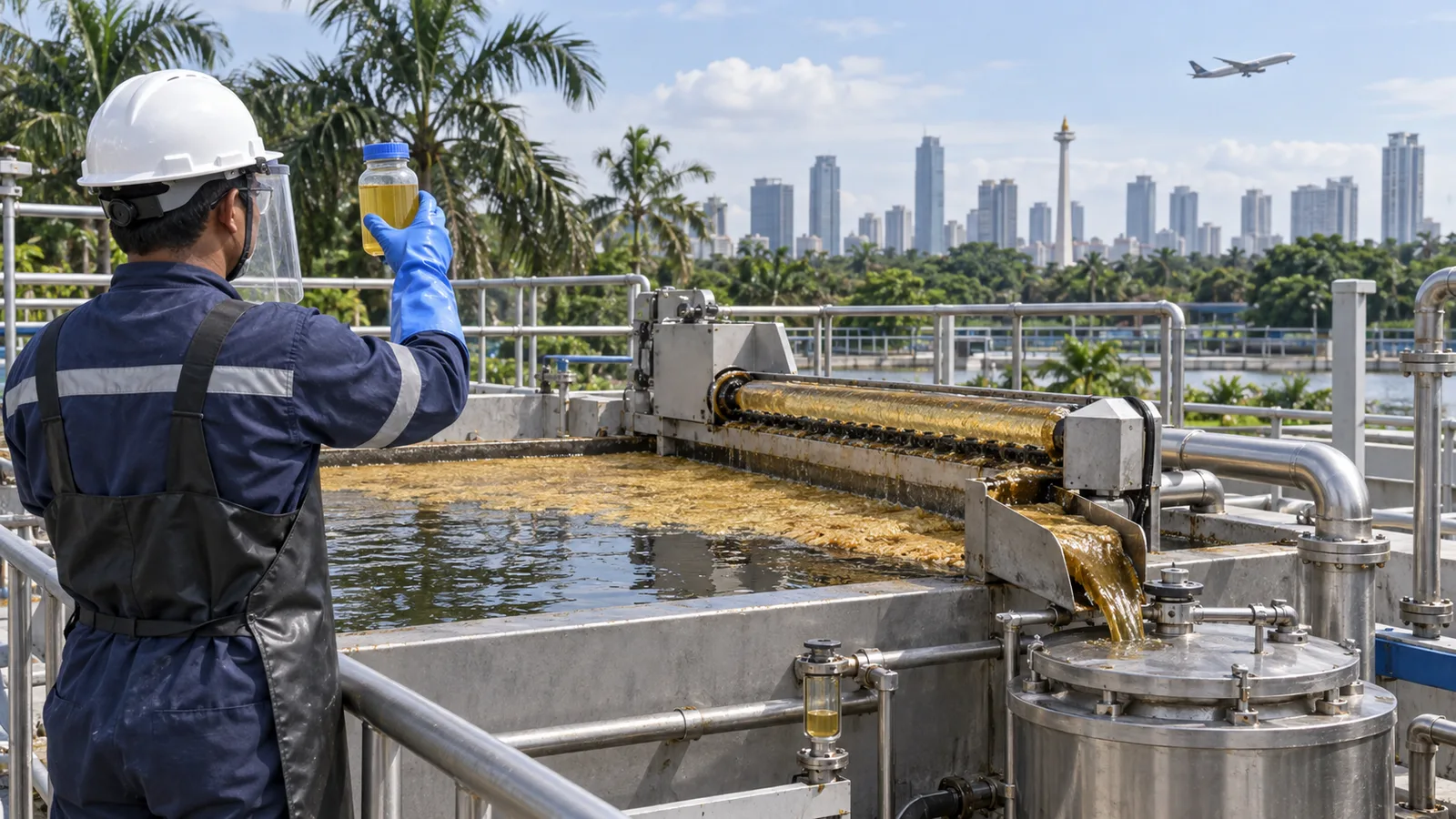
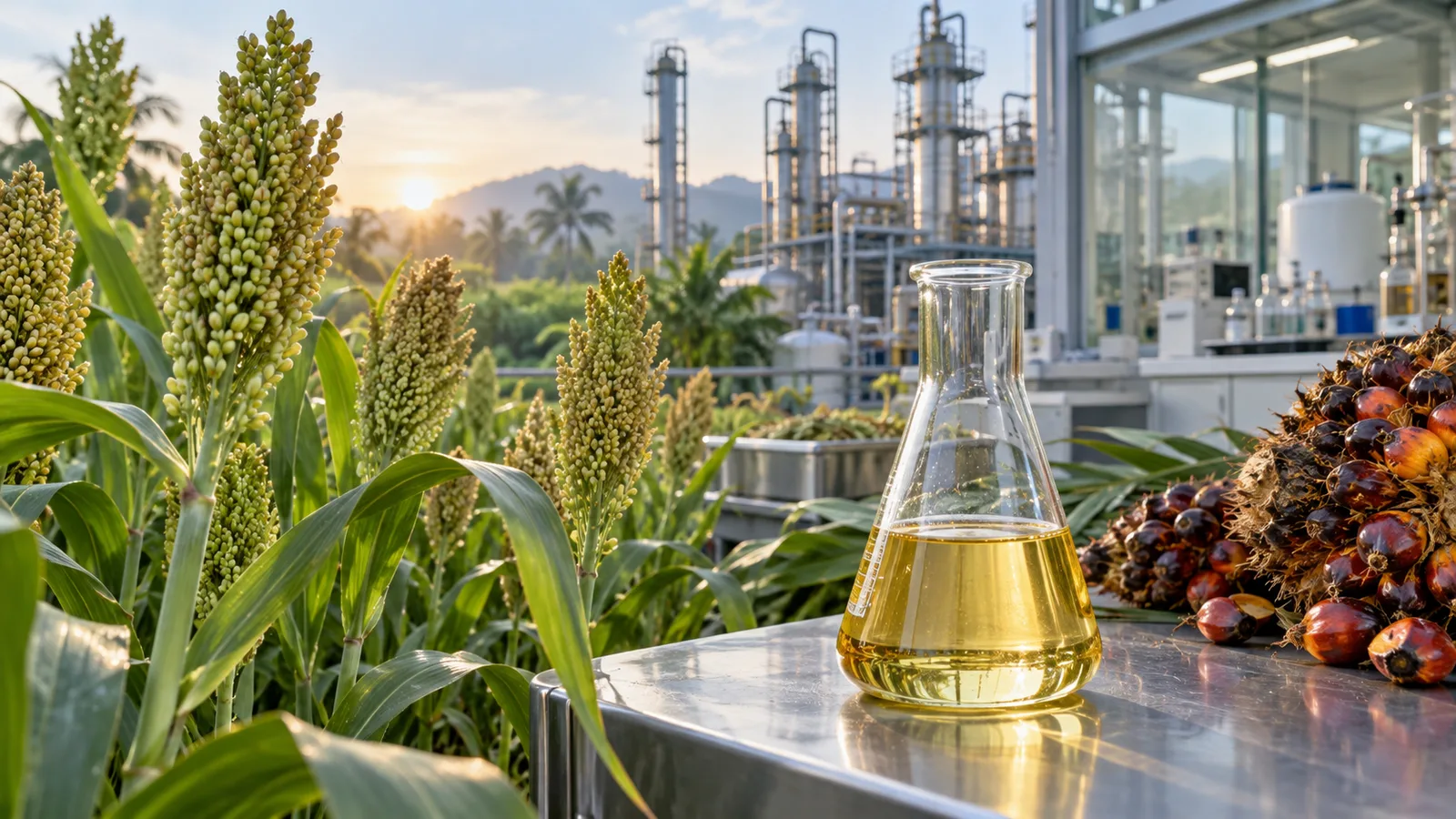
The commercial service followed a series of fuel tests and test flights. Reuters reported that Pertamina produced J2.4 at its Cilacap refinery using technology that processed palm kernel oil into a jet-fuel component before blending it with conventional aviation turbine fuel.
The J2.4 designation refers to the renewable component in the fuel blend. On this flight, the product was used by a scheduled commercial aircraft carrying passengers rather than only by a test aircraft. Moving from trials to a passenger service demonstrated that production, storage, airport fuelling and aircraft use could be connected in a single commercial operation.
Garuda Indonesia President Director Irfan Setiaputra said the fuel formed part of the airline’s commitment to reducing emissions. Reuters noted, however, that wider commercial use would require further discussions, including an assessment of economics and supply availability.
Potential and challenges for palm-based SAF
Indonesia has a large palm-oil feedstock base and substantial oil-processing infrastructure. The Jakarta–Solo flight demonstrated one route for using that industrial capacity beyond road-transport biodiesel. The Cilacap refinery was central to the project because Pertamina had developed a process to produce an aviation-fuel component from vegetable oil.
One flight did not mean that J2.4 was ready for fleet-wide use. Sustained production would require dependable feedstock, refinery capacity, aviation-quality certification, airport logistics and a price acceptable to airlines. Claims about emissions reductions would also need to be assessed across the fuel’s full life cycle rather than only at the point of combustion.
A milestone for Indonesian aviation
The 27 October flight gave Indonesia operational experience in using renewable-content fuel on a commercial aircraft. Government agencies and participating companies could use that experience to assess product quality, ground handling, aircraft performance and the requirements for expanding production.
For Pertamina, the flight demonstrated a domestically produced fuel that had moved through research and testing. For Garuda, it opened a route to examining how renewable-content fuel could enter airline operations without changing the aircraft type.
As of 27 October 2023, J2.4 remained an early step rather than a mass-market fuel. Its strategic value was the successful connection of Indonesia’s palm industry, refinery capacity, aviation-fuel distribution and a commercial airline in one operating chain.
Sources & references
- Cabinet Secretariat of the Republic of Indonesia, "Pertama di Indonesia, Garuda Terbang Komersial Perdana dengan Energi Terbarukan" (27 October 2023) — https://setkab.go.id/pertama-di-indonesia-garuda-terbang-komersial-perdana-dengan-energi-terbarukan/
- Reuters, "Indonesia flies first commercial flight using palm oil-blended jet fuel" (27 October 2023) — https://www.reuters.com/business/aerospace-defense/indonesia-flies-first-commercial-flight-using-palm-oil-blended-jet-fuel-2023-10-27/
Stay on top of Indonesian biodiesel
The weekly newsletter: the week’s key news, prices and data in one email every Friday. Or follow our channels for daily prices.