Indonesia Waives Palm Oil Export Levy through 31 August 2022
Indonesia set the export levy on all palm oil products at zero from 15 July to 31 August 2022 to speed shipments and support FFB prices.
Contents (3 sections)
Jakarta — Indonesia set the export levy on all palm oil products at zero from 15 July through 31 August 2022 under Finance Minister Regulation No. 115/PMK.05/2022. Announced on 16 July, the temporary measure was intended to accelerate exports, reduce inventories and support a recovery in farmers’ fresh fruit bunch (FFB) prices.
The regulation amended service tariffs charged by the public service agency managing Indonesia’s oil palm plantation fund. Its tariff schedule set a levy of US$0 per tonne for a broad range of products, including crude palm oil (CPO), processed palm products, biodiesel, used cooking oil and palm oil residues.
Zero levy through the end of August
The rule took effect on 15 July. IDN Times reported that Finance Minister Sri Mulyani Indrawati said the exemption would remain in place until 31 August, before a progressive tariff structure returned in September. The government presented the measure as a way to encourage shipments after palm oil stocks had accumulated across the domestic supply chain.
The exemption was distinct from Indonesia’s export duty. Regulation 115/2022 specifically changed the export levy administered through the plantation fund. A zero levy under this rule therefore did not automatically remove every fiscal charge applied to palm oil exports.
The government expected faster exports to ease domestic inventories. The earlier stock build-up had weakened demand for oil palm fruit and placed pressure on FFB prices received by farmers. The measure came less than two months after Indonesia reopened exports of CPO and its derivatives on 23 May 2022.
From CPO inventories to FFB prices
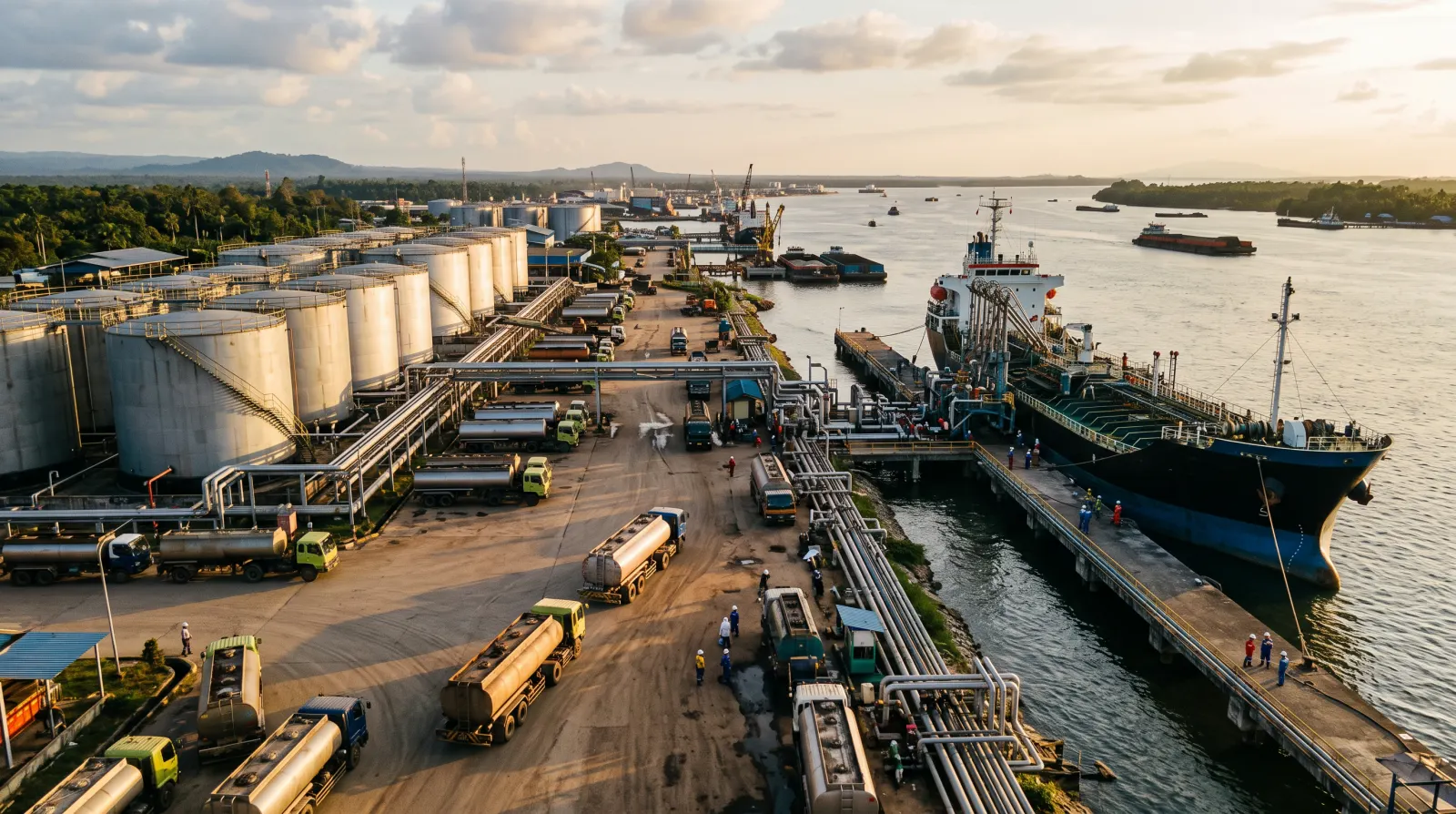
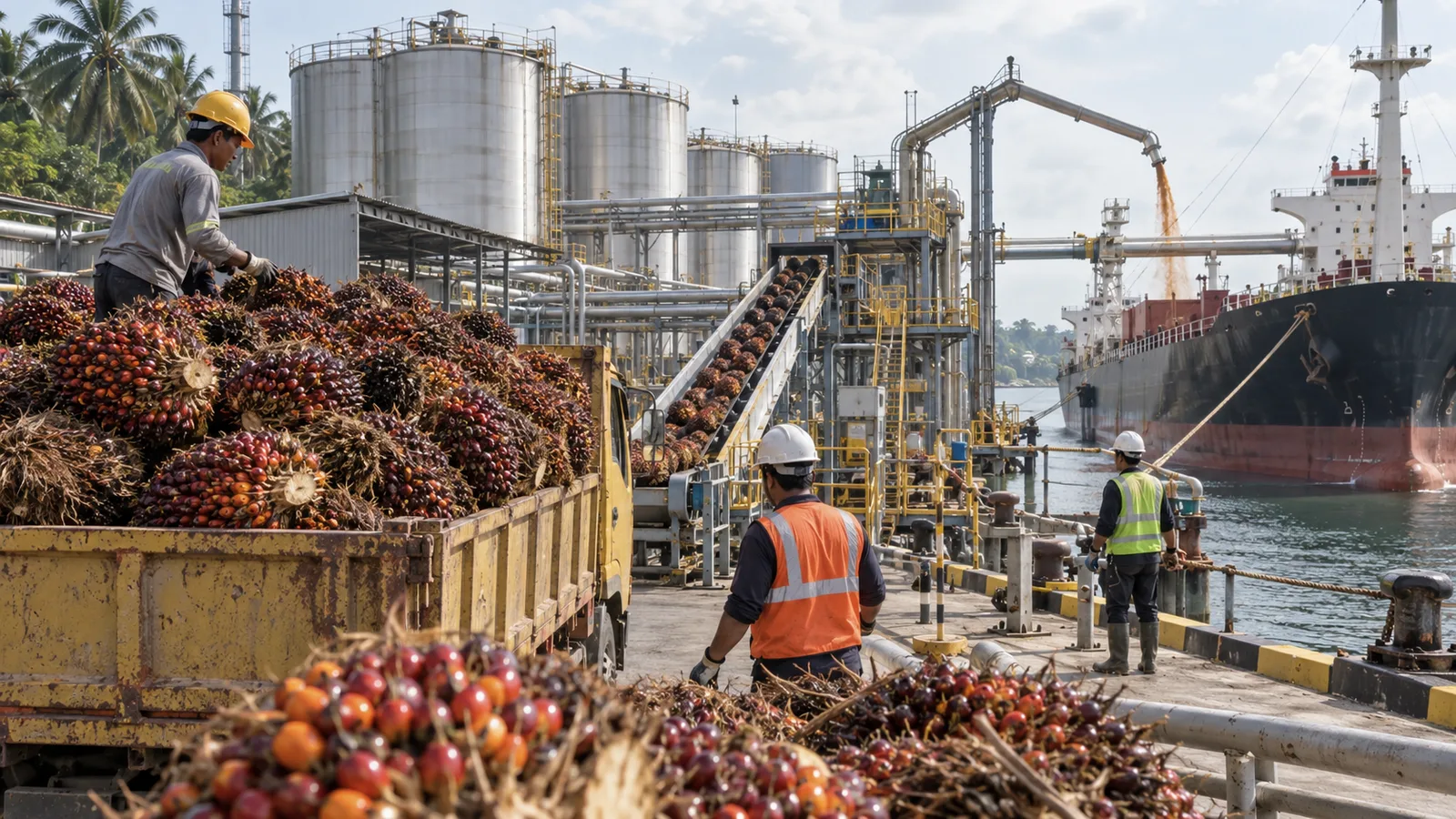
In practical terms, the zero rate lowered export costs during the specified period. The government expected exporters to respond by completing more sales and shipments. As tanks and mills cleared their inventories, processors could regain room to purchase raw material from plantations.
The link between exports and farmgate FFB prices was not necessarily immediate. Prices also depended on fruit quality, transport distances, provincial pricing formulas, partnership arrangements and mills’ capacity to absorb supply. The effectiveness of the levy holiday would therefore have to be assessed against actual export volumes and farmers’ selling prices during the exemption period.
Readers can follow the market context on Media Biodiesel’s daily CPO price page and review industry terminology in the glossary.
What it meant for biodiesel
Palm oil export levies were an important component of Indonesia’s wider plantation-fund system, while biodiesel provided a major domestic outlet for palm oil. Regulation 115/2022 also listed biodiesel among the products receiving the temporary zero export-levy rate.
Media Biodiesel analysis: the July 2022 decision showed the government balancing three objectives: reopening export channels, restoring raw-material prices for farmers and maintaining domestic downstream programmes. The levy exemption did not alter the biodiesel blending mandate then in force. Its direct effect concerned export costs and flows for a limited period, while the continuity of the biodiesel programme still depended on fund management and the policy structure applied after progressive levies returned.
Sources & references
- Ministry of Finance, "PMK Nomor 115/PMK.05/2022" (15 July 2022) — https://jdih.kemenkeu.go.id/download/535f1226-333a-432b-9aa4-280951210605/115~PMK.05~2022Per.pdf
- IDN Times, "Tok! Sri Mulyani Hapus Tarif Pungutan Ekspor CPO Hingga 31 Agustus" (16 July 2022) — https://www.idntimes.com/business/economy/tok-sri-mulyani-hapus-tarif-pungutan-ekspor-cpo-hingga-31-agustus-00-brqf5-vwvzks