Jokowi Launches Sugarcane Bioethanol Programme in Mojokerto, Outlines E5–E20 Plan
The 4 November 2022 launch at Enero came with an ESDM production projection, proposed petrol blends and a presidential regulation still in draft form.
Contents (3 sections)
Mojokerto, 4 November 2022 — President Joko Widodo launched the Sugarcane Bioethanol for Energy Security programme at PT Energi Agro Nusantara (Enero) in Mojokerto, East Java. The Ministry of Energy and Mineral Resources (ESDM) projected that national bioethanol production could rise from 40,000 kilolitres in 2022 to 1.2 million kilolitres in 2030. The latter was a projection at the time of the announcement, not an achieved production figure.
The launch brought sugarcane into Indonesia's discussion of fuel supply alongside its established role in sugar production. In its 4 November press release, ESDM said the president wanted bioethanol blending to begin at 5% in fuel, or E5, before moving to E10, E20 and potentially further. This was an intended progression, not a published implementation timetable or evidence that each blend was already on sale.
A proposed route from cane to petrol
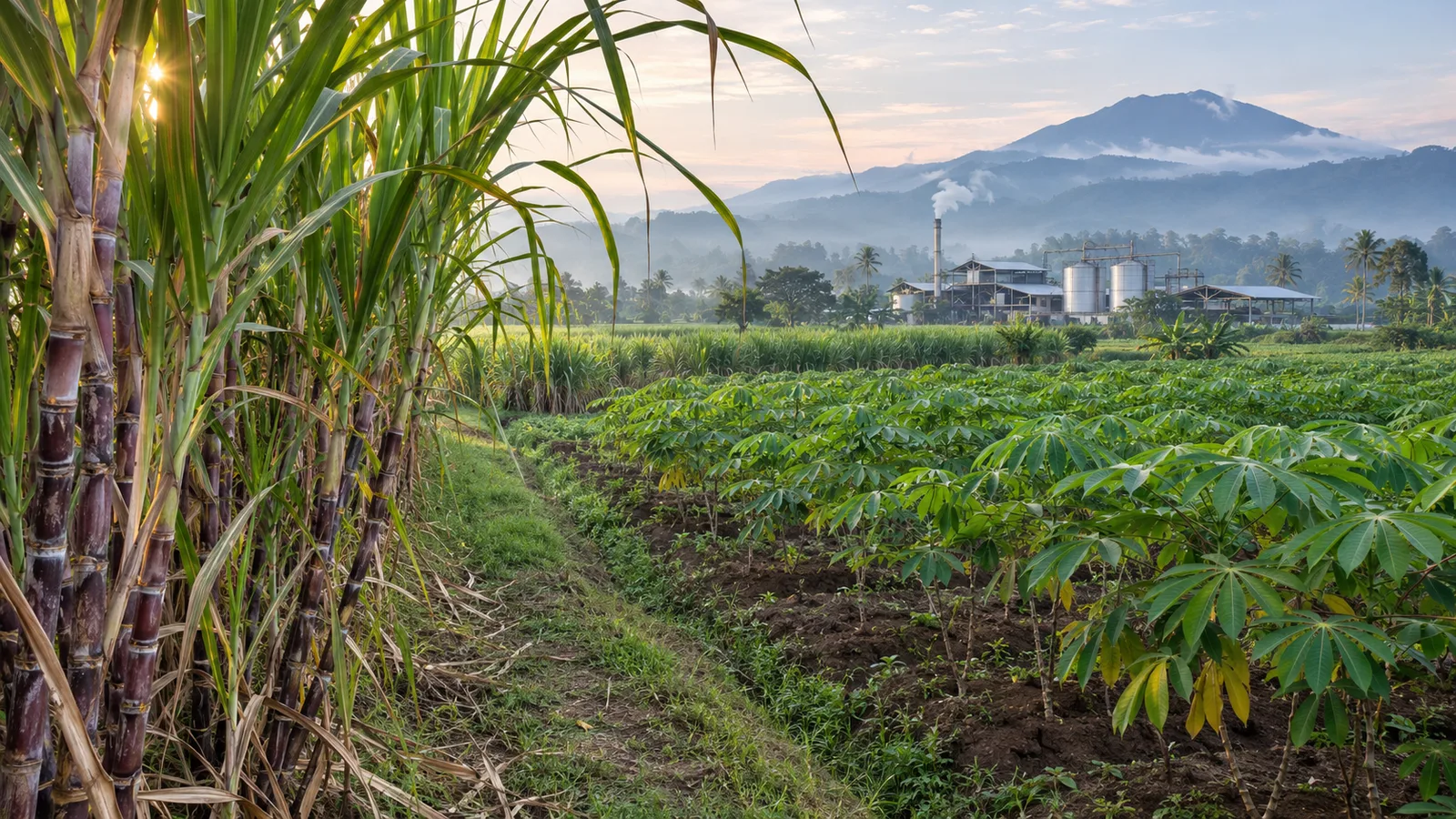
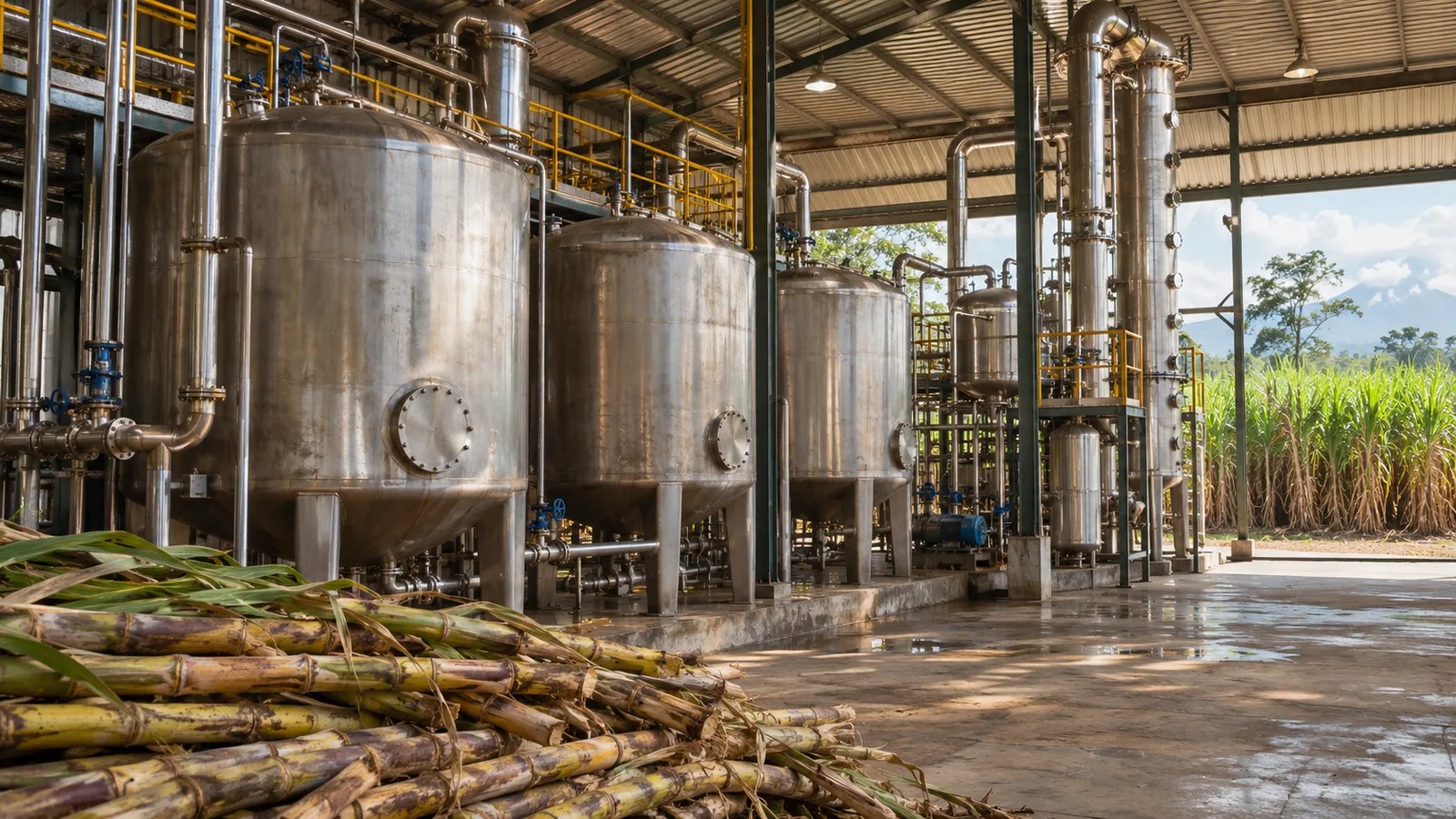
ESDM described bioethanol as a derivative of the sugar industry using sugarcane feedstock. It saw potential for blending the product into petrol as part of an effort to reduce dependence on imported fuel. The availability and processing of cane therefore mattered to the proposal as much as the target blend itself: an announced blending ambition did not by itself demonstrate sufficient bioethanol supply.
Energy minister Arifin Tasrif cited a 2021 study by an ITB bioethanol team on adding 5% ethanol to Pertalite RON 90, which ESDM said produced quality equivalent to Pertamax RON 92. The ministry said the study was consistent with Pertamina's assessment of a similar blend. Those were findings as presented in the ministry's release; the release did not say E5 had been implemented nationwide.
The production figures also describe different points in time. ESDM gave 40,000 kilolitres for 2022 and projected 1.2 million kilolitres for 2030 under the programme. Readers should not mistake the 2030 figure for a verified output or infer from the announcement alone how quickly production facilities could reach that level.
Cane productivity and a draft regulation
According to the Cabinet Secretariat, Jokowi hoped the programme would improve both the productivity and quality of Indonesia's sugarcane crop. He called for better varieties, closer cooperation between farmers and sugar mills, and modernised milling machinery to improve yields. These measures also belonged to the government's broader aim of reducing sugar imports for domestic consumption and industry.
The Cabinet Secretariat reported that the president referred to cooperation with Brazil on sugarcane and sugar management, while acknowledging the substantial investment needed to overhaul the sector. His stated hope of achieving sugar self-sufficiency in roughly five years was an aspiration voiced at the launch, not a result or a firm schedule for ethanol production.
On policy, ESDM said the government was preparing a draft presidential regulation on accelerating national sugar self-sufficiency and supplying bioethanol as a biofuel. The key word in the 4 November 2022 account is draft. Neither that prospective regulation nor the sequence from E5 to E20 should be described as an already effective mandate on the strength of these two announcements.
Why the launch also matters to biodiesel
The direct biodiesel connection came from the president's own conditional statement. ESDM introduced the new initiative in the context of Indonesia's B30 biodiesel blend, and both official accounts reported Jokowi's view that success with sugarcane, together with a further increase in palm-based B30, would strengthen national energy security. He did not say that launching ethanol would automatically raise the biodiesel blending rate.
The two fuel pathways were distinct in the sources: sugarcane bioethanol was proposed for petrol, while palm-based B30 referred to biodiesel blended into diesel fuel. Linking them as parts of an energy-security agenda does not make them interchangeable or establish identical policy milestones. At the launch, the ethanol programme still depended on the proposed improvements in cane production and processing, while the regulation ESDM mentioned was still being drafted.
Sources & references
- Kementerian ESDM, "Presiden Jokowi Luncurkan Program Bioetanol Tebu Untuk Ketahanan Energi" (4 November 2022) — https://www.esdm.go.id/id/media-center/arsip-berita/presiden-jokowi-luncurkan-program-bioetanol-tebu-untuk-ketahanan-energi
- Sekretariat Kabinet, "Presiden Harap Program Bioetanol Tebu untuk Ketahanan Energi Dorong Peningkatan Produksi dan Kualitas Tebu" (4 November 2022) — https://setkab.go.id/presiden-harap-program-bioetanol-tebu-untuk-ketahanan-energi-dorong-peningkatan-produksi-dan-kualitas-tebu/
Stay on top of Indonesian biodiesel
The weekly newsletter: the week’s key news, prices and data in one email every Friday. Or follow our channels for daily prices.