Pertamina–Sojitz Sign HVO Agreement; Fuel Supplied for Generator Test
An HVO agreement in Bali was followed by fuel delivery for a generator trial. No test results or volume were disclosed; Pertamina's emissions figures remain potential claims.
Contents (3 sections)
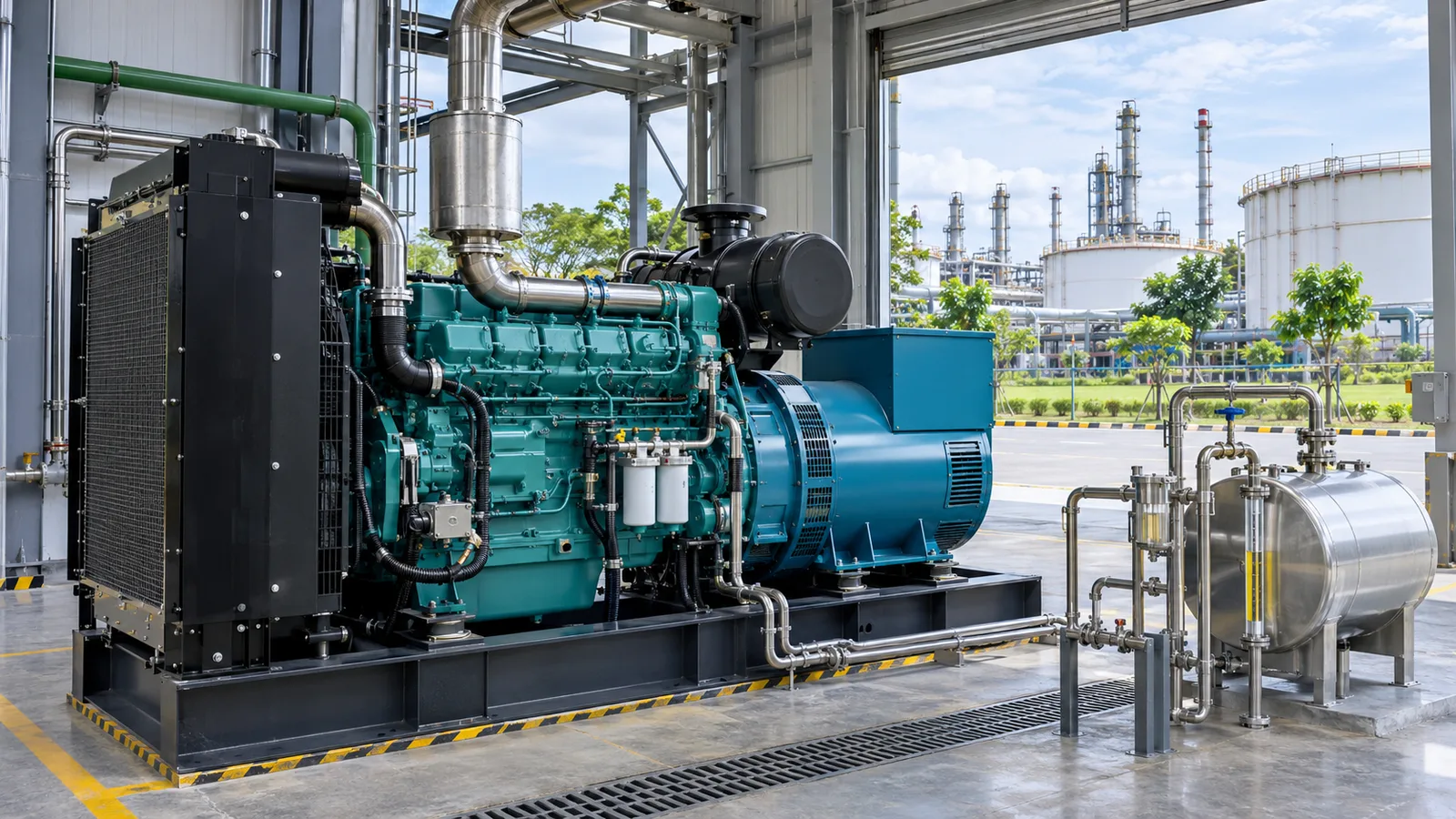
Bali — Pertamina Patra Niaga and PT Sojitz Indonesia signed a memorandum of understanding on the use of hydrotreated vegetable oil (HVO) in Bali on 10 September 2024. Pertamina said it had made an initial delivery of Pertamina Renewable Diesel to Sojitz for testing in a diesel generator made by PT MHI Engine System. As of 11 September, the available reports did not disclose the generator test results, the quantity delivered or a timetable for commercial use.
The agreement was signed by Maya Kusmaya, Pertamina Patra Niaga's director of central marketing and trading, and Seiji Itagaki, chief executive of PT Sojitz Indonesia. Pertamina framed the partnership as part of its industrial decarbonisation offering. ANTARA reported the agreement on the evening of 10 September; Pertamina's release and Katadata's report followed on 11 September.
A delivery for testing, not a test result
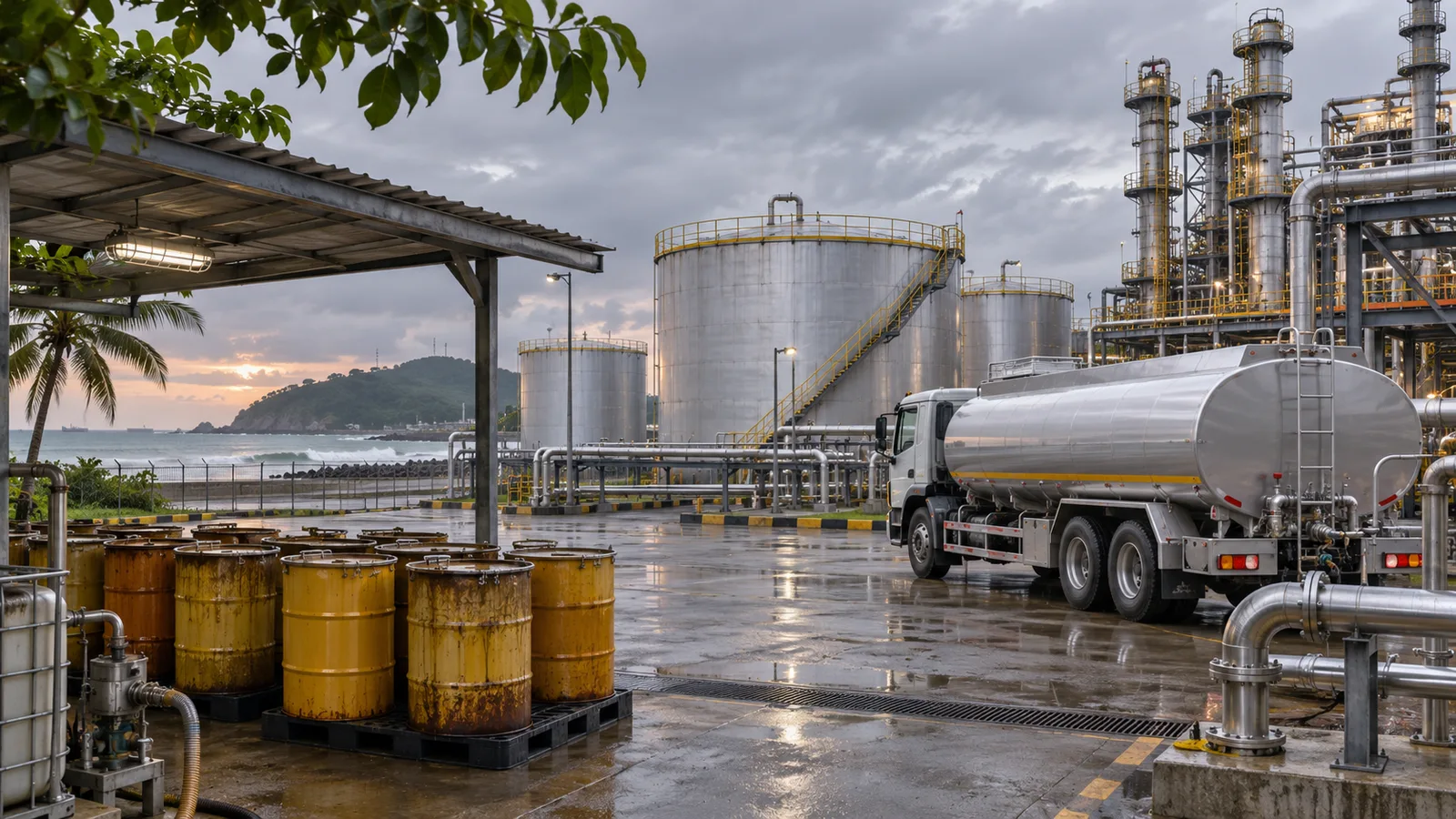
According to Pertamina's release, the HVO supplied to Sojitz was produced at the Green Refinery Cilacap. Maya said the product had International Sustainability and Carbon Certification (ISCC). The announcement specifically describes an initial delivery for testing in a PT MHI Engine System diesel generator. It gives no generator capacity, testing protocol, performance parameters or delivered volume. The delivery therefore cannot be taken as evidence that this generator has passed a test.
Katadata likewise reported the initial supply for generator testing, while ANTARA carried the statements about Cilacap production and ISCC certification. These accounts corroborate the announcement of a partnership and fuel supply for a trial; they are not independent reports of the trial's results. For industrial buyers, an announced supply, a completed test and a technical evaluation are separate milestones.
Emissions figures are Pertamina's potential claims
Maya said the HVO could potentially cut “carbon emissions” by as much as 85% and “greenhouse gas emissions” by as much as 90%. These are Pertamina's potential-reduction claims, also reported by ANTARA and Katadata, not measured reductions from Sojitz's generator test. The available sources do not specify the comparison fuel, accounting boundaries or methods behind either figure. The percentages should not be presented as two verified measurements from the same engine.
Pertamina also said the fuel's specifications allow HVO to be used directly in diesel engines without modification. That broad compatibility claim is distinct from validation in a particular generator configuration. Operators would need the relevant test data and technical requirements before drawing conclusions about performance, reliability or emissions savings at their own facilities.
HVO's distinct pathway and feedstock talks
HVO is a renewable diesel fuel made by hydrotreating vegetable oil; it is not the same as fatty acid methyl ester (FAME) biodiesel. This generator-fuel delivery therefore does not signal a change to FAME biodiesel blending in the market. The distinction between these biofuel pathways also matters when consulting the site's biofuel glossary.
Separately, Pertamina said the companies were exploring potential supplies of used cooking oil (UCO) and palm oil mill effluent (POME), as well as carbon credits. Exploration is not a feedstock supply agreement or evidence that either material was used in the HVO delivered to Sojitz. None of the sources identifies the feedstock composition of the delivered batch; its origin at Green Refinery Cilacap alone does not establish the input to each litre of fuel.
Itagaki said the collaboration supported both companies' sustainability goals. For the biofuel sector, what was confirmed by the reporting date was the memorandum of understanding and the delivery of HVO for testing. The scale of any subsequent use, generator performance and realised emissions benefits await separate disclosure.
Sources & references
- Pertamina, "Sinergi Pertamina Patra Niaga dan PT Sojitz Indonesia : Kurangi Emisi Karbon dengan HVO" (11 September 2024) — https://www.pertamina.com/id/news-room/news-release/sinergi-pertamina-patra-niaga-dan-pt-sojitz-indonesia-kurangi-emisi-karbon-dengan-hvo
- ANTARA, "Pertamina gandeng PT Sojitz Indonesia kurangi emisi karbon lewat HVO" (10 September 2024) — https://www.antaranews.com/berita/4323651/pertamina-gandeng-pt-sojitz-indonesia-kurangi-emisi-karbon-lewat-hvo
- Katadata, "Pertamina Salurkan HVO ke PT Sojitz Indonesia, Bisa Kurangi 85% Emisi" (11 September 2024) — https://katadata.co.id/ekonomi-hijau/energi-baru/66e14ec2725c4/pertamina-salurkan-hvo-ke-pt-sojitz-indonesia-bisa-kurangi-85-emisi
Stay on top of Indonesian biodiesel
The weekly newsletter: the week’s key news, prices and data in one email every Friday. Or follow our channels for daily prices.