Pertamina Targets Combined SAF and HVO Output at Cilacap From 2029
Pertamina targets 288,000 kL of combined SAF and HVO output a year from 2029, without disclosing the product split or secured cooking-oil feedstock.
Contents (3 sections)
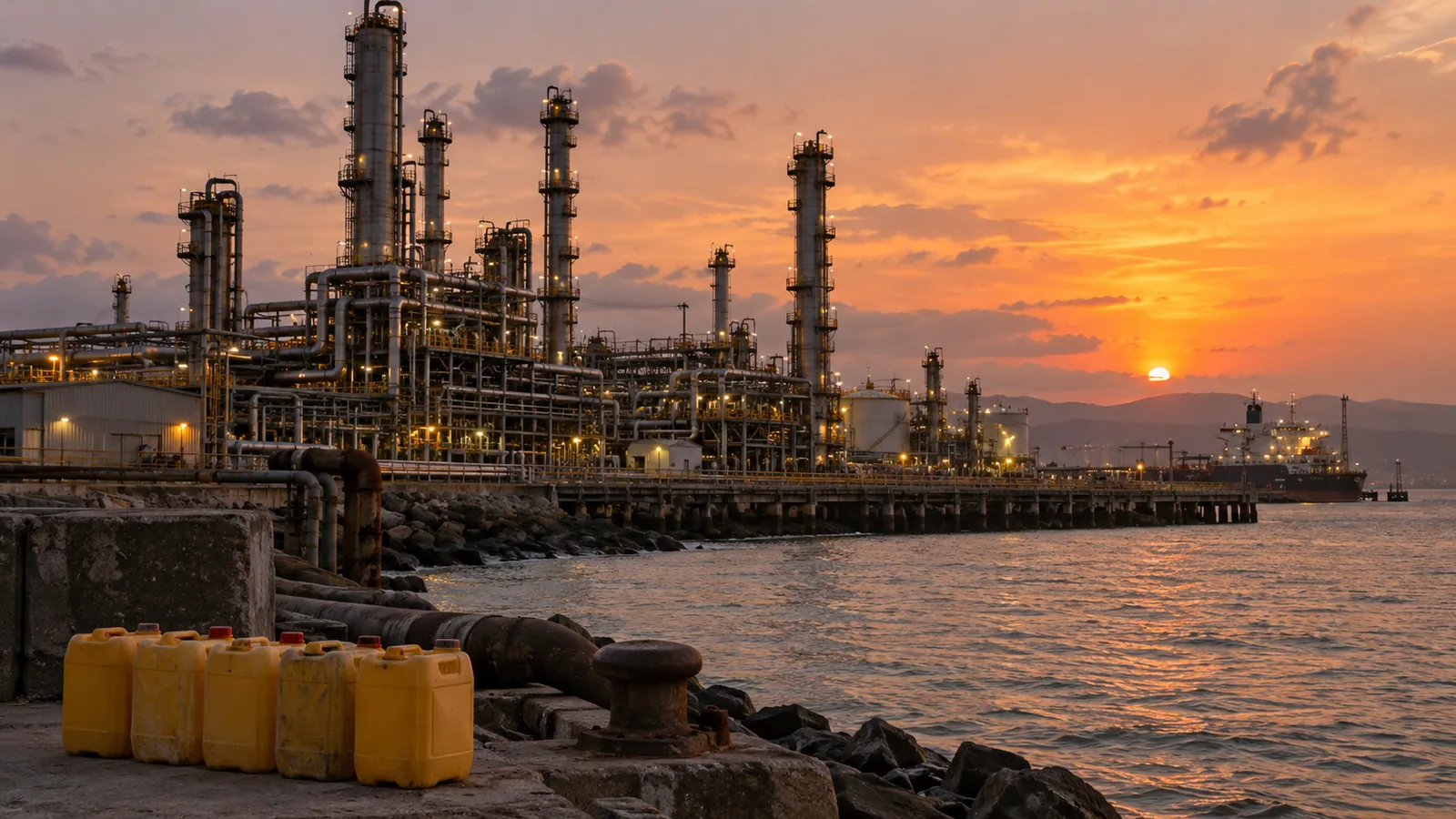
Jakarta — Pertamina is targeting combined production of about 288,000 kilolitres a year of sustainable aviation fuel (SAF) and hydrotreated vegetable oil (HVO) at its planned Cilacap Green Refinery from 2029. The figure covers both fuels, not SAF alone. The company outlined the plan in an 11 November 2026 statement following an ASEAN transport decarbonisation discussion at COP31 in Antalya, Türkiye.
The announcement puts a capacity figure on the Cilacap plan. It does not disclose the expected split between SAF and HVO, contracted volumes of used cooking oil, or actual output. The proposed 2029 start is a target, not evidence that the facility is operating now.
One target, two fuel products
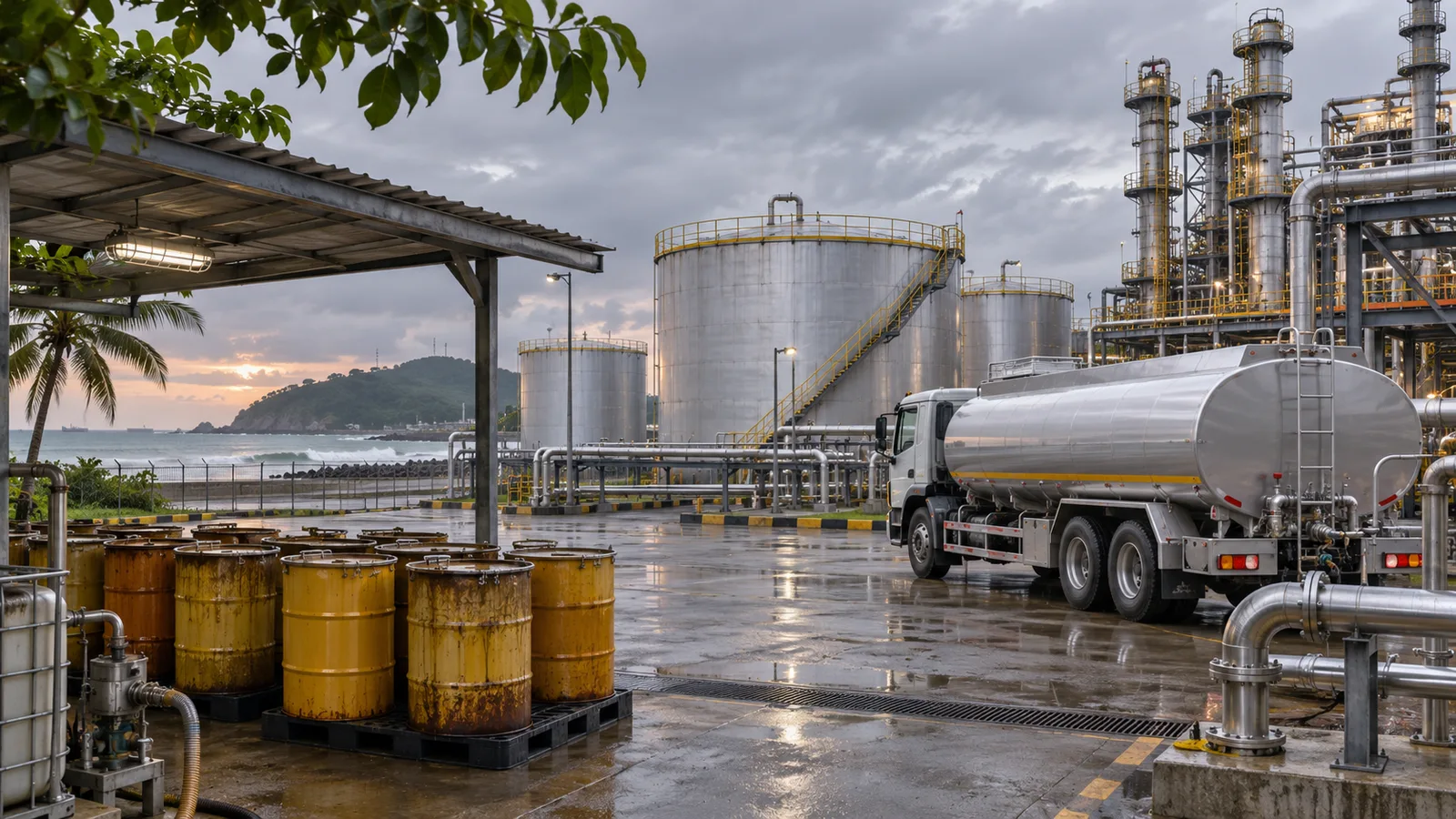
Pertamina said it was working to optimise used cooking oil (UCO) as a main feedstock for SAF and to build a collection ecosystem involving communities and cooperatives. A stated refinery capacity alone cannot establish that enough feedstock of the required quality will be available. The company did not quantify how much UCO has already been secured for this project.
CNBC Indonesia's 11 November report repeats the approximately 288,000-kilolitre annual figure and also describes it as output of SAF and HVO. Neither source assigns a separate capacity to either fuel. HVO is a hydrogen-treated renewable fuel, distinct from the fatty acid methyl ester (FAME) biodiesel used in Indonesia's diesel blending programme.
In the same presentation, Pertamina's business transformation and sustainability director Agung Wicaksono listed SAF alongside B50 biodiesel and its bioethanol-based Pertamax Green 95 among the company's lower-carbon transport initiatives. A company portfolio list should not be read as an announcement that all those fuels have become new mandatory blends.
Feedstock and project status
The Cilacap target is separate from the recently reported SAF activity in Dumai. The Dumai item concerns the composition of feedstock and did not establish a sales volume; this Cilacap statement concerns a planned combined production target from 2029. Combining the two into a current national production figure would be misleading.
Pertamina said faster transport decarbonisation would require cooperation on feedstock supply chains, technology, clean-energy financing and regional sustainability standards. It also described a hydrogen-bus collaboration with Transjakarta, a separate initiative that should not be confused with the planned Cilacap renewable-fuel output.
For readers following Indonesia's B50 discussion, the distinction between diesel biodiesel blends, aviation fuel and HVO matters. Pertamina's statement offers no basis for estimating how the Cilacap project might change crude palm oil demand or the allocation of fuel for the biodiesel mandate.
Questions still open
Neither the Pertamina release nor CNBC's account specifies the SAF-to-HVO product split, construction progress, project investment or a commercial start date beyond 2029. Feedstock collection volume is not provided either. The headline number is therefore a company target rather than a verified production result.
Future disclosures on UCO supply, the project timetable and separately reported SAF and HVO output will make it possible to assess progress. Until then, the 288,000-kilolitre figure should be quoted only as the combined annual ambition for the two fuels at Cilacap.
Sources & references
- Pertamina, "Pertamina Perkuat Kemitraan Strategis untuk Mendorong Transisi Energi dan Ketahanan Energi ASEAN" (11 November 2026) — https://www.pertamina.com/news/pertamina-perkuat-kemitraan-strategis-untuk-mendorong-transisi-energi-dan-ketahanan-energi-asean
- CNBC Indonesia, "Pertamina Perkuat Kemitraan Strategis, Dorong Transisi Energi ASEAN" (11 November 2026) — https://www.cnbcindonesia.com/news/20261111104623-4-784167/pertamina-perkuat-kemitraan-strategis-dorong-transisi-energi-asean
Stay on top of Indonesian biodiesel
The weekly newsletter: the week’s key news, prices and data in one email every Friday. Or follow our channels for daily prices.