Dumai Refinery Produces SAF With 5% Used-Oil Feedstock; Sales Volume Unclear
Pertamina reports SAF production at its Dumai refinery using feedstock containing 5% used cooking oil; commercial sales and emissions calculations were not disclosed.

Contents (3 sections)
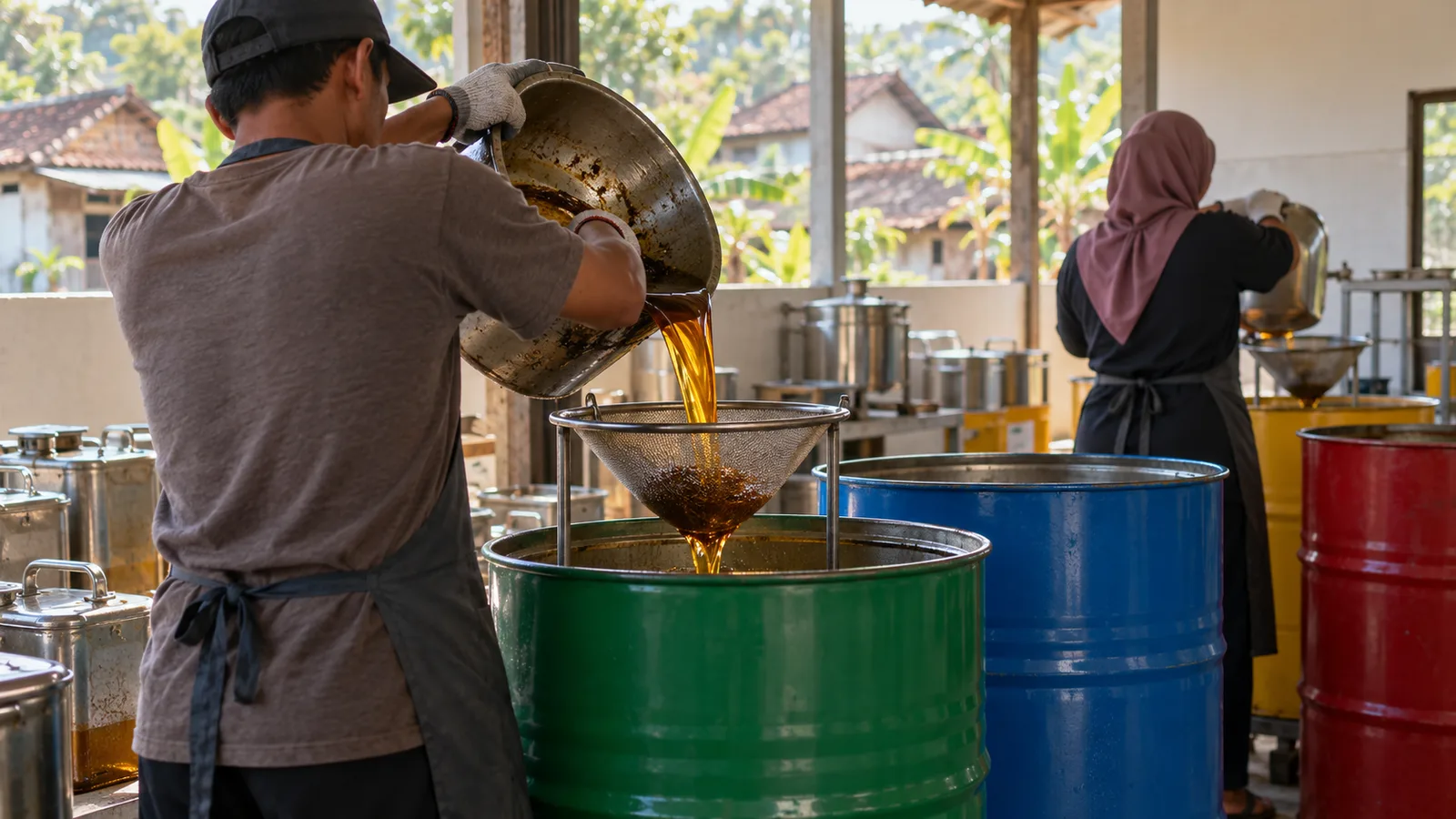
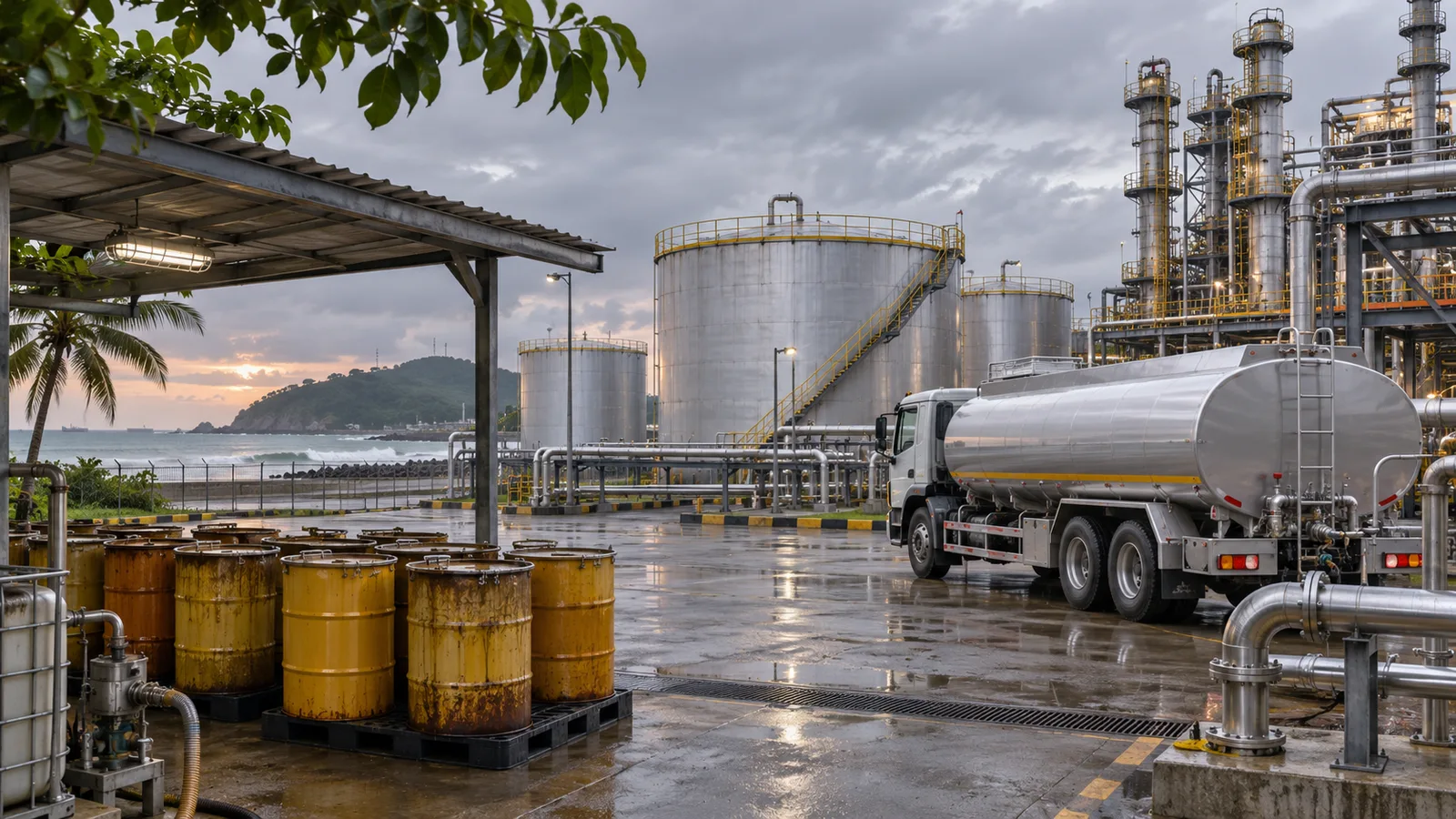
Jakarta — Pertamina Patra Niaga's Dumai refinery has produced sustainable aviation fuel (SAF) by co-processing feedstock containing 5% used cooking oil (UCO), ANTARA reported on 10 November 2026. The 5% figure describes the UCO share in the refinery's processing feedstock; it is not evidence that every litre of aviation fuel sold contains 5% used oil. Pertamina says the product holds ISCC EU and ISCC CORSIA sustainability certifications. Neither commercial sales volumes nor flights using Dumai's fuel were specified in the reports reviewed.
A July trial preceded the October launch
The Riau refinery's work did not begin this week. A Pertamina Patra Niaga statement carried by ANTARA Riau on 9 November says its UCO processing trial succeeded on 25 July 2026. The product was unveiled during a management visit to the refinery on 15 October. ANTARA's national report the following day confirmed production using a UCO-containing feedstock.
The company describes the method as co-processing: UCO is processed with other inputs in its Hydrocracker Unibon HCU #212 unit. Pertamina says the 5% UCO input is the highest bio-feedstock proportion reached through this co-processing technology at the unit. This should not be confused with Indonesia's B50 biodiesel mandate for diesel fuel. SAF serves aviation, whereas B50 is a blend used in diesel engines.
Dumai refinery executive general manager Iwan Kurniawan said preparations covered operational safety, laboratory testing and sustainability certification. According to the company, the facility holds ISCC EU and ISCC CORSIA certificates. Certification and readiness to trade are not proof of a sales contract, annual production volume or a commercial flight using Dumai-made SAF. The two ANTARA reports reviewed provide none of those details.
An emissions figure remains a company claim
Pertamina also cites a potential reduction of up to 81% in carbon emissions from Dumai's SAF. This is a company claim about potential savings, not a measured reduction automatically attributable to each flight. The available reporting does not provide the calculation method, fossil-fuel comparator or independent audit behind the figure. Readers should keep that claim separate from independently verified production and use data.
ANTARA Riau repeats a refinery capacity claim in MBSD, but does not establish how much certified SAF the UCO-processing line has actually yielded. A refinery throughput figure should not be converted into an assumed SAF output: feedstock processing capacity, finished-product output and sales are different measures. The next questions concern reliable supplies of traceable UCO and actual utilisation of the facility.
What the project means for Indonesia's SAF market
A biofuels annual report published in August 2026 by USDA staff in Jakarta describes Indonesia's SAF market as being at an early stage. Their assessment—not an official statement of US government policy—says Indonesia's roadmap schedules a 1% SAF blend from 2027, initially at two major airports. It identifies variable UCO quality, high production costs and a fragmented supply chain as challenges for Pertamina.
Against that backdrop, Dumai adds another example of processing capability beyond Cilacap, but does not establish that national supply is ready to serve all aviation demand. The roadmap still depends on available feedstock, infrastructure and workable economics. The reports reviewed do not specify how much UCO suppliers delivered to Dumai, how much SAF was sold or at what price. Those figures would help show whether a technical achievement can become a durable commercial supply chain.
The feedstock distinction matters for the palm sector, too. This announcement concerns used cooking oil, not a documented rise in crude palm oil consumption for biodiesel. SAF and biodiesel supply chains may face shared traceability and feedstock-allocation questions, but these reports do not support a claim that Dumai's announcement changed fresh fruit bunch or CPO prices. Readers seeking market prices can consult our CPO price data separately.
Sources & references
- ANTARA, "Kilang Dumai produksi avtur dengan campuran 5 persen minyak jelantah" (10 November 2026) — https://www.antaranews.com/berita/5843295/kilang-dumai-produksi-avtur-dengan-campuran-5-persen-minyak-jelantah
- ANTARA Riau, "Pertamina Patra Niaga Kilang Dumai Luncurkan Produk SAF dengan 5 Persen Minyak Jelantah" (9 November 2026) — https://riau.antaranews.com/berita/458027/pertamina-patra-niaga-kilang-dumai-luncurkan-produk-saf-dengan-5-persen-minyak-jelantah-bukti-keandalan-kilang-dukung-transformasi-aviasi-indonesia
- USDA FAS Jakarta, "Biofuels Annual" (14 August 2026) — https://www.fas.usda.gov/data/gain-report/2026/08/Biofuels%20Annual_Jakarta_Indonesia_ID2026-0033.pdf
Stay on top of Indonesian biodiesel
The weekly newsletter: the week’s key news, prices and data in one email every Friday. Or follow our channels for daily prices.