Vice President Urges Waste-Bank Cooking Oil for Cilacap SAF; Supply Unproven
The vice-president wants waste-bank oil in Cilacap’s SAF supply chain, but community volumes, prices and contracts have not been reported.
Contents (3 sections)
Jakarta — Vice President Gibran Rakabuming Raka has urged Indonesia's sustainable aviation fuel (SAF) development at the Cilacap refinery to generate income for people collecting used cooking oil through community waste banks. He made the appeal during a visit to Pertamina's facility in Central Java on Monday, 26 October 2026, ANTARA reported, citing the vice-president's office. The appeal is not evidence that waste banks have signed supply contracts.
Linking community collection with industry
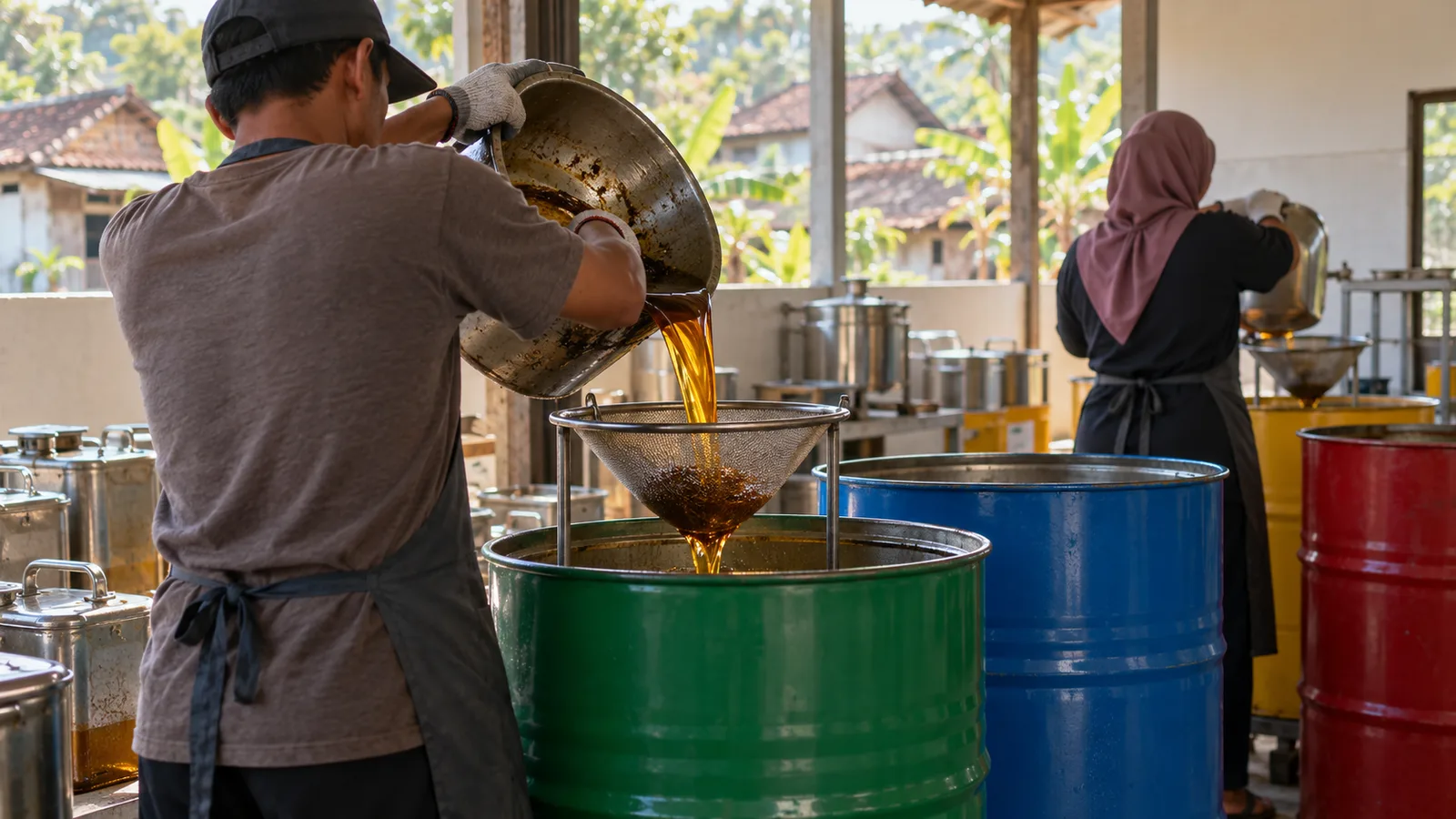
Gibran wants oil collected by residents, including women's groups operating waste banks, to enter a national industrial supply chain, according to ANTARA. The emphasis was on community economic participation as well as refinery feedstock. The report did not specify a purchase price, actual waste-bank volumes, contracted suppliers or the cost of moving the oil to Cilacap.
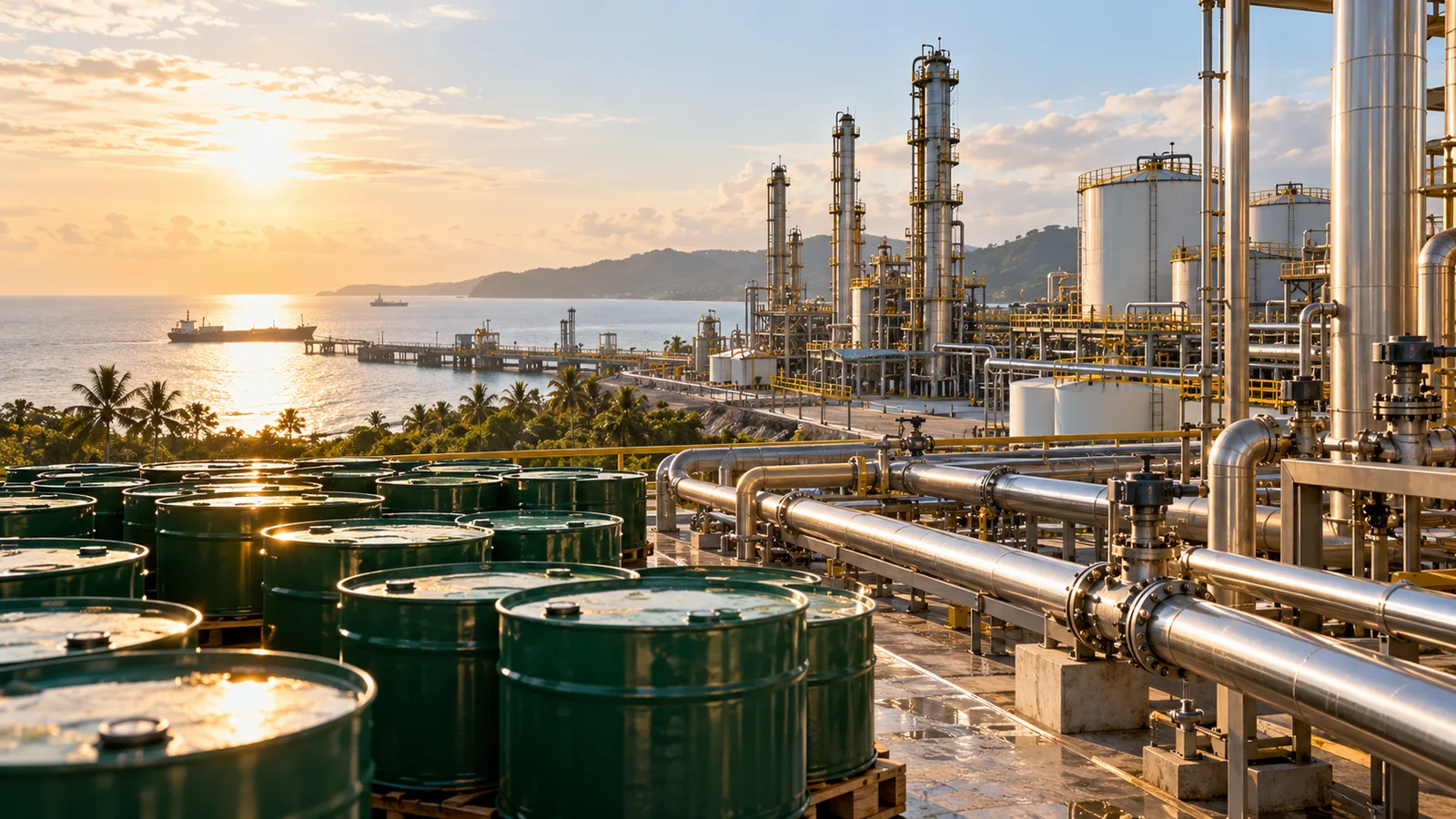
ANTARA described the refinery's SAF process as co-processing used cooking oil (UCO) with kerosene in a hydrotreating unit. It said the unit was already operating commercially with estimated net SAF production of around 5,075 kilolitres a year. That figure is a reported production estimate, not evidence that all of its feedstock currently comes from community waste banks.
In a September report on a separate, larger bio-refinery project, ANTARA quoted Pertamina officials putting existing unit capacity at 27 kL a day and the planned additional capacity at 860 kL a day by 2029. These numbers describe different time units and facility scopes. An annual net output estimate at an existing unit should not be compared directly with the daily design capacity of a future facility.
Feedstock needs for the expansion
The September report cited a projected UCO requirement of about 350,000 tonnes a year for the new Cilacap bio-refinery in 2029. One potential stream from businesses was estimated at 240,000–300,000 tonnes a year, alongside oil gathered from households and communities. Those are projections of potential supply and future demand, not verified deliveries or signed contracts.
The gap between the proposed requirement and the potential business-supply range helps explain interest in community collection. But available reports do not say how much oil waste banks can actually collect, whether each stream meets quality requirements, or how revenue would be divided among collectors. It would be premature to say waste banks will automatically fill the projected gap.
Pertamina's project was targeting operation in 2029 in the September report. Figures for its investment, capacity and economic effects remained forecasts. The vice-president's October visit does not turn those targets into completed outcomes. It also does not change the distinction between an existing co-processing unit and a planned new refinery.
What to watch
Using cooking oil waste for SAF may add value to a dispersed resource. To establish whether residents benefit, independently reported collection volumes, prices paid to collectors, feedstock traceability and actual industrial purchases are needed. Until those figures are available, connecting waste banks with SAF remains a policy aim rather than demonstrated household income.
The 26 October development shifts attention from announced processing capacity to feedstock sourcing and distribution of benefits. Reporting actual deliveries separately from investment targets will be essential to judging progress.
Sources & references
- ANTARA, "Wapres ingin minyak jelantah dari bank sampah bernilai ekonomi" (26 October 2026) — https://www.antaranews.com/berita/5812803/wapres-ingin-minyak-jelantah-dari-bank-sampah-bernilai-ekonomi
- ANTARA, "Proyek kilang bioavtur Cilacap berpotensi dongkrak PDB Rp199 triliun" (10 September 2026) — https://www.antaranews.com/berita/5735428/proyek-kilang-bioavtur-cilacap-berpotensi-dongkrak-pdb-rp199-triliun
Stay on top of Indonesian biodiesel
The weekly newsletter: the week’s key news, prices and data in one email every Friday. Or follow our channels for daily prices.