Four Banyumas Cooperatives Pilot Used Cooking Oil Collection for SAF
Indonesia launches a four-cooperative used-cooking-oil pilot for Cilacap SAF feedstock; proposed prices and actual pilot supply remain distinct.
Contents (3 sections)
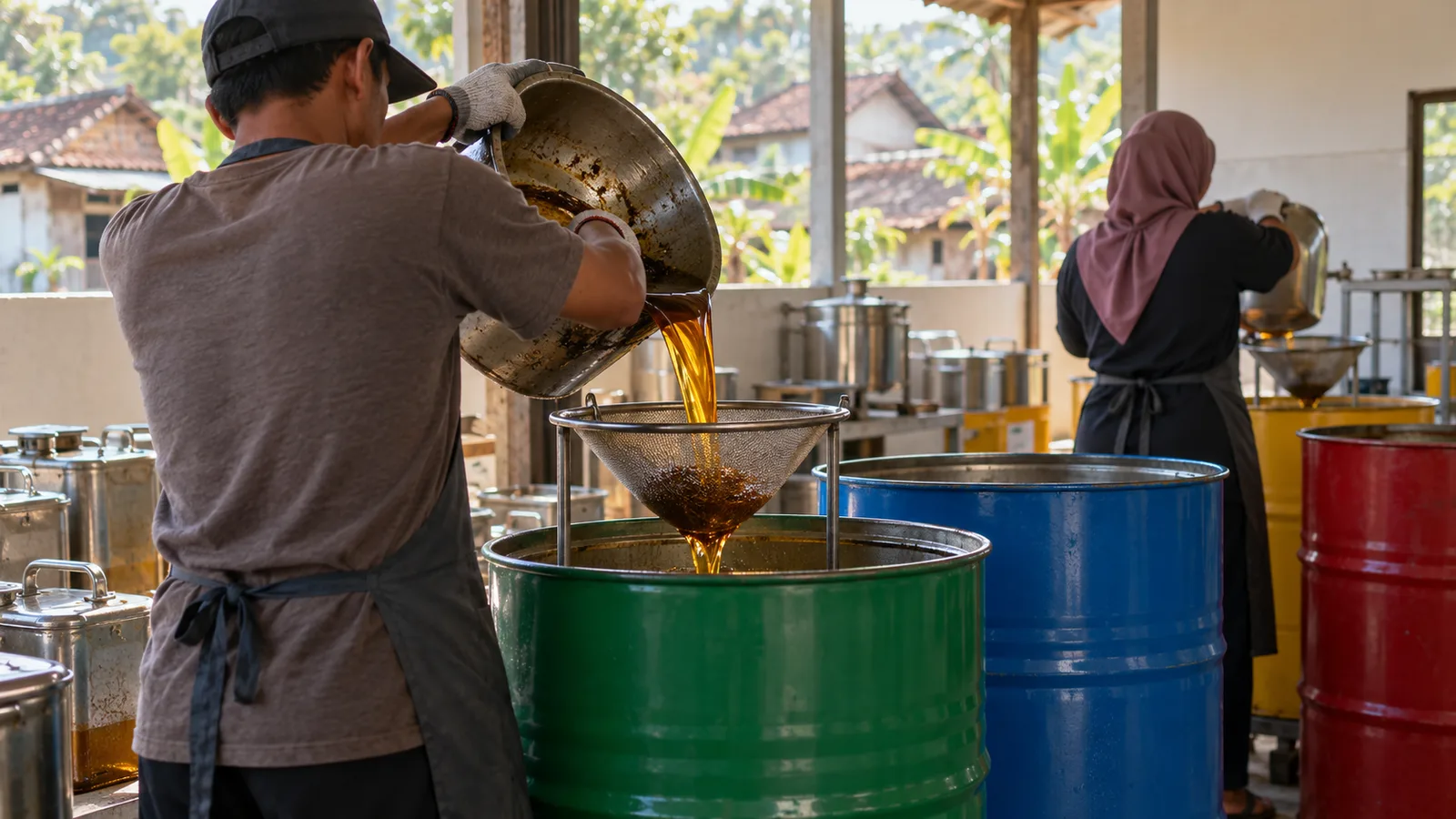
Banyumas, Central Java — Indonesia's Ministry of Cooperatives and Pertamina launched a used-cooking-oil collection pilot involving four Merah Putih village or ward cooperatives in Banyumas on 29 October 2026. Oil collected from residents is intended for Pertamina Patra Niaga and processing at the Cilacap refinery into sustainable aviation fuel (SAF). Cooperatives are expected to buy it for IDR 5,000–6,000 per litre and sell it to Pertamina Patra Niaga for IDR 6,500–7,000, Cooperatives Minister Ferry Juliantono said. These are proposed ranges, not confirmed uniform transaction prices across all collection points.
A local pilot, not a nationwide supply network
The initiative was launched in Dawuhan village and accompanied by a cooperation agreement signed by Juliantono and Pertamina chief executive Simon Aloysius Mantiri. ANTARA reported that four cooperatives are involved; Jawa Pos named Dawuhan, Kober, Karanglewas and Karangwangkal. The project establishes a collection route for feedstock intended for the refinery. It does not mean that all village cooperatives have begun supplying SAF producers.
Juliantono wants the Banyumas model to be replicated by other cooperatives that are ready to participate. He called for collection from households, small businesses and units involved in the national nutrition service. Possible support from the cooperative revolving fund agency or Pertamina's corporate social responsibility programmes remains an option he raised, not a confirmed entitlement for every participant.
Two reported price ranges, no guaranteed margin
In ANTARA's account, the minister set out planned payments to residents of IDR 5,000–6,000 per litre and sales to Pertamina Patra Niaga of IDR 6,500–7,000. Jawa Pos separately quoted deputy ministerial official Panel Barus putting the upper end of the resident exchange price at IDR 6,500. That discrepancy calls for checking actual terms at each collection point rather than treating the difference between the quoted ranges as a guaranteed cooperative profit.
Barus said cooperatives could, subject to their members' decisions, convert proceeds into members' savings. This is an option for cooperative governance, not an automatic arrangement for every household. Media Indonesia spoke to Dawuhan residents who said they were interested in keeping oil they had previously thrown away. Their accounts reflect early interest but do not establish how much feedstock the pilot will collect.
What the refinery already produces
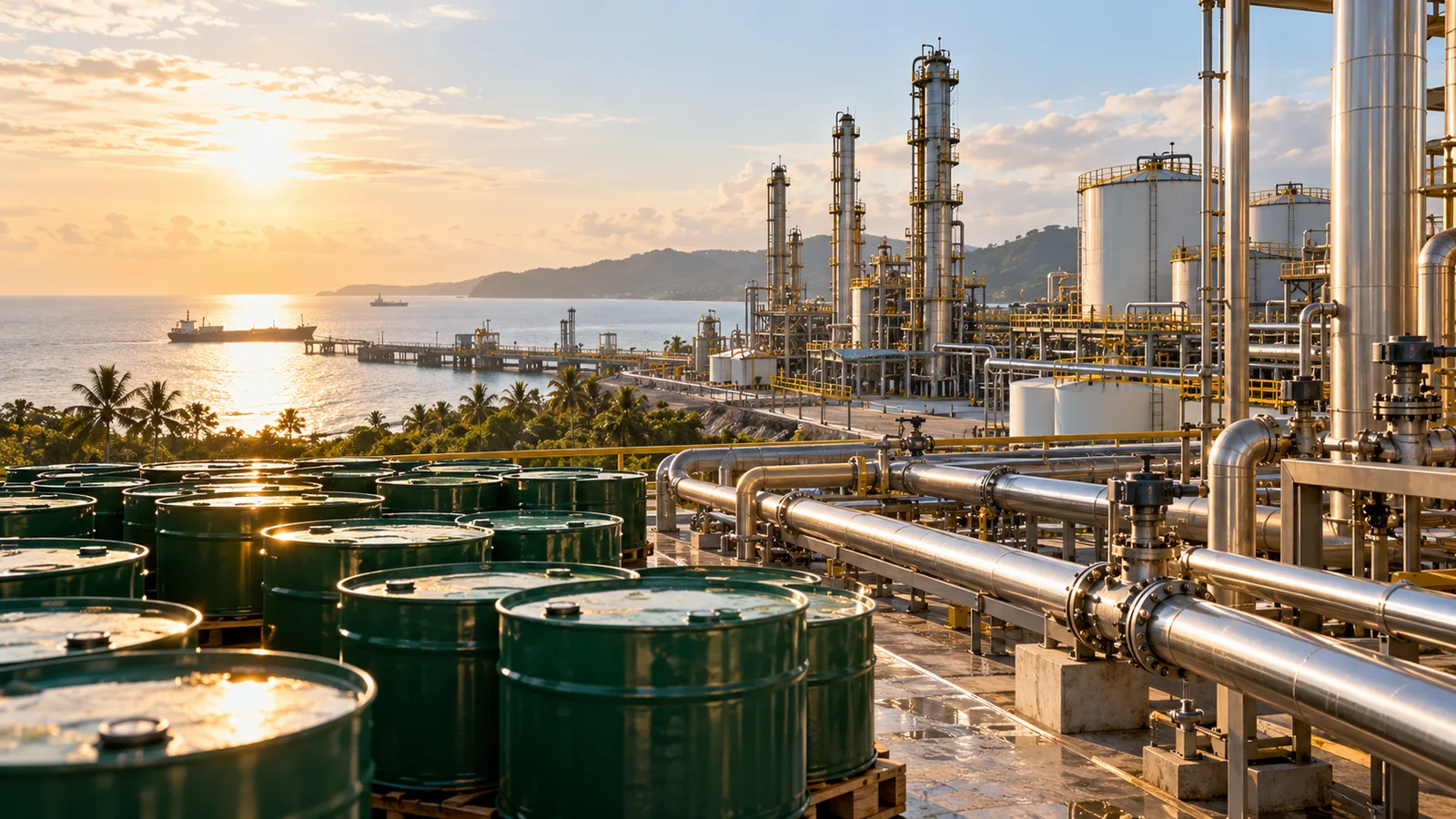
According to an earlier ANTARA report quoting Pertamina Patra Niaga, the Cilacap Green Refinery uses a thermal distillate hydro treating unit to co-process used cooking oil with other inputs. Executive Taufik Aditiyawarman said the refinery produced about 11 million litres of co-processed SAF in October, with used cooking oil accounting for at most 5% of the unit's processing capacity. This output belongs to an existing operation; it must not be presented as production attributable to the four newly launched cooperatives.
Pertamina had already developed collection through three supported waste banks near Cilacap and a box at Kutawaru's Amarta market. The Banyumas cooperatives add a route under test. Announcements so far do not quantify the new network's collected volume, quality, logistics costs or reliable supply. Juliantono's suggestion that SAF made from the oil could eventually be exported is a possibility, not an export contract tied to this pilot.
The distinction matters for assessing whether a community collection system can meaningfully support aviation fuel. The next useful measures are actual collection volumes, payments received by residents and verified refinery intake. For now, the news is a four-cooperative pilot and a collection agreement, not a demonstrated increase in SAF output from Banyumas.
Sources & references
- ANTARA, "Menkop: Koperasi Desa jadi pengumpul minyak jelantah untuk SAF" (29 October 2026) — https://www.antaranews.com/berita/5819347/menkop-koperasi-desa-jadi-pengumpul-minyak-jelantah-untuk-saf
- Jawa Pos, "Tukar Minyak Jelantah di Kopdes Merah Putih, Bisa Dapat Bayaran Sampai Rp 6.500 per Liter" (30 October 2026) — https://www.jawapos.com/ekonomi/2610290470/tukar-minyak-jelantah-di-kopdes-merah-putih-bisa-dapat-bayaran-sampai-rp-6500-per-liter
- ANTARA, "Pertamina Patra Niaga perkuat ekosistem minyak jelantah jadi Bioavtur" (27 October 2026) — https://www.antaranews.com/berita/5813755/pertamina-patra-niaga-perkuat-ekosistem-minyak-jelantah-jadi-bioavtur
- Media Indonesia, "Koperasi Desa Merah Putih Beli Jelantah Warga, Limbah Rumah Tangga Jadi Bernilai" (29 October 2026) — https://mediaindonesia.com/nusantara/950277/koperasi-desa-merah-putih-beli-jelantah-warga-limbah-rumah-tangga-jadi-bernilai
Stay on top of Indonesian biodiesel
The weekly newsletter: the week’s key news, prices and data in one email every Friday. Or follow our channels for daily prices.