Thailand Claims B20 Use Rose to 9 Million Litres a Day After Excise Cut
Thailand says B20 blended diesel use increased after an excise cut. The 9-million-litre figure is blended fuel, not pure biodiesel.
Contents (3 sections)
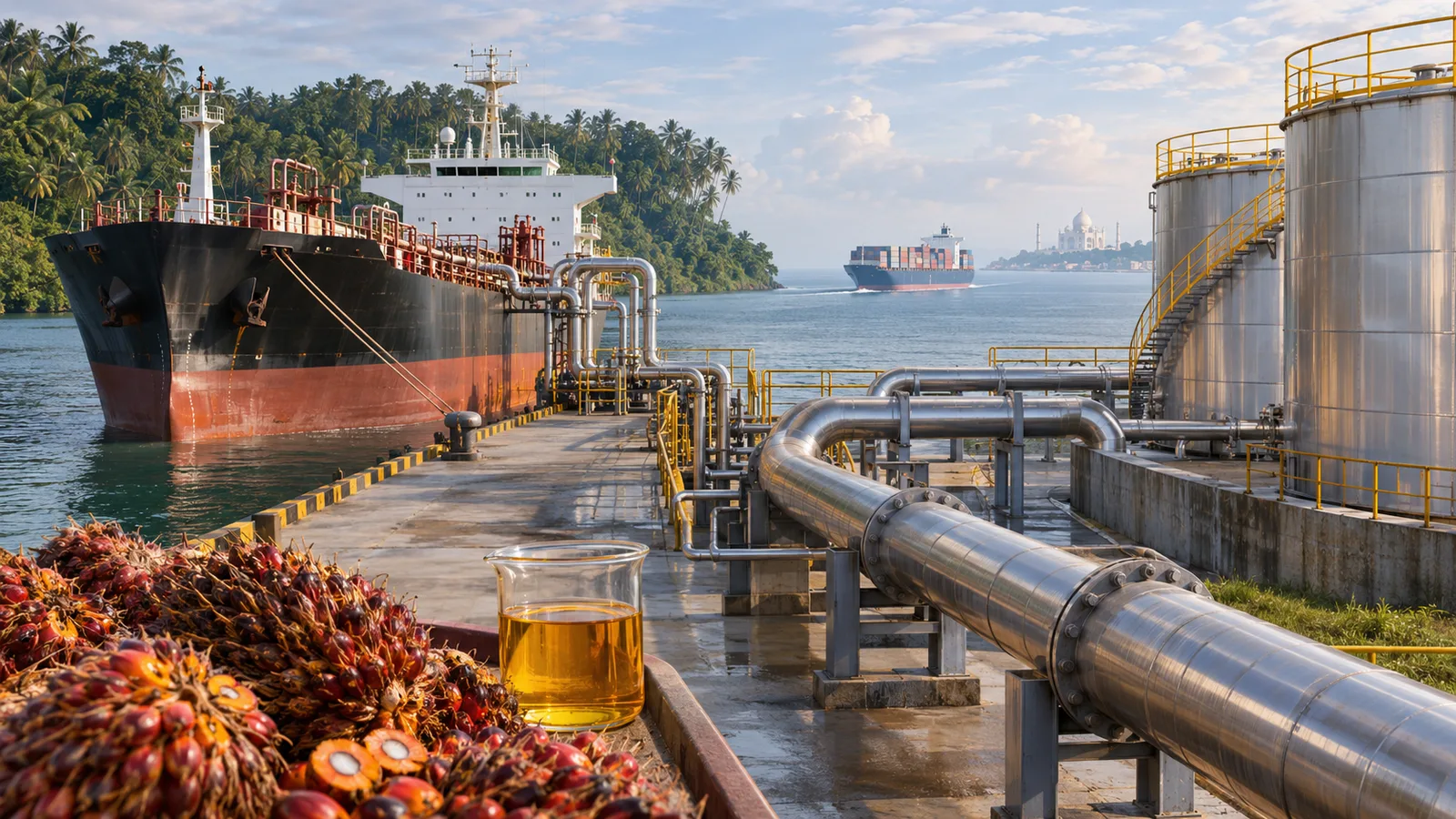
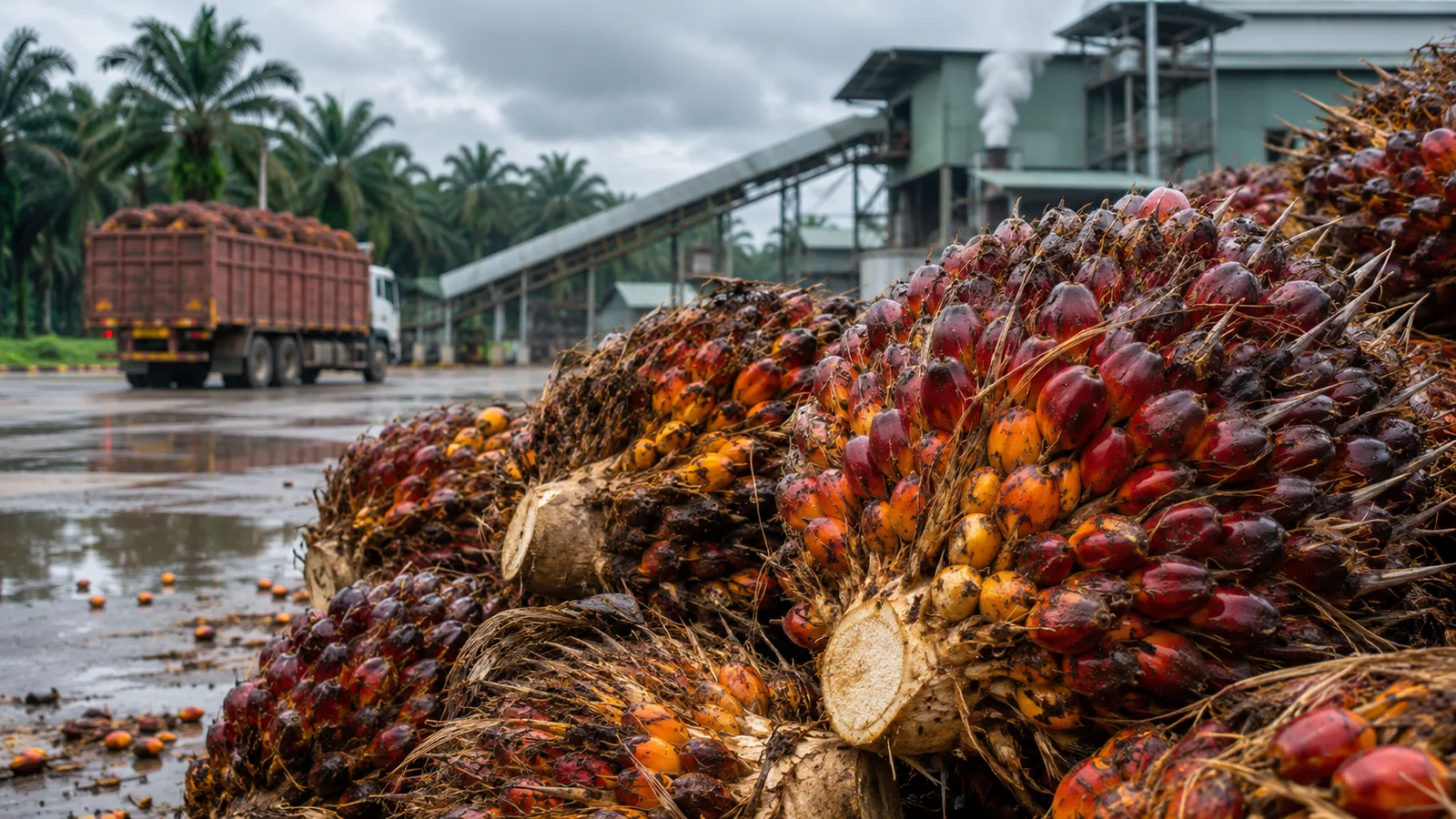
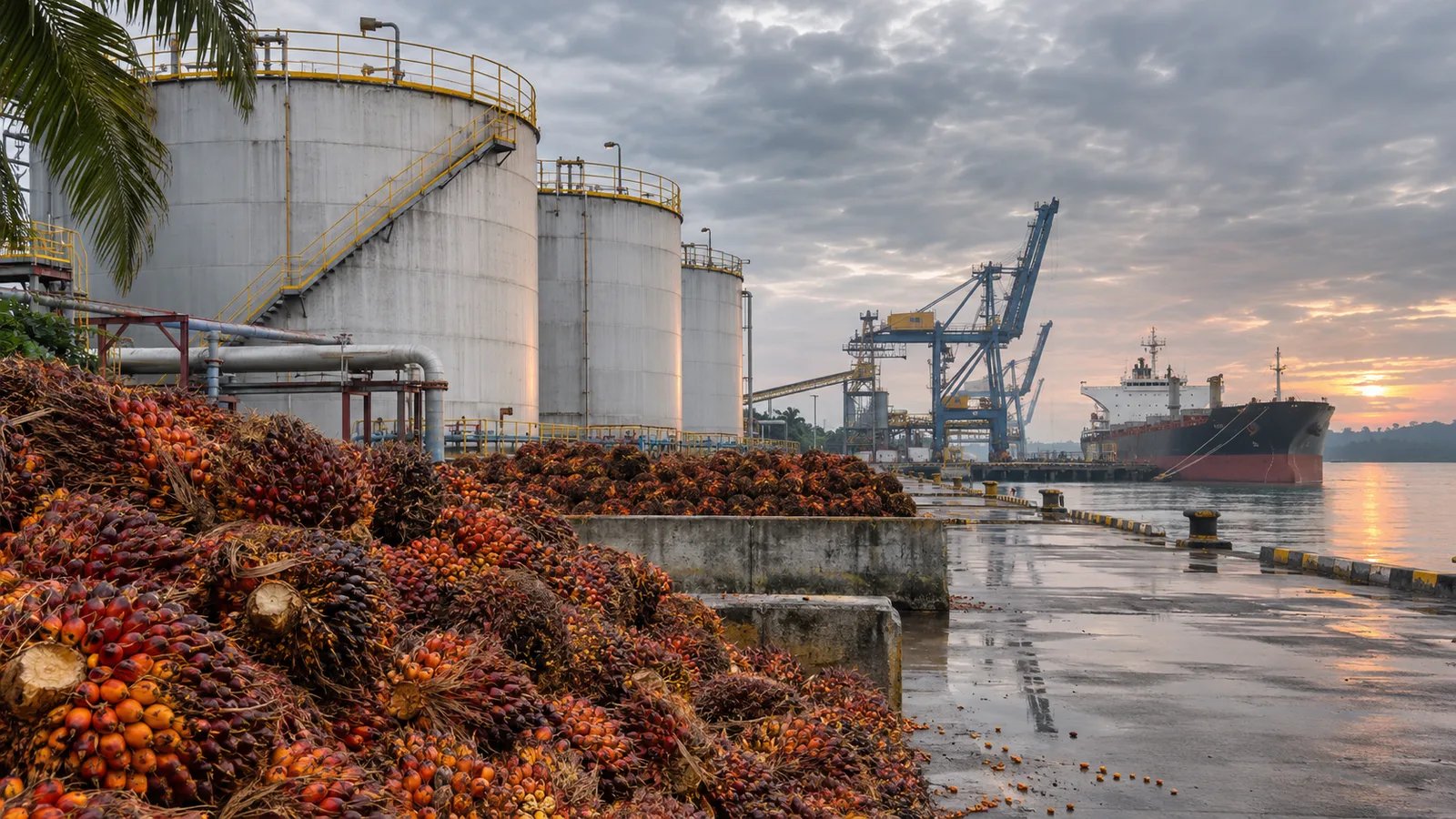
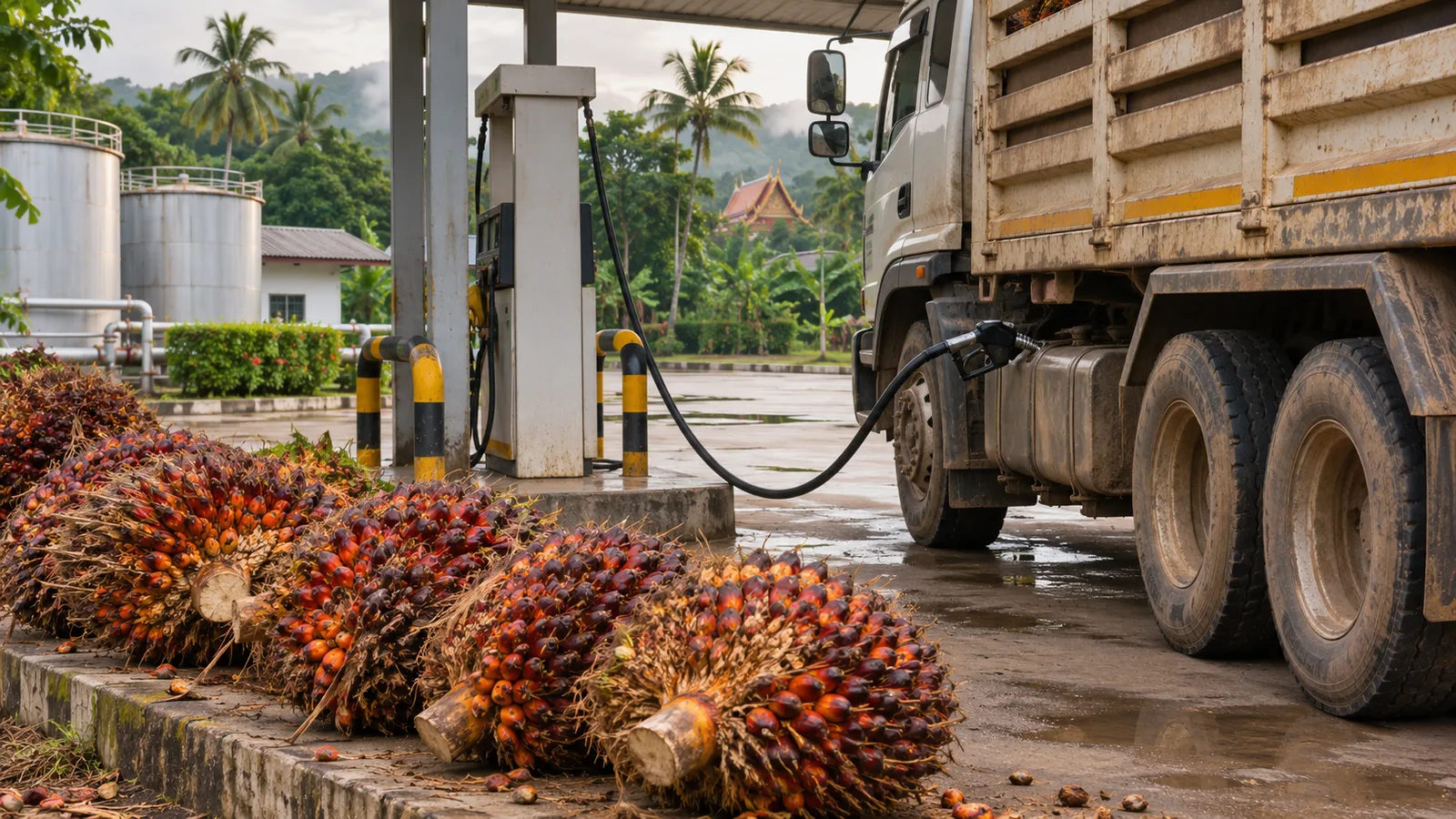
Jakarta — Thailand's government said on Saturday, 7 November 2026, that daily consumption of B20 blended diesel had increased from about 5–6 million litres to roughly 9 million litres following an excise-tax cut. The figures came from Prime Minister Anutin Charnvirakul, rather than independently audited sales data in the announcement. B20 is a fuel blend containing 20% biodiesel: the 9-million-litre figure describes the whole blended fuel, not pure biodiesel.
A spokesperson for the prime minister's office relayed Anutin's comments during a programme on Thailand's response to volatile global energy prices. The Nation reported the same assertion on 7 November. Both accounts ultimately trace the consumption claim to the government; they do not represent two independent measurements of fuel sales.
Excise cut and the government's B20 figures
According to Thailand's official release, B20 contains a 20% palm-derived component. Anutin said the excise adjustment left the blend almost 10 baht per litre cheaper than conventional diesel and encouraged consumption to reach around 9 million litres a day. The price gap, the before-and-after consumption figures, and the explanation of what caused the increase are government claims. The release did not provide a daily sales series for independent examination.
The prime minister presented the measure as a way to reduce exposure to swings in imported oil prices while supporting demand for farmers' oil-palm output. He said Thailand's immediate difficulty was price volatility, not a shortage of imported energy supplies. Tax measures were described alongside an effort to seek cooperation from refineries to ease costs.
Anutin also offered a scenario in which use of biodiesel-blended fuel could reach 20 million litres per day and reduce crude-oil imports, in his estimate. That is a proposed scenario, not consumption already achieved or independently measured savings. The actual level claimed in this announcement remains about 9 million litres of B20 fuel daily.
What it means for Indonesia
Thailand's policy is worth monitoring in Indonesia because both countries use palm-based feedstock in biodiesel programmes. The US Department of Agriculture Foreign Agricultural Service's August 2026 Biofuels Annual says Indonesia relies almost exclusively on palm oil as biodiesel feedstock. It also records Indonesia's increase in its blending mandate from B40 to B50 in July 2026, with a transition period. That is background on Indonesia's programme, not a consequence of Thailand's decision.
As an editorial analysis, a claim of stronger demand for palm-derived fuel in a neighbouring country is one regional signal for market observers. But the sources examined do not establish that Thailand's reported B20 increase has changed Indonesian crude palm oil exports, fresh fruit bunch (FFB) prices, or feedstock requirements for B50. Inferring any specific price effect from this one consumption statement would go beyond the available evidence.
Readers should also keep volumes of blended diesel separate from volumes of biodiesel. The Thai government's number refers to B20 sales, of which biodiesel is only one component. Comparing it directly with Indonesia's pure-biodiesel volumes without adjusting the units would be misleading. Verified sales records and subsequent palm-market data would be needed to assess any cross-border effects.
Confirmed statements, unanswered questions
What the sources establish is that Thailand announced the B20 excise measure and its prime minister claimed an increase in daily consumption; a Thai news outlet covered those remarks. They do not independently verify the size or persistence of the increase through transaction data, nor its effect on Indonesian trade and palm prices. The consumption figure is therefore attributed to Anutin throughout this report, rather than presented as a finding independently established by this publication.
Sources & references
- Government of Thailand, "นายกฯ ชู B20 ลดพึ่งพาน้ำมันนำเข้า" (7 November 2026) — https://www.thaigov.go.th/th/news/170992
- The Nation Thailand, "Anutin links food security and biofuels to Thailand’s resilience" (7 November 2026) — https://www.nationthailand.com/business/economy/40073219
- USDA FAS, "Biofuels Annual: Indonesia" (14 August 2026) — https://apps.fas.usda.gov/newgainapi/api/Report/DownloadReportByFileName?fileName=Biofuels+Annual_Jakarta_Indonesia_ID2026-0033.pdf
Stay on top of Indonesian biodiesel
The weekly newsletter: the week’s key news, prices and data in one email every Friday. Or follow our channels for daily prices.