EU Publishes RED III in Official Journal, Palm Biodiesel Faces ILUC Limits
RED III appeared in the EU Official Journal on 31 October 2023, raising the 2030 renewable-energy target while retaining limits on counting high-ILUC-risk biofuels.

Contents (3 sections)
Brussels, 31 October 2023 — Directive (EU) 2023/2413, the EU's revised Renewable Energy Directive known as RED III, was published in the Official Journal today. It raises the binding EU renewable-energy target to 42.5% by 2030, with an additional indicative 2.5% intended to reach 45%. For Indonesia's palm-based biodiesel industry, the crucial issue is the treatment of feedstocks at high risk of indirect land-use change (ILUC), not a blanket ban on palm-oil imports.
Higher renewable and transport targets
The Council formally adopted the revision on 9 October. Publication on 31 October is a separate legal milestone: the directive itself says it enters into force on the twentieth day following publication. Member states must subsequently transpose its provisions into national law. Publication, entry into force and national implementation should not be conflated.
By 2030, member states may choose between requiring renewables to supply at least 29% of final energy consumption in transport or cutting transport greenhouse-gas intensity by at least 14.5%. RED III also sets a combined 5.5% target for advanced biofuels and biogas from specified feedstocks and renewable fuels of non-biological origin (RFNBOs). At least one percentage point of that combined target must come from RFNBOs. These are EU transport-policy obligations, not a mandatory blend rate for Indonesian biodiesel.
What the ILUC provisions mean for palm oil
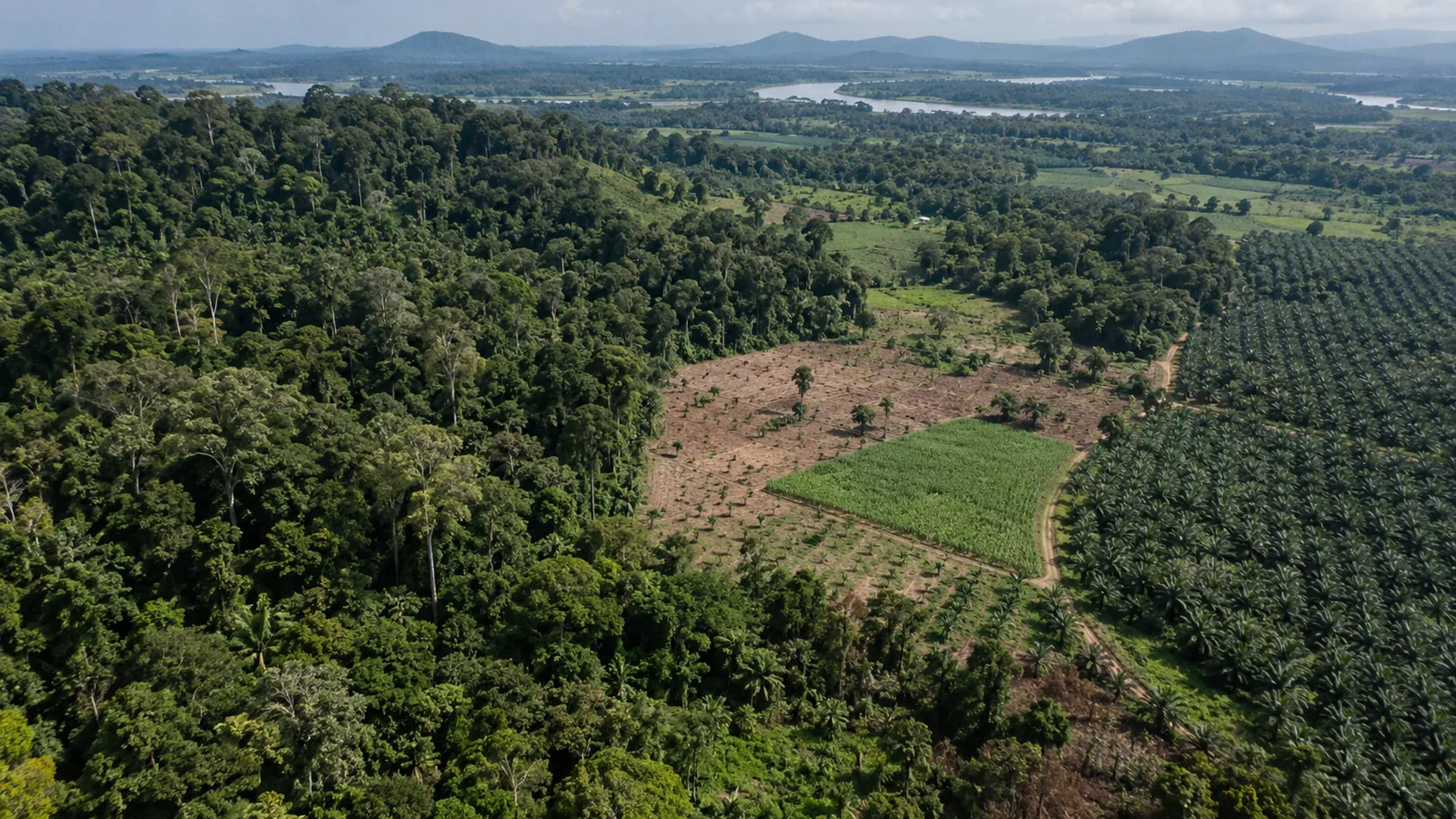
Amended Article 26 limits the extent to which fuels made from food and feed crops count towards renewable-energy goals. For feedstocks classified as having high ILUC risk because of expansion into high-carbon-stock land, the amount that can be counted is capped at 2019 consumption levels and is to decline progressively to zero no later than 2030. Fuels certified as low ILUC-risk can qualify for an exception under the relevant criteria.
Commission Delegated Regulation (EU) 2019/807 predates RED III and provides criteria for identifying high-risk feedstocks and certifying low-risk production. Its annex records expansion of oil-palm cultivation into high-carbon-stock land, making palm oil central to the debate over EU bioenergy rules. A limit on counting a fuel towards renewable targets, however, is not the same thing as a general prohibition on importing crude palm oil, biodiesel or all palm-derived products. The distinction matters when assessing the regulation's commercial reach.
What it means for Indonesia
For Indonesian palm-biodiesel exporters, a practical question is whether EU buyers and member states can count their fuel towards renewable targets, and whether its feedstock can meet low-ILUC-risk certification requirements. Limiting the credit given to high-risk feedstocks may affect demand in a market shaped by those targets. That is a potential policy effect, not evidence that Indonesian exports had already fallen on publication day.
Buyers of crude palm oil for other uses are not automatically covered by these biofuel accounting limits. Nor can the effect on Indonesian palm-oil demand or fresh fruit bunch prices be calculated from publication alone; national implementation, feedstock origins and certification will matter. Exporters therefore need to distinguish the sustainability and target-accounting rules from general trade rules. As of 31 October 2023, the established facts are that the final RED III text is in the EU's official journal and its entry-into-force period has begun.
Sources & references
- Official Journal of the European Union, “Directive (EU) 2023/2413” (31 October 2023) — https://eur-lex.europa.eu/eli/dir/2023/2413/oj/eng
- Council of the European Union, “Renewable energy: Council adopts new rules” (9 October 2023) — https://www.consilium.europa.eu/en/press/press-releases/2023/10/09/renewable-energy-council-adopts-new-rules/
- Official Journal of the European Union, “Commission Delegated Regulation (EU) 2019/807” (21 May 2019) — https://eur-lex.europa.eu/eli/reg_del/2019/807/oj/eng
Stay on top of Indonesian biodiesel
The weekly newsletter: the week’s key news, prices and data in one email every Friday. Or follow our channels for daily prices.