Is B50 Safe for Diesel Engines? What the 40,000–50,000 km Road Tests and Filter Claims Show
ESDM road tests concluded B50 is safe for diesel engines, but some results are provisional and filter-life claims vary. Here is what owners should know.
Contents (5 sections)
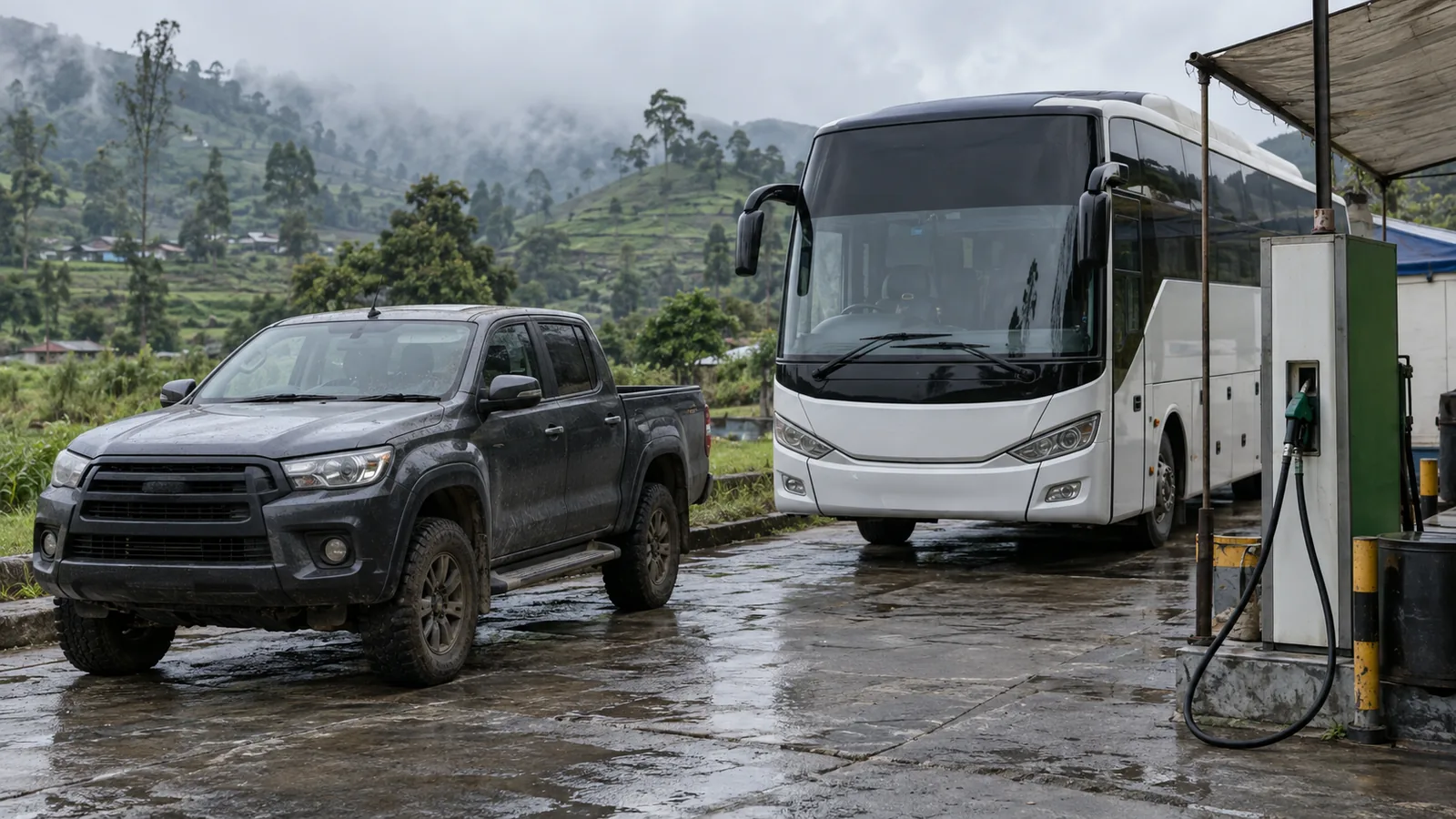
According to road tests by the Ministry of Energy and Mineral Resources (ESDM) with vehicle manufacturers, B50 — diesel blended with 50% palm-based biodiesel (FAME) — is safe for diesel engines: performance and fuel consumption stayed within manufacturers' standard ranges, emissions were below limits and engine components remained in good condition. However, most of those results are still provisional, come from the government, and further testing to 100,000 km requested by automotive associations is still under way. Here is what vehicle owners need to know.
What has been tested?
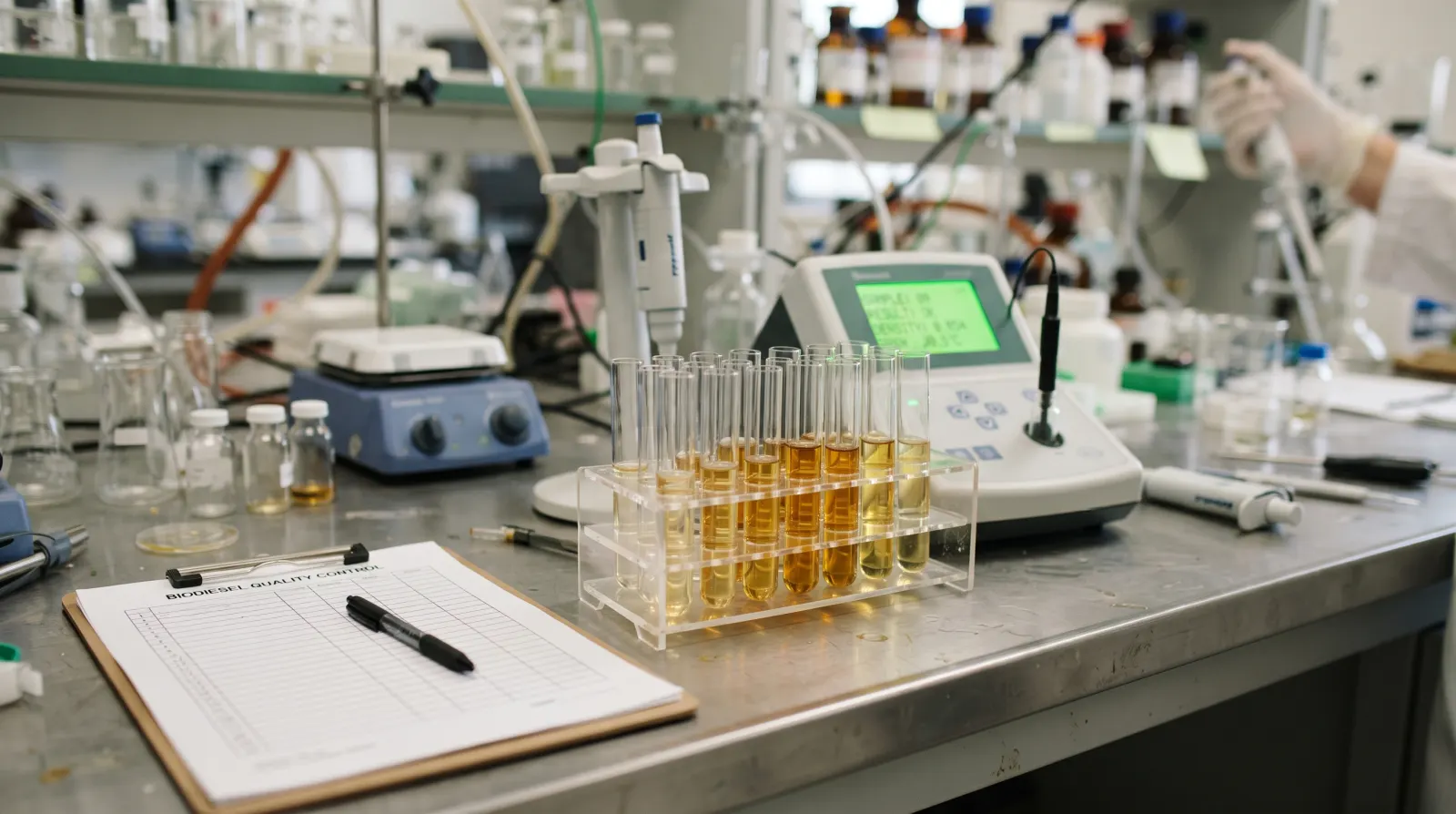
ESDM began laboratory testing in early 2025 and completed it in mid-2025. Engine tests in six sectors — automotive, mining, agricultural machinery, sea transport, power generation and railways — started simultaneously on 9 December 2025.
For the automotive sector, Katadata reported that the road tests involved nine vehicles from four Japanese and European brand holders: four units under 3.5 tonnes tested to 50,000 km, and five large trucks and buses over 3.5 tonnes tested to 40,000 km. After the road tests, the engines are dismantled for a full inspection.
What were the results?
As of April 2026, ESDM said vehicles over 3.5 tonnes had completed 40,000 km, while those under 3.5 tonnes had reached 40,000 km of their 50,000 km target. Provisional results showed:
- Stable vehicle performance with no significant decline.
- Fuel consumption within manufacturers' standard ranges.
- Carbon monoxide (CO) emissions and opacity below threshold limits.
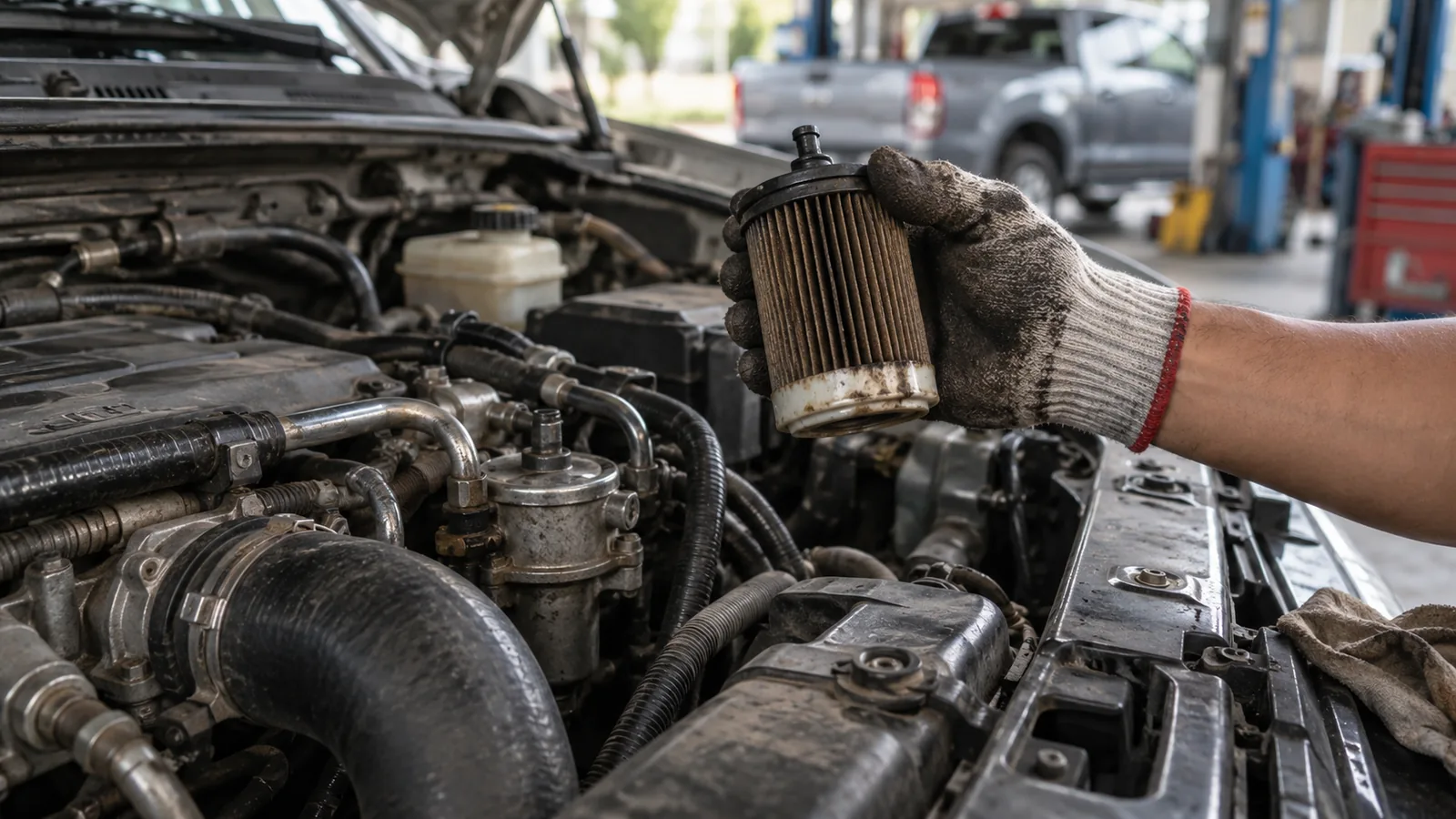
- Engines, lubricants and fuel systems, including fuel filters, in good condition in line with manufacturer recommendations.
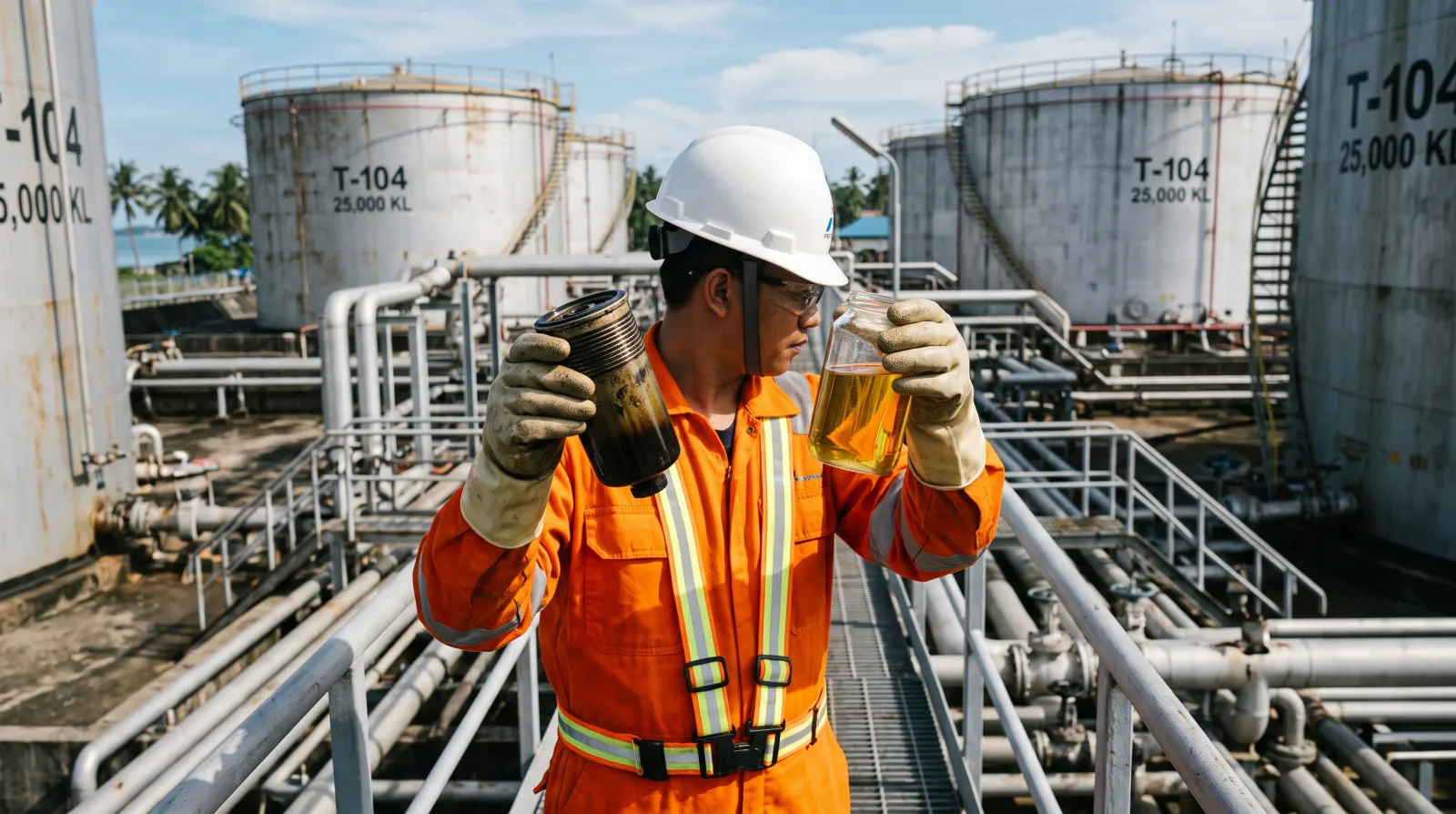
Fuel quality was also tightened compared with B40. According to ESDM, the maximum water content fell from 320 ppm to 300 ppm, monoglyceride content from 0.5% to 0.47% by mass, and oxidation stability rose from 720 to 900 minutes. At a hearing with House Commission XII on 9 September 2026, Eniya Listiani Dewi, Director General of New, Renewable Energy and Energy Conservation (EBTKE), added two new parameters — distillation temperature and cleanliness — as reported by detikOto. Lower monoglyceride levels reduce the risk of deposits in filters.
Do filters really last longer?
The government says so, but the figures vary between statements. In an ESDM podcast quoted by KabarBursa in July 2026, Eniya said filters normally replaced every 10,000 km only needed replacing after 27,000 km. Gebrak quoted ESDM Minister Bahlil Lahadalia as saying some test vehicles reached 40,000 km without a filter change. At the House in September 2026, Eniya said filters were not replaced for up to 37,000 km.
Manufacturers still issue their own recommendations. Mitsubishi Fuso distributor PT Krama Yudha Tiga Berlian Motors, for example, advises replacing the fuel filter and water separator every 10,000 km, according to Warta Ekonomi. The schedule in the owner's manual and the authorised workshop therefore remains the main reference for owners.
What do vehicle makers say?
Jongkie Sugiarto, head of market development at the Indonesian Automotive Industry Association (Gaikindo), summed up the test results as "so far safe", while Gaikindo member Abdul Rochim said he hoped the fuel specification used in the tests would become the national B50 standard, according to Gebrak and ESDM. Gaikindo and several associations asked for testing to continue to 100,000 km; results had not been published as of early September 2026.
Tips for vehicle owners
- Follow the filter replacement and water separator draining intervals in your owner's manual.
- For vehicles newly switched to a higher biodiesel blend, monitor filters more closely. In the B30 era, ESDM noted that new vehicles or those that had never used biodiesel tended to need earlier filter changes at first before returning to normal.
- Keep the fuel tank and filler neck clean.
Terms such as FAME, monoglycerides and oxidation stability are explained in the Media Biodiesel glossary.
Sources & references
- Ministry of Energy and Mineral Resources (ESDM), "Uji Jalan B50 Sektor Otomotif Tunjukkan Hasil Aman" (21 April 2026) — https://esdm.go.id/en/media-center/news-archives/uji-jalan-b50-sektor-otomotif-tunjukkan-hasil-aman
- Katadata, "Kementerian ESDM Uji Jalan B50 pada Sektor Otomotif hingga Kereta, Ini Hasilnya" (21 April 2026) — https://katadata.co.id/berita/energi/69e777ac70763/kementerian-esdm-uji-jalan-b50-pada-sektor-otomotif-hingga-kereta-ini-hasilnya
- KabarBursa, "ESDM Ungkap Hasil Uji B50, Biaya Perawatan Mesin Diesel Turun" (15 July 2026) — https://www.kabarbursa.com/ekonomi-hijau/esdm-ungkap-hasil-uji-b50-biaya-perawatan-mesin-diesel-turun
- Gebrak, "Hasil Uji Jalan B50 Diklaim Aman, Gaikindo: Mesin Diesel Siap Tenggak" (15 July 2026) — https://www.gebrak.id/2026/07/hasil-uji-jalan-b50-diklaim-aman.html
- Warta Ekonomi, "Biodiesel B50 Berlaku, Ini Tips Merawat Mesin Diesel dari Mitsubishi Fuso" (3 August 2026) — https://wartaekonomi.co.id/read626266/biodiesel-b50-berlaku-ini-tips-merawat-mesin-diesel-dari-mitsubishi-fuso
- detikOto, "ESDM Sebut B50 Nggak Bikin Sering Ganti Filter, Ini Alasannya" (9 September 2026) — https://oto.detik.com/berita/d-8655383/esdm-sebut-b50-nggak-bikin-sering-ganti-filter-ini-alasannya
- Ministry of Energy and Mineral Resources (ESDM), "Uji Jalan Selesai, Kementerian ESDM Umumkan Rekomendasi Teknis Mandatori B30 di 2020" (28 November 2019) — https://esdm.go.id/id/media-center/arsip-berita/uji-jalan-selesai-kementerian-esdm-umumkan-rekomendasi-teknis-mandatori-b30-di-2020