HVO Catalysts: Hydrotreated Vegetable Oil Catalysts Explained
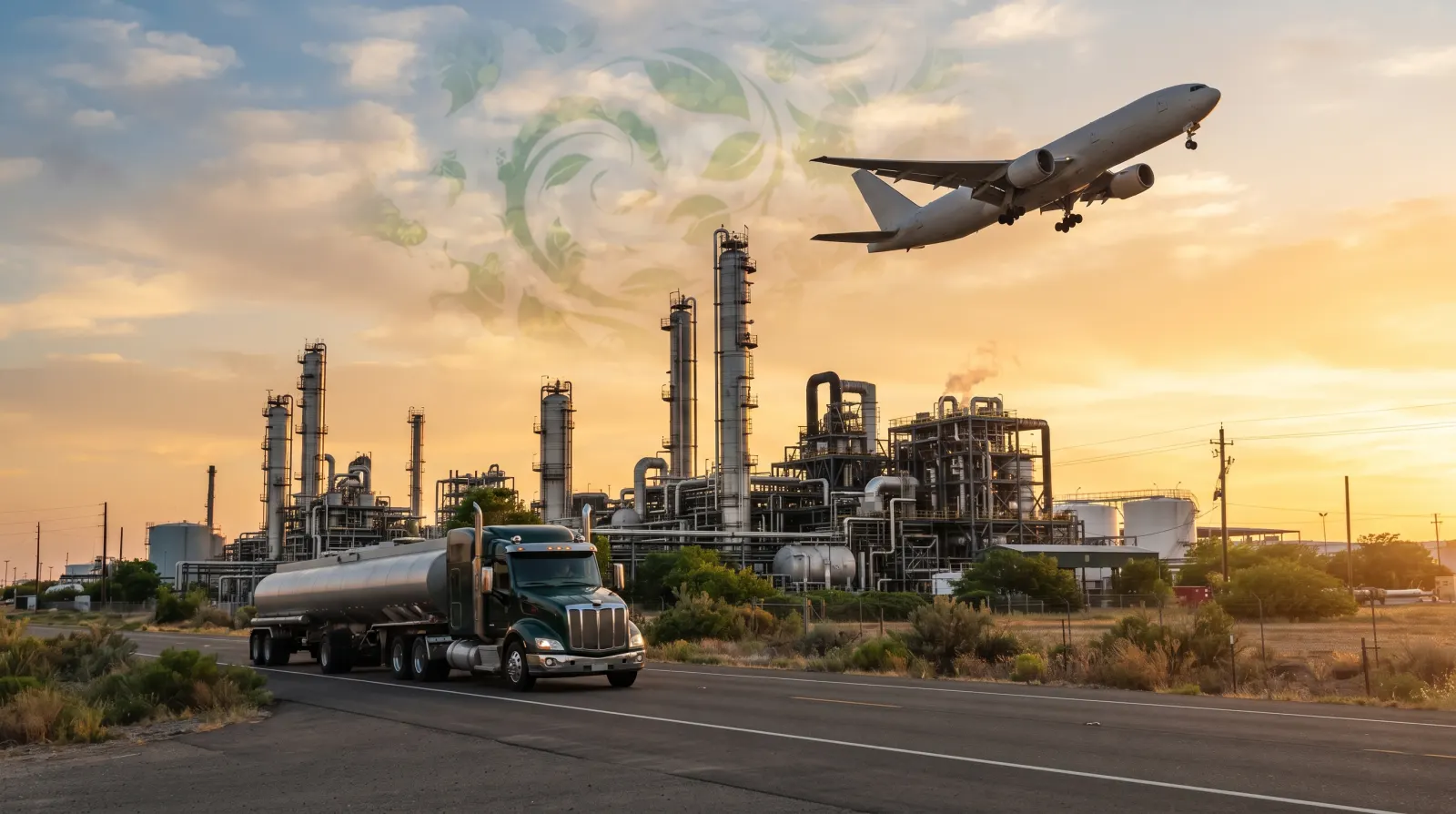
How hydrotreated vegetable oil catalysts work: reaction pathways, sulfided NiMo/CoMo and Pt-zeolite catalysts, what deactivates them, the main licensors and Indonesia's…
Explainers — news and analysis from Media Biodiesel, covering Indonesian biodiesel and renewable energy. Updated as new articles are published.
How hydrotreated vegetable oil catalysts work: reaction pathways, sulfided NiMo/CoMo and Pt-zeolite catalysts, what deactivates them, the main licensors and Indonesia's…
B60 is a blend of 60% biofuel and 40% fossil diesel. As of October 2026 Indonesia is still studying it: 2027 is the stated target, the Energy Minister has said 2028,…
RED III (Directive (EU) 2023/2413) lifts the EU renewables target to 42.5% and the transport target to 29%, while high ILUC-risk palm biofuels must still fall to 0% by…
The EUDR (Regulation (EU) 2023/1115) requires palm oil and derivatives to be deforestation-free after 31 December 2020, legal and covered by due diligence, applying…
HVO, or renewable diesel, is a drop-in diesel made by treating vegetable oils, used cooking oil or animal fats with hydrogen. Its meaning, production, feedstocks,…
The Youth Pledge is an analogy for cooperation, not a historical biodiesel mandate. BPDP's student research call offers a chance to examine fuel, farms and impacts.
Foreign-exchange savings, lower emissions and millions of jobs, but also open questions on funding, the food-energy balance and sustainability.
HVO and FAME biodiesel both come from oils and fats, but HVO is a drop-in hydrocarbon and FAME an ester. Chemistry, standards, engine use, SAF and Indonesia compared.
At B50, half the tank is FAME. Learn about SNI 7182, key quality parameters, the tighter B50 specifications and good housekeeping practices.
A complete guide to biodiesel (FAME) production: feedstocks from palm oil to UCO, pretreatment, transesterification with methanol, purification, distillation, glycerin,…
Timeline of Indonesian biodiesel policy since 2006: key regulations, the creation of BPDPKS/BPDP funding, and the steps from B35 and B40 to B50.
The number after the letter B is the biodiesel share of diesel. See B10 to B50, now mandatory at all fuel stations, the planned B60 for 2027, and talk of B70 to B100.