From Plantation to Tank: How Biodiesel Is Produced
From fresh fruit bunches to CPO, then transesterification into FAME and blending with diesel at fuel terminals. Here are the full stages.
Contents (7 sections)
How does a bunch of palm fruit on a plantation end up as fuel for a truck on a toll road? The answer lies in a chain of steps from plantation to tank: processing the fruit into oil, refining, a chemical reaction that produces biodiesel, and blending with diesel. Indonesian biodiesel is made mainly from palm oil, and as of October 2026 it is blended at 50% (B50). Here are the stages in brief.
1. From fresh fruit bunches to CPO
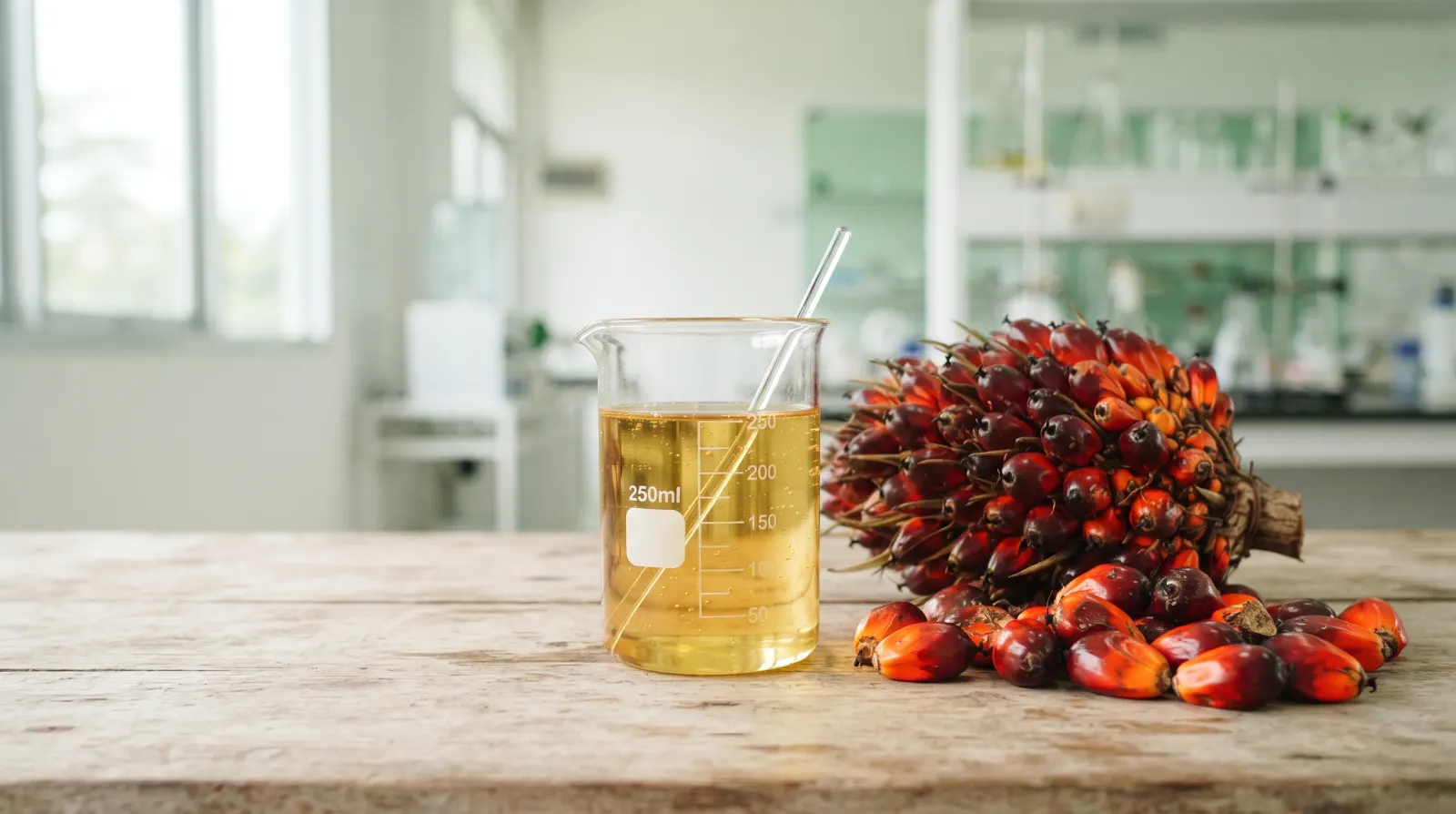
Fresh fruit bunches (FFB) are harvested from the plantation and must be processed quickly at a palm oil mill so that free fatty acid (FFA) levels do not rise. At the mill, the fruit is steamed (sterilised), separated from the bunch and pressed to produce crude palm oil (CPO). The kernels are processed separately into palm kernel oil (PKO).
2. Feedstock pre-treatment
CPO still contains gums, impurities, water and FFA. Before it is turned into biodiesel, the feedstock is purified, typically through degumming and bleaching, or refined palm oil such as RBDPO (refined, bleached, deodorised palm oil) is used. If FFA is high, esterification with an acid catalyst is carried out first, because FFA can react with a base catalyst to form soap, which lowers the yield.
3. Transesterification: the heart of the process
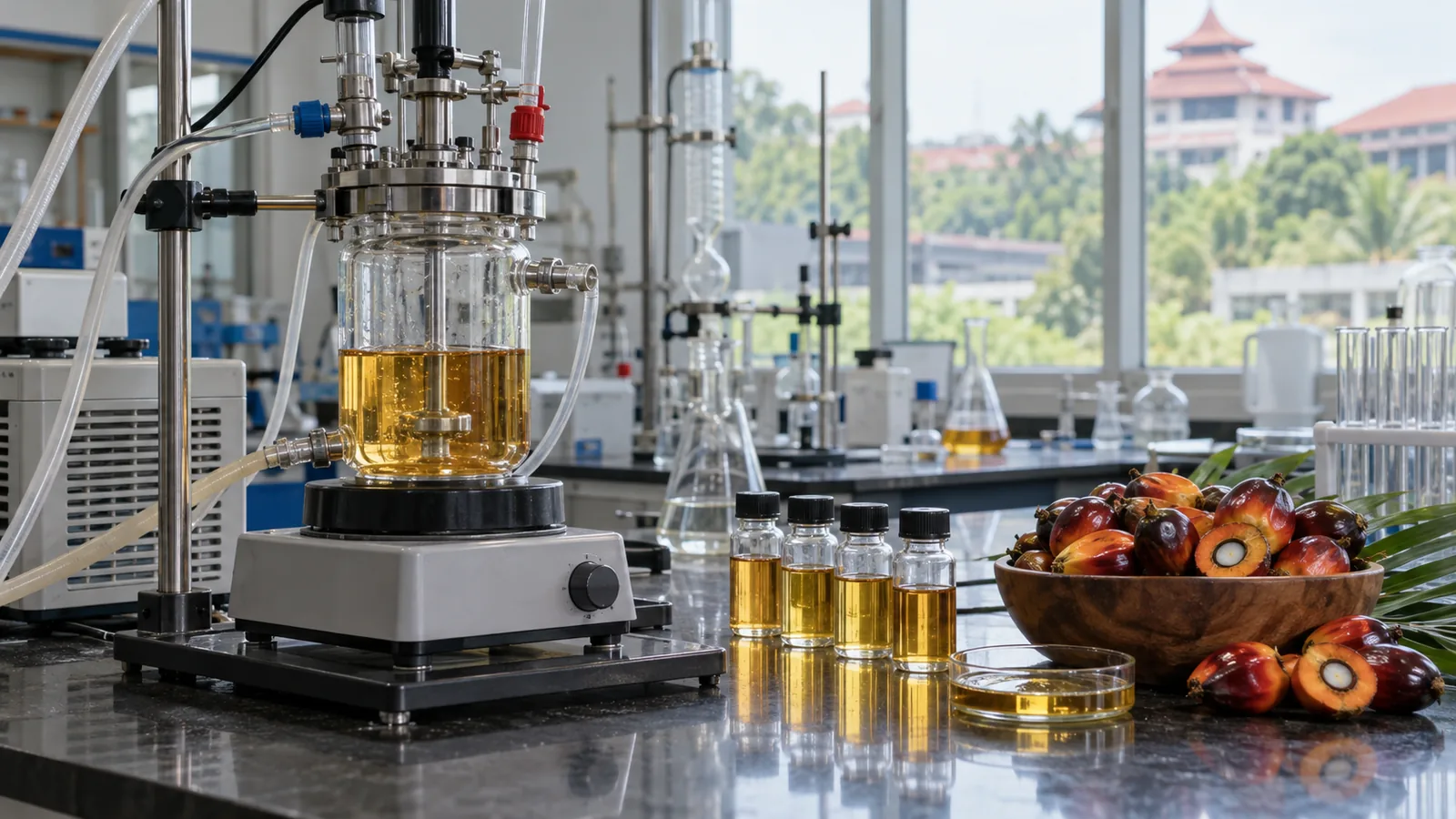
This is the key step. The oil (triglycerides) is reacted with methanol using a base catalyst, such as sodium methoxide or KOH, at a moderate temperature of around 60°C. The reaction splits one triglyceride molecule into three methyl ester (FAME) molecules and one glycerol molecule.
Roughly, one tonne of oil reacted with about 0.1 tonne of methanol yields almost one tonne of biodiesel and about 0.1 tonne of crude glycerol. Methanol is added in excess so the reaction goes to completion, and the surplus is then recovered and reused.
4. Separation and purification
- Phase separation. Glycerol is heavier, so it settles and is separated from the methyl ester layer.
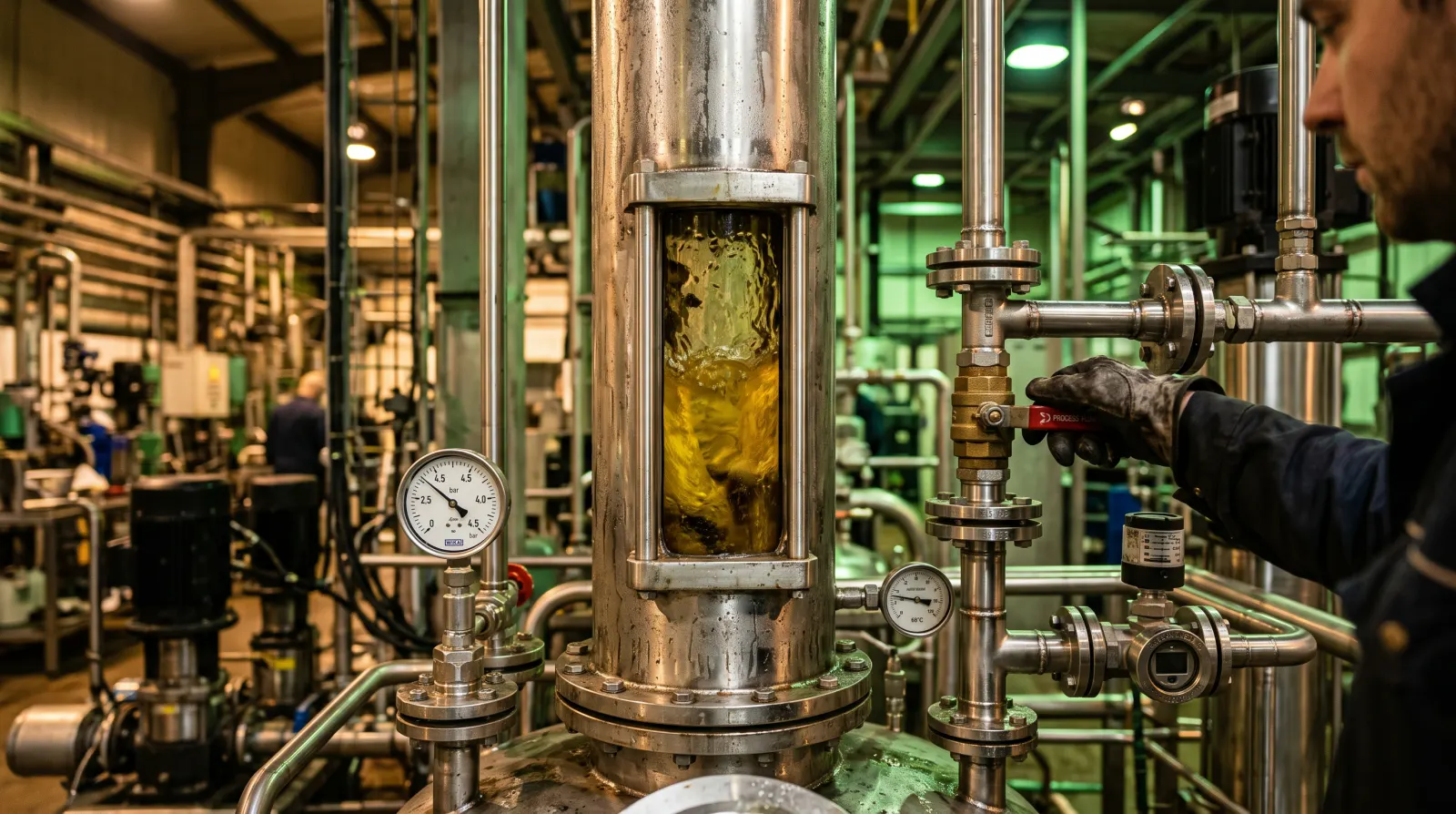
- Washing and drying. The FAME is washed or purified to remove residual catalyst, soap, methanol and glycerol, then dried to a low water content.
- Quality control. Each batch is tested against quality-standard parameters, including ester content, monoglycerides, water content and oxidation stability. See: Biodiesel quality standards.
5. A valuable by-product
Crude glycerol is not waste. Once purified, glycerol is a raw material for the pharmaceutical, cosmetics, food and oleochemical industries. This is one expression of the circular economy in the palm oil industry: almost every part of the process chain yields a product of value.
6. Distribution and blending
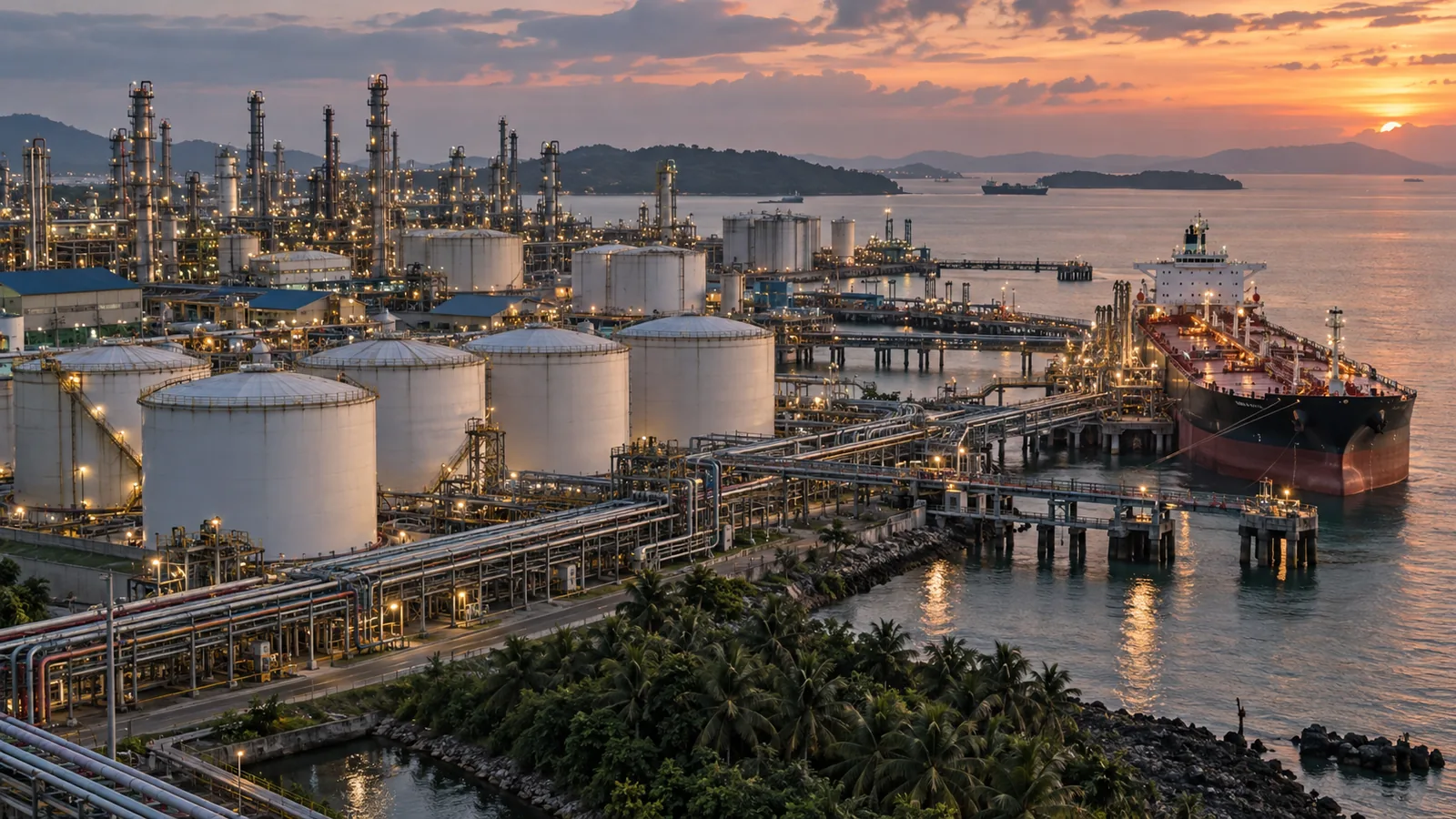
FAME from the biodiesel plant is delivered to fuel terminals (TBBM). There it is blended with diesel at the mandated rate, now B50, before being sent to fuel stations and industrial customers. According to CNBC Indonesia Research, about 30 biofuel producers (BU BBN) are involved in national FAME supply, while state energy company Pertamina together with AKR is said to control around 70% of national distribution.
Why it helps to understand the process
The quality of the biodiesel in a vehicle's tank is determined at every link in the chain: the freshness of the FFB, the purity of the feedstock, the completeness of the reaction, and handling at terminals and fuel stations. When the government tightens specifications for B50, it means the whole chain is being asked to raise its game.
Sources & references
- CNBC Indonesia Research, "B50 Berlaku Besok 1 Juli 2026, Ini Jejak Panjang Biodiesel Indonesia" (30 June 2026) — cnbcindonesia.com
- Ministry of Energy and Mineral Resources (ESDM) — Pahami Istilah B20, B30, B100, BBN dalam Bioenergi
- Lemigas, Ministry of Energy and Mineral Resources — Peningkatan dan Pemanfaatan Biofuel B40–B50 (2020, PDF)