ITB and Pertamina Agree on Palm-Based Diesel and Bioavtur Research in Cilacap
ITB and Pertamina signed an agreement on palm-based biohydrocarbon diesel and bioavtur research at Cilacap's RU IV refinery on 16 August 2022.
Contents (3 sections)
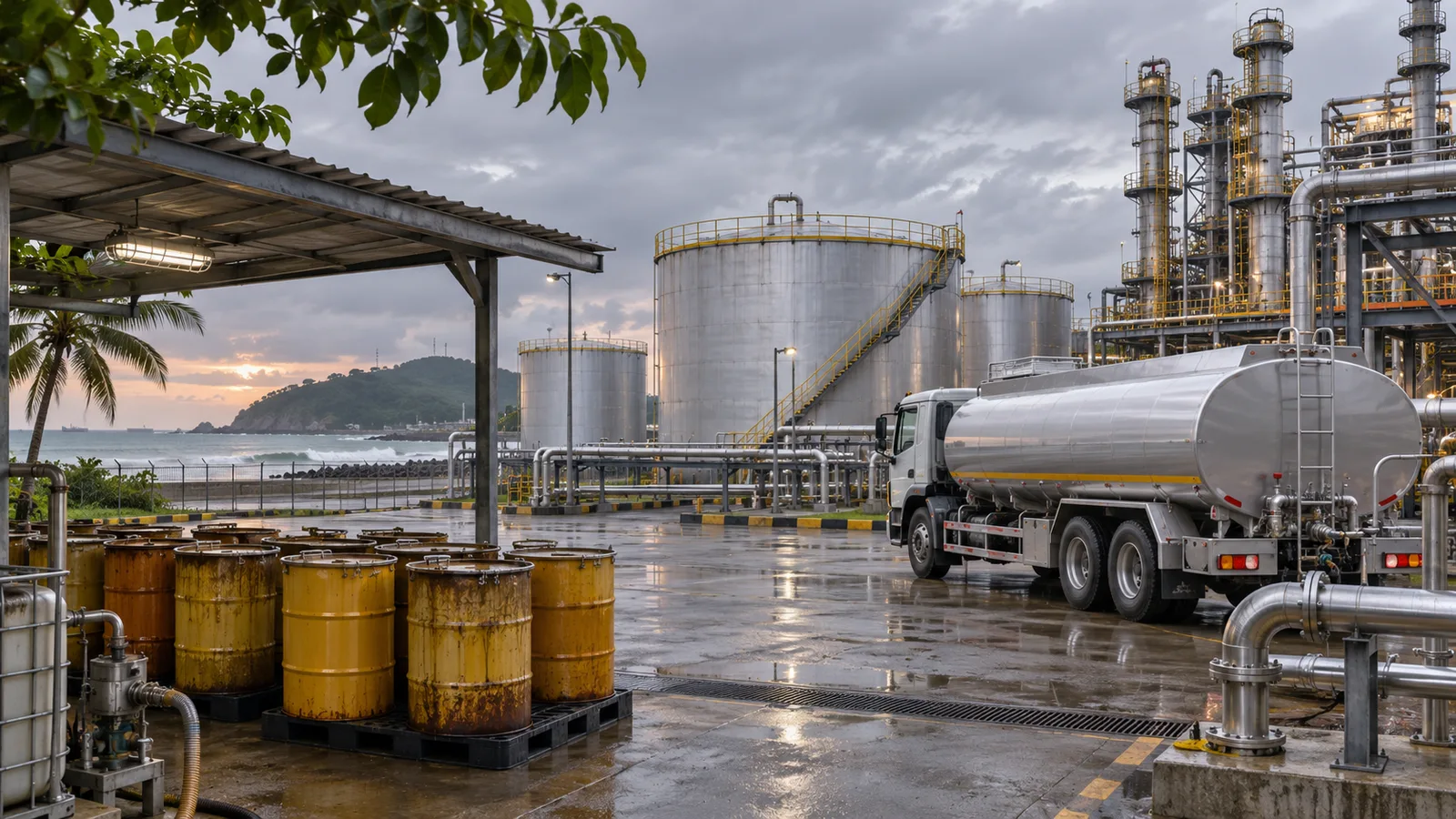
Cilacap — Bandung Institute of Technology (ITB) and Pertamina signed a research and development agreement on palm-based biohydrocarbon diesel and bioavtur in Cilacap on Tuesday, 16 August 2022. ITB said the signing took place at Pertamina International Refinery's Refinery Unit IV (RU IV) in Cilacap and was followed by a visit to the pilot plant site. The agreement brings together university research, industrial capabilities and government coordination; it does not mean the plant has begun commercial production.
The project places palm oil at the centre of work on liquid fuels: biohydrocarbon diesel for diesel applications and bioavtur, or sustainable aviation fuel (SAF), for aircraft. Its immediate purpose is to develop the process and test the technology at pilot scale. The agreement should therefore be read as a research and development milestone, not an announcement that additional fuel is already available to consumers.
From research agreement to a Cilacap pilot plant
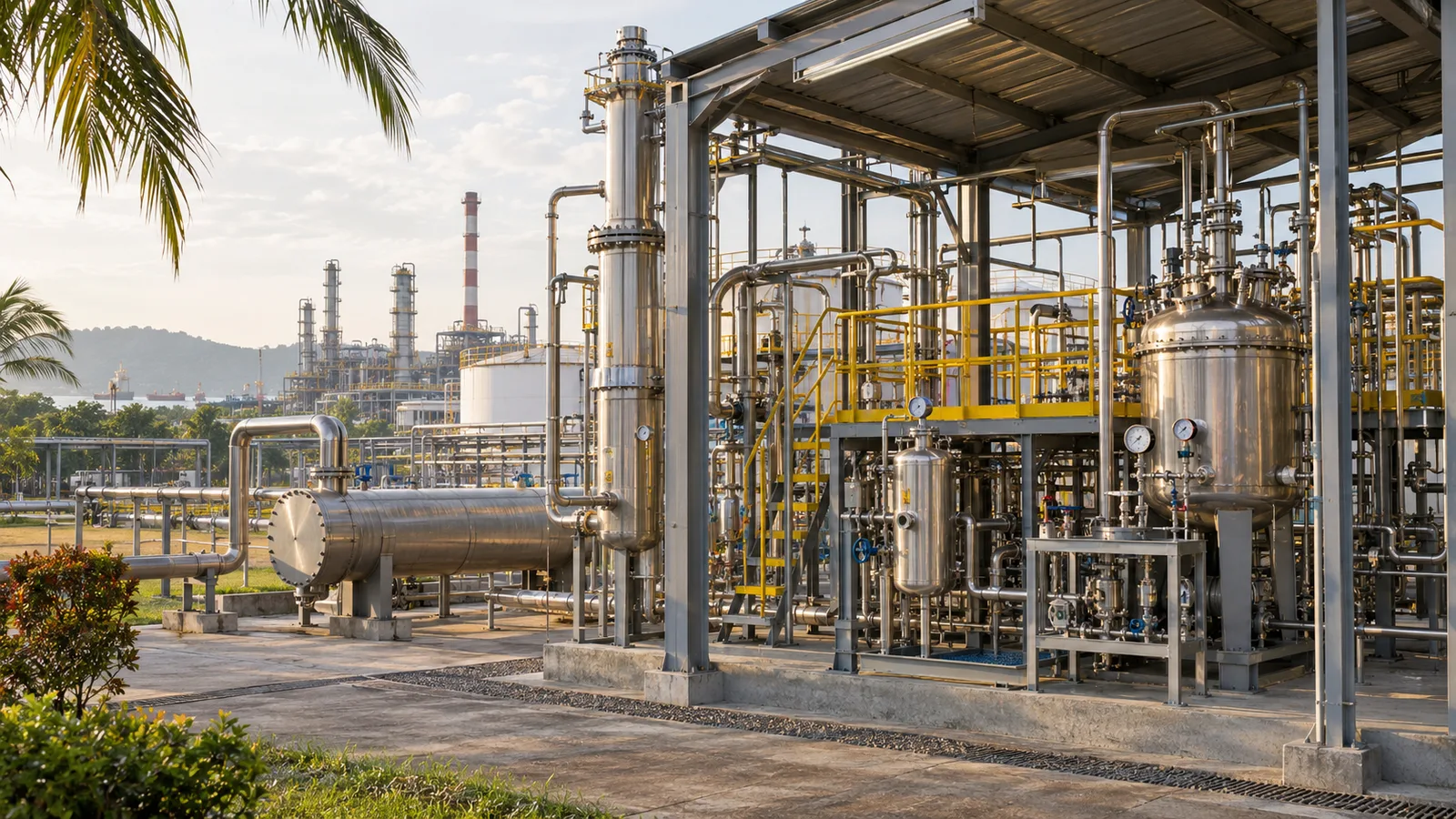
ITB identified Pertamina, the Ministry of Energy and Mineral Resources' Directorate General of New, Renewable Energy and Energy Conservation (EBTKE), PT Kaltim Parna Industri, engineering company PT Rekayasa Industri (Rekind), PT Pupuk Sriwidjaja (Pusri) and Lemigas as participants. The site visit after the signing connected the research agreement with the intended pilot unit within the refinery area. Involving several institutions also indicates that the work extends beyond formulating a fuel in a laboratory.
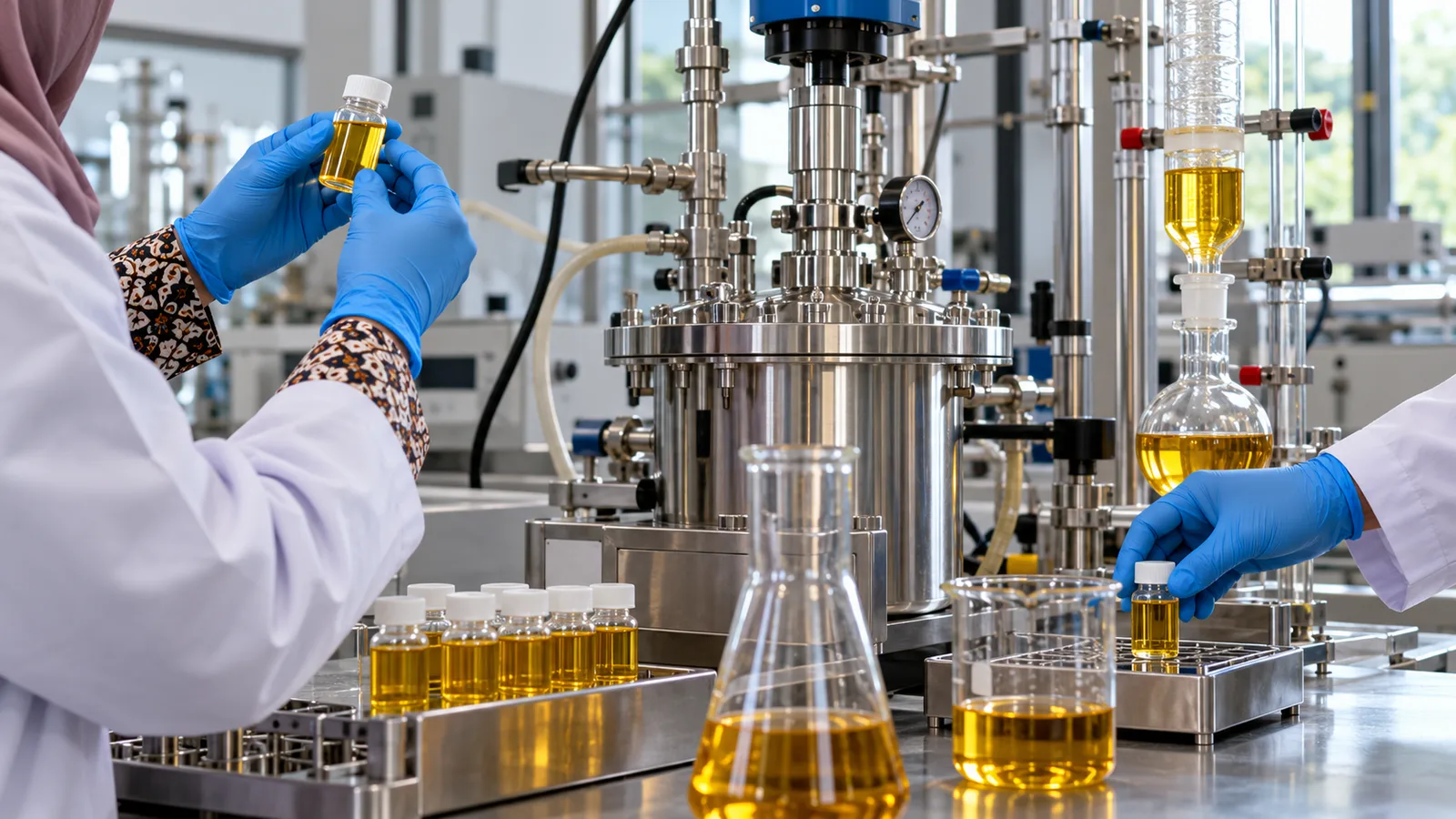
According to ITB, its Chemical Reaction Engineering and Catalysis Laboratory and Centre for Catalysis Engineering are involved. ITB, Pertamina's research unit and Rekind have roles in designing the production process. The university also described a longer history of catalyst development with Pertamina. Process design and tests at a pilot plant, however, are not the same as operating a commercial-scale production facility.
In a 17 August detikFinance report, Pertamina International Refinery president director Taufik Aditiyawarman said the company was ready to provide land, utilities and workers for the proposed pilot unit, which would be integrated with RU IV. Pertamina also named testing the reliability of a catalyst formulated with ITB as a development objective. EBTKE is coordinating the bioenergy work. These roles explain ITB's “triple helix” description: university, industry and government cooperation, not evidence that the technical stages have been completed.
Biohydrocarbon diesel is not FAME biodiesel
The project's biohydrocarbon diesel should not be treated as interchangeable with FAME biodiesel, an ester made from vegetable oils and used in diesel blends. Biohydrocarbon diesel follows a hydrocarbon fuel route from vegetable oils; hydrotreated vegetable oil (HVO) describes one approach to that processing. Bioavtur, meanwhile, is intended for aviation. A shared palm-oil feedstock does not make these products, their quality tests or their end uses identical.
This distinction matters when interpreting palm-to-energy announcements. The Cilacap pilot plant concerns the development of biohydrocarbon diesel and bioavtur processes; it does not automatically add FAME biodiesel volumes to Indonesia's diesel-blending programme. Readers can consult the site's biodiesel mandate data for that separate policy context. Neither the agreement nor the site visit establishes that fuel from the proposed pilot process is already being distributed.
Earlier context for Pertamina's palm-based aviation fuel work
Pertamina had discussed palm-derived aviation fuel before the Cilacap signing. In a 9 August 2022 detikFinance report, Pertamina president director Nicke Widyawati described plans to blend aviation fuel with a component made from processed palm oil. The report also recounted an earlier flight test using aviation fuel containing a palm-derived component. That background helps explain Pertamina's interest in bioavtur, but the earlier flight test must not be presented as a result from the pilot plant covered by the new agreement.
A subsequent measure of progress will be whether process design and testing can demonstrate technology reliability and produce fuels fit for their intended uses. At the time of the announcement, the sources used here did not establish commercial operation of the Cilacap pilot unit. The development reported on 17 August is thus the start of a collaborative effort on two palm-based fuel pathways, while technical results and production remain to be demonstrated.
Sources & references
- Institut Teknologi Bandung, “Kerja Sama Penelitian dan Pengembangan Teknologi Diesel dan Bioavtur, Bukti Triple Helix dalam Kemandirian Energi untuk Bangsa” (17 August 2022) — https://itb.ac.id/berita/kerja-sama-penelitian-dan-pengembangan-teknologi-diesel-dan-bioavtur-bukti-triple-helix-dalam-kemandirian-energi-untuk-bangsa/58849
- detikFinance, “Pertamina Kembangkan Teknologi Diesel Biohidrokarbon dan Bioavtur” (17 August 2022) — https://finance.detik.com/energi/d-6239369/pertamina-kembangkan-teknologi-diesel-biohidrokarbon-dan-bioavtur
- detikFinance, “Pertamina Siap Produksi BBM Pesawat Avtur Campur Minyak Sawit” (9 August 2022) — https://finance.detik.com/energi/d-6224575/pertamina-siap-produksi-bbm-pesawat-avtur-campur-minyak-sawit
Stay on top of Indonesian biodiesel
The weekly newsletter: the week’s key news, prices and data in one email every Friday. Or follow our channels for daily prices.