IATA: Corporate Demand Could Support 1.9 Million Tonnes of SAF by 2030
IATA, Airbus and Accenture estimate that corporate purchasing could support 1–1.9 million tonnes of SAF by 2030 through book-and-claim systems.
Contents (3 sections)
Jakarta — Corporate purchases of sustainable aviation fuel (SAF) environmental attribute certificates could support demand for between 1 million and 1.9 million tonnes of SAF by 2030, according to an estimate released by the International Air Transport Association (IATA), Airbus and Accenture on 14 October 2026. The figure compares with an estimated 323,000 tonnes in 2024.
The potential demand comes from companies seeking to reduce indirect, or Scope 3, emissions linked to business travel and air cargo shipments. Under a book-and-claim system, the SAF does not have to be consumed on the flight used by the buyer. A company purchases the associated emissions-reduction attribute, while the physical fuel can be delivered and used elsewhere.
Price and accounting rules remain barriers
IATA expects global SAF production to reach only 2.4 million tonnes in 2026, equivalent to 0.8% of total jet fuel consumption. SAF also remains two to three times more expensive than conventional jet fuel, meaning airlines cannot carry the full cost of expanding the market alone.
The study found that only about 15% of surveyed companies are currently purchasing SAF attributes. Most are waiting for lower prices, clearer carbon-accounting treatment and a simpler purchasing process. SAF environmental attribute certificates generally cost USD 150–500 for each tonne of CO2 equivalent emissions abated, while companies report willingness to pay closer to USD 300.
The study identified three priorities: clear and consistent accounting rules, transparent and interoperable tracking systems that prevent double counting, and simpler purchasing mechanisms. The latter includes clearer pricing, lower minimum purchase volumes and shorter contract durations.
A demand signal, not a substitute for production policy
IATA said corporate purchasing could spread the SAF price premium across more participants in the aviation value chain. However, this source of demand would not be sufficient to meet aviation’s decarbonisation needs without government support, effective incentives and substantially more production capacity.
The upper estimate of 1.9 million tonnes should therefore be read as market potential rather than firm contracted demand. Delivery depends on recognition of Scope 3 claims, registry integrity and easier access to certificates. IATA estimates that annual SAF supply would need to reach about 500 million tonnes by 2050 to support aviation’s net-zero pathway, requiring production to rise more than 250-fold from current levels.
What it means for Indonesia
Media Biodiesel analysis: a larger book-and-claim market could allow Indonesian SAF producers to reach buyers beyond airlines physically refuelling in the country. The environmental attributes of qualifying fuel could be sold to companies with business-travel or air-freight emissions, provided the accounting and certification system is internationally recognised.
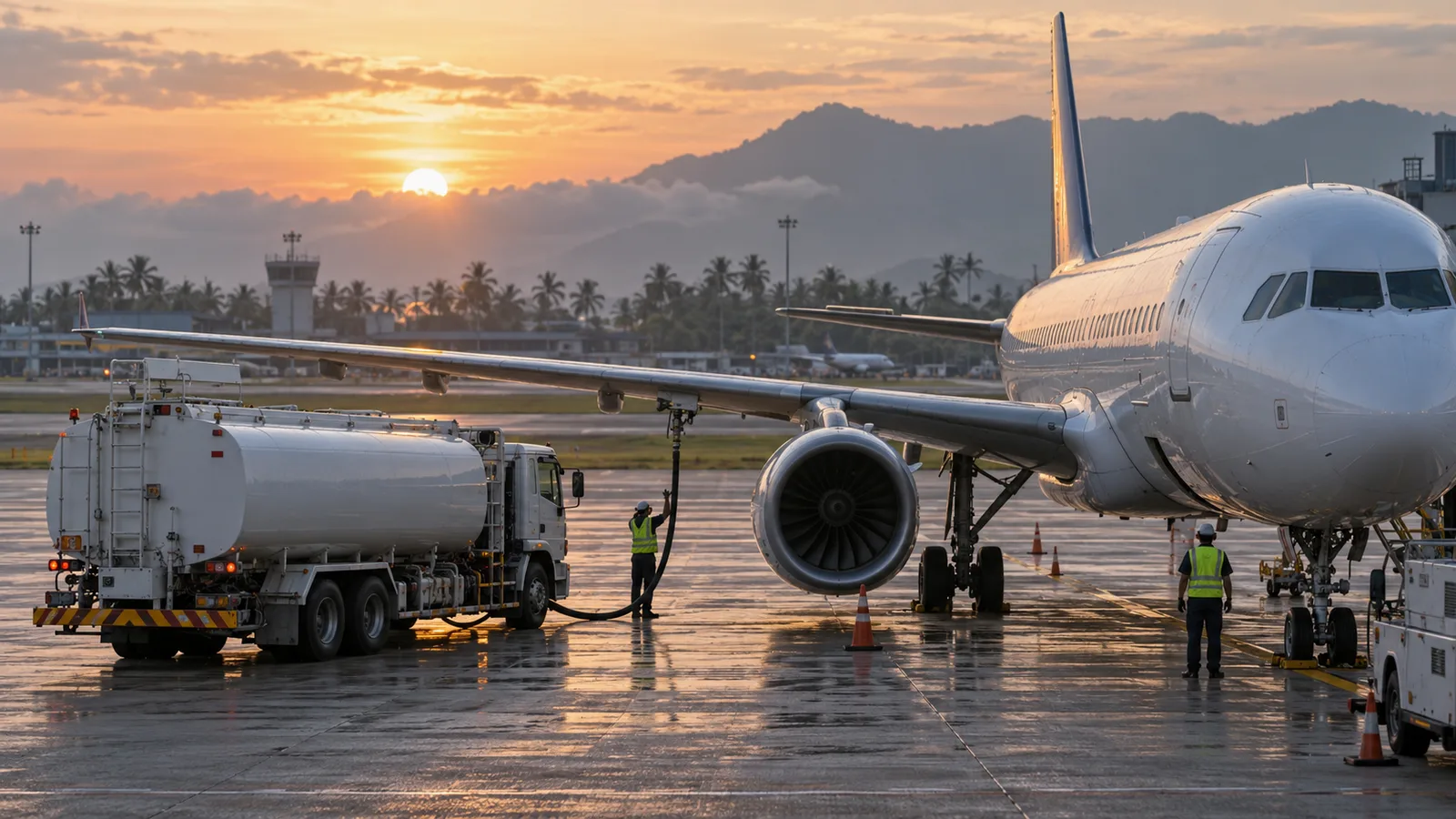
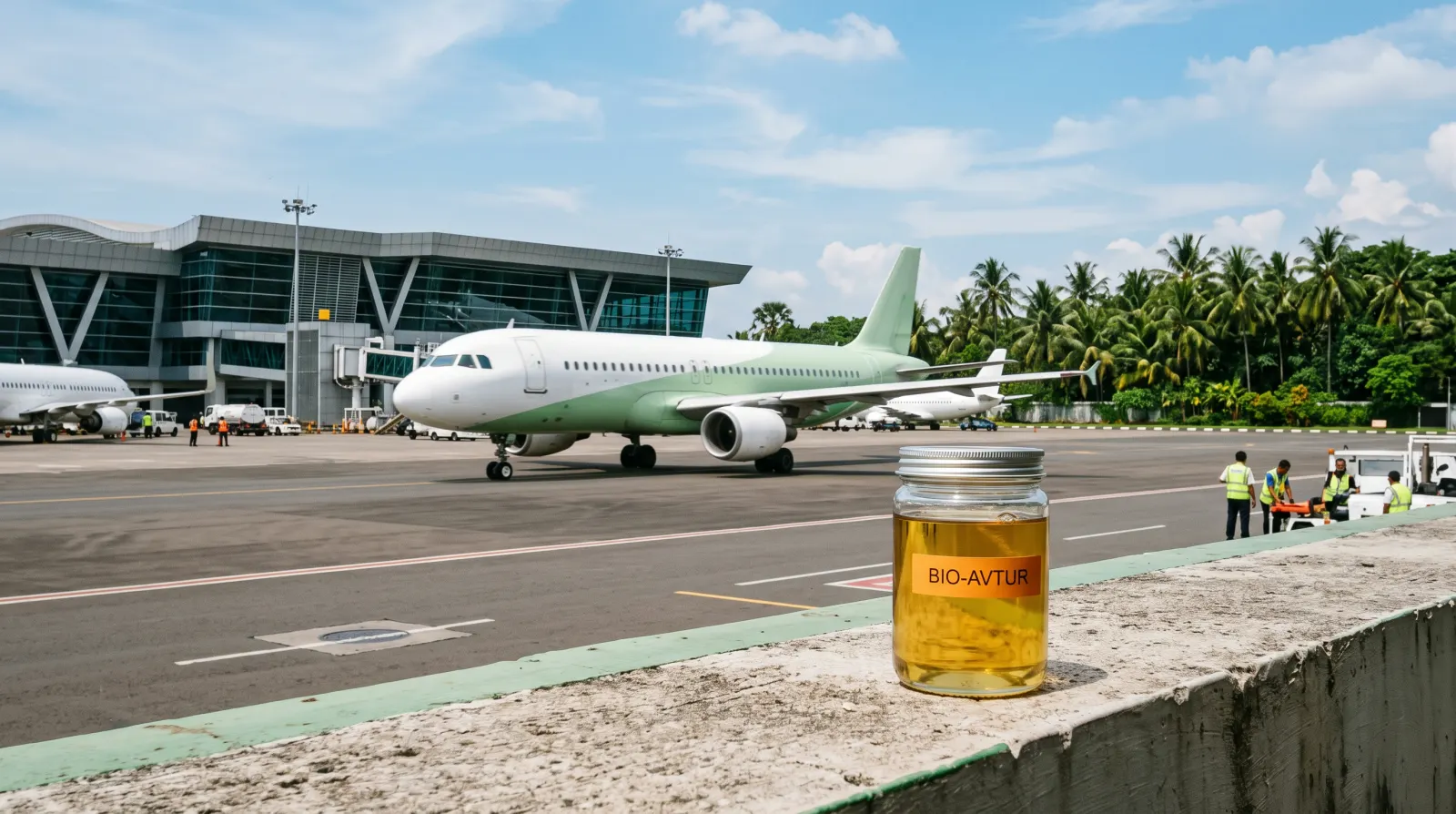
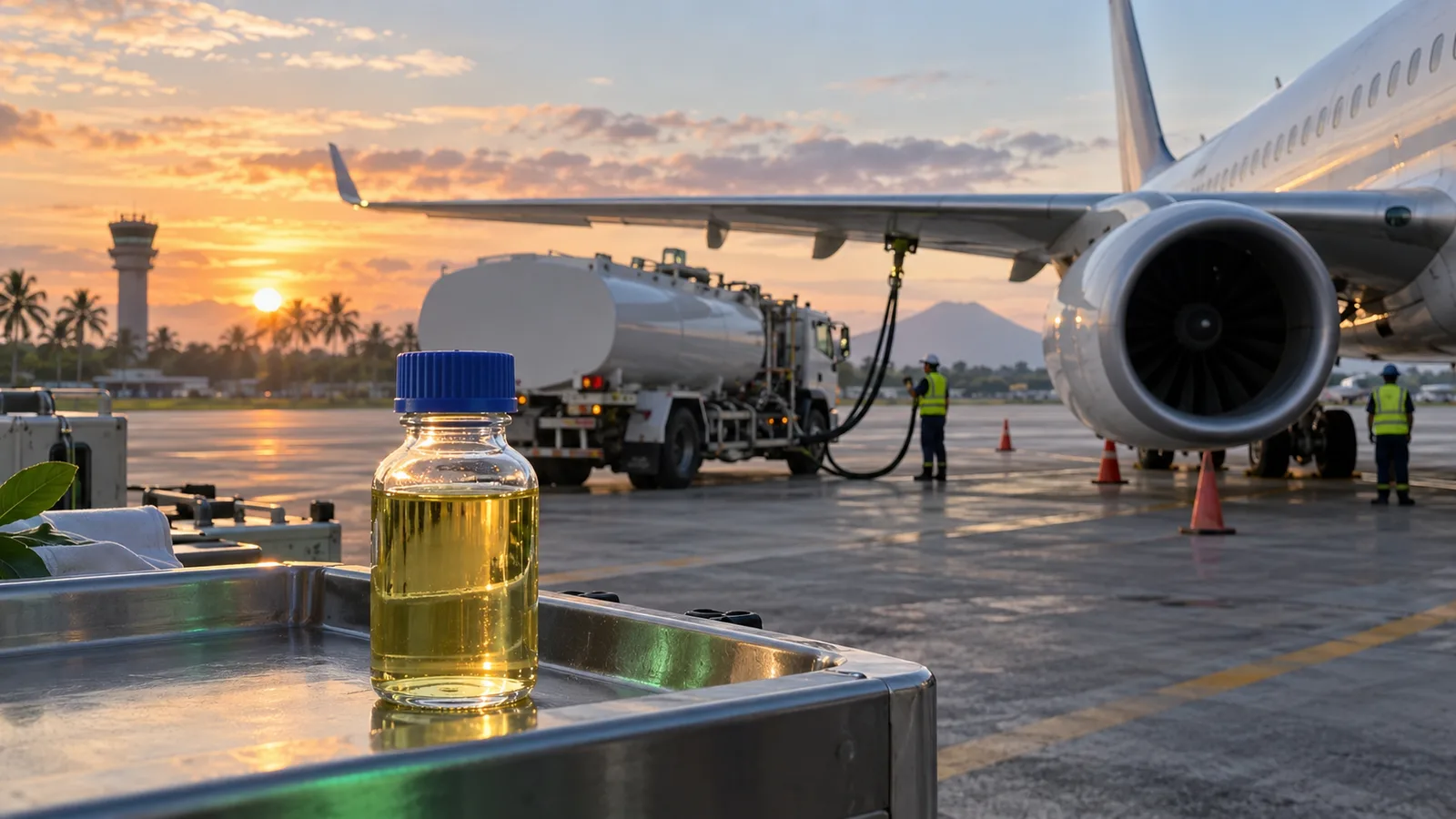
Indonesia has entered the early stage of commercial SAF use based on used cooking oil. The Directorate General of New, Renewable Energy and Energy Conservation (EBTKE) performance report recorded Pelita Air’s Jakarta–Denpasar flight on 20 August 2025 as an early commercial use of UCO-based SAF from Pertamina’s ecosystem. The product was reported to have obtained ISCC CORSIA and ISCC RED EU certification.
For Indonesia, the corporate-demand opportunity must be matched by feedstock integrity: traceable used cooking oil, safeguards against double counting, and auditable emissions-reduction documentation. Without those foundations, the additional value represented by environmental certificates may not be accepted by global buyers.
The development creates another potential financing route for Indonesia’s SAF industry, alongside blending mandates and direct airline contracts. Certificate demand, however, does not replace investment in refining capacity, feedstock logistics and policy certainty needed to expand physical supply.
Sources & references
- IATA, “Corporate Demand Could Support Up to 1.9 Million Tonnes of SAF by 2030” (14 October 2026) — https://www.iata.org/en/pressroom/2026-releases/10-14-corporate-demand-could-support-up-to-1-9-million-tonnes-of-saf-by-2030/
- IATA, “Sustainable Aviation Fuel (SAF)” (accessed 16 October 2026) — https://www.iata.org/en/programs/sustainability/sustainable-aviation-fuel-saf/
- Directorate General of New, Renewable Energy and Energy Conservation, “Laporan Kinerja Ditjen EBTKE Tahun 2025” (2026) — https://www.esdm.go.id/assets/media/content/content-laporan-kinerja-ditjen-ebtke-tahun-2025.pdf
Stay on top of Indonesian biodiesel
The weekly newsletter: the week’s key news, prices and data in one email every Friday. Or follow our channels for daily prices.