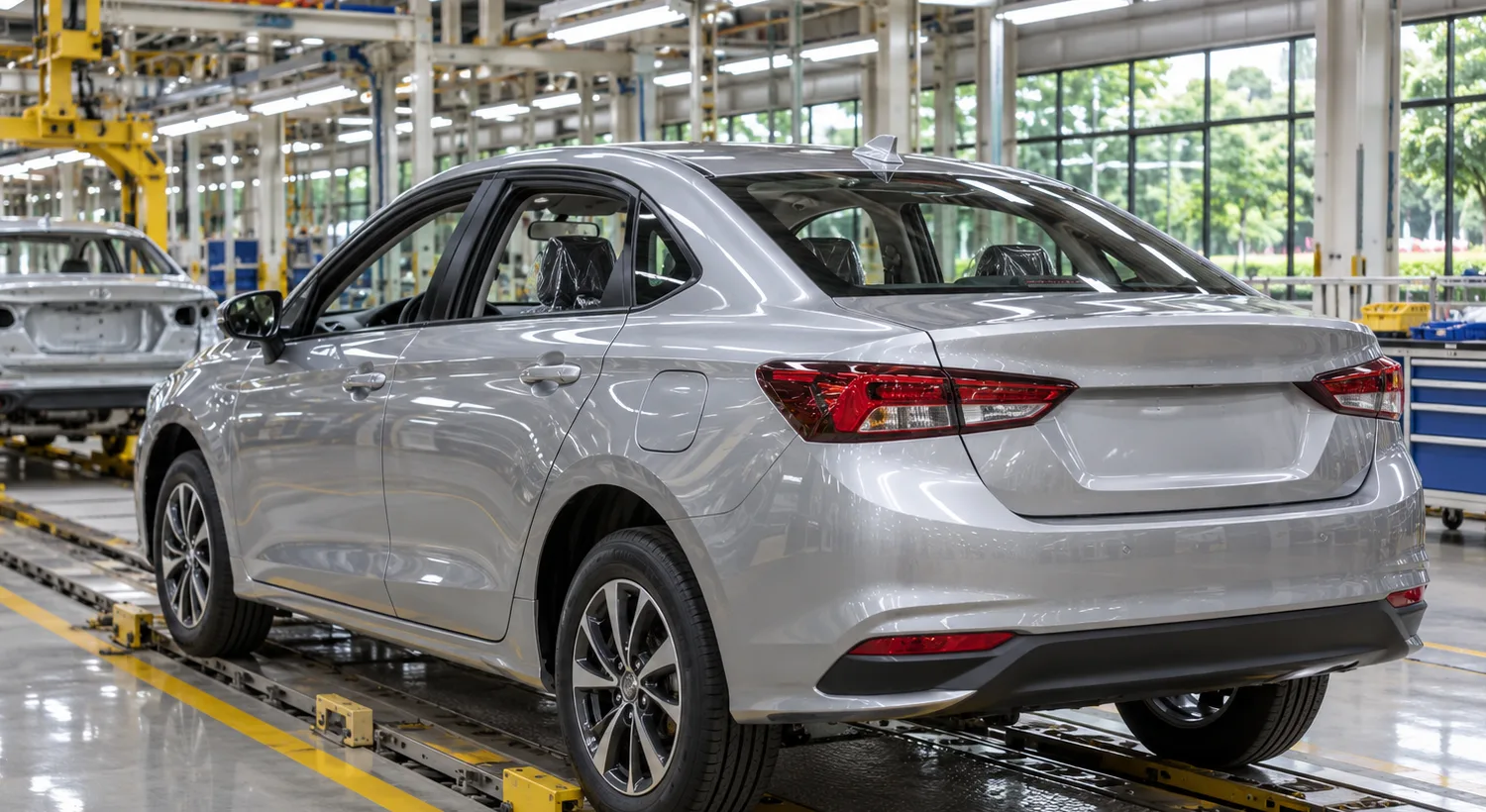
TMMIN Says Locally Built Toyotas Are E20-Ready, Ethanol Supply Still in Preparation
TMMIN says its locally built vehicles can use E20, but Indonesia's ethanol supply chain and national policy rollout require separate verification.
Media Biodiesel articles on Technology: news, data and analysis on Indonesian biodiesel.
TMMIN says its locally built vehicles can use E20, but Indonesia's ethanol supply chain and national policy rollout require separate verification.
Pertamina targets 288,000 kL of combined SAF and HVO output a year from 2029, without disclosing the product split or secured cooking-oil feedstock.
Pertamina reports SAF production at its Dumai refinery using feedstock containing 5% used cooking oil; commercial sales and emissions calculations were not disclosed.
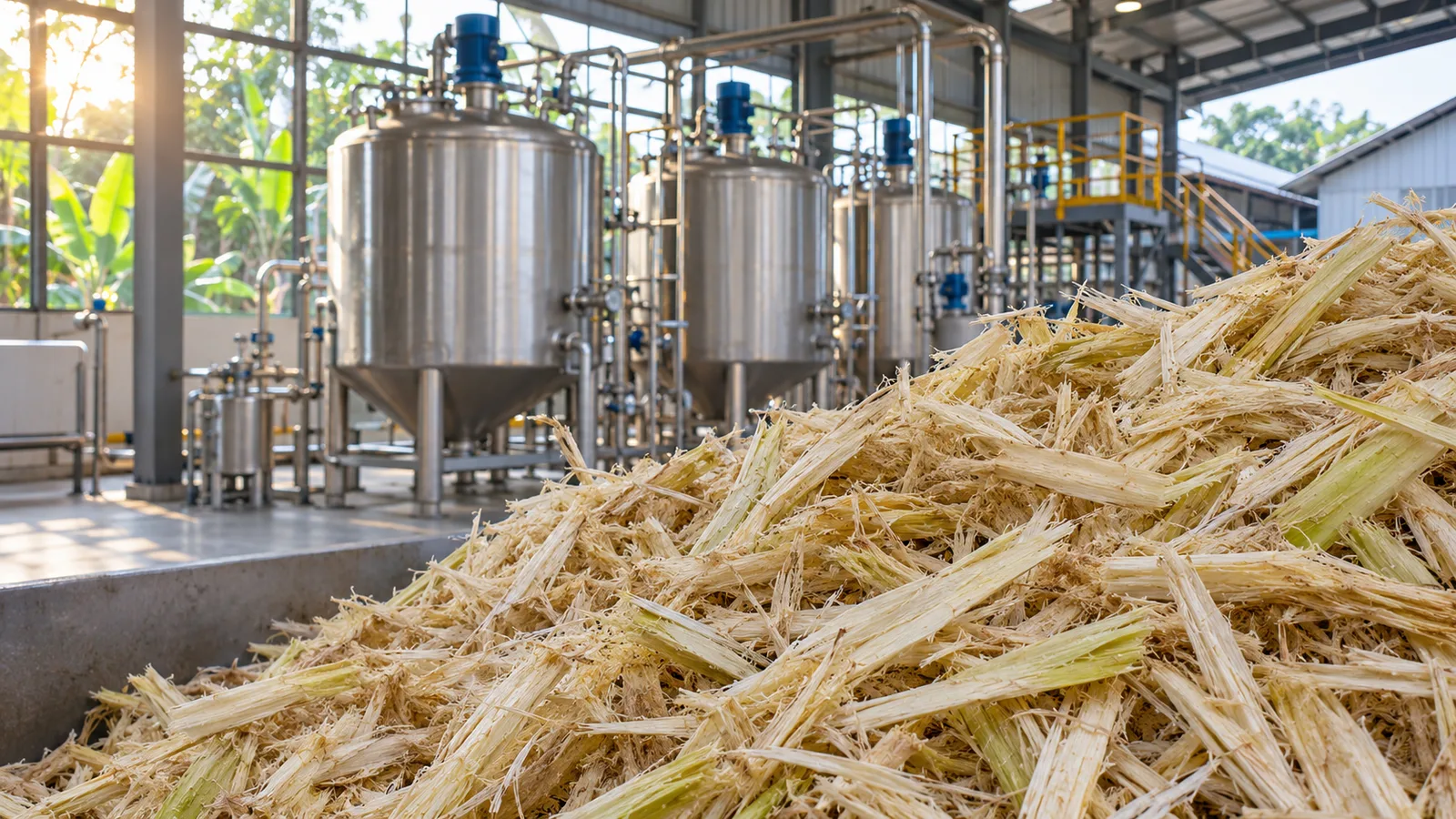
A memorandum with SGN covers research on ethanol from sugarcane byproducts. Production scale and investment remain undecided pending technical and commercial reviews.
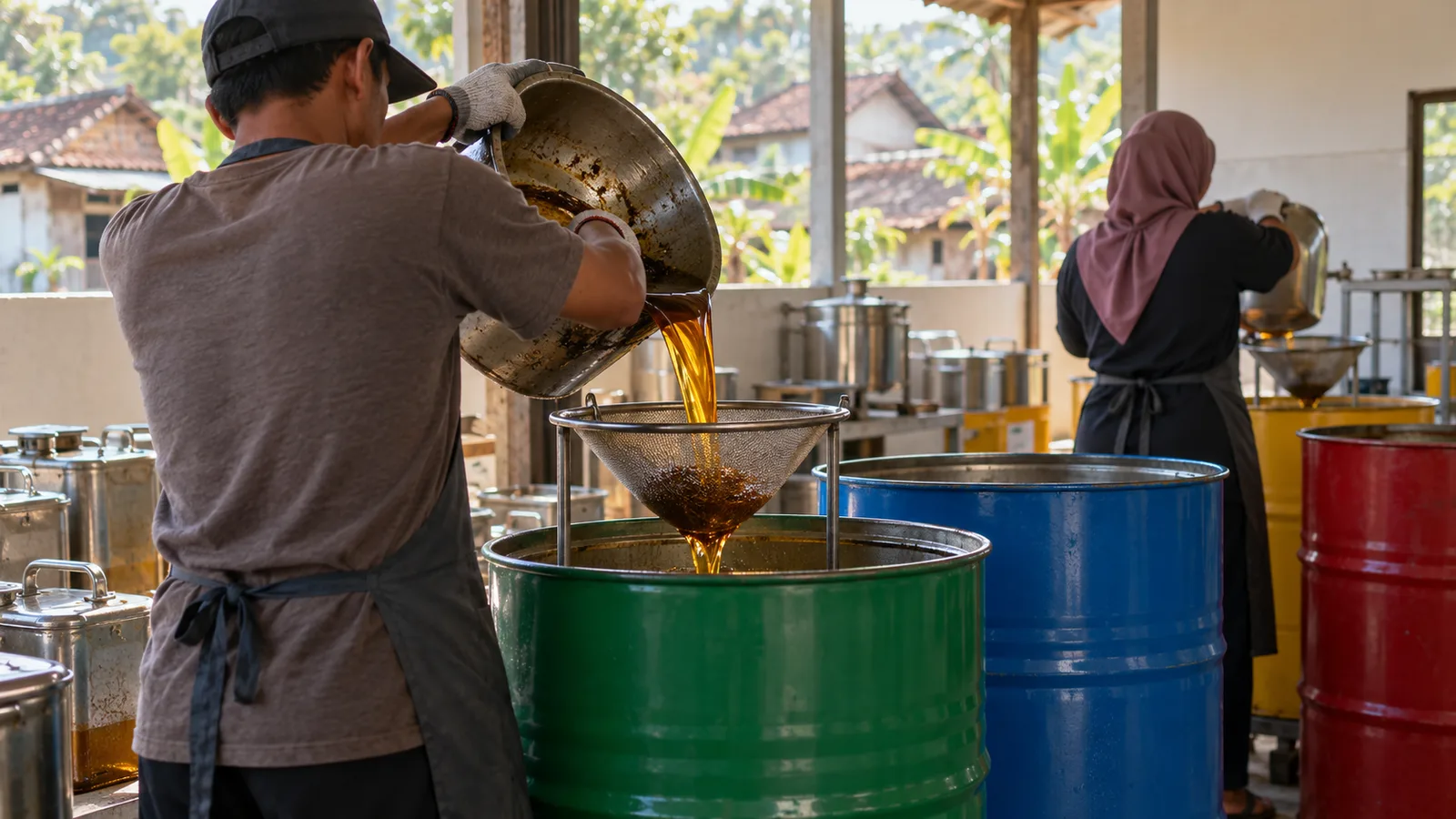
Indonesia launches a four-cooperative used-cooking-oil pilot for Cilacap SAF feedstock; proposed prices and actual pilot supply remain distinct.
How hydrotreated vegetable oil catalysts work: reaction pathways, sulfided NiMo/CoMo and Pt-zeolite catalysts, what deactivates them, the main licensors and Indonesia's…
HVO, or renewable diesel, is a drop-in diesel made by treating vegetable oils, used cooking oil or animal fats with hydrogen. Its meaning, production, feedstocks,…
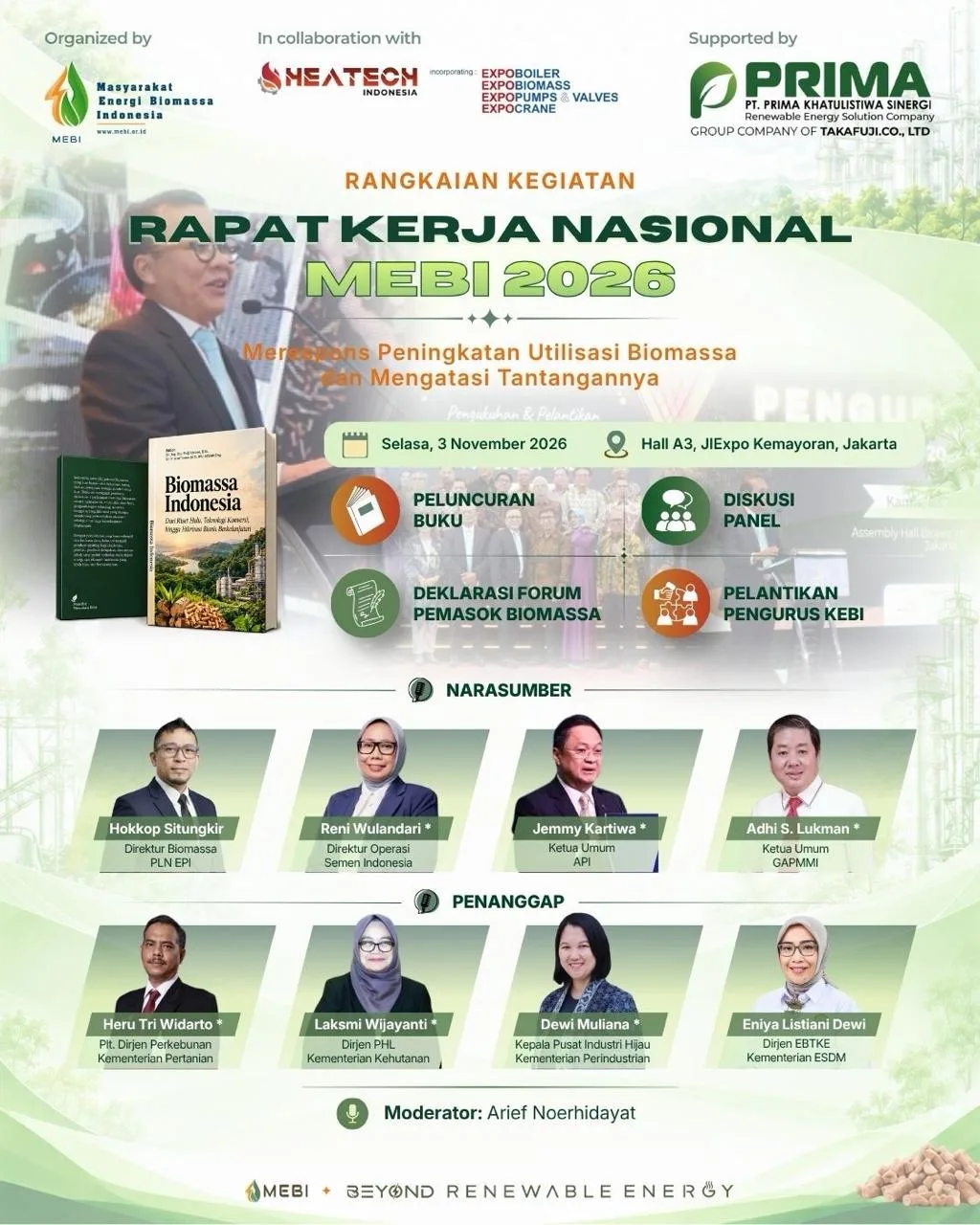
MEBI has invited partners to the opening at Hall A3 of JIExpo on 3 November, with book launches, a biomass panel, business matching, a suppliers forum and KEBI…
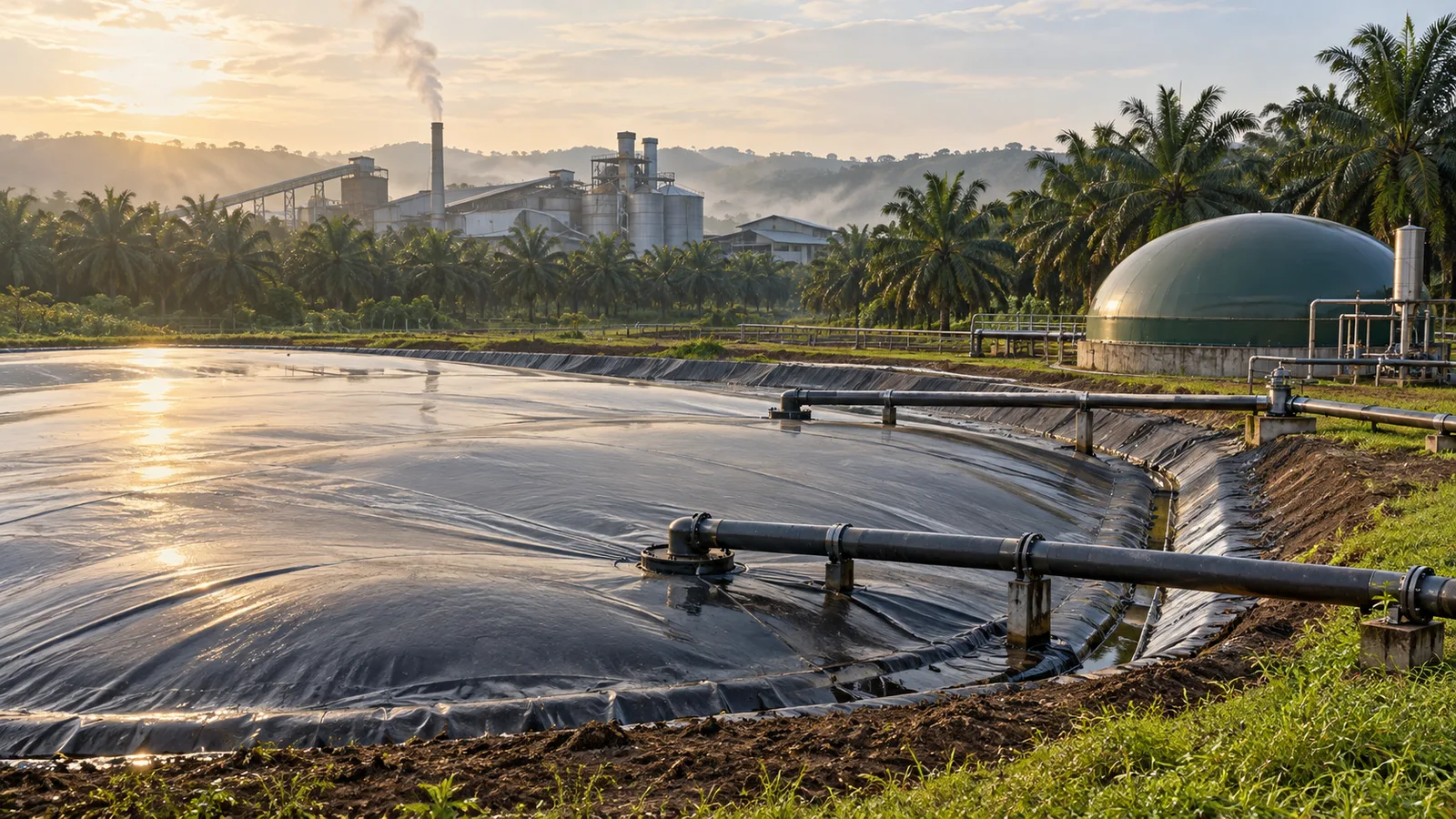
Indonesia's research agency estimates potential power from palm mill waste, but has not identified operating projects at that scale.
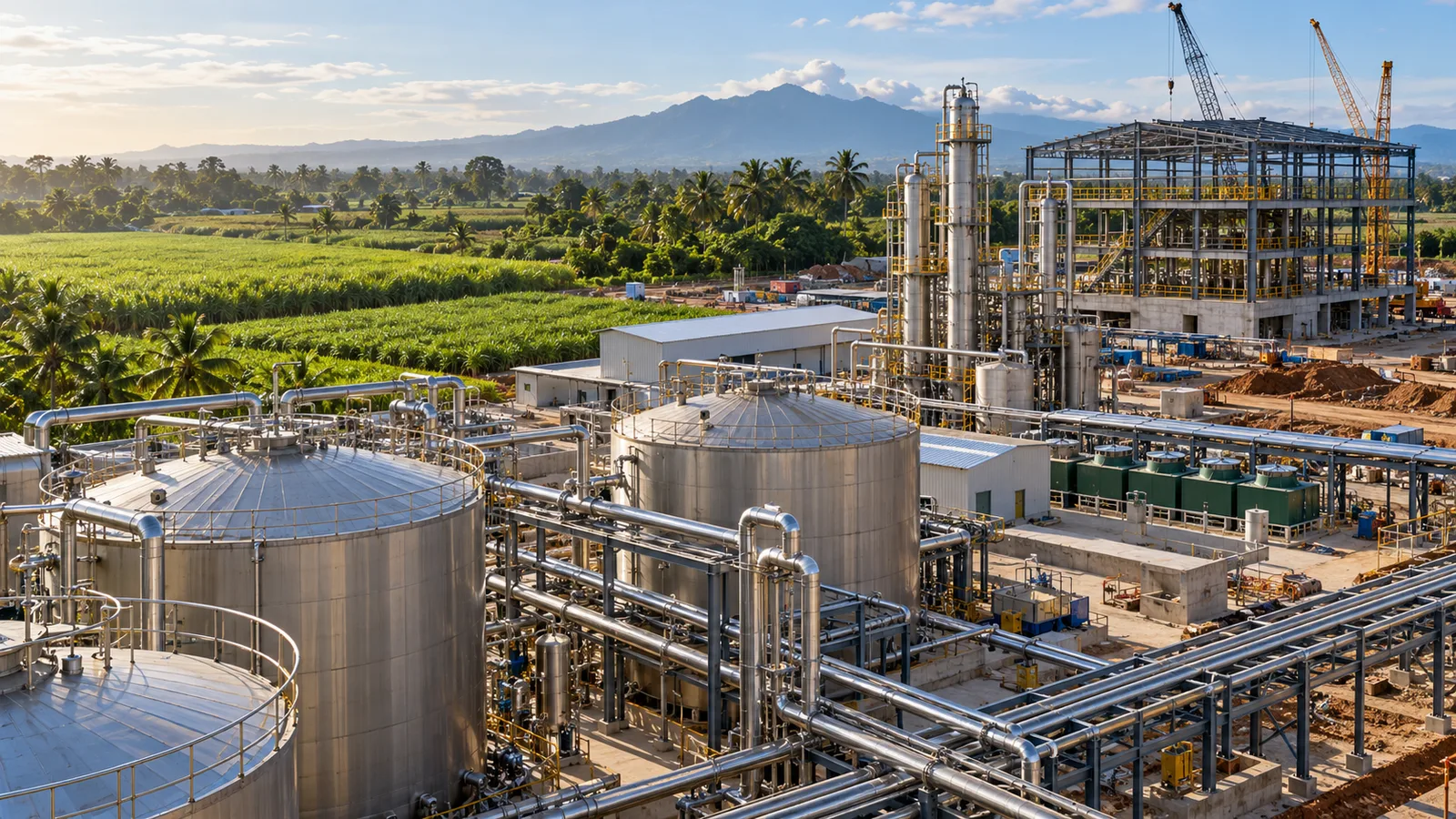
E50 would need much more ethanol capacity than Indonesia now has; 320 plants is an estimated requirement, not a construction tally.
The vice-president wants waste-bank oil in Cilacap’s SAF supply chain, but community volumes, prices and contracts have not been reported.
BRIN reported palm-oil hydrolysis and deoxygenation experiments. Laboratory yields do not establish commercial SAF production or universal emissions savings.